
In Memory of Stanley Kwok: Building for People
Written by Fête Chinoise Editorial Team (Kayla Lo)
Source: Stanley Kwok’s Obituary, Stanley Kwok’s Autobiography

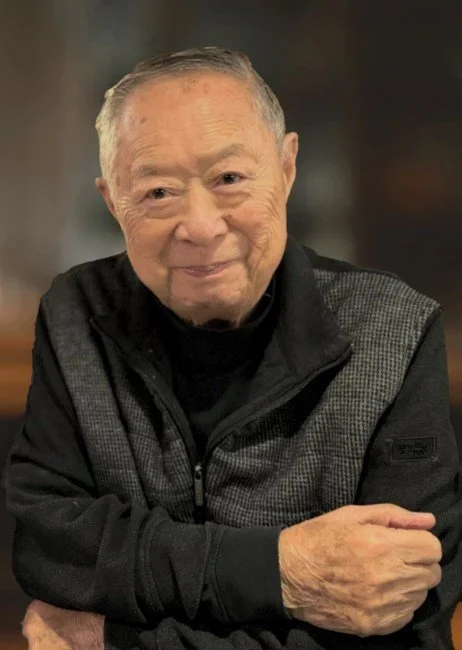
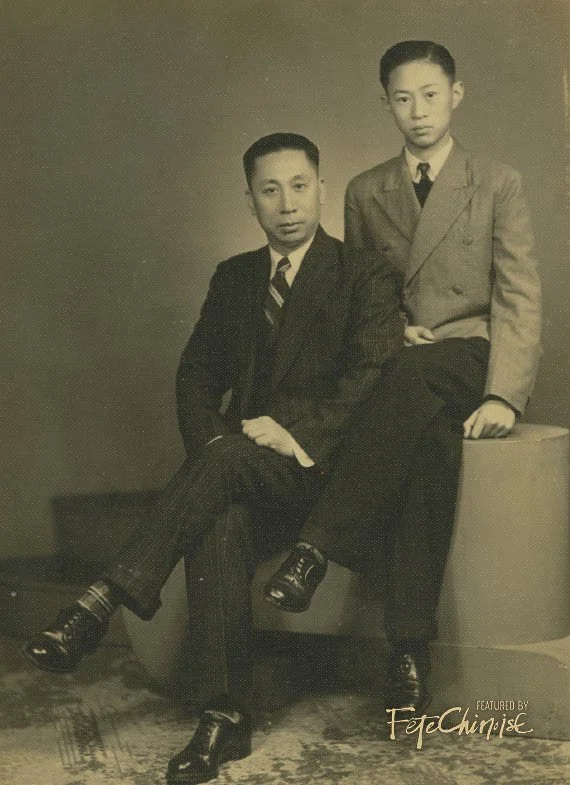
Stanley Kwok with his father during his teenage years.
We sit in the shade of trees planted before us.
The family of Stanley Kwok, the iconic architect, urban planner, and developer, has announced his passing this week. Stanley was renowned for his collaborative spirit: he preferred consensus, always gave credit to others, and believed deeply in urban planning that centred people, community, and shared purpose. The cities he helped shape continue to reflect his vision, and his influence endures worldwide.
Born on January 2, 1927, in Shanghai, Stanley spent his formative years there before moving amid the upheavals of wartime China—from Shanghai to Hong Kong, then to Vietnam, and finally back to Hong Kong. He often spoke of the inspiration he drew from his father, who maintained an undiminished zest for life even after multiple business losses, as a profound influence on his own resilience and character.
Stanley attended St. John’s University in Shanghai in 1944, where he first discovered his passion for architecture. After graduating, he worked diligently and supported himself entirely, relying only on the initial $600 his father had given him. He embraced early the belief that hard work never fails. He later pursued further studies at the Architectural Association in London and returned to Hong Kong.
Stanley began his career with Eric Cumine, eventually becoming the firm’s second partner and establishing himself as a respected architect in Hong Kong. He contributed to the restoration and revitalization of the Matilda International Hospital at the Peak following Pacific War damage, a project he described as “remaining dear to my heart.” His portfolio included the Shell House, the Hong Kong Hotel (now the Marco Polo), Pacific House, and more than 200 buildings ranging from homes and housing estates to hospitals and factories. Throughout, he held firmly to the belief that architecture should serve people. He later became President of the Hong Kong Society of Architects and taught at the University of Hong Kong.
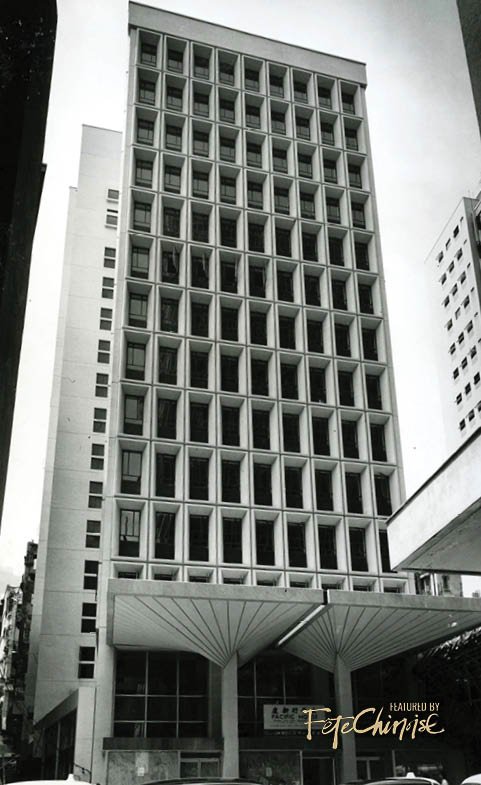
The Pacific House
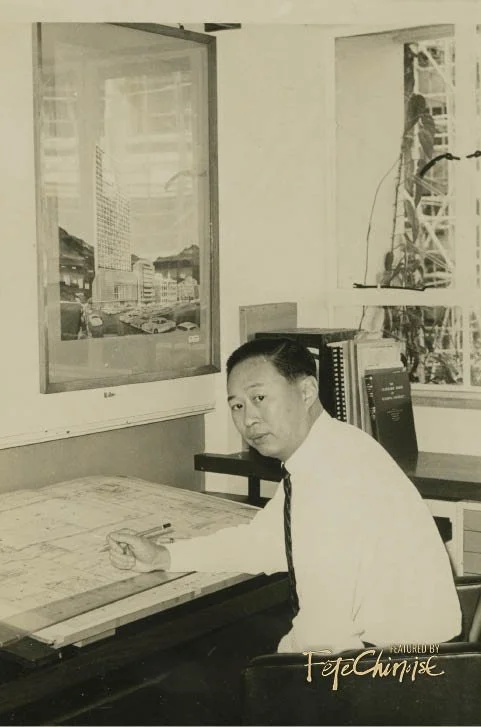
Stanley at work.
In 1967, seeking stability amid the uncertainties of the era, Stanley decided to start a new chapter with his family in Canada. “To me, it was written on the wall,” he recalled in his autobiography.
Arriving in Canada in 1968, his experience mirrored that of many new immigrants—knocking on doors in search of opportunity. His accomplishments in Hong Kong soon caught the attention of Grosvenor International, where he secured a position marking the beginning of his Canadian chapter. Stanley advanced rapidly from Project Manager to Vice President of Development and ultimately joined the company’s Board of Directors.
In 1970, he joined John D’Eathe to lead a development firm, CIL Properties (later Canadian Freehold Properties Ltd.), which grew into a major success with branches across Canada and the western United States.
Stanley’s first major interaction with public opinion came with the Laurel Point project in Victoria. While the city had rejected many proposals, he chose to consult the public directly, listening to their needs and expectations and redesigning accordingly. This approach earned unanimous approval from City Council and demonstrated his openness and reflected his commitment to user-centred design.
Another project close to his heart was Concord Pacific Place. Working closely with architectural firms, community leaders, and civic officials, he championed a cooperative planning model that embodied his design philosophy: a pedestrian-focused waterfront, generous public spaces, and the inclusion of social housing.
“I’m proud to say that if you walk through Concord today, it’s a very nice place for people, and that’s what it should be. The basis in planning a large piece of land is that the spaces in between the buildings are just as important as the buildings themselves.”
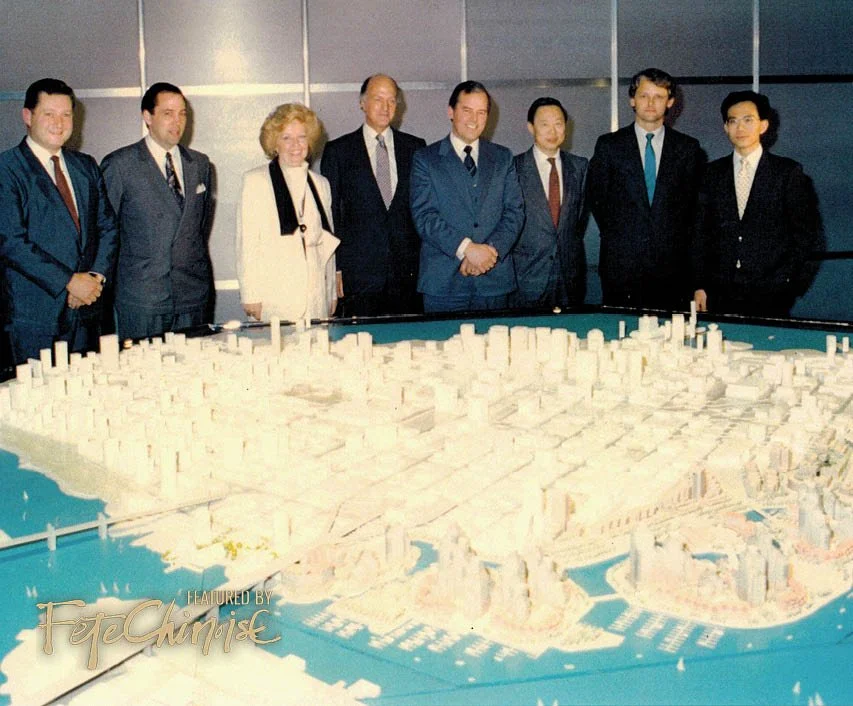
From left: Kevin Murphy (President of BC Place), Peter Brown (Chairman of BC Place), Grace McCarthy, George Magnus, Bill Vander Zalm (BC Premier), Stanley Kwok, Mayor Gordon Campbell, and Victor Li.
Stanley was also the visionary master planner behind projects such as Dubai Marina, Halifax Purdy’s Wharf, CIL Headquarters, Burnaby’s Crystal Square, and many more, always prioritizing the people who would ultimately use those spaces. He also served on the boards of Cheung Kong Holdings, CK Hutchison, Bank of Montreal, the BC Cancer Foundation, and the Vancouver Foundation.
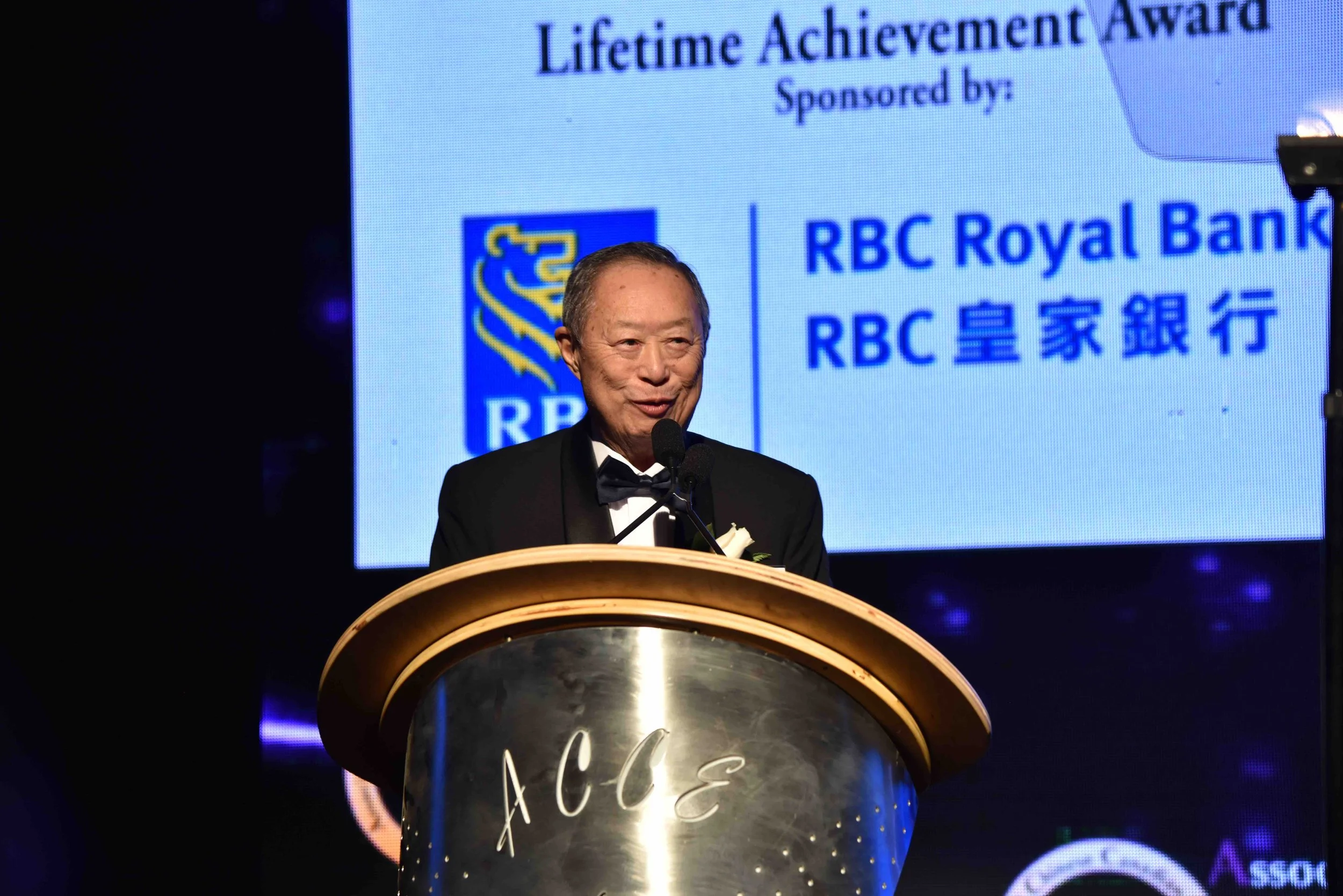
in 2016, Stanley was honoured with a Lifetime Achievement Award by the Association of Chinese Canadian Entrepreneurs (ACCE).
Highly mindful of legacy, Stanley often reflected on how he had benefited from the generations before him and how he hoped future generations would benefit from the “shade of trees” planted by his generation. In recognition of his contributions, Stanley received an Honorary Doctorate from Royal Roads University in 2012, and in 2016, he was honoured with a Lifetime Achievement Award by the Association of Chinese Canadian Entrepreneurs (ACCE).
The family of Stanley Kwok pens, “Stanley will be remembered for his integrity, generosity, and devotion to family and community. His ability to bring people together and guide them toward shared purpose shaped his work and helped define the cities he touched. He believed cities should be built for people—and he spent a lifetime proving what that could mean.”
In loving memory, we will always remember Stanley as we sit in the shade of the trees he planted for us, and for the generations to come.
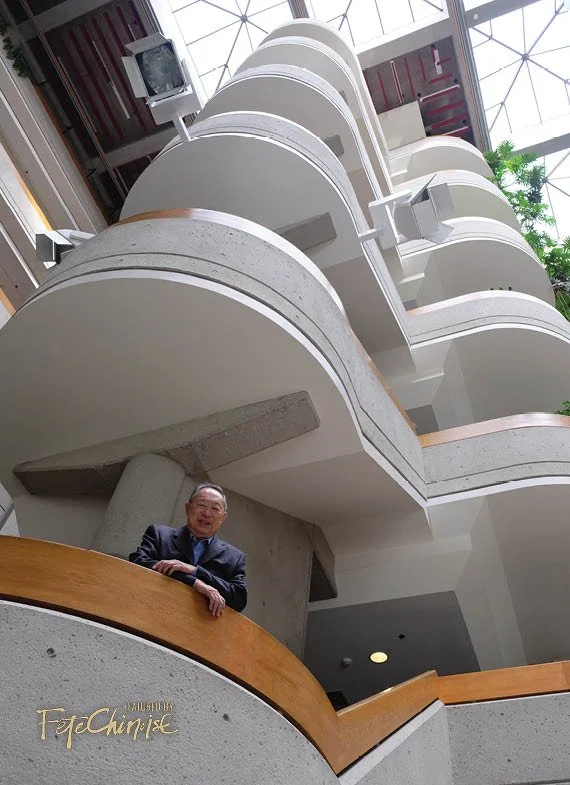
Stanley’s visit in September 2016 back to what used to be CIL Headquarters.
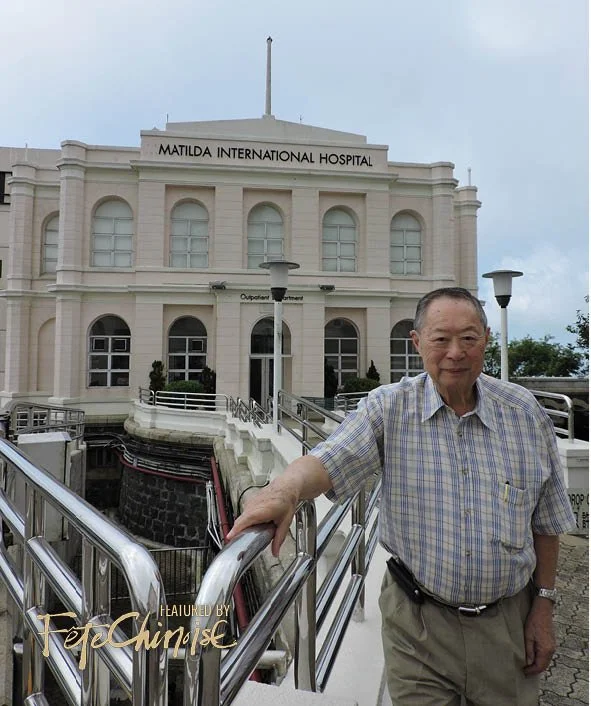
Stanley Kwok in front of Matilda International Hospital, one of his cherished restoration projects.

More from Fête Chiniose



Hong Kong-Canadian playwright Jeff Ho speaks with Fête Chinoise about his new sequel to As You Like It, growing up between Cantonese and English, and bringing inclusive, park-side theatre to Toronto with Shakespeare in the Ruff.