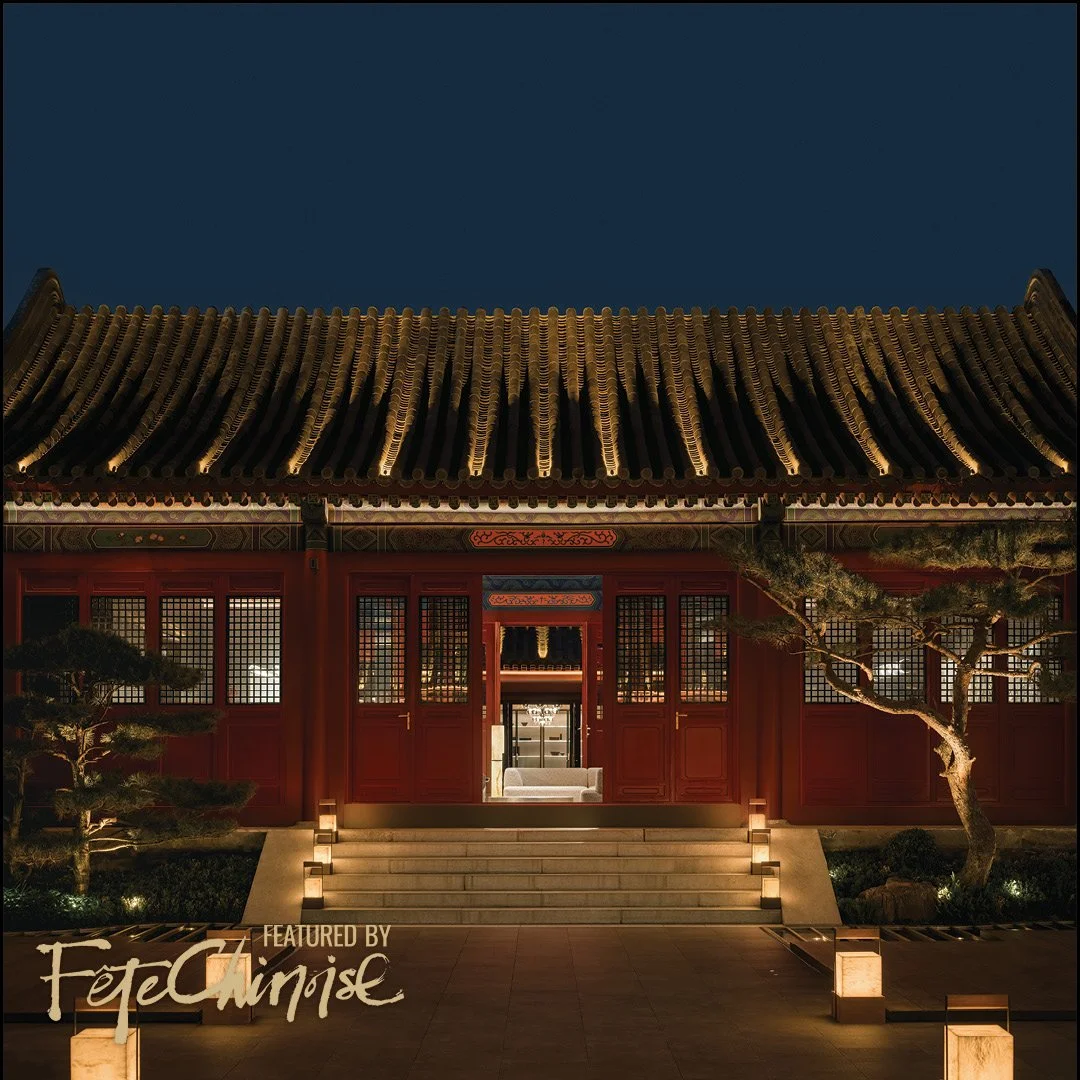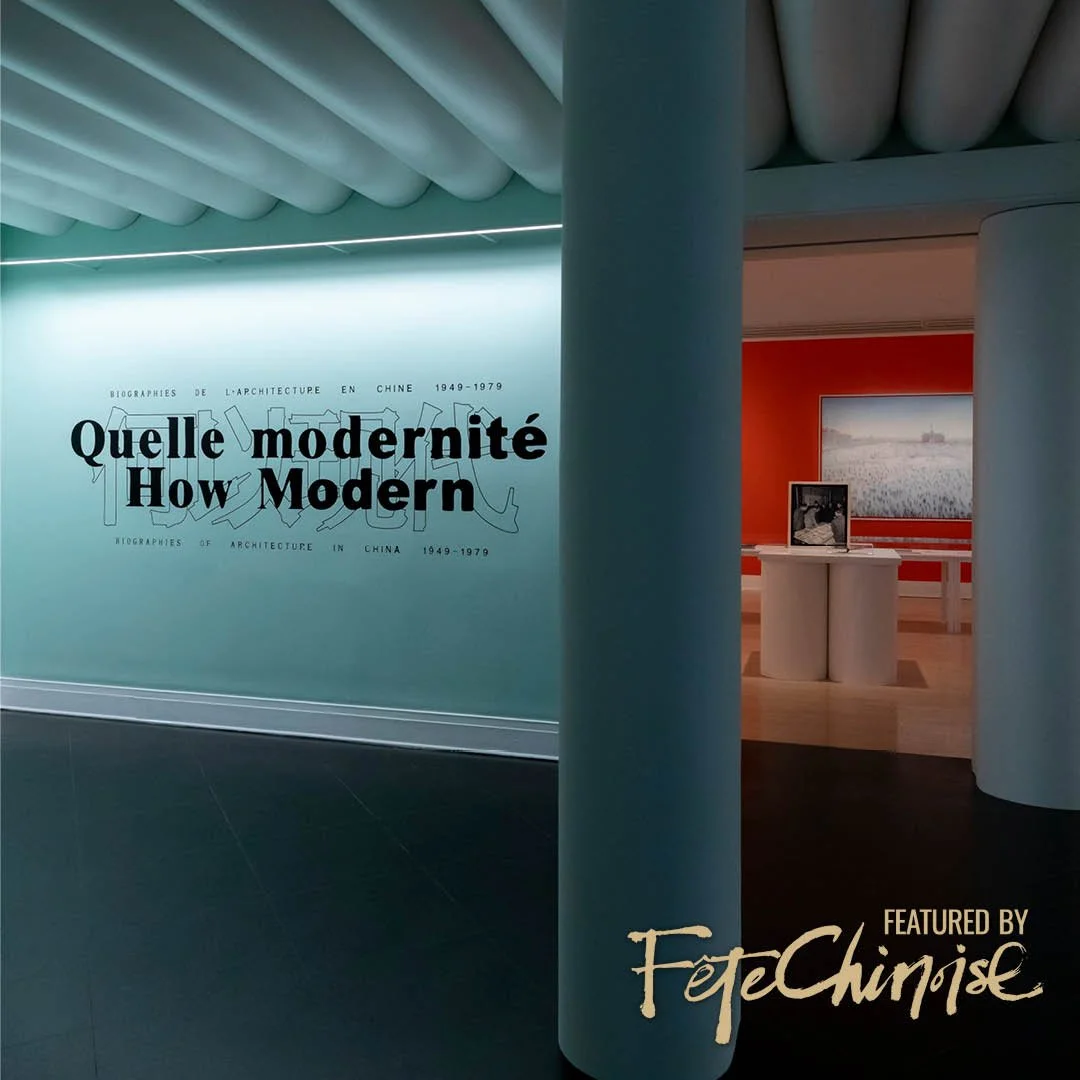
How Modern: Biographies of Architecture in China 1949–1979 at the Canadian Centre for Architecture uncovers overlooked modernist architecture. Curator Shirley Surya and researcher Li Hua discuss how architects navigated political constraints, blended local traditions, and innovated with limited resources, creating human-centred designs that reveal nuance, memory, and the lived experience of Chinese architecture.
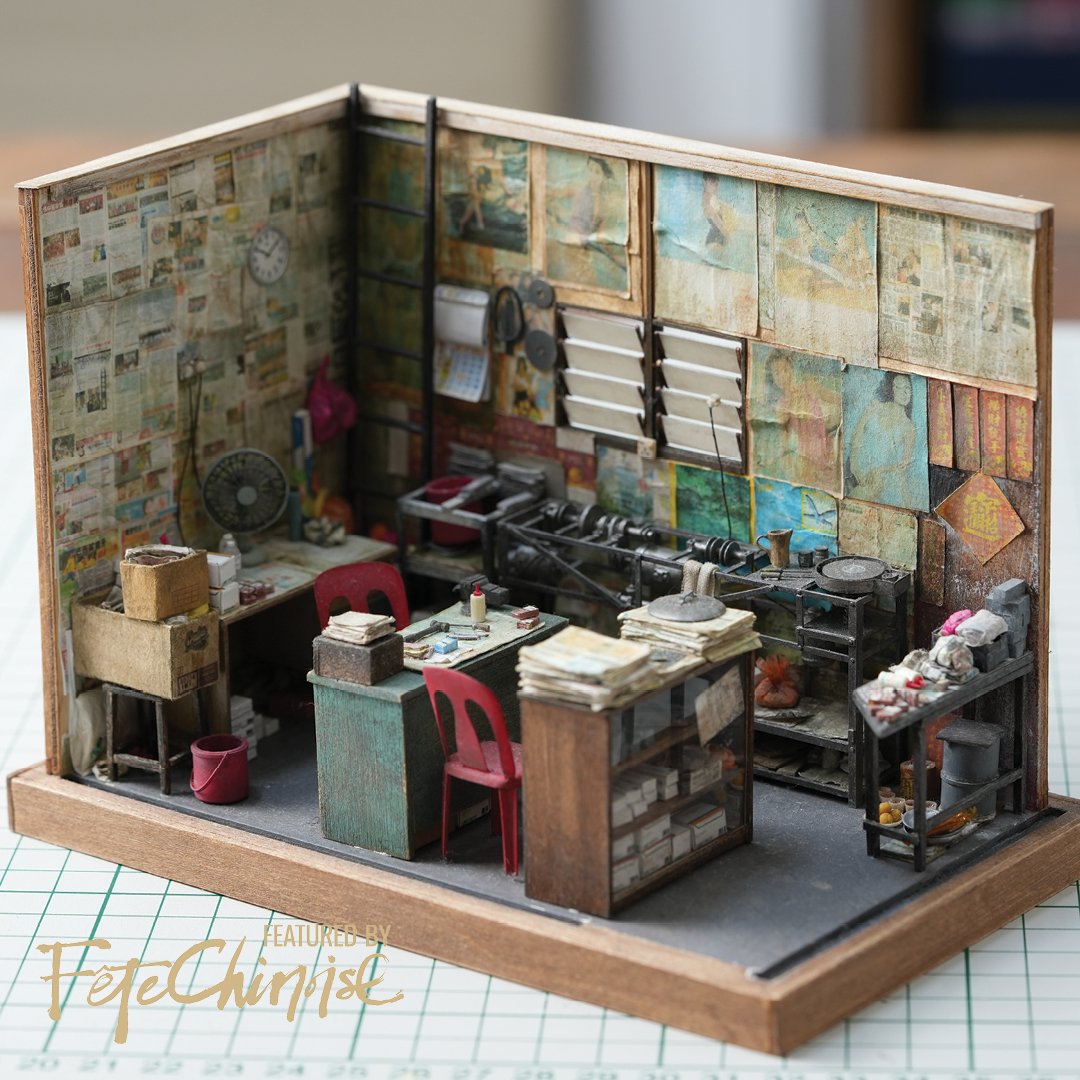
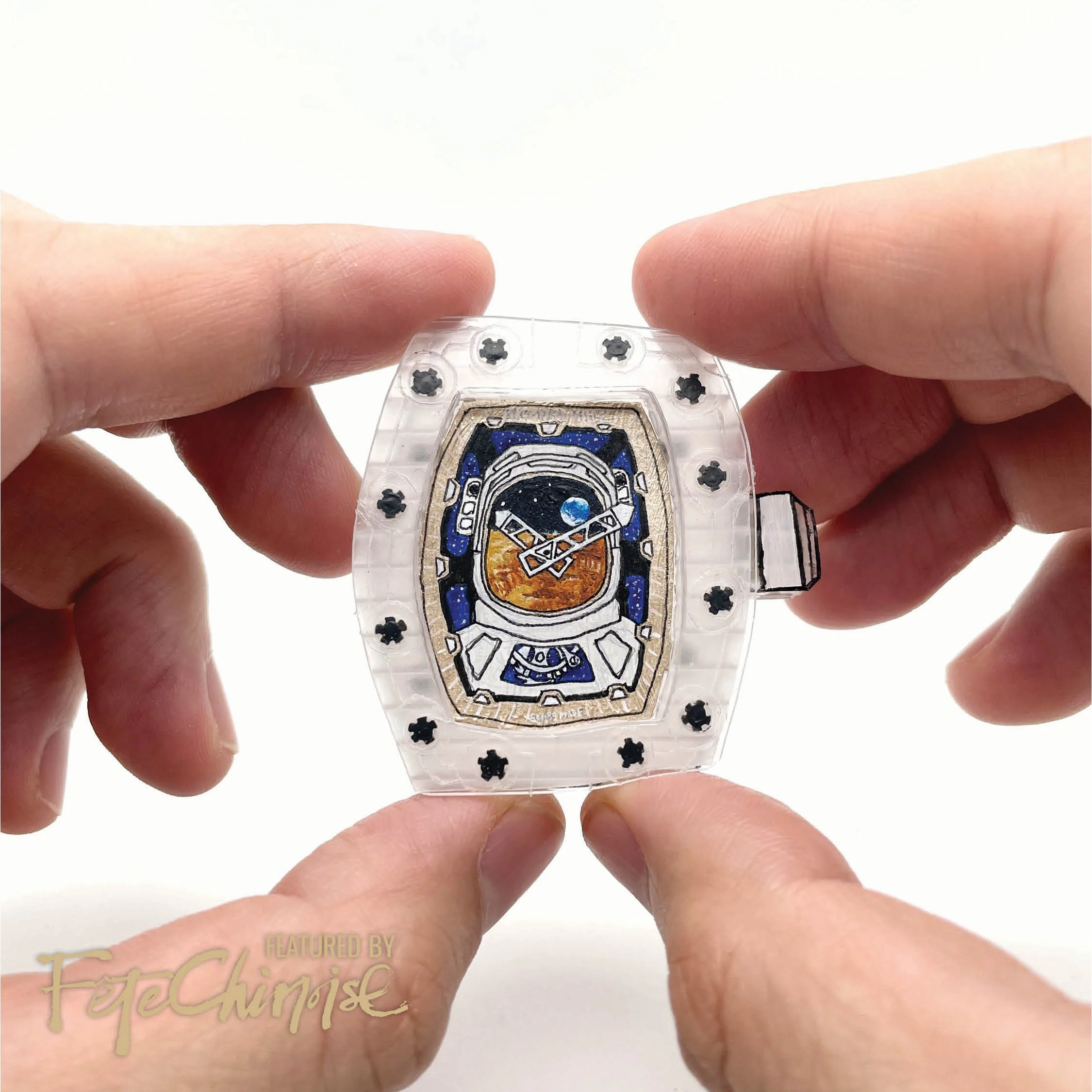
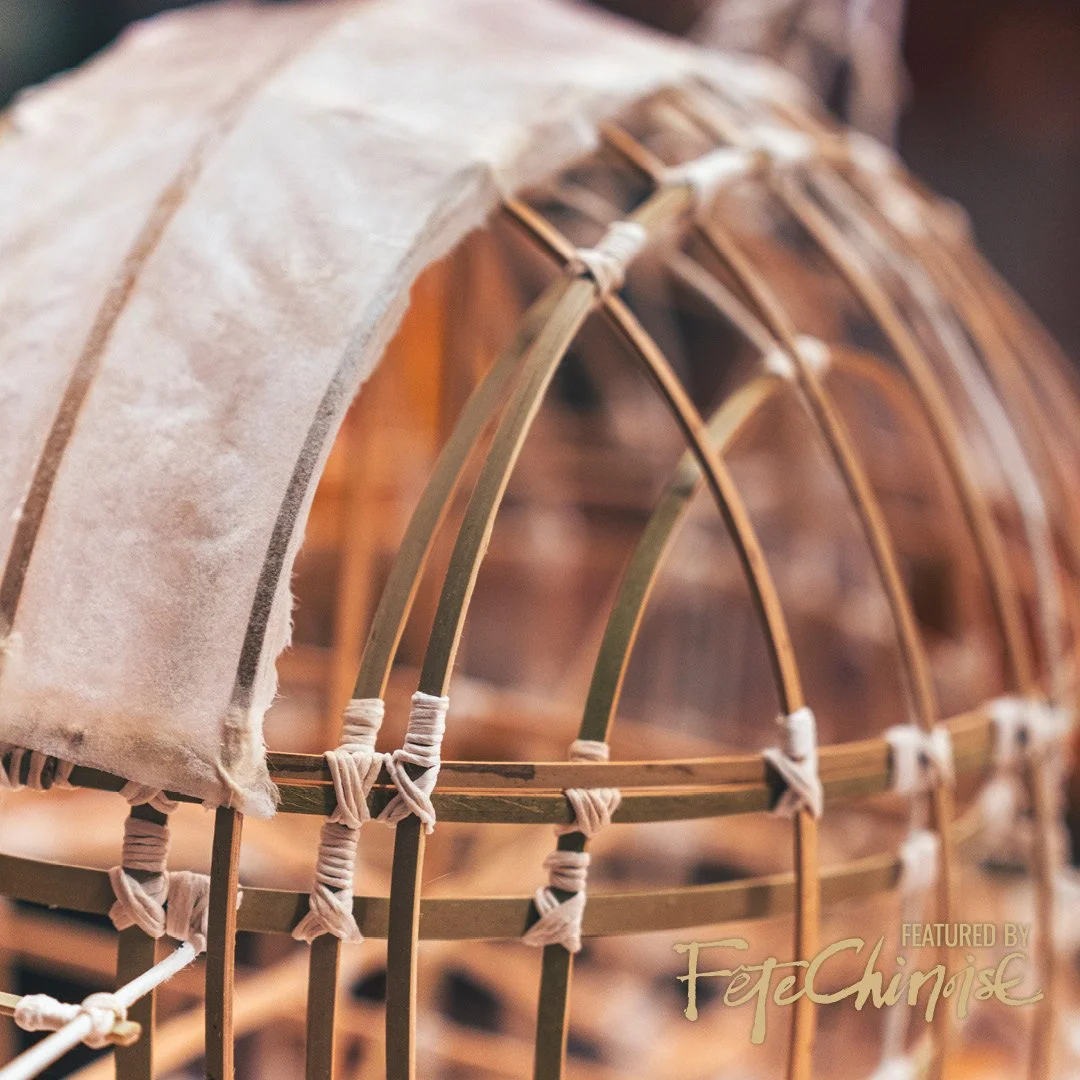
Read MoreIn the skilled hands of Master Hui Ka Hung, paper transforms into vibrant, lifelike creations embodying Hong Kong’s cultural heritage.
Hong Kong is a fast-paced city filled with innovation and potential. Among its towering skyscrapers are streets alive with people rushing to their next destination. Beyond the urban chaos lie alleys steeped in history and tradition. It is here that artisans preserve Hong Kong’s cultural heritage through traditional skills passed down for generations. Among them is Master Hui Ka Hung, whose workshop, Hung C Lau, has become synonymous with the art of paper craft.
Read MoreKejie Lin’s transformation from a landscape architect to a contemporary gongbi painting artist is as deliberate and precise as the strokes in her paintings. For over twenty years, Kejie designed gardens, orchestrating nature into harmonious compositions that invited reflection and calm. Today, she cultivates these same principles on paper, transforming the ancient, meticulous technique of gongbi, known for its fine lines and detailed brushwork, into a contemporary practice that speaks of her own journey.
Her latest exhibition, A Garden of My Own, at the Varley Art Gallery, extends this creative world and draws audiences from the moment they step inside.
Read MoreBrimming with talent, Vancouver-based fashion designer Ou Ma is making waves on the west coast with her exquisitely tailored creations. Intrinsically artistic and vividly expressive Ou Ma, is the Beijing-born, Fashion Institute of Technology educated, couture-trained, passionate force at OUMA. The tactile and artistic mediums of illustration and painting found Ma at an early age while growing up in Beijing. This innate talent inspired her to shift from the canvas to physical expression, where movement, intent, and emotion can come to life in the space between fabric, form, culture, and the human experience to create something of deep emotional resonance.
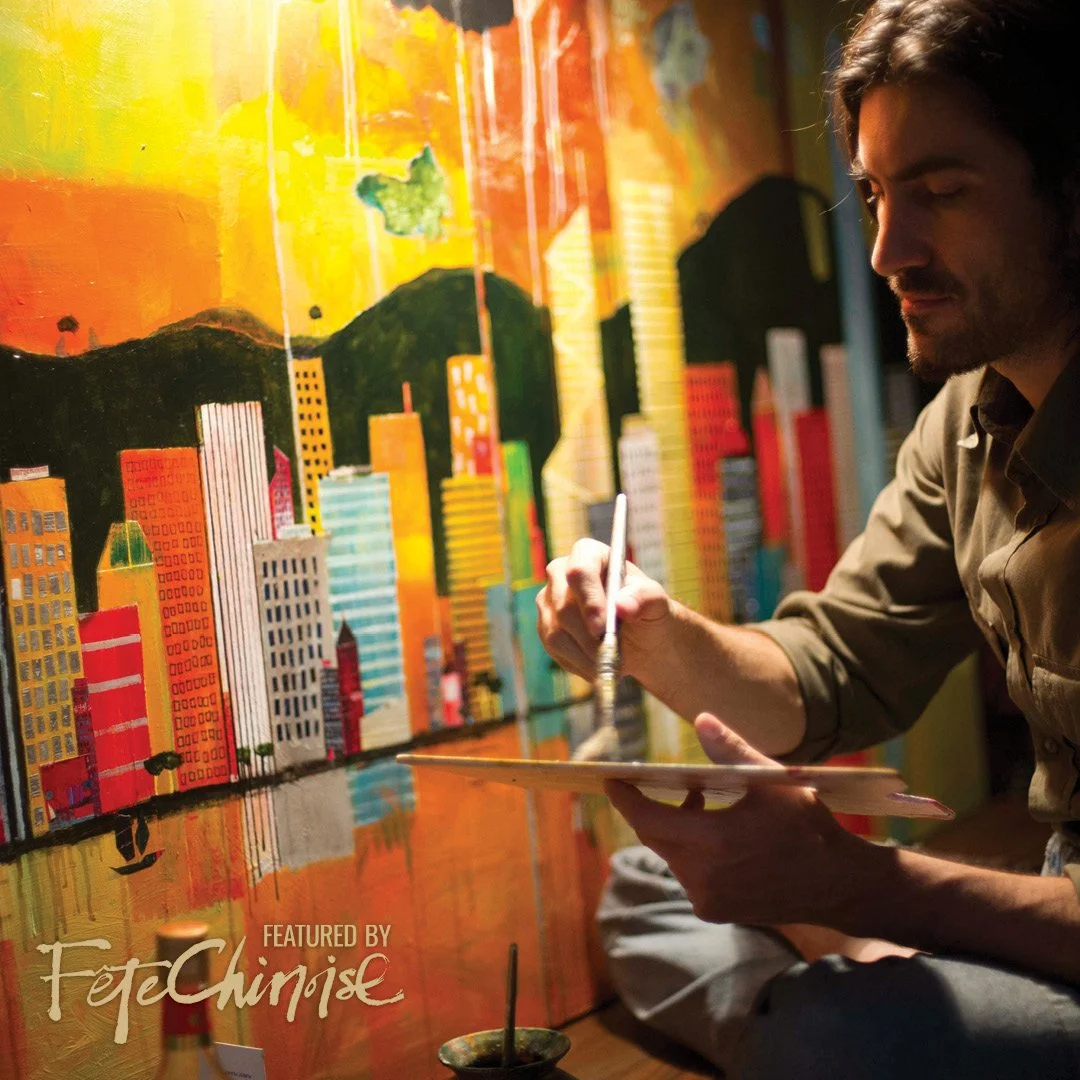
Read MoreHong Kong, a city of neon lights and whispered histories, hums endlessly at the intersection of the ancient and the modern, the East and the West. It is a place of contradictions – a city that carries within it the echoes of temples, quiet in incense smoke, juxtaposed against the bustle of crowded, cosmopolitan streets. Within this labyrinth of cultural dualities and layered identities, the contemplative sculptures of Danny Lee Chin-Fai emerge – shaped by and, in turn, shaping the identity of the city itself.
Read MoreI held my daughter’s hands as she steadily walked a wooden spoon of water to the foot of the King Camphor Tree. “King Tree,” she delightfully whispered as she poured the well water as an offering, with reverence and childlike wonder. The camphor tree stood in the heart of the central courtyard, the largest and most majestic of the ten thousand trees at Amanyangyun, with a weight of 80 tonnes and a trunk so thick, its circumference would take at least a dozen people to join hands in a circle to offer a full embrace. The King Tree has borne witness to time well before ours; estimated to be at least 1000 years old, it was alive when the Ming and Qing emperors ruled, and lived through regimes and changes that we can only read about in history books.
Read MoreSuzhou, an ancient Jiangnan city renowned for its picturesque waterways, is also home to the millennia-old art of Su embroidery. Using needles as brushes and silk threads as ink, embroiderers create intricate designs on plain silk fabric, reflecting the refined beauty of Jiangnan’s canal towns. As one of China’s four great embroideries (alongside Xiang Hunan, Yue Guangdong, and Shu Sichuan), Su embroidery captivates with its refinement, delicacy, elegance, and purity, embodying the ethereal beauty of the region and the cosmos.
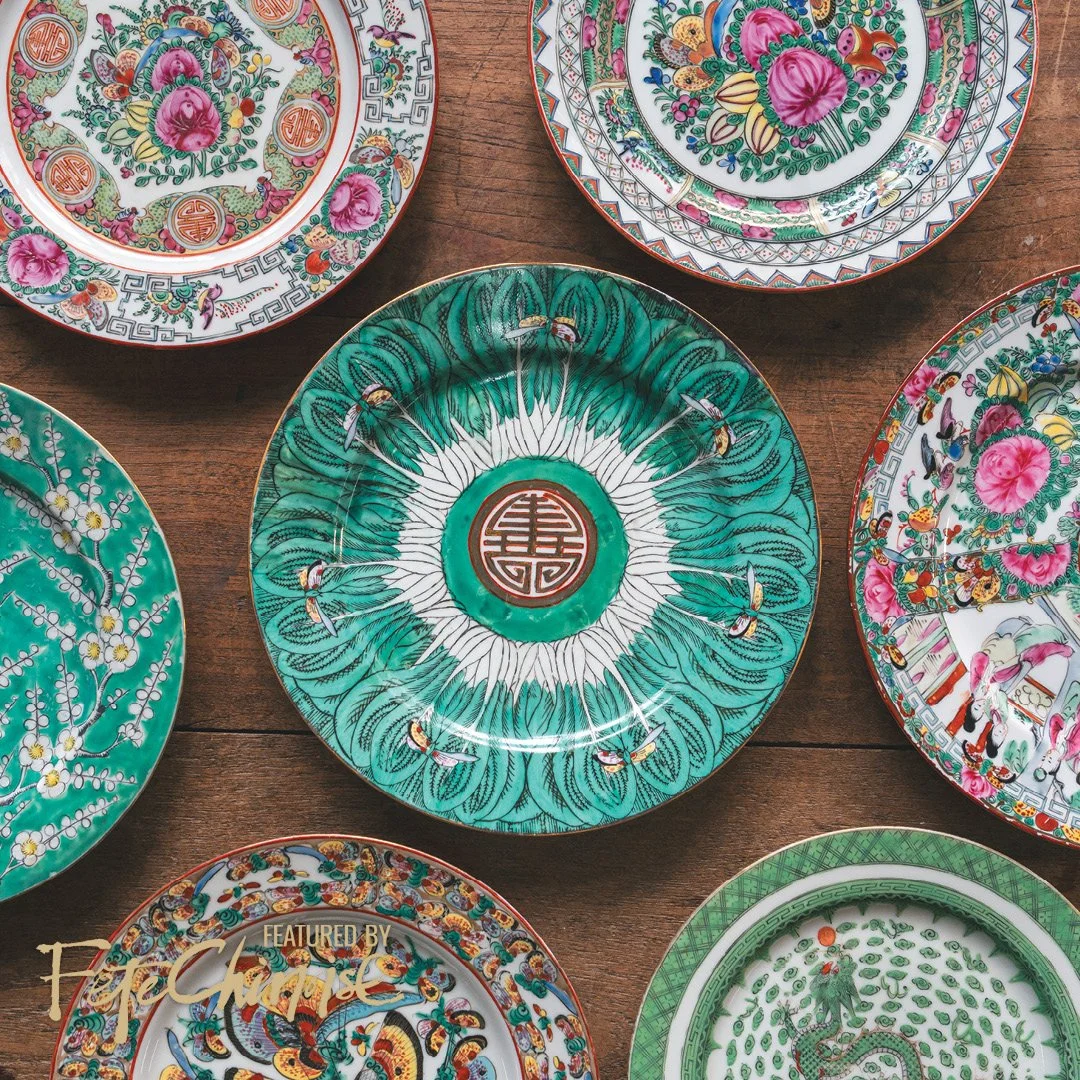
Read MoreThe light in Seven Terraces filters gently through antique shutters, casting patterns on blackwood furniture polished to a soft gleam. Porcelain kamchengs sit proudly on sideboards, their intricate designs hinting at stories of a bygone era. For Chris Ong, this isn’t just a hotel—it’s a living archive of Peranakan culture, a legacy he fears could fade without care. “Heritage isn’t just about things,” he says, his voice steady but reflective. “It’s about stories, traditions, people—that’s what keeps it alive.”
Read MoreZoe Siu’s hands glide over vibrant ropes, twisting them into intricate forms that elevate both a humble material and an ancient craft into bold contemporary statements. From sculptural jewellery to large-scale installations, her creations breathe new life into the ancient art of Chinese knotting. Based in Hong Kong, Siu has built a reputation for transforming tradition into bold contemporary statements, connecting centuries-old craftsmanship with modern design.
Read MoreLeading the momentum of celebrating Mid-Autumn Festival in Canada in elevated style, the Fête Chinoise collectors’ edition mooncake tin from our Love at Mid-Autumn project created conversations and delight with families in Canada and in Asia last year. The illustrated pattern of Hong Kong’s phenomenal neon lights in 2024 was a huge favourite amongst Fête Chinoise readers and supporters, and sold out very quickly.
Read MoreDiaspora communities around the world allow for a richness of diversity to flourish. As different cultures of people leave one place and plant their roots in another, the sense of place, of the homeland, transplants through pursuits and stories of cuisine, design, and artifacts. In this chapter, cities and memories collide in London, Toronto and Hong Kong.
Read MoreIn Chinese culinary tradition, the Longevity Peach Bun (or Shoutao), holds a special place. Often found at birthday banquets for the elderly, this delightful treat is more than just a delicious dessert—it is a symbol of health, prosperity, and a long life. With its unique appearance and cultural significance, the symbolic bun continues to be a staple at celebrations as traditions are passed down generations of families in Asia and in diasporas around the world.
Read More