How Modern: Rediscovering the Hidden Lives of Architecture in 1949-1979 China
AN interview with Shirley Surya and Li Hua, Written by Fête Chinoise Editorial Team (Kayla Lo).
images: Dan Leung, Wang Tuo, Sandra Larochelle Photographe.
Courtesy of Li Hua, CCA Collection, and M+ Hong Kong.

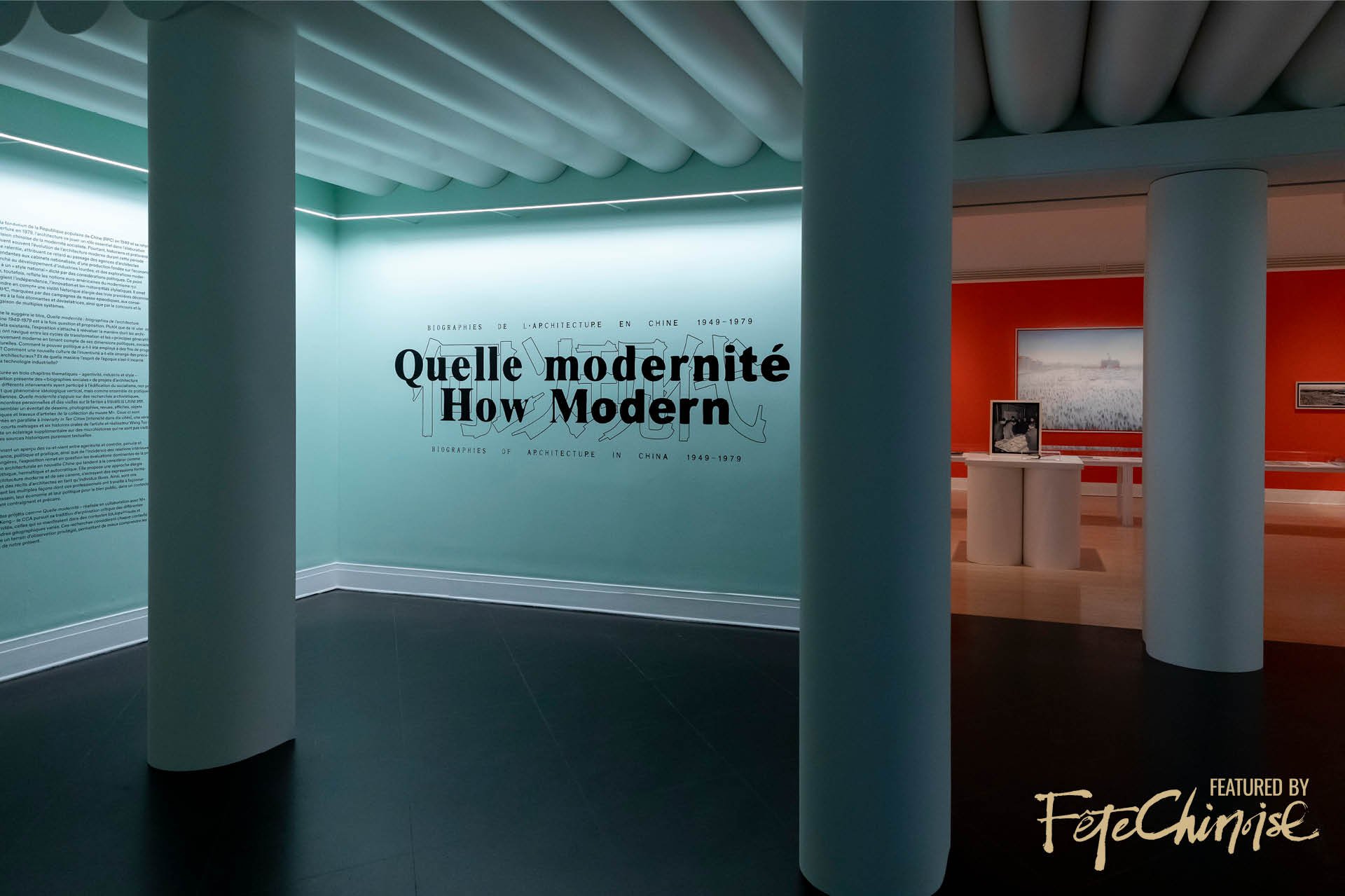
How Modern: Biographies of Architecture in China 1949–1979 exhibition view, CCA, 2025. Sandra Larochelle Photographe.
At the Canadian Centre for Architecture in Montreal, the exhibition How Modern: Biographies of Architecture in China 1949–1979 invites visitors into a world where buildings constructed from brick, bamboo, steel, and stone quietly carry the layered histories of a period often overlooked in architectural discourse. Curated by Shirley Surya of M+ in Hong Kong, in collaboration with Li Hua of Southeast University in Nanjing, the project reframes the story of modernism during the first three decades of the People’s Republic of China, a period too often dismissed as ideologically rigid or aesthetically uniform.
Rethinking Modernism
“Lacking an understanding of this period of history is like a person missing a memory.”
“This is a period of history that is still alive,” Li reflects. “Lacking an understanding of this period of history is like a person missing a memory. It affects how we situate ourselves in the present and how we perceive the current state of architecture in China.” For Surya, the project is also deeply personal. Growing up hearing her mother’s stories of youth in Hangzhou during the 1960s, she learned that the era was neither entirely black nor white; its architecture, like its lived experience, could not be reduced to simple ideological formulas.
Most historians and architects have long assumed that modern architecture did not exist in Mao-era China. Surya identifies three common reasons for this misconception: the nationalisation of architecture curtailed architects’ autonomy; a focus on heavy industry supposedly led to lower-quality design; and the emphasis on “national style” and socialist content disrupted modern architectural development. The exhibition challenges each of these assumptions, revealing a more nuanced reality.
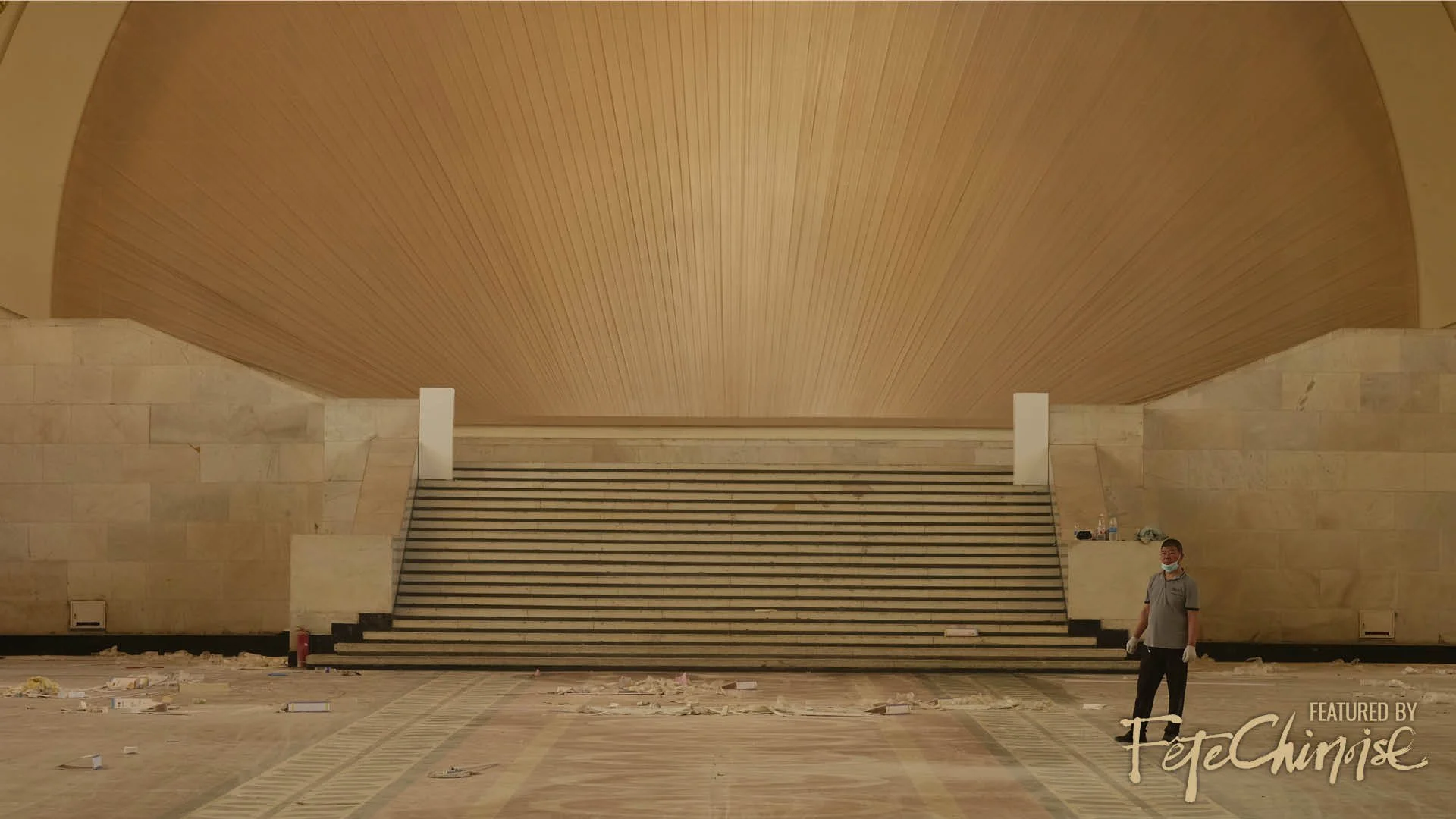
Former Sino-Soviet Friendship Building, Shanghai (1955), Still from Intensity in Ten Cities (2025), a film by Wang Tuo commissioned by the CCA and M+, Hong Kong, 2025. CCA Collection © Wang Tuo
Agency Within Constraints
While political and economic forces exerted considerable influence, Li notes, “they did not render architects or architecture powerless.” Surya refers to projects such as Huagang Guanyu Park in Hangzhou (1955) and the Baiyun Mountain Villa Hotel in Guangzhou (early 1960s). Sun Xiaoxiang’s design for the park combined traditional garden strategies 取景 with subtle Japanese and English references, creating a public space that balanced sensitivity with functionality rather than rigid Soviet model. The Baiyun Mountain Villa Hotel, by Mo Bozhi and his team, demonstrates a similar approach: it respected local topography, subtropical climate, and greenery, while incorporating the porous indoor-outdoor spatiality of southern Chinese garden-villas. These examples illustrate how architects exercised agency within constraints, blending personal and local vision with state directives.
Creativity and adaptive ingenuity flourished even amid resource scarcity; architects optimised limited materials and technologies. As Li explains, in the shortage of steel and cement, bricks and bamboo became key tools for constructing large-span spaces and maintaining structural and aesthetic ambition. The exhibition highlights these adaptive strategies through archival drawings, models, and objects of daily life, from furniture to household items, demonstrating how design extended beyond buildings into the lived environment.
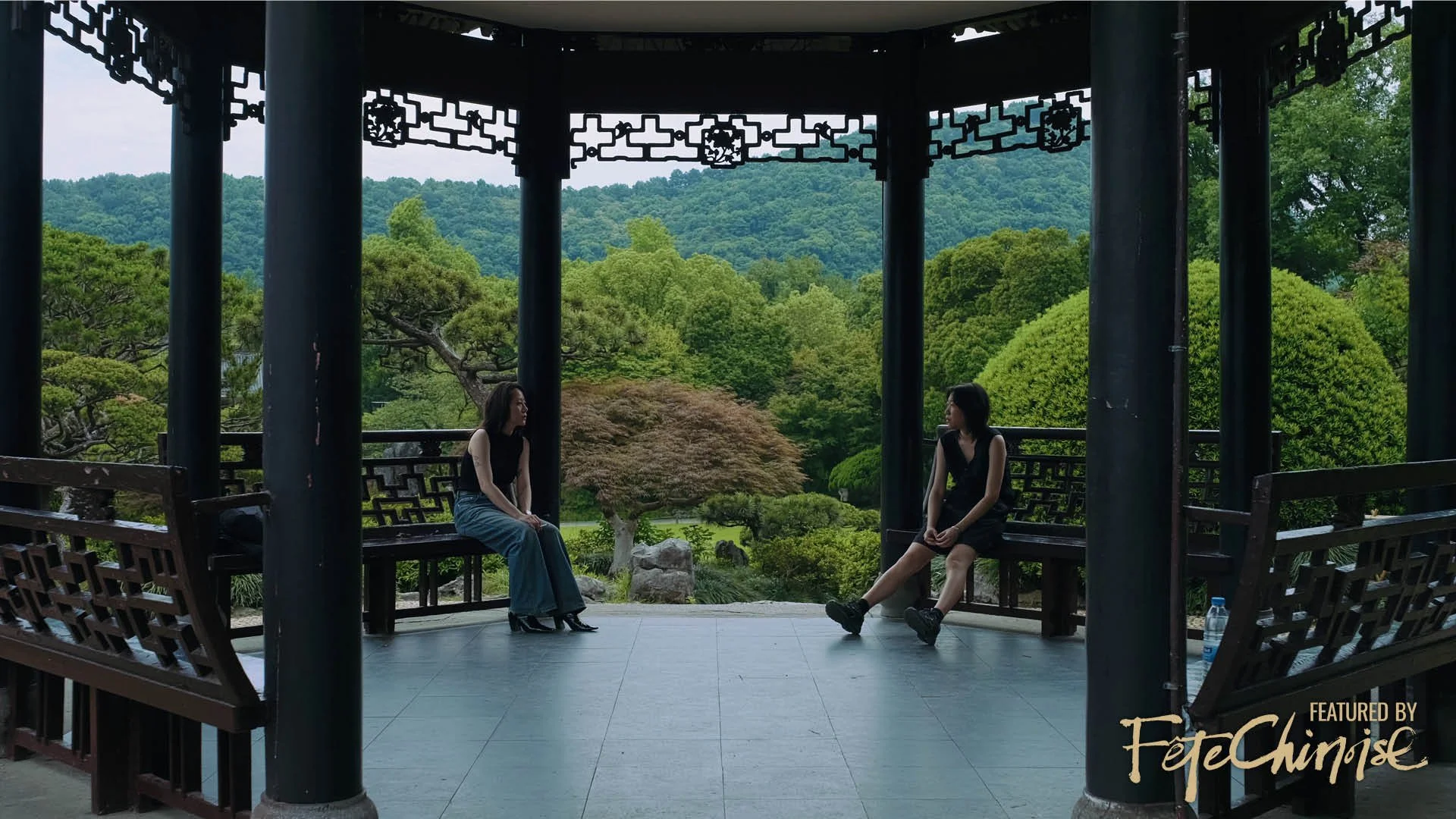
Huagang Guanyu Park, Hangzhou (1955) Still from Intensity in Ten Cities (2025), a film by Wang Tuo commissioned by the CCA and M+, Hong Kong, 2025. CCA Collection © Wang Tuo
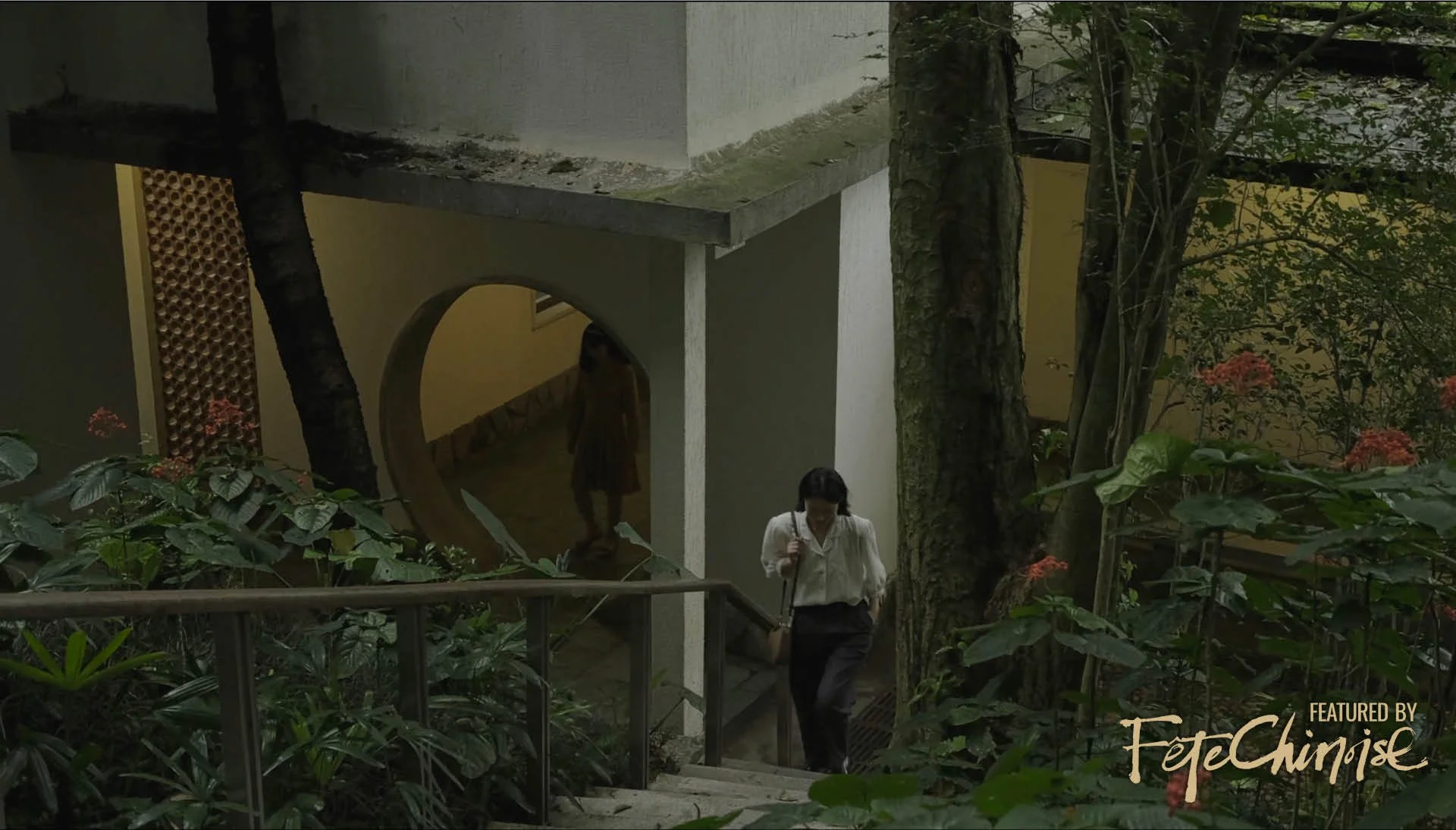
Baiyun Mountain Villa Hotel, Guangzhou (1965) Still from Intensity in Ten Cities (2025), a film by Wang Tuo commissioned by the CCA and M+, Hong Kong, 2025. CCA Collection © Wang Tuo
Even within such a rapidly changing period, modernism was far from halted. Instead, architects engaged with local traditions, political intent, and technological innovation to create works that reflected both the spirit of the era and modernist ideals. Subtle reinterpretations of vernacular forms, seen in projects like the Mountain Villa Hotel and the Reed Flute Cave Waterfront Pavilion in Guilin, reveal that what is often perceived as uniform or ideologically driven architecture can, in fact, embody nuance, sophistication, and a deep sense of cultural continuity.
“‘Modern’ is not just about a manifestation of particular forms – transparency, flat roof, glass and steel. It encompasses an aspiration to exercise a political will, human agency, and the mobilisation of resources for the wider good, even under pressing social-political constraints. ”
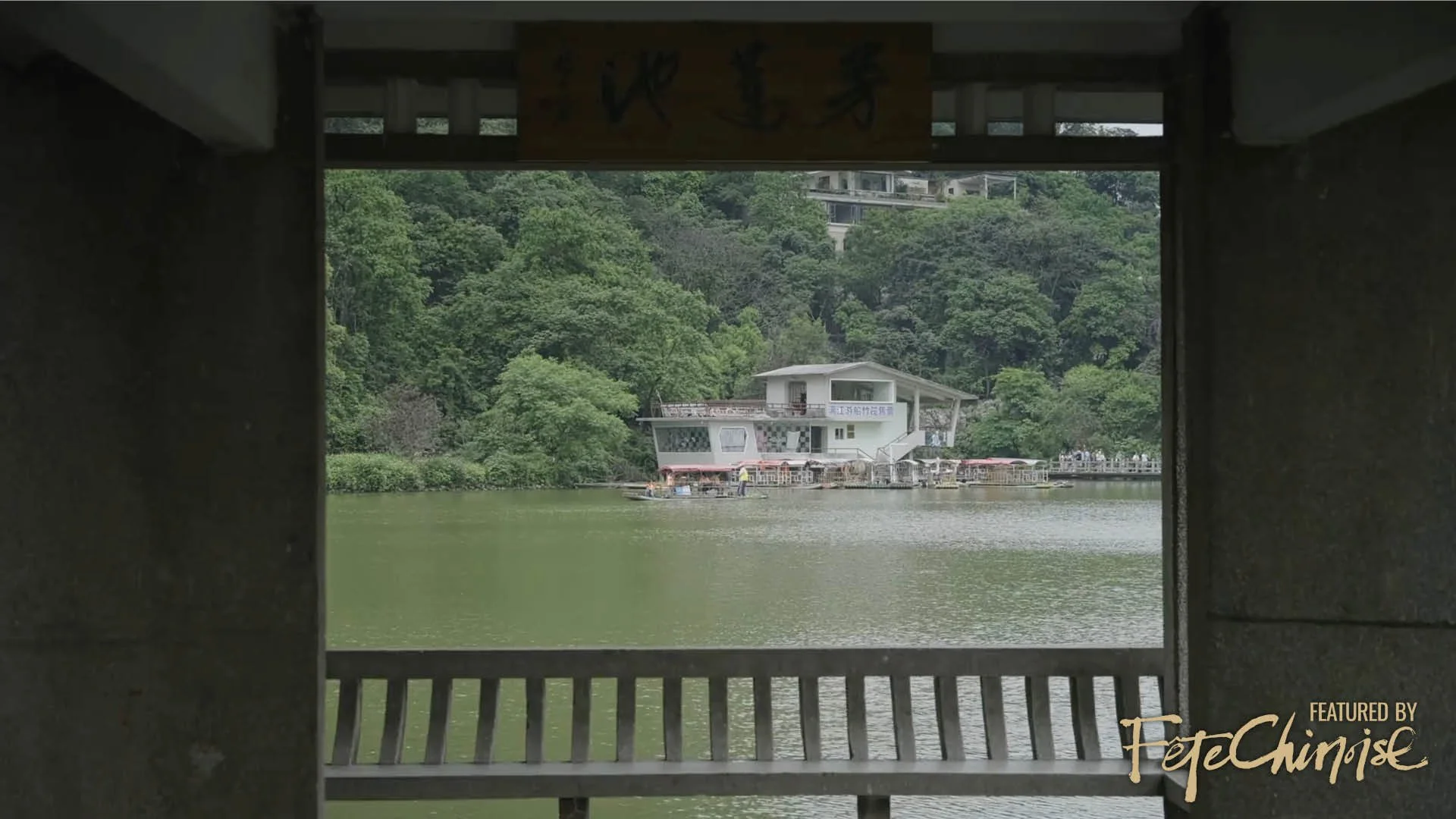
Reed Flute Cave, Guilin (1975) Still from Intensity in Ten Cities (2025), a film by Wang Tuo commissioned by the CCA and M+, Hong Kong, 2025. CCA Collection © Wang Tuo
Exhibition as a Dialogue of Memory and Research
Brought to life through collaboration between M+ and the Canadian Centre for Architecture, the exhibition unfolds as a dialogue between research, memory, and curatorial imagination. Research into this era is often fragmented: some archives are inaccessible, some were never properly recorded, and others have been lost. Understanding architecture from 1949–1979 therefore involves piecing together these fragments, using case studies and thematic questions to reveal the inventiveness, resilience, and subtlety of architects working under constraint.
M+ contributes its extensive collections, thematic framework, and long-standing inquiry into visual culture in Asia, while the CCA provides a platform to expand these perspectives within a global architectural discourse. Presenting an exhibition on Chinese architecture in Canada, the curatorial team adopts an engaging and refreshing approach to storytelling and visual design, exemplified by Johnston Marklee’s design of the robot-like stand for the oral history windows.
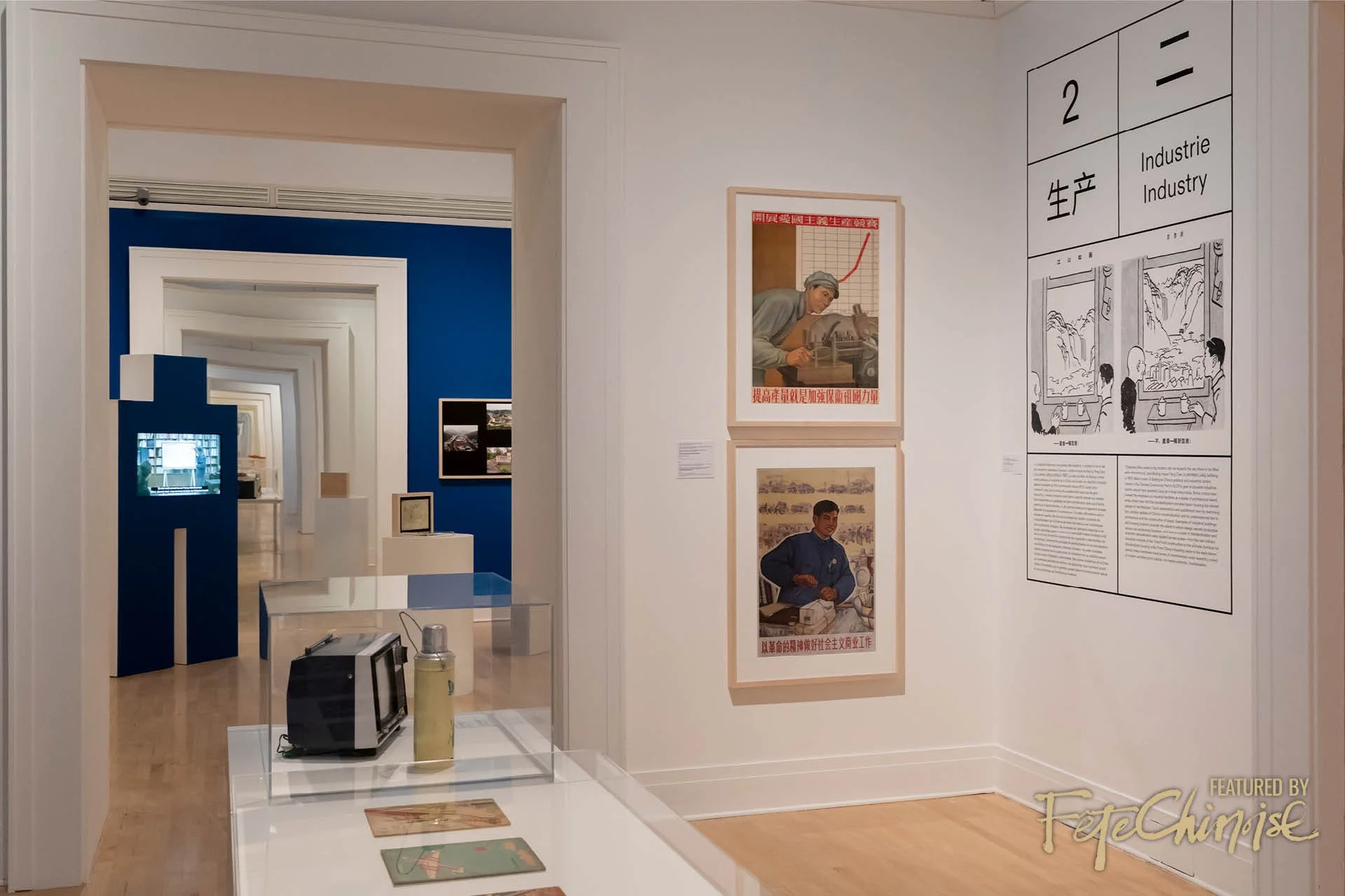
How Modern: Biographies of Architecture in China 1949–1979 exhibition view, CCA, 2025. Sandra Larochelle Photographe.
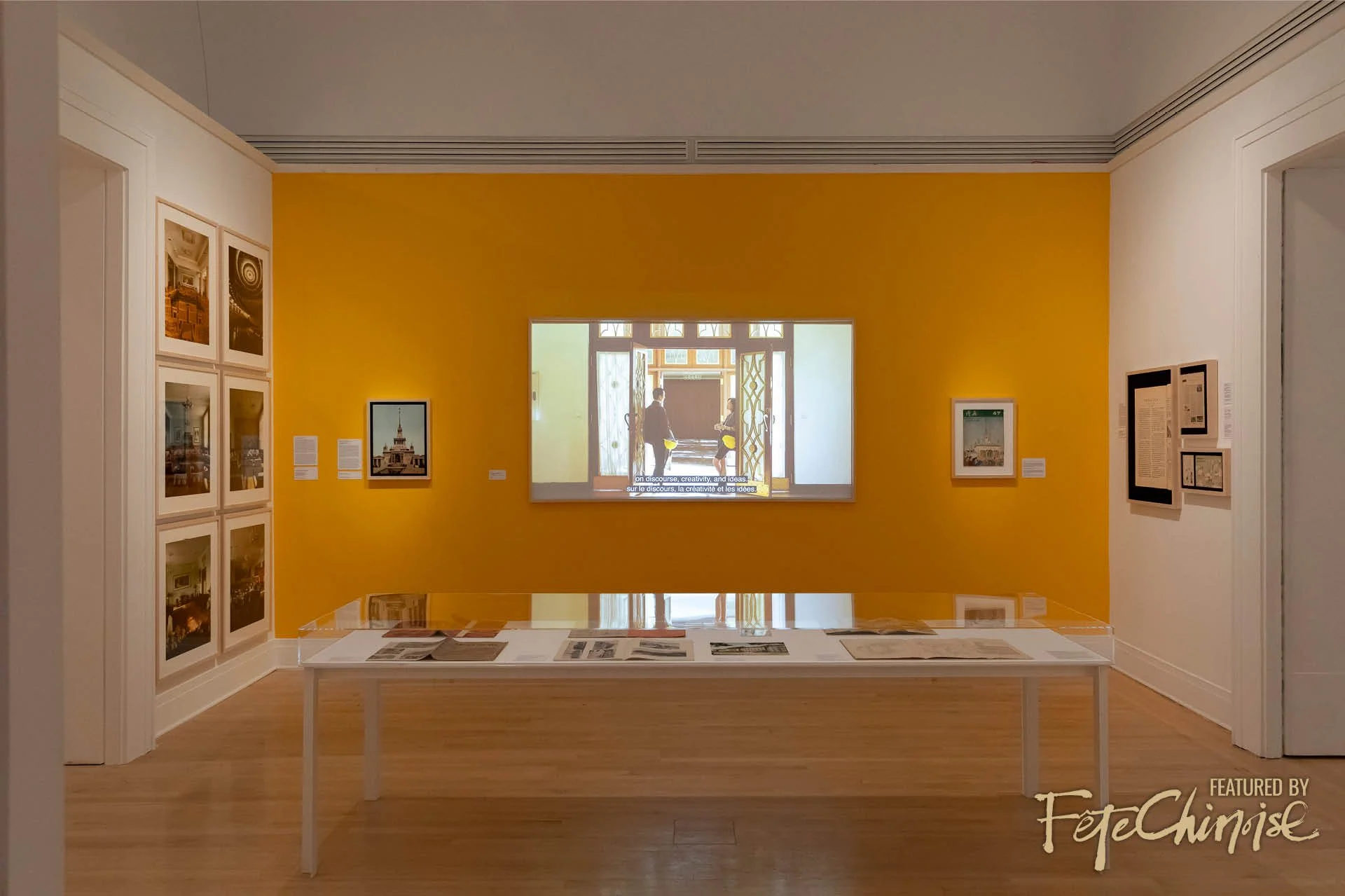
How Modern: Biographies of Architecture in China 1949–1979 exhibition view, CCA, 2025. Sandra Larochelle Photographe.
Surya initially envisioned commissioning Beijing-based artist Wang Tuo to create photographic documentation of key architectural sites; the CCA curators, especially Francesco Garutti, further expanded this idea into a filmic medium, offering more intimate views into not only the design of these spaces, but also their inhabitation. Wang Tuo, in turn, developed a narrative thread that connects these sites, weaving together layered histories. The result is a multi-layered effort—blending fact and fiction—that moves beyond static representation to capture the lived realities of architecture, revealing its memory, emotion, and enduring resonance.
Across three thematic sections—Agency, Industry, and Style—visitors navigate the exhibition through a carefully curated mix of archival materials, including architectural drawings, periodicals like Jianzhu Xuebao, and everyday objects, alongside Wang Tuo’s films. The design integrates details such as Alan Woo’s incorporation of the Manhua political cartoon illustrations within each of the three chapter titles, enhancing the thematic resonance of the sections. These diverse sources illuminate modernism as a dynamic and adaptive practice, shaped by social, political, and material forces.
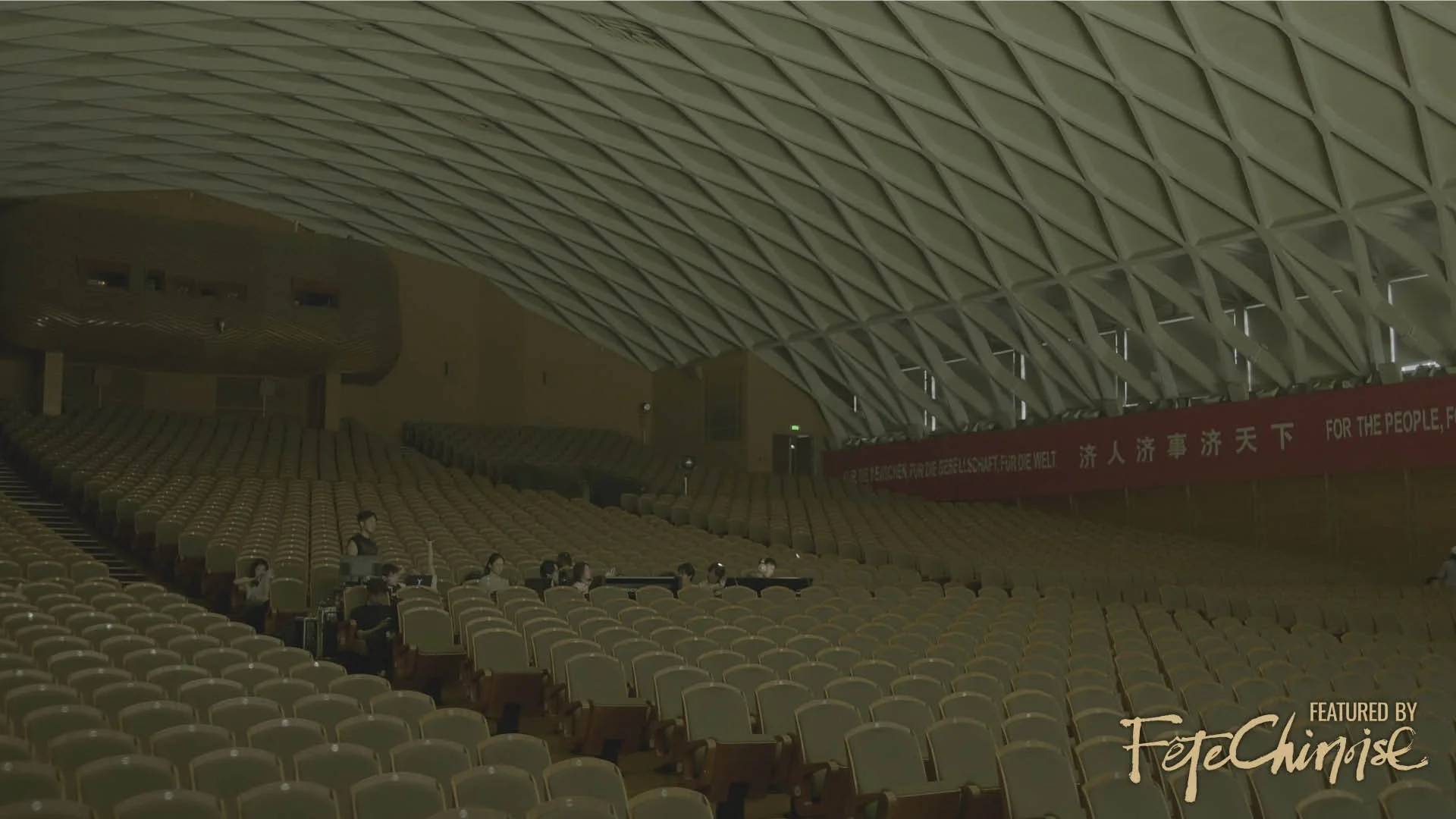
Tongji University Auditorium, Shanghai (1962) Still from Intensity in Ten Cities (2025), a film by Wang Tuo commissioned by the CCA and M+, Hong Kong, 2025. CCA Collection © Wang Tuo
Architecture as a Living Archive
Ultimately, How Modern provokes reflection on how art and architecture respond to constraints. It reminds us that architecture is a responsive and adaptive practice shaped by human agency. These buildings, and the stories behind them, form a living archive—one that invites us to look beyond rigid assumptions and instead understand the undercurrents that shape the built environment. In doing so, the exhibition makes the reading of architecture far nuanced, and far more human.
“How Modern: Biographies of Architecture in China 1949–1979” is currently on view at the Canadian Centre for Architecture (CCA) until April 5, 2026.
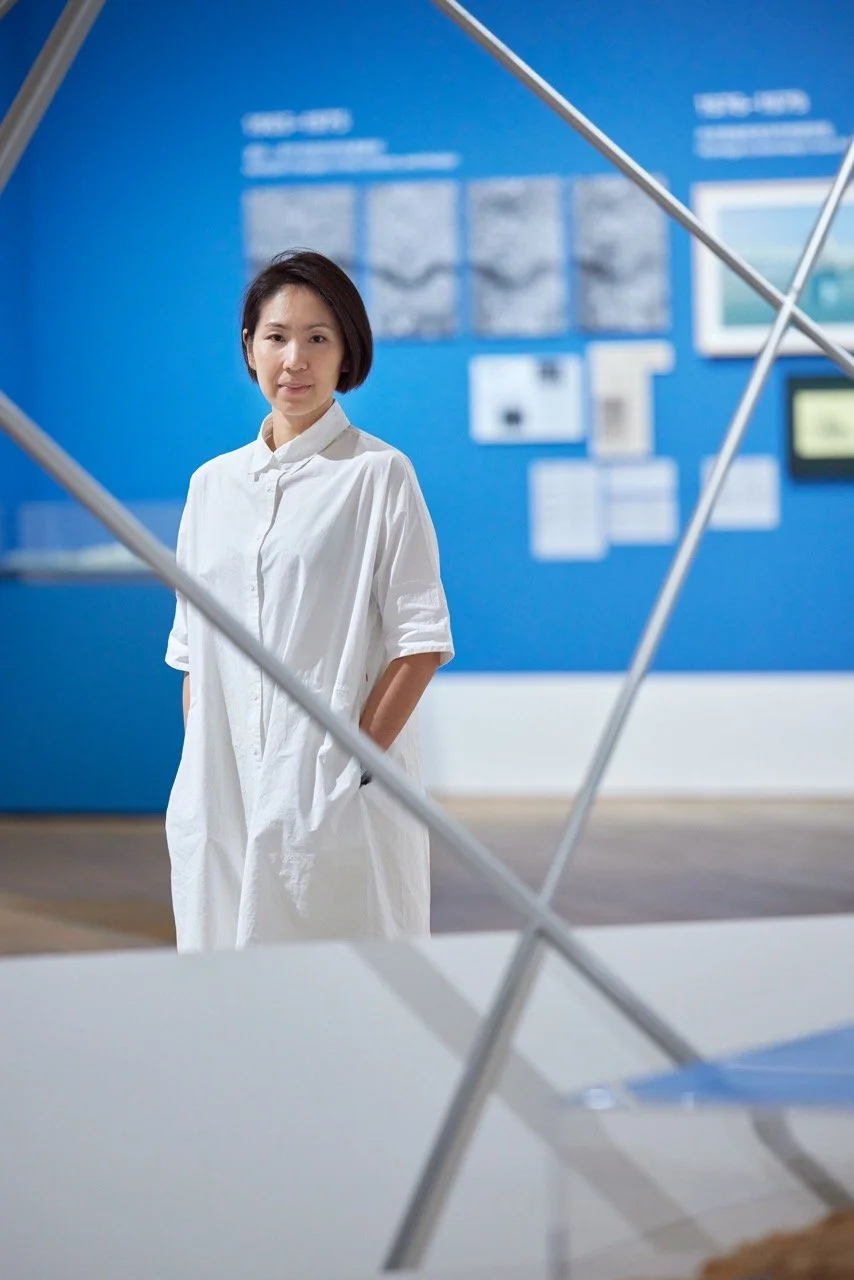
Shirley Surya, Curator, Design and Architecture, M+. Photo: Dan Leung. Courtesy of M+, Hong Kong.
Shirley Surya is a writer, historian, and curator. Since 2012, she has been a curator at M+, contributing to its collections and exhibitions through her research on plural modernities and interdisciplinary knowledge networks in design and architecture across Asia. At M+, she co-curated exhibitions including I. M. Pei: Life Is Architecture (2024), which traveled to Power Station of Art (Shanghai) and Al Riwaq Gallery (Doha), M+’s opening exhibitions Things, Spaces, Interactions (2021) and Hong Kong: Here and Beyond (2021), as well as In Search of Southeast Asia Through the M+ Collections (2018). Outside M+, she made curatorial and editorial contributions to exhibitions including Incomplete Urbanism: Attempts of Critical Spatial Practice (2016) and Yung Ho Chang & FCJZ: Material-ism (2012), and publications including As Hardly Found: Art and Tropical Architecture (2025), Geoffrey Bawa: Drawing from the Archives (2023), EXPANSIONS: How will we live together? (2020), Encyclopedia of East Asian Design (2019), The Impossibility of Mapping (Urban Asia) (2018), Harvard Design Magazine, ARCH+, and e-flux Architecture.
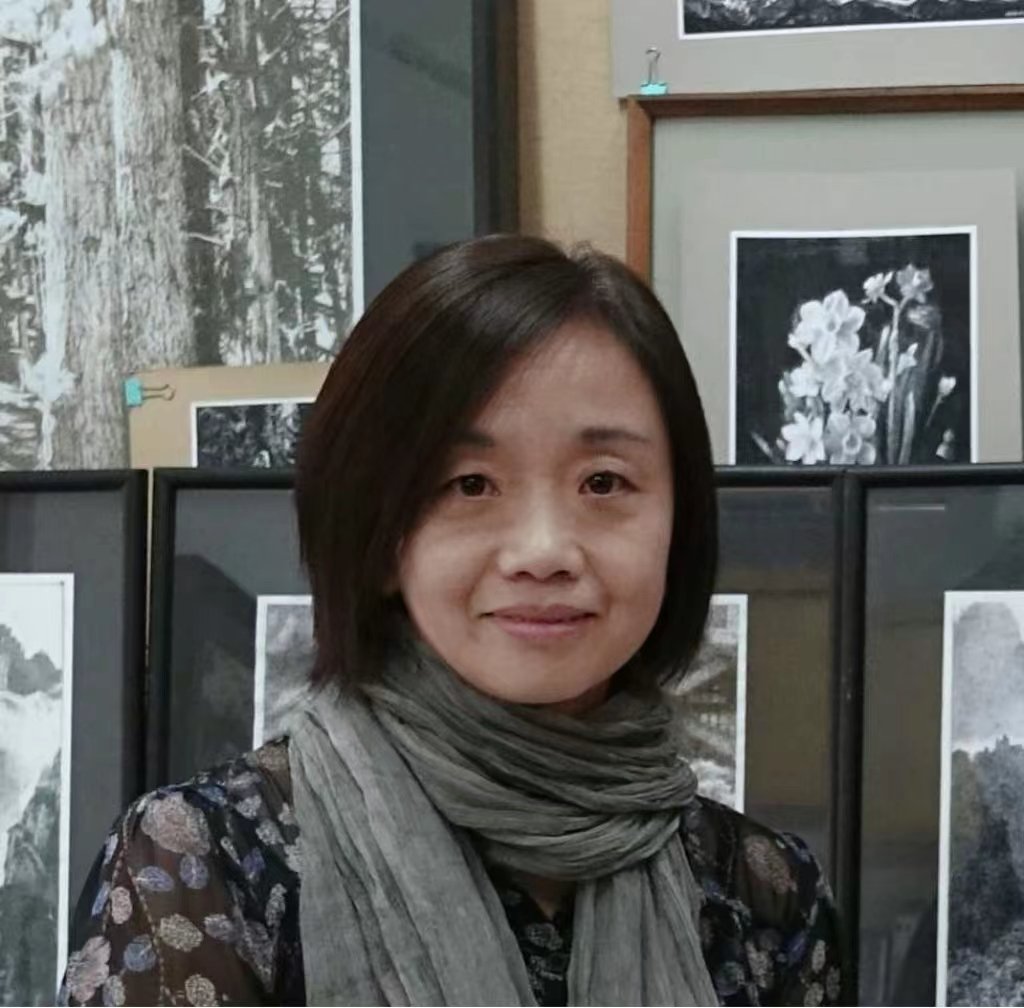
Li Hua, Professor, Architectural History and Theory at School of Architecture, Southeast University, Nanjing. Courtesy of Li Hua.
Hua LI is Professor of Architectural History and Theory at Southeast University School of Architecture in Nanjing. She received her professional education in architecture in China and earned her PhD from the Architectural Association School of Architecture (AA) in the UK. Her research interests focus on the relationship between architecture and modernity, especially the formation of architectural knowledge, as well as Chinese architecture as a modern practice since the 1950s. She has served as a co-coordinator and chair for the AS Forum of Contemporary Architectural Theory initiative (encompassing a series of book translations, international symposiums, and anthology publications) since 2010, and currently co-edited Routledge Handbook of Chinese Architecture (2023) and The Art of Remembering: Urban Memory, Architecture, and Agency in Contemporary China (2024). She was also the curator for the exhibition Building Contemporary China at RIBA (2023).
More from Fête Chiniose






How Modern: Biographies of Architecture in China 1949–1979 at the Canadian Centre for Architecture uncovers overlooked modernist architecture. Curator Shirley Surya and researcher Li Hua discuss how architects navigated political constraints, blended local traditions, and innovated with limited resources, creating human-centred designs that reveal nuance, memory, and the lived experience of Chinese architecture.