
Braden Chong: New Flavours in Chinese-Canadian Cuisine 第三代尋味•張一飛
ENGLISH 英 : Renée Tse • CHINESE 中 : 文禮
Location: Mimi Chinese
Art Direction: Deborah Lau-Yu
Photography: Tim Chin • Videography: Fête Chinoise Team
Fashion & Styling: Lisa Fang • MAKEUP & HAIR: Satine Yang
ACKNOWLEDGEMENT: Monica Narula
As Featured in Annual Book of Incredible People Edition No. 11: The next Chapter

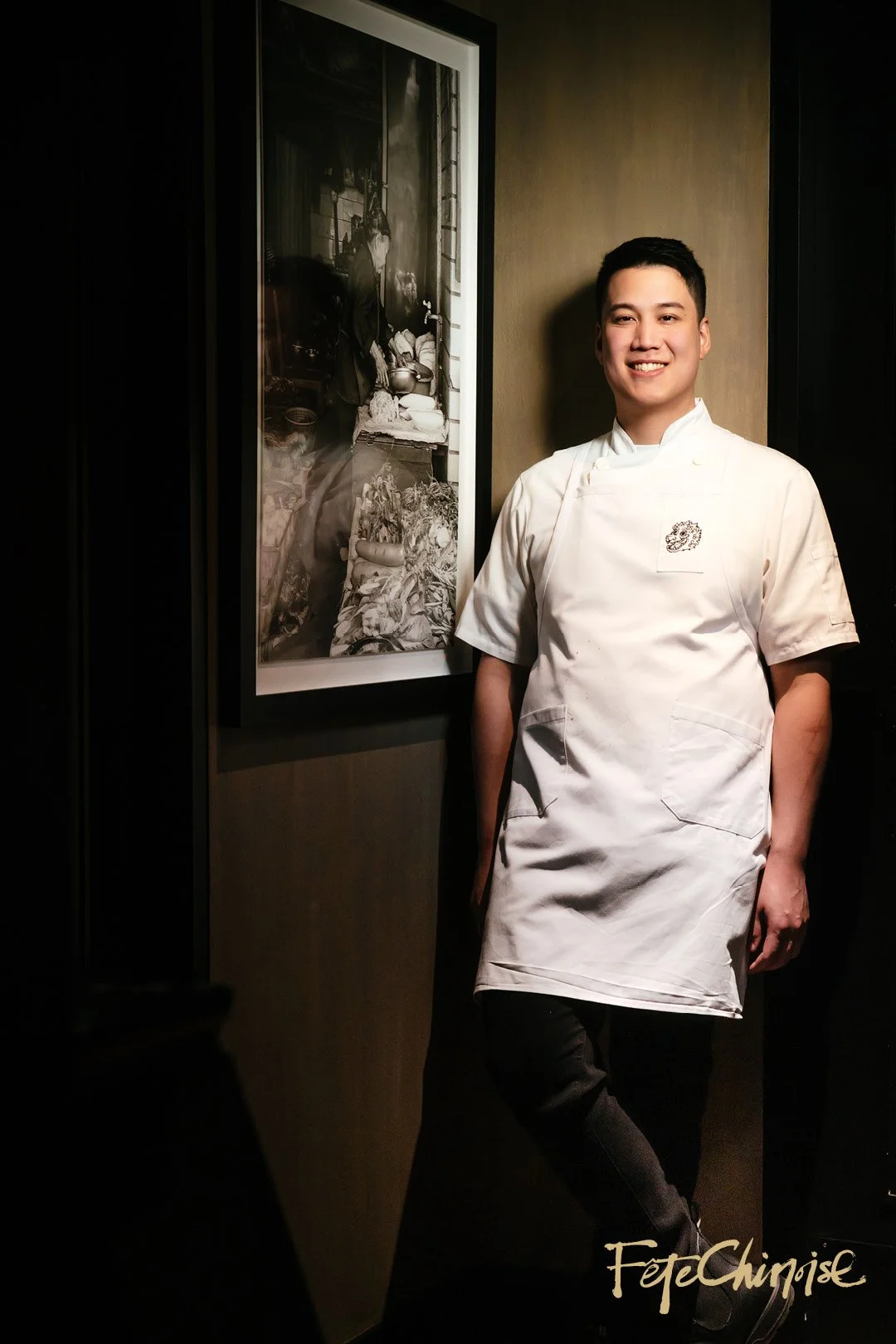
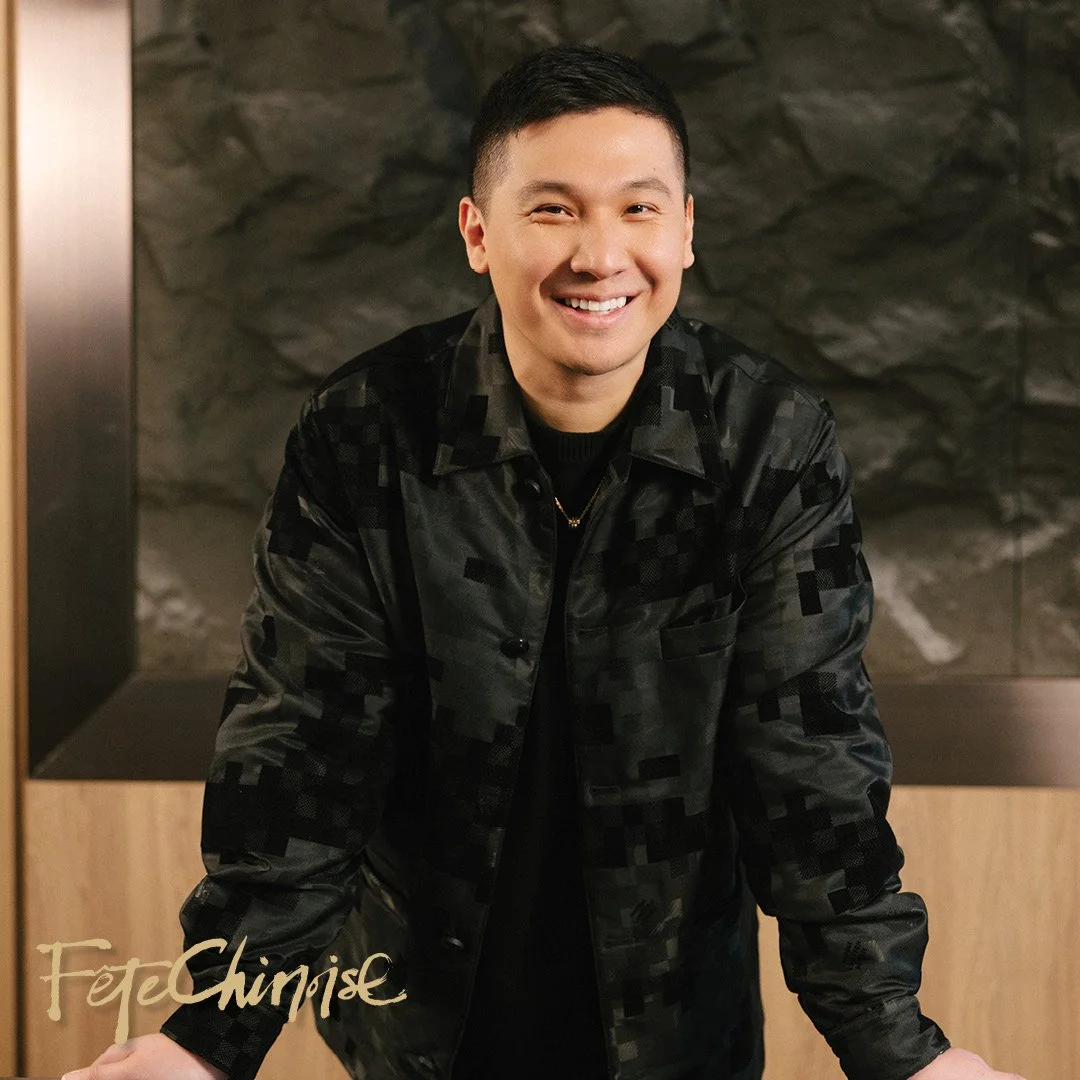
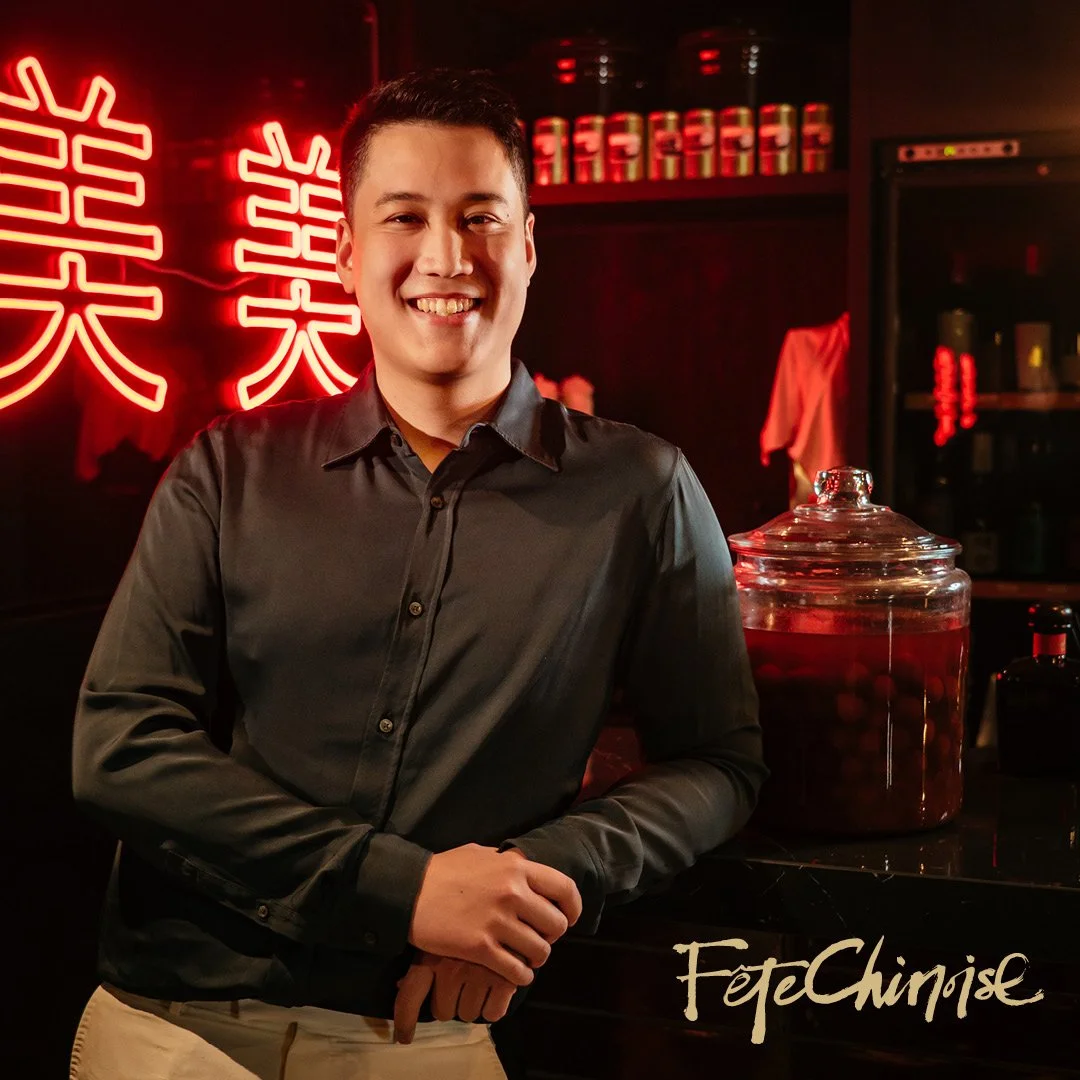
“Food was always at the centre of my family,” says Braden Chong, executive chef at Mimi Chinese and Sunnys Chinese, two acclaimed restaurants in Toronto. “I loved eating. I was curious about how it was cooked and why I liked it so much.”
Born in 1994, Chong grew up in a Chinese-Canadian household as the youngest of three brothers. His grandparents immigrated from the Guangzhou region to Canada in the 1950s, bringing with them the flavours and traditions of southern China.
At home, his mother cooked dinner every night – mainly Cantonese comfort food, but sometimes pasta, curry or tacos. “I was always in the kitchen with her after school, just trying to see what I could dip my fingers into,” he says. He remembers waiting for his father to come home so the family could eat together.
He didn’t grow up speaking Chinese, so food became his connection to his heritage. Weekend dim sum and his grandmother’s turnip cakes – now reimagined on Mimi’s menu – were family staples.
近年來,北美飲食界悄悄掀起了一場新的浪潮。這種不再單純將東西方食材拼湊,亦不再為混合料理而硬煮的 fusion 菜,被稱為「第三代文化料理」(Third-Culture Cooking)。
這場變革由第三代移民後裔推動成形。他們出生於美國與加拿大,成長於多元文化之中,在語言、身份與歸屬之間穿梭徘徊。年幼時對自身文化經歷迷惘、成長後逐漸明白、探索屬於自己的文化。食物不再只是飽腹,而是一條回家的路,一種追根逐源的體驗。
在多倫多,兩間新冒起的米芝蓮推介餐廳:Mimi Chinese 及 Sunnys Chinese,正正是第三代文化料理的推手。它們屢次入選Canadian's 100 Best Resturants,而這一切多得集團行政主廚 Braden Chong (張一飛)及他團隊對「食」與「文化」的全新詮釋。
“Thankfully, I didn’t have the same experience as other immigrants or first-generation kids,” he says of his school lunches. “None of my friends were grossed out when my mom packed dumplings in my Thermos. They were actually curious.”
Although Chong’s interest in cooking began early, he didn’t consider it a practical career. His brothers and extended family warned him about the long hours and demanding work. “I mentally prepared myself not to do it. I didn’t want to set myself up for a hard life if I didn’t have to.”
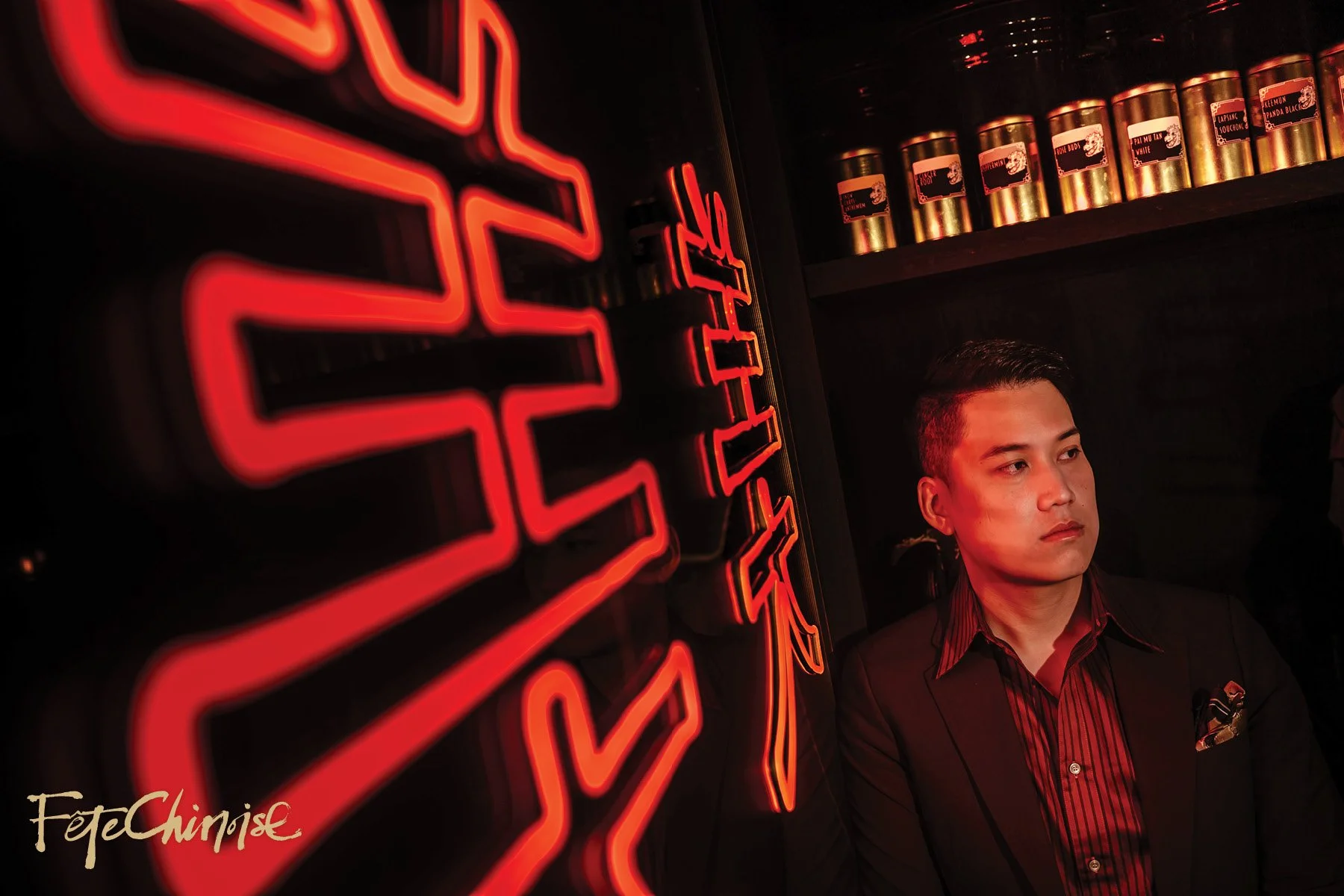
Dark Red blazer, Dark Red Striped Bennett Shirt, and Dark Red Trouser, TIGER OF SWEDEN.
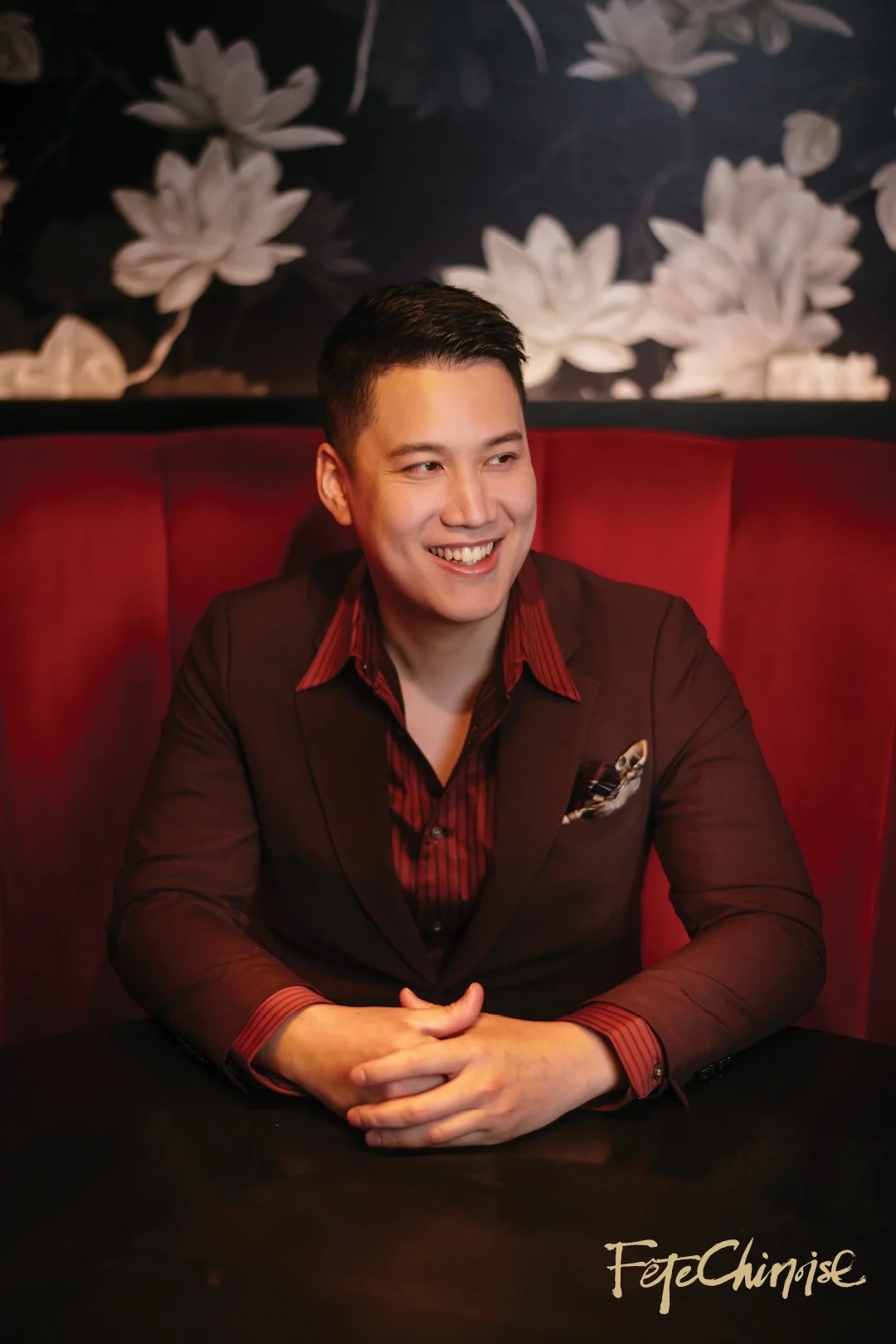
Dark Red blazer, Dark Red Striped Bennett Shirt, and Dark Red Trouser, TIGER OF SWEDEN.
He gave Toronto Metropolitan University (formerly Ryerson University) a try because it felt like the expected, safe choice. “In high school, the general consensus was: if you’re cool, you go to business school – or something like that,” he says. But he quickly realized it wasn’t the right fit. After talking with his parents, at twenty he enrolled at George Brown College for culinary training while working at Porchetta & Co., a Toronto sandwich shop.
“I ate there with my family once and was mind-blown. I credit owner Nick Auf der Mauer as one of many influences on my career. With no cooking experience, he took a chance on me,” Chong says.
The job was gruelling and fast-paced, but changed everything. “The kitchens I worked in gave me the chance to apply myself, and for the first time, I felt like I was getting better at something.”
從被動到主動尋味
「我爸爸愛吃美食,但從不認同花錢在餐廳吃『花巧』的菜式,」Braden 坦言,「對他來說,食物是為糊口。但對我來說,食物是一種生活態度,一種文化表達。」
Braden 出生於多倫多,在怡陶碧谷長大,母親掌廚的晚餐多以廣東家常菜為主 ,有時也會做義大利麵、咖哩或墨西哥捲餅。小時候,他探望住在北約克的祖父母,經常會到附近列治文山、萬錦或士嘉堡的中餐館用餐。那時候的他並不特別在意那些飲茶的記憶,直到成年後成為廚師,他才驚覺,這些回憶其實蘊藏着深厚的文化連結。
這樣的故事於第三代華人並不罕見:從小生活在西方文化裡,直到成長後才逐漸明白、珍惜自身家族的文化點滴。
In 2019, while working in Japan, Chong’s longtime friend and fellow chef David Schwartz reached out with an idea: to open a Chinese restaurant together back home.
“It was never my intention to be a Chinese chef,” Chong says. “When you’re young in North America, you’re told fine dining means French or Italian. Here, Chinese food is known as cheap, at least within my friend group. We went for Chinese food because it was more accessible.”
Schwartz, whose travels across Asia sparked a deep appreciation for the cultural origins of many beloved dishes, came to recognize the profound influence of Chinese cuisine. That journey ultimately inspired his focus on Chinese culinary traditions and the opening of Mimi Chinese—helping Chong see Chinese food beyond the Cantonese dishes he grew up with.
“A big part of our mission was not to redefine Chinese food, but to represent it – sometimes through traditional dishes, other times through something new that still evokes a memory or a flavour,” Chong says. “Our goal is to open people’s minds about what Chinese food is and show how diverse it can be.”
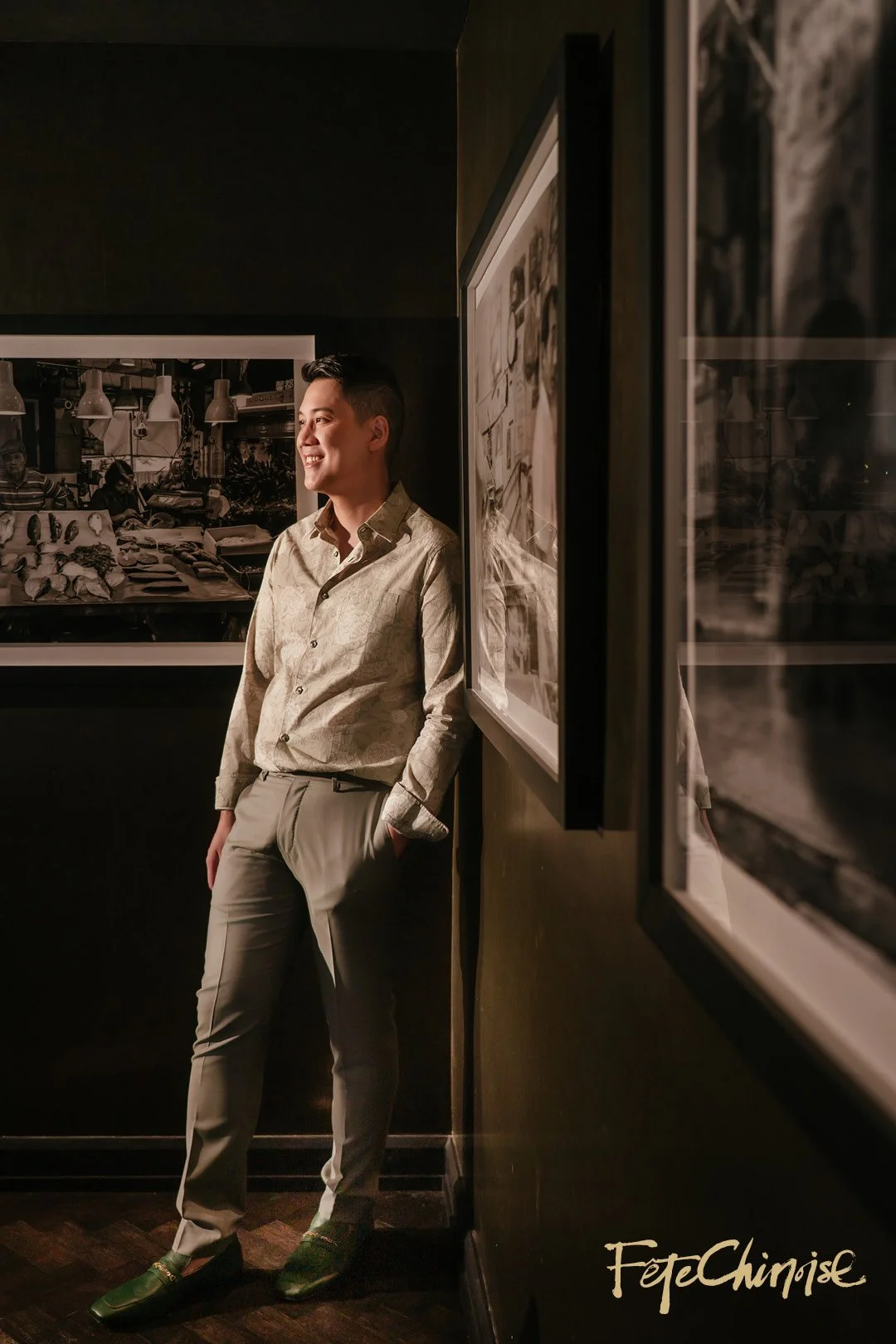
Bennett Linen Print Shirt and Tenuta Slim Fit Wool Trousers in Green, TIGER OF SWEDEN. MJ Moc chain-embellished leather loafers in Green, CHRISTIAN LOUBOUTIN.
用食物打破「隔代」距離
「蒸,是我童年接觸中國菜的第一個畫面。」Braden 分享道,「小時候,祖母會親手磨米、刨蘿蔔做蘿蔔糕。蒸煮蘿蔔糕的香氣,到今天仍讓我覺得窩心。」
Braden 早年專攻法式與歐洲料理,職涯以西餐為主。直到他赴東京的米芝蓮餐廳 Sazenka 工作,改變了他對中菜的看法。加上人生路不熟、語言不通等文化隔閡,讓他深切體會到祖父母當年移民的艱辛,反思有關文化身份的種種。
一次韓國之旅品嚐當地的麻婆豆腐,更讓 Braden 有了深刻體悟。「我當時想,一道經典不過的中國菜,也可以有粵式、加式、日式、韓式不同版本。那一刻我明白,菜式不必拘泥於『正宗』,靈活融入地方時令食材,能成就全新的演繹。」他說。
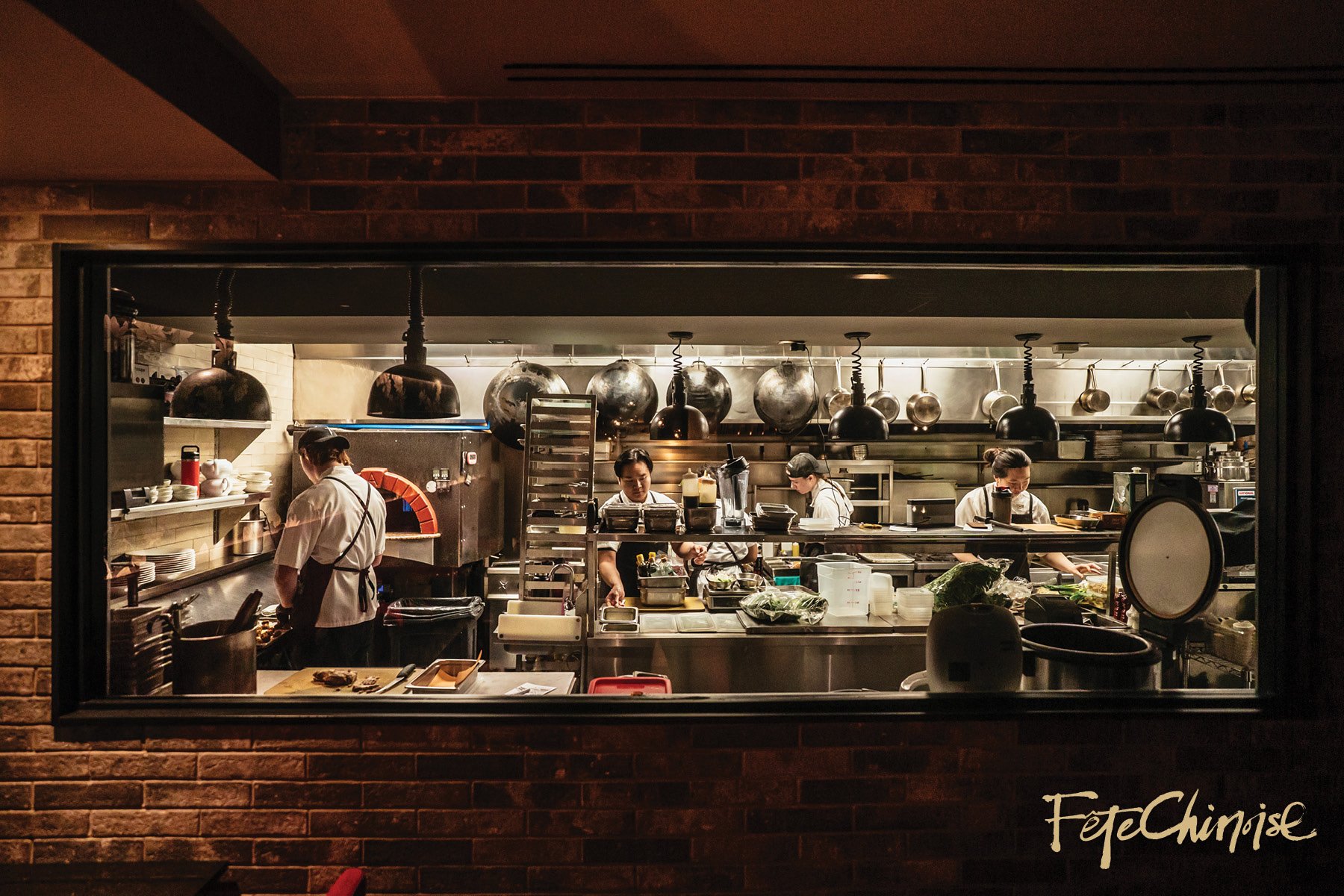
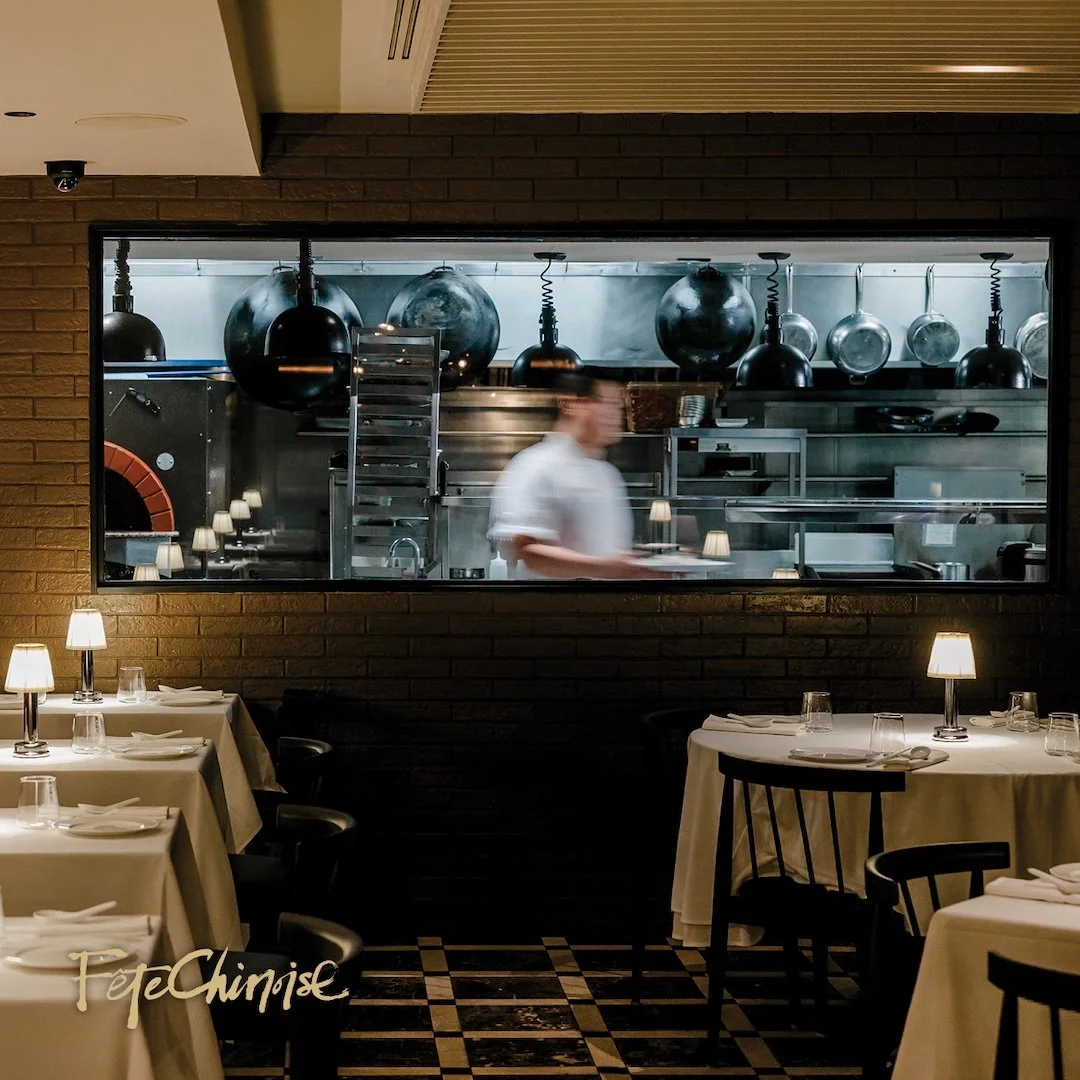
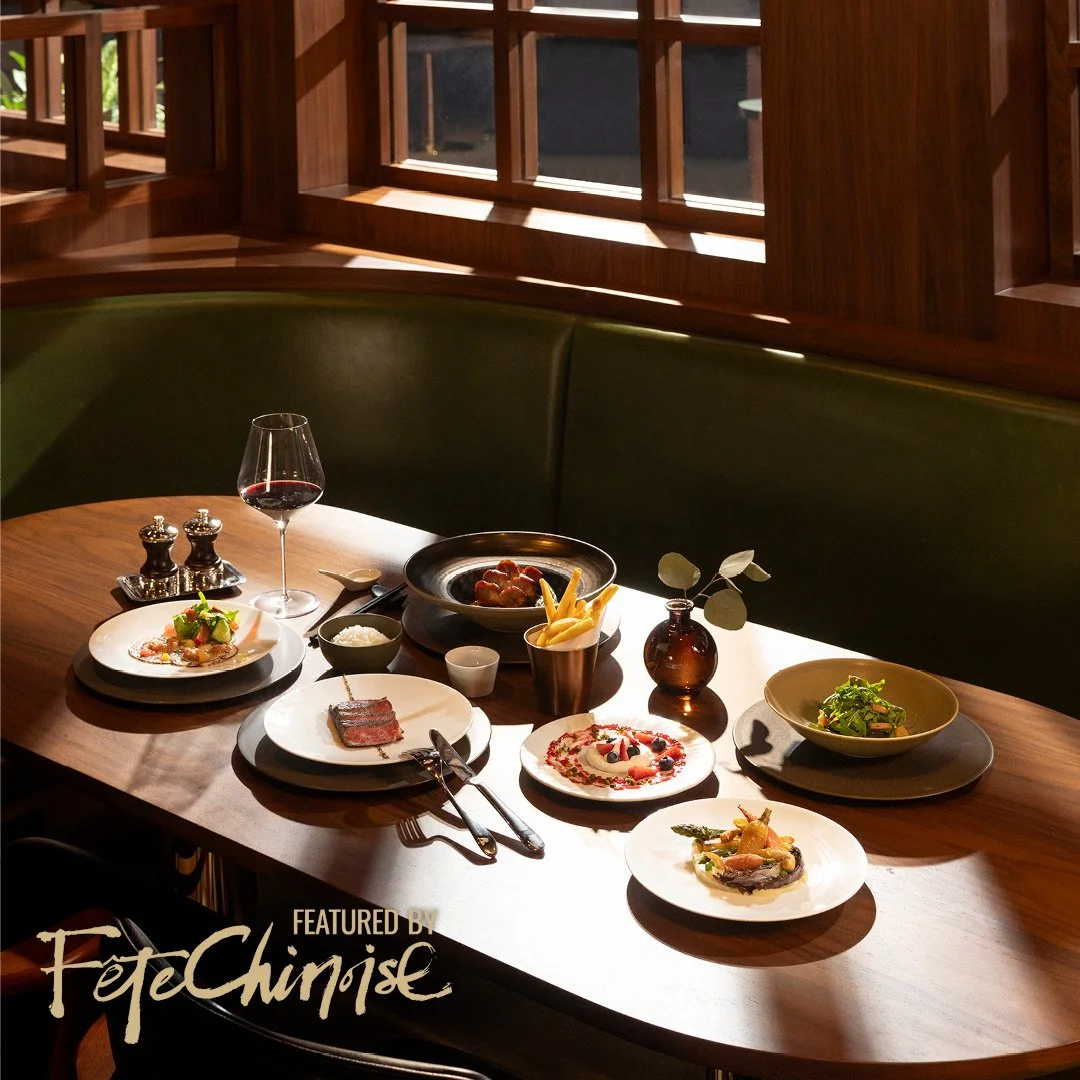
Mimi Chinese, on Davenport Road, and Sunnys Chinese, in Kensington Market, have become two of the city’s most talked-about restaurants, each earning a place in the Michelin Guide. Mimi features red banquettes and a tasting menu with refined takes on regional classics: shrimp toast, Chongqing-style crispy chicken and a four-foot belt noodle. Sunnys is more casual, serving stir-fried silver needle noodles, braised tripe and beef shank in chili oil and a take on Hong Kong French toast with black sesame jam and oolong tea condensed milk. Each restaurant has its own style, but both focus on celebrating the range of Chinese cuisine and creating something distinct.
“We’re aware of how diverse Chinese food is and are selective about what we serve,” Chong says. “Someone once asked why we don’t serve dim sum. I haven’t mastered dim sum. I’d only serve it if it was something I was proud of.”
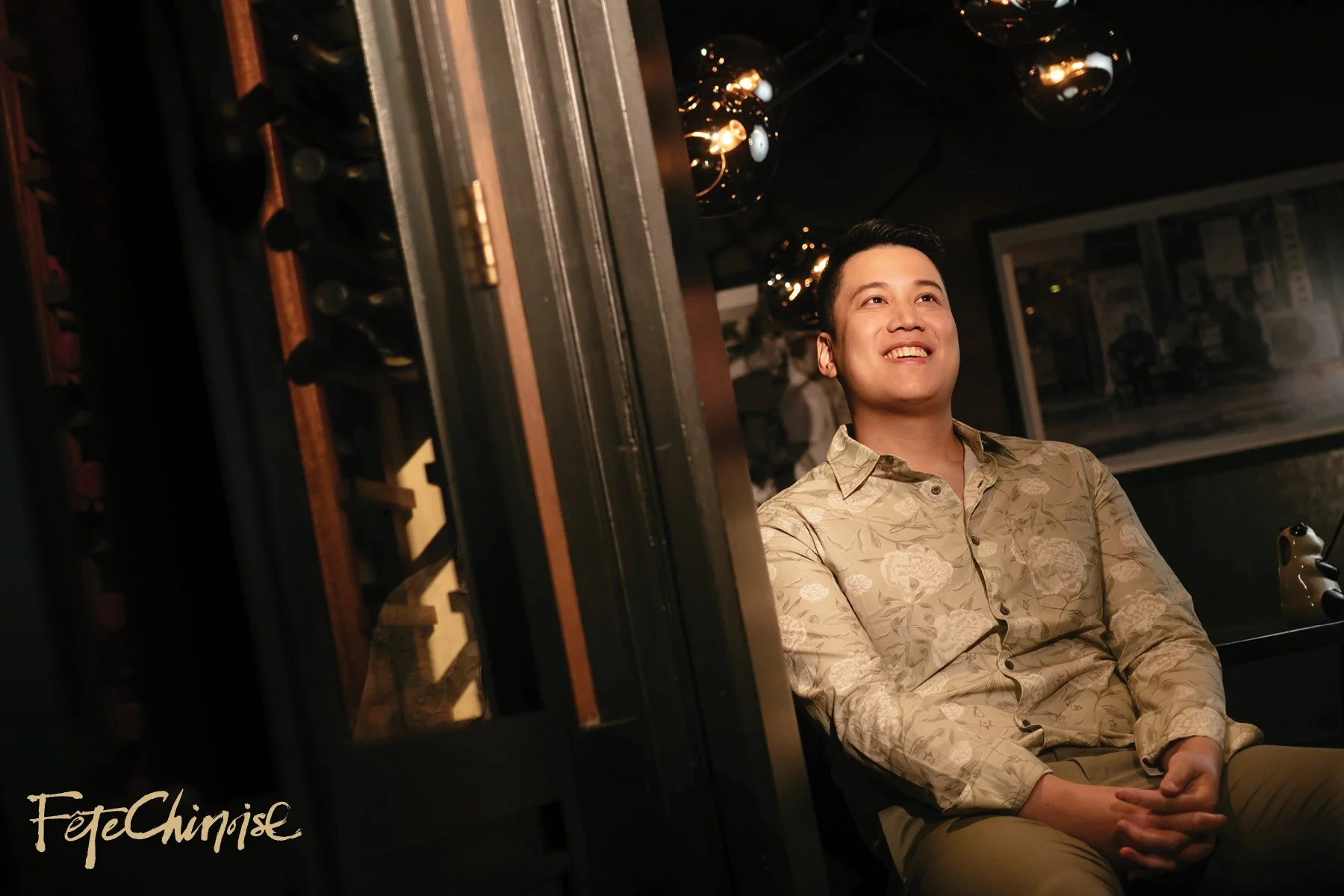
Bennett Linen Print Shirt and Tenuta Slim Fit Wool Trousers in Green, TIGER OF SWEDEN.
Some diners arrived expecting fusion dishes, but that was never the restaurant’s intention or aiming to offer fusion cuisine. When diners’ expectations aren’t met, they can be critical. The local food scene is known for tough reviews—especially from Chinese-Canadians. Online comments questioning whether the menu was “fusion enough” gave the team pause. Balancing creative integrity with diner expectations is a constant negotiation. “You want to make the food you love, but you also have to make food people want. If you serve something people don’t like, you’re not going to make money.”
重塑不是改良
第三代文化料理的精髓,從來不是改變傳統,而是用個人視角重新詮釋擁有四千多年歷史的中華飲食文化。Braden 認為:「中菜博大精深,我們做的,是把自己的歷程與文化感悟融入其中,讓食物變成一種有溫度的文化對話。」
不同於早年興起的 fusion 菜只著重形式上的東西交融,第三代文化料理則深入挖掘食材背後的歷史、地域和人情脈絡,講求味道與情感的雙重呼應,並以現代手法重新烹調,敘述背後的文化故事。
Mimi Chinese 與 Sunnys Chinese 的餐牌正好反映這套理念。每一道菜都標明來源地:從東北的爽辣、湖南的濃烈、四川的麻香,到廣東的清鮮淡雅,帶領食客展開一趟中國味覺之旅。「我們將菜單設計成一張味覺地圖,從『清爽生冷』起步,接著是『溫熱入味』,逐步引領食客展開一段風味旅程,遊走中國不同省份。像我們那道『薑蔥帶子薄切』,保留了廣東薑蔥蒸魚的靈魂,卻以革新的冷盤形式重新詮釋那熟悉味道。」Braden 解構如何向經典致敬,接通文化根源。
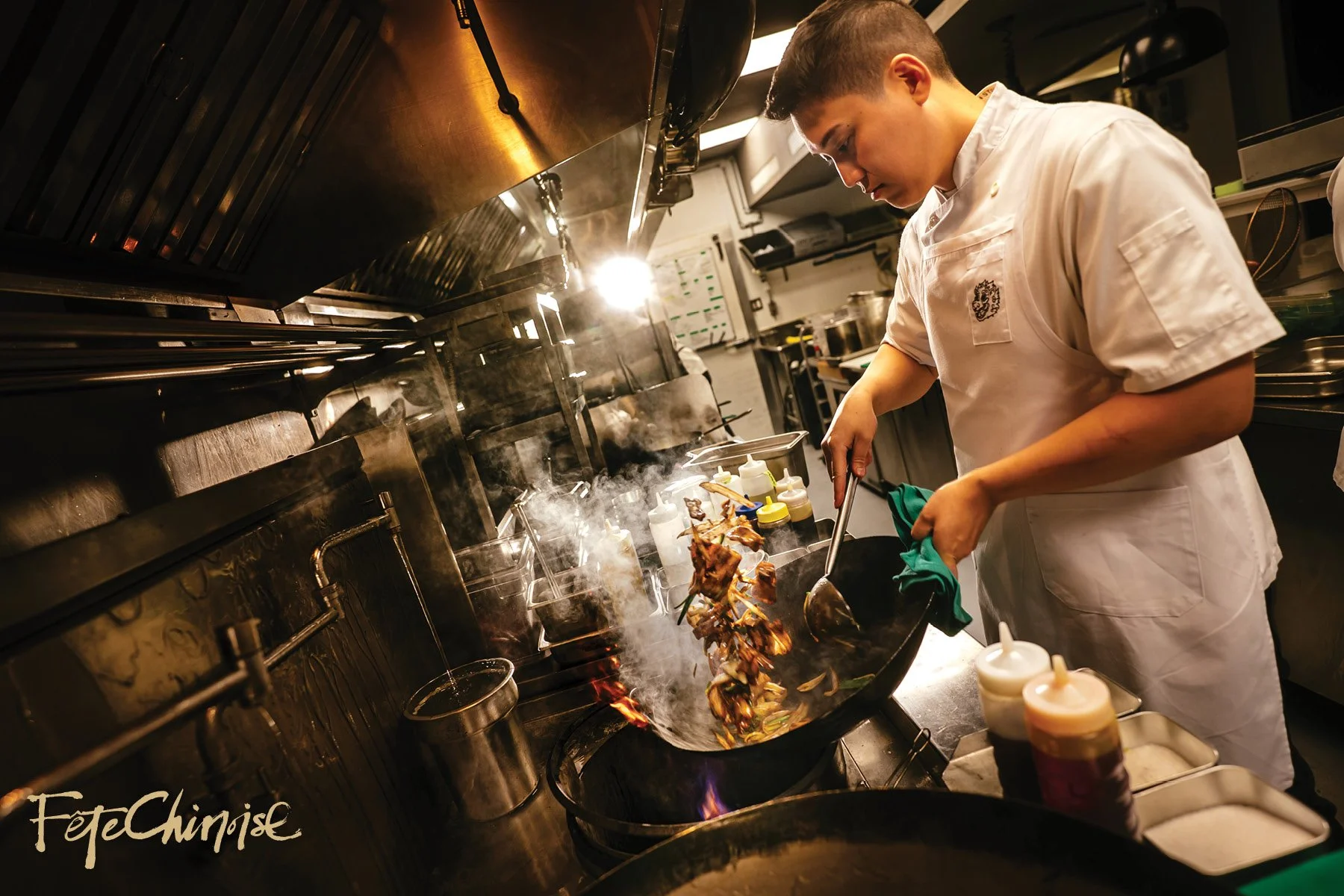
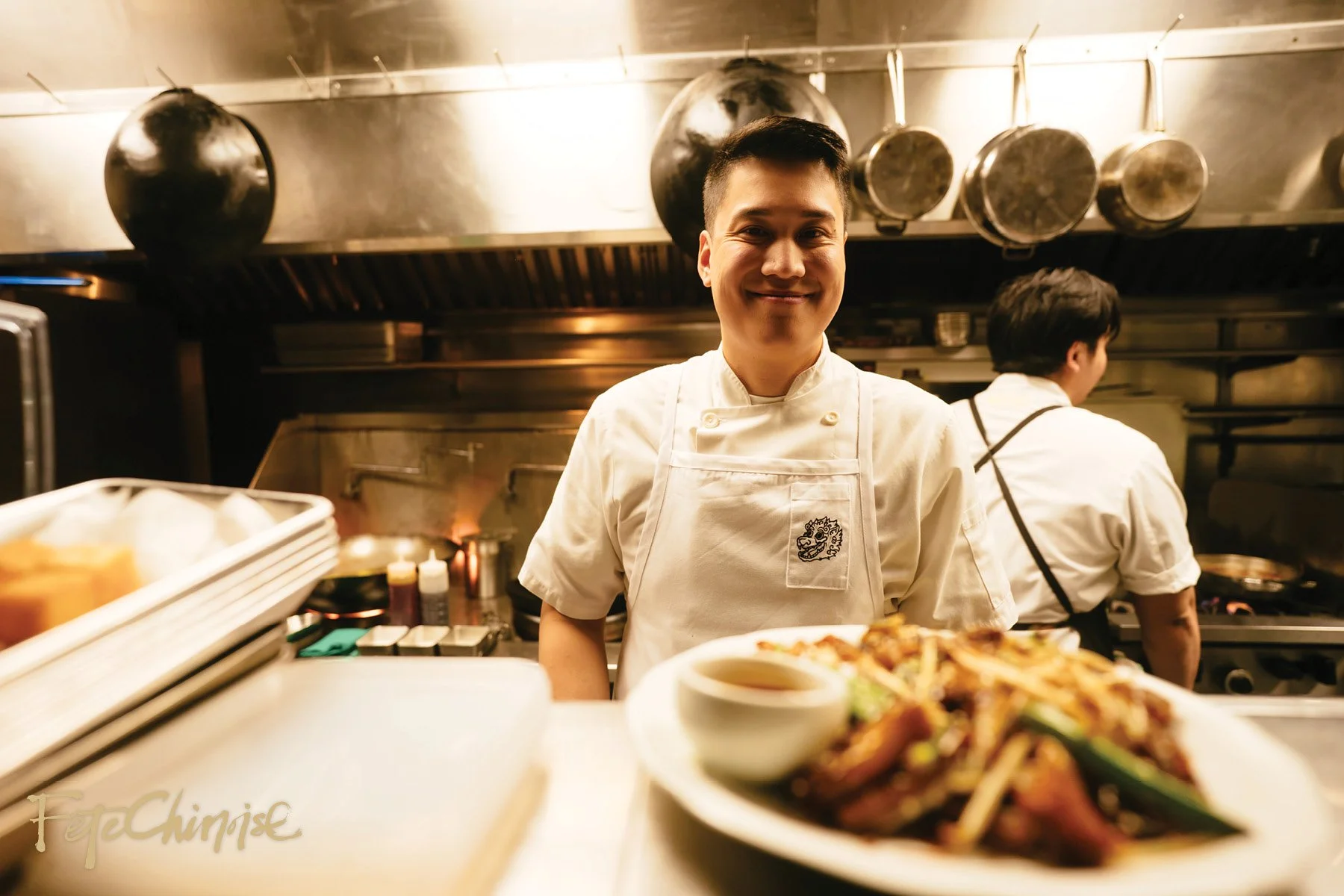
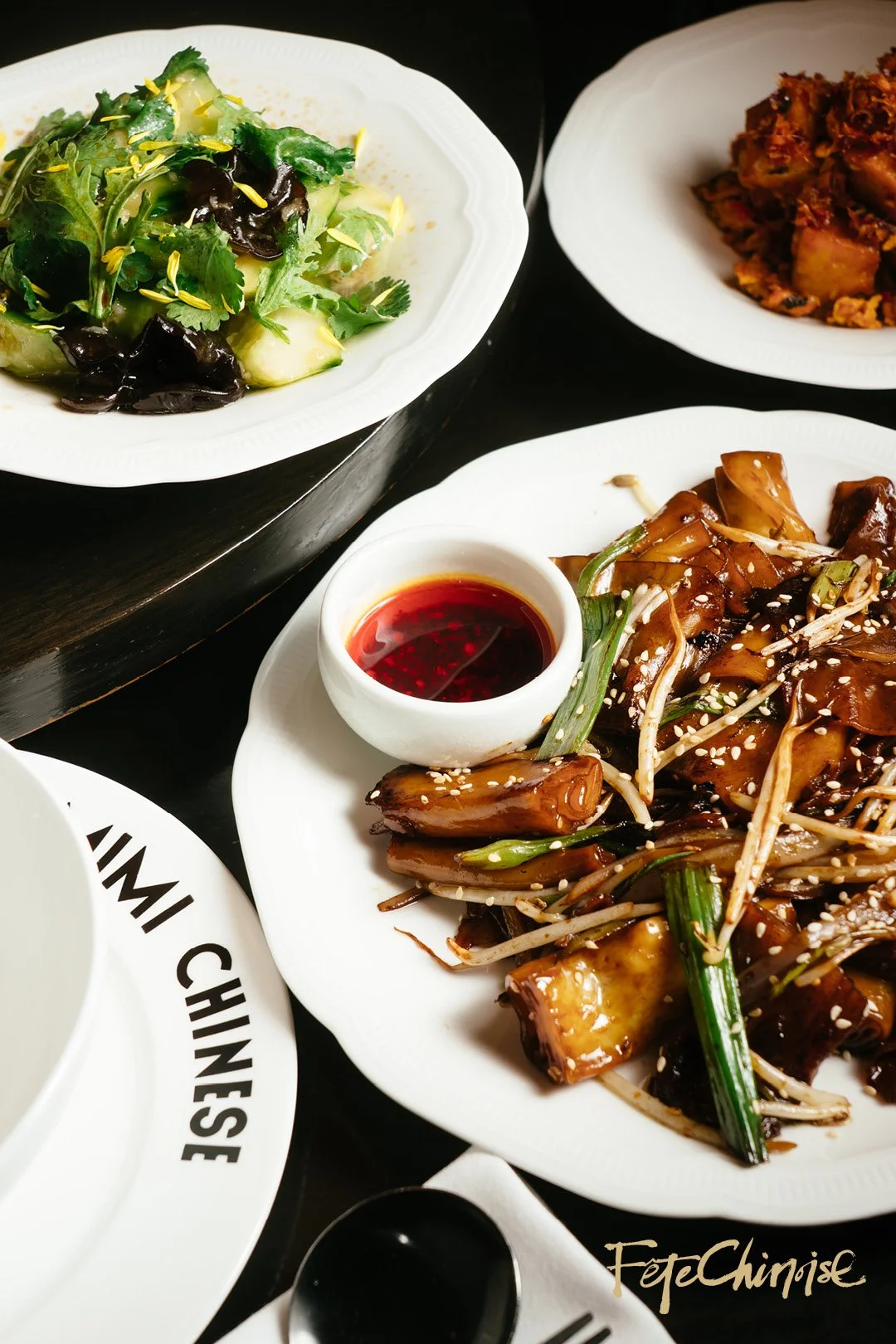
Chong also feels internal pressure to represent Chinese cuisine well. “I’ve never been professionally trained in Chinese cuisine, so that voice is always there – is this good enough? Am I representing this region properly? That’s been the biggest challenge for me.”
Travelling through Japan and South Korea, Chong saw how other cultures interpret Chinese food. Dishes like Japanese ebi chili, inspired by both Shanghai and Sichuan cuisines, and Korean mapadubu, adapted from Sichuan’s mapo tofu, shifted his perspective. “Chinese food in Canada doesn’t have to be the same as it is in China. We can be inspired by a region and honour the flavours while working in local, seasonal ingredients. It’s not about reinvention – it’s reimagining.”
Every dish at Mimi and Sunnys reflects this approach. Region names on the menu connect each creation to its culinary roots, even as the team experiments with new interpretations.
“There are many dishes where we start with a classic and put a twist on it,” Chong says. “But we don’t want to get too far from the original, because then you’re not even representing it.”
擴闊多倫多飲食格局
Braden 認為多倫多一直只有十分正宗的地方菜或西化的「雜碎」,缺乏一家以現代手式、用心演繹中國菜的全方位高級食肆。「其實在香港、上海、甚至紐約,這種餐飲模式早已存在。」Braden 與他的團隊希望為多倫多帶來不一樣體驗,讓食客可以同一時間品嚐不同的地方菜及其故事!
主動認識、文化自覺
不同於上一代被迫承繼父業,第三代華人主動追尋及承傳文化。Braden 坦言:「我們希望客人不僅來吃飯,更能真正理解每一道菜背後的文化與歷史。」Mimi 與 Sunnys 特意在網站上推薦他們欣賞的中餐館,希望食客能探索不同風味。「我們不想壟斷,而是希望整個城市的中菜館都能被賞識。」
這不只是餐廳的使命,更是年輕一代華人對文化的重新定義:不再固步自封、拒絕標籤化,以開放與尊重的態度讓世界重新認識中國菜。
Now overseeing three restaurants, including the newly opened Mimi Chinese Miami – the group’s first project outside Canada – Chong relies on a growing team. His day-to-day kitchen responsibilities have shifted, but collaboration remains central.
“At Sunnys, our two chefs, Ian and Kyle, essentially run the kitchen,” Chong says. “At Mimi, our head chef, Yi, has her own perspective on the food. It’s exciting to see the food constantly evolving with all our styles.”
Chong says he’s focused on the present. “I try not to think too far ahead. I want to focus my energy on mentoring young cooks who come through our kitchen, hoping to make a positive impact on their careers as my mentors did for me. I want to invest in the next generation of cooks who will shape the culinary scene.”
“As chefs, it’s easy to lose sight of why we cook,” he continues. “But I remind myself: we’re making food for people to enjoy. That’s what matters.”
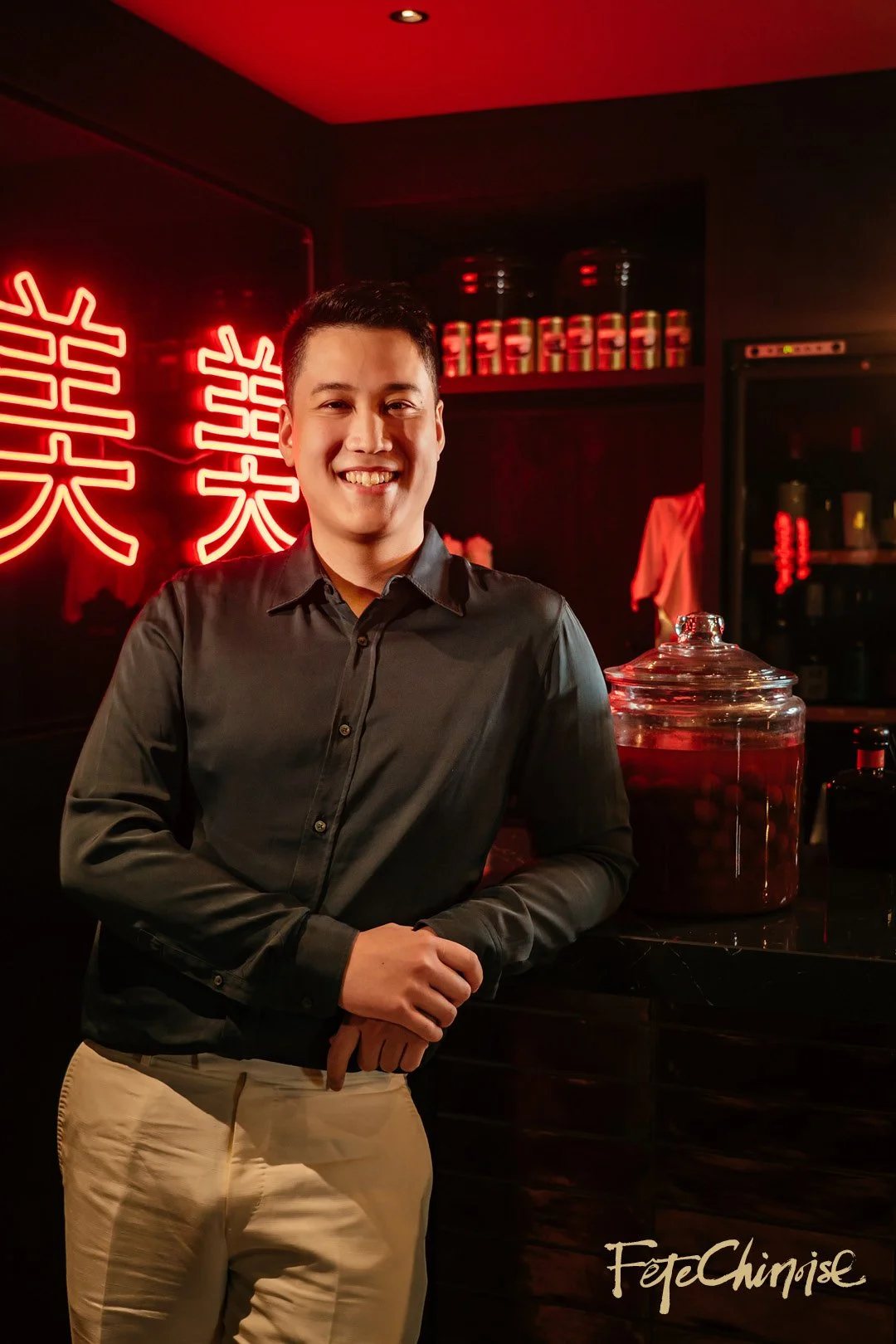
Lowan Regular-Fit Silk Shirt and Tenuta Straight Linen Trousers, TIGER OF SWEDEN.
華人餐桌的新篇章
「我們的目標是讓每位食客從踏入店內,到離開時,都在感受一場完整的文化盛宴。有些菜式能喚起『家』的味道,有些則帶來全新的體驗。最重要的是,每個人都能感受到中國菜的『鑊氣 』——一份直接打動人心的暖意,以及來自歷史與文化的深厚底氣。」Braden 總結。
第一代、第二代華人或許可以從第三代的探索之中,看見一個全新的局面:不再活在回憶裡,更不再糾結於「正宗」、「不正宗」的二分法,文化隨時間如水流轉及延續。
後記:鑊氣喚味覺,底氣連根脈
文化從未因為移居外地而被徹底抹掉,只要用心尋找,隨時會被重新喚醒。張一飛從研習西餐技法,到今日成長為糅合中華飲食的文化探索者,面對「我是誰」這個恆久自我探索議題,有人用音樂、有人用文字、有人用藝術,而 Braden 選擇用食物,寫下一篇又一篇屬於當代華人的新篇章。
未來的華人餐桌,會是怎樣的風景?不妨從下一頓飯開始,重新發掘、用心感受「鑊氣」所帶來的溫度及暖意。
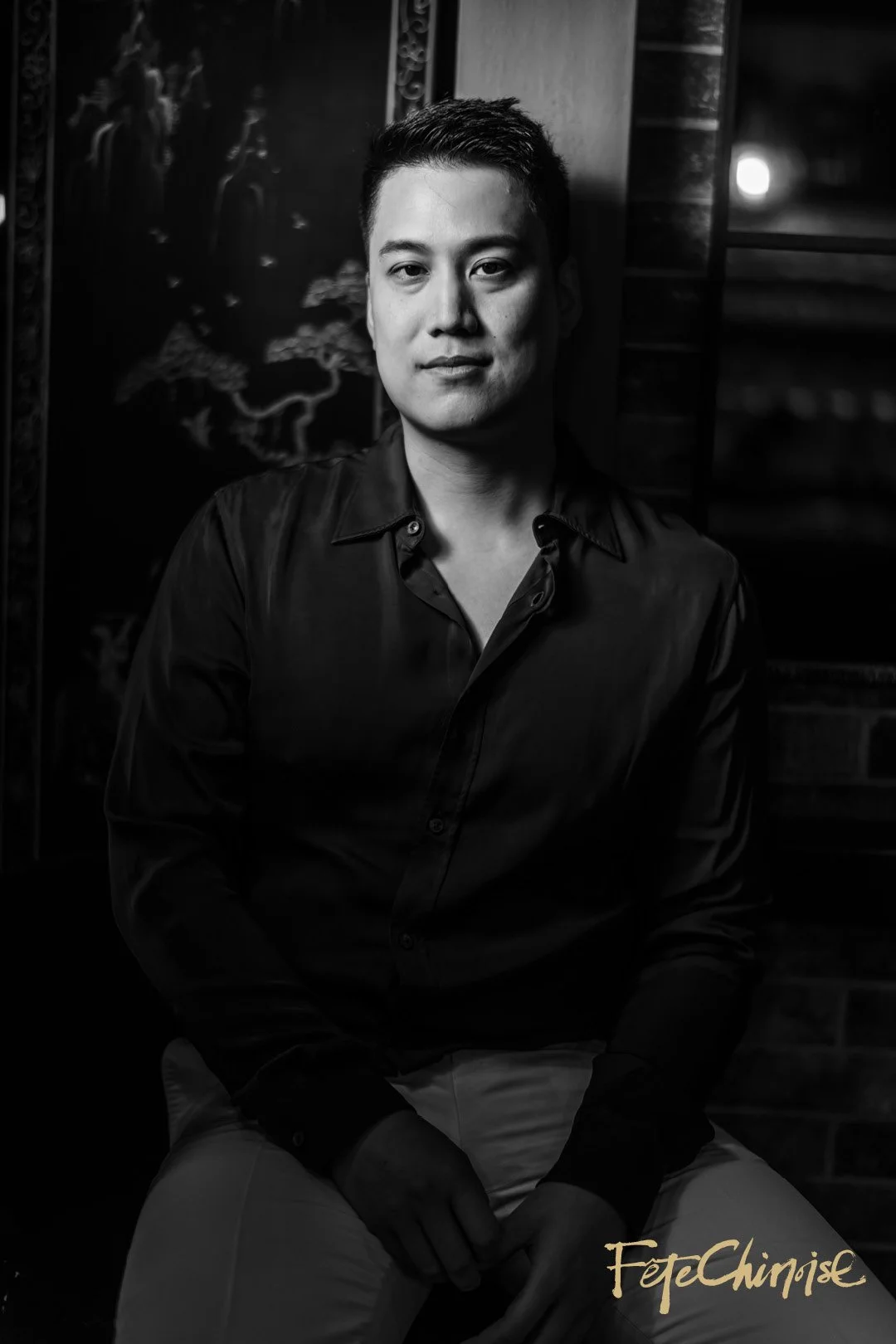
Lowan Regular-Fit Silk Shirt and Tenuta Straight Linen Trousers, TIGER OF SWEDEN.
More from Fête Chiniose
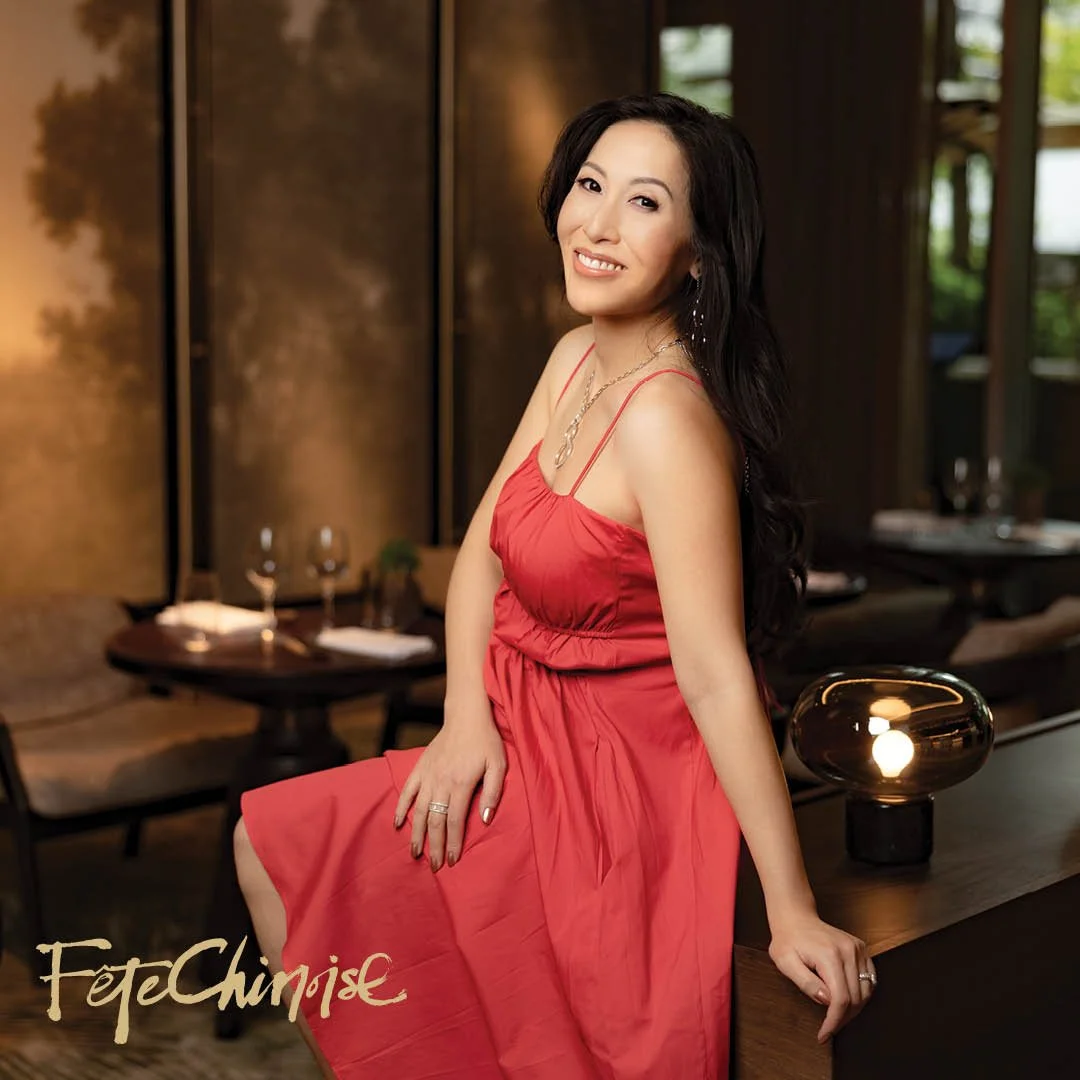
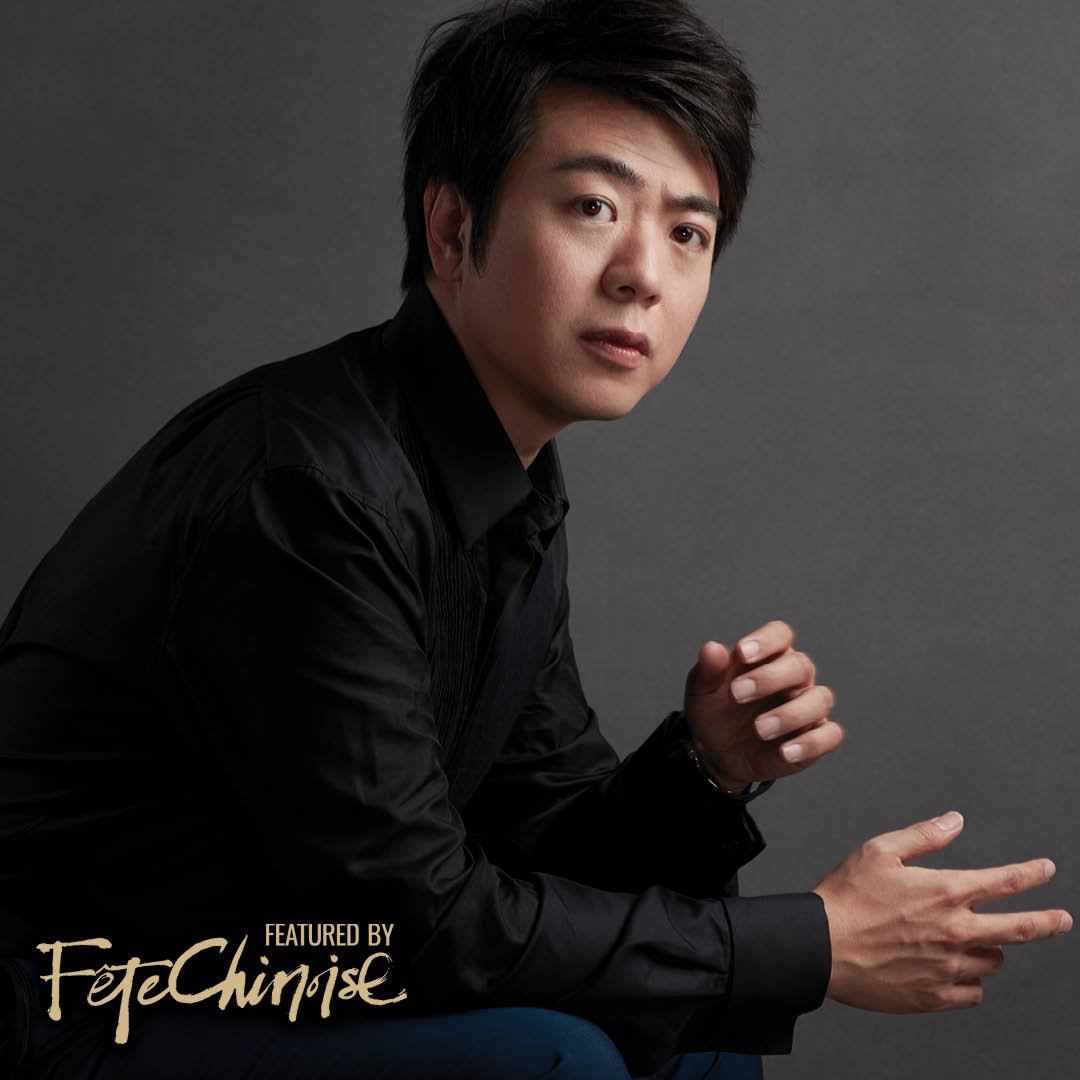
Wine, in many ways, is fascinating because it has the ability to preserve the taste of time. When Eastern flavours meet Western vintages, culture and sentiment naturally begin to intertwine at the table, creating a dialogue that adds depth to every shared occasion.
We are sincerely grateful to celebrity wine expert Bernice Liu for sharing her thoughtful perspective with Fête Chinoise on pairing Chinese cuisine with wine during festive occasions. Through her refined sensibility, she invites us to rediscover culture through the lens of each dish and its accompanying wine pairing.