Center Stage at 35: In Conversation with Stanley Kwan
The Hong Kong New Wave master reflects on legacy, the golden age of Chinese cinema, and why Center Stage ultimately became “a film about two women in two different eras”
Written by Nirris Nagendrarajah
Movie Information and Stills Courtesy of Film Movement

Of all the kinds of stars cinema produces, it is perhaps the ones that live fast and die young—massive stars, they’re called—that most linger in the hearts and imagination of a public unprepared for their premature departure. The Chinese silent film actress Ruan Lingyu 阮玲玉, who, in 1935, at the age of 24, committed suicide, is one such star, having left behind a body of work—29 films in 9 years, most of which are lost—and a cluster of mythologies in her wake. Born to a working class family and raised in isolating precarity, Ruan, at 16, answered an ad in a newspaper and discovered her ability to radiate her inner life on screen opened the gates to a world that could contain her luminosity. She soon found herself working with the great directors of that era—Bu Wancang卜萬蒼, Wu Yonggang 吳永剛 and Sun Yu 孫瑜—while solidifying the on-screen personas she became known for: downtrodden wallflowers, prostitutes and lovers led to ruin. But the public interest in her romantic life and legal battles filling the tabloids, took a toll on the star, whose funeral became an event attended by thousands, and whose tragic life became a warning.
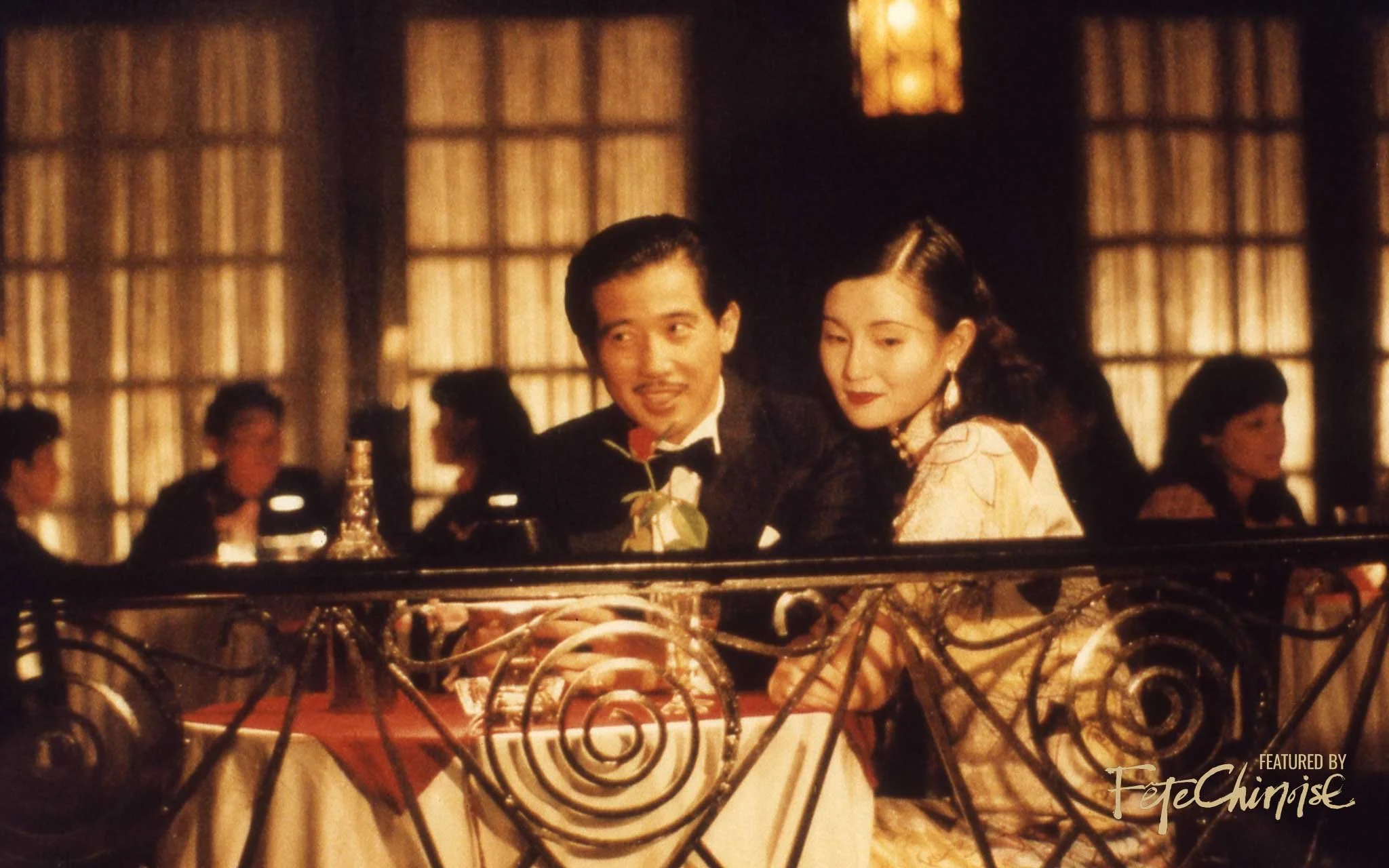
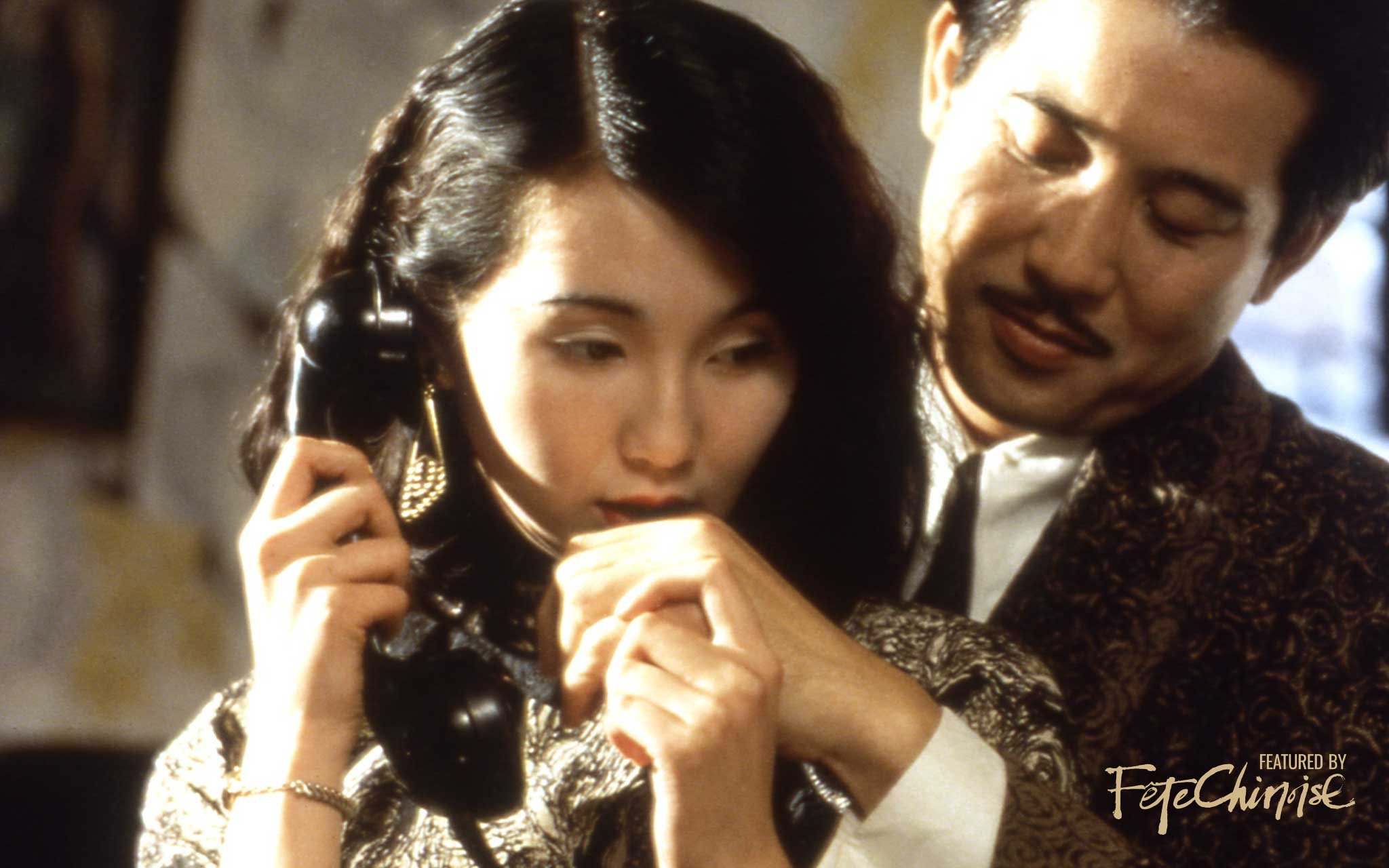
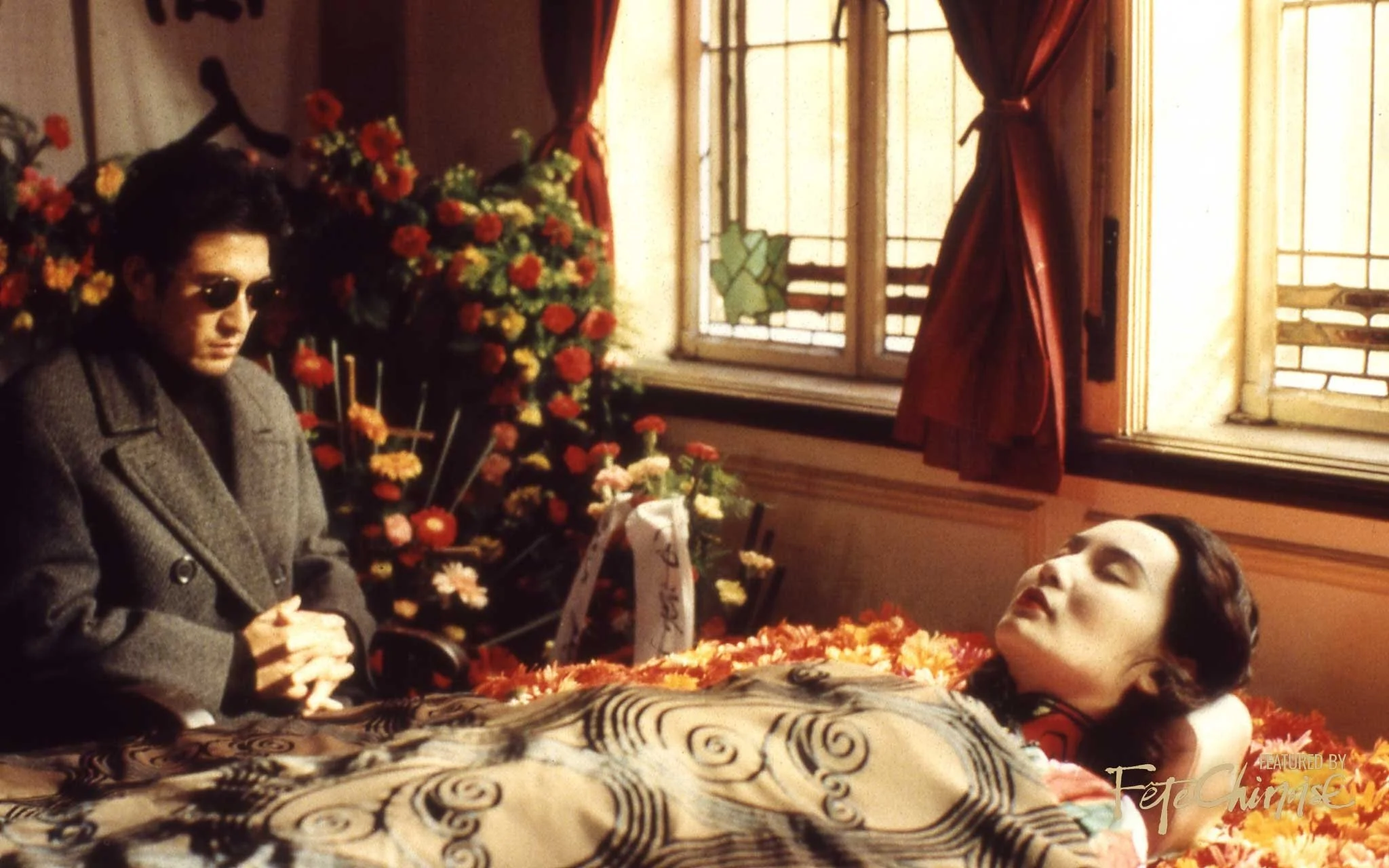
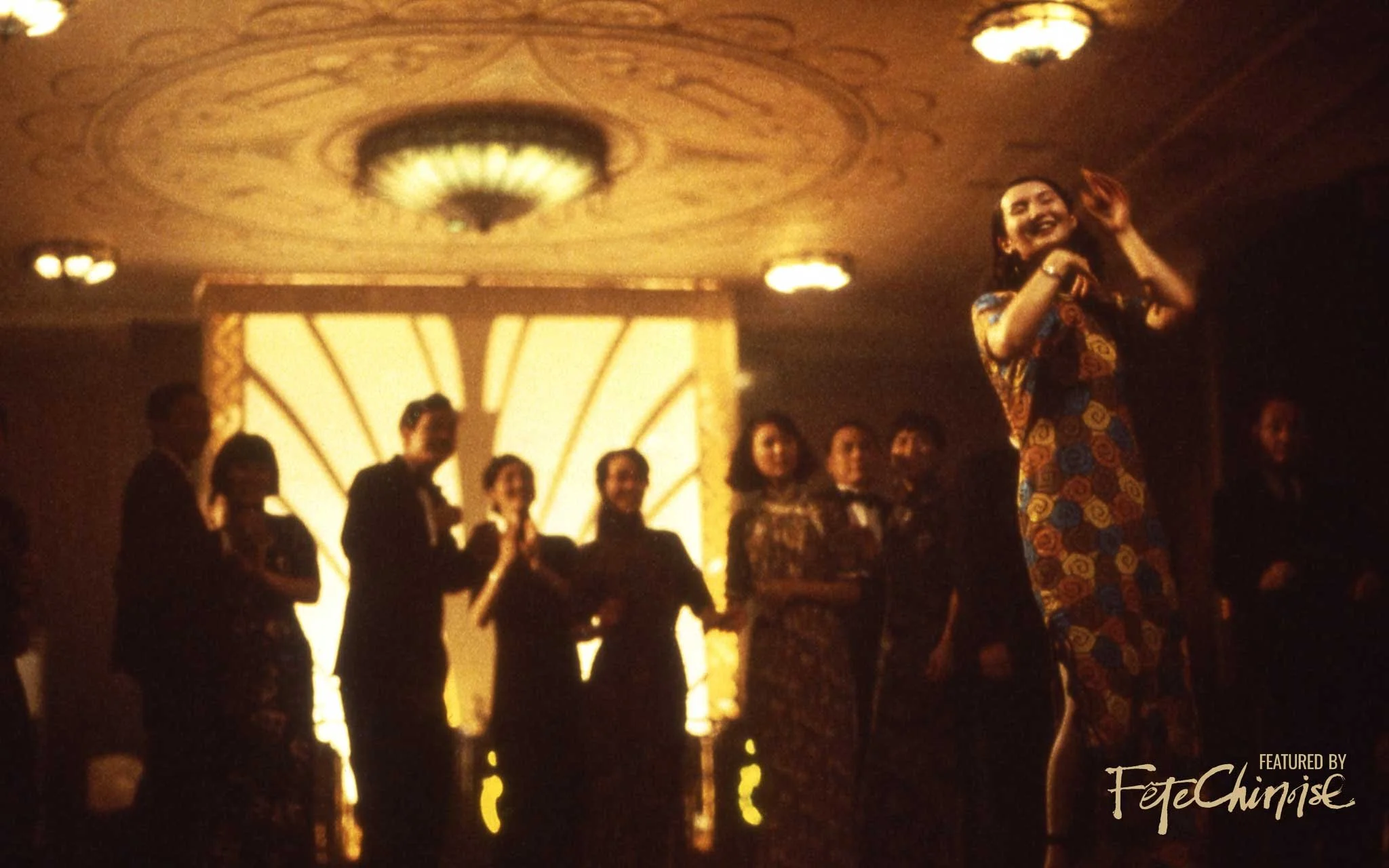
For many, Stanley Kwan’s 關錦鵬 1992 masterpiece Center Stage《阮玲玉》, starring Maggie Cheung 張曼玉, was an initial exposure to Ruan. In a meta-fictional turn, the film collapses documentary and fiction, weaving together the production of the film, with Kwan and his performers appearing as themselves, as well as the biographical material one expects from a period drama. Through the expressive countenance of Cheung, we observe Ruan regard her mother and daughter, whom she wishes to provide a better standard of living, and hopelessly devote herself to her philandering lover Zhang Damin (Lawrence Ng), who no longer promises the security she seeks. We see her moving through the Lianhua Film Studio with the spectre of the Japanese occupation looming over its head, and falling in love with the hot-headed tycoon Tang Jishan (Chin Han). But it is in the moments when Kwan cuts from Cheung's performance to surviving footage of Ruan—in 1933’s Little Toys and 1934’s The Goddess—that both stars’ enigmatic power is most palpably felt across the decades, in the recreation of her sultry postures, her cigarette smoke eddying.
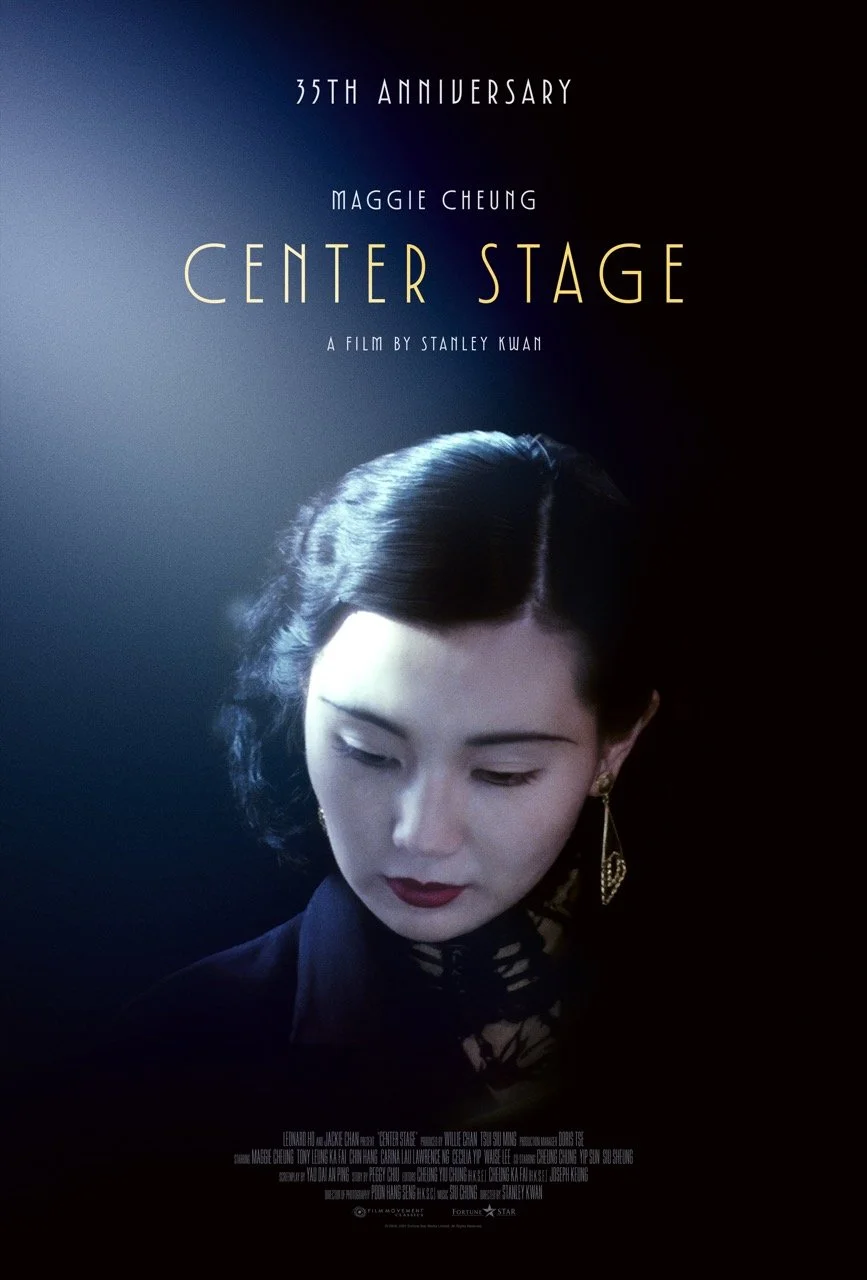
Now celebrating its 35th anniversary—with a new 4K restoration rolling out in theatres courtesy of Film Movement—Center Stage promises to find new audiences and offer devoted fans a reason to revisit its riches as well as its contemporary relevance, especially with how modern celebrities are treated in the age of social media. Cheung's early retirement from the industry and withdrawal from public life also lends the film an unexpected poignancy, as though her interpretations in the film can also be directed towards herself. It should come as no surprise that a film concerned with legacy has endured this long, since always in Ruan’s life and death and her art was, as Kwan says in the film, a “desire to eke out an existence,” a universal theme if any. We had the honour to sit down with Kwan to discuss the golden era of Chinese cinema, how his relationship to the film and its stars have changed, and who he wants to work with next.
The following conversation has been edited for clarity and length.
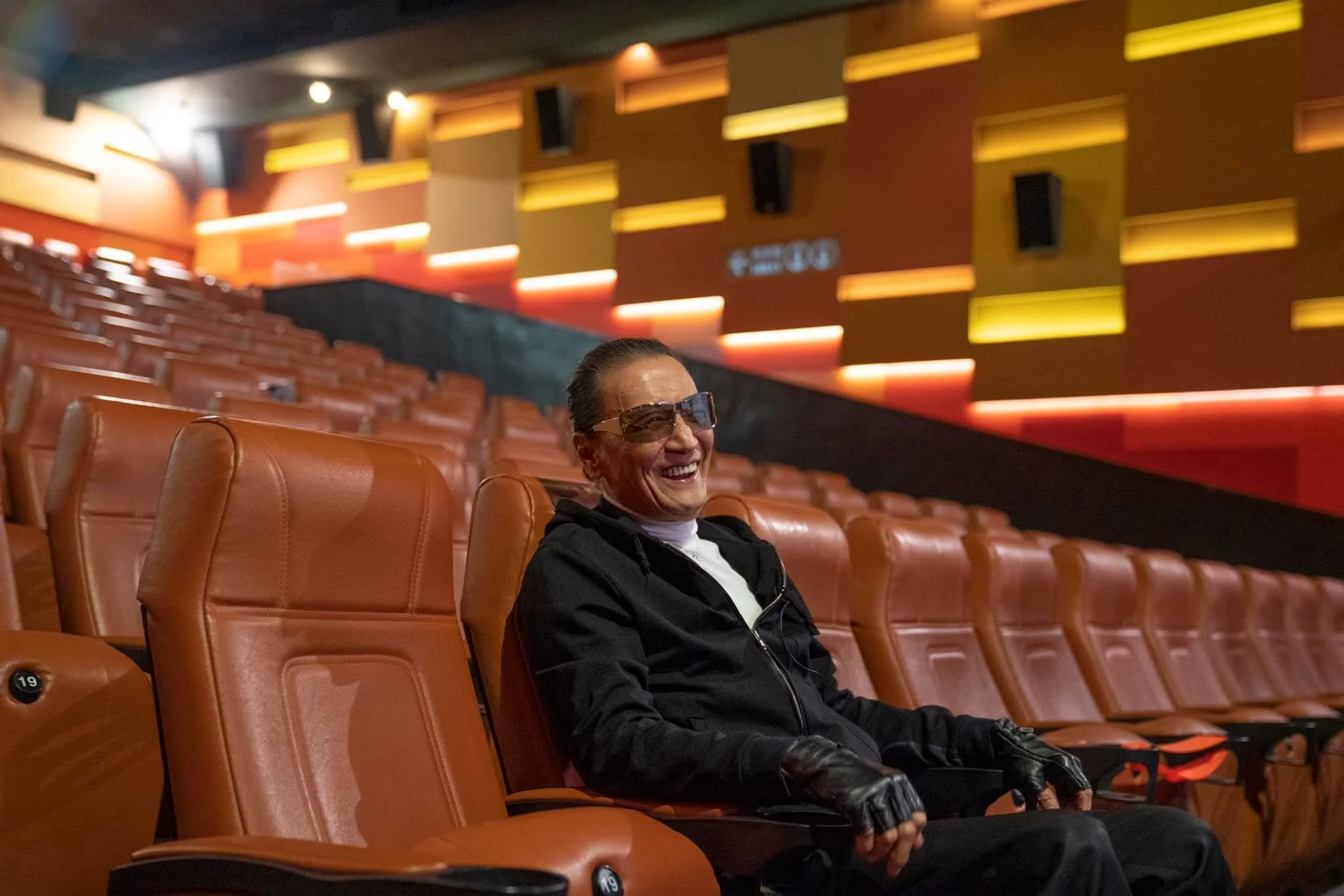
Nirris Nagendrarajah (FC): Let us begin with a question from the film: “Would you want to be remembered half a century later?” How has your relationship to this question changed over the years? And what does legacy—the film's and your own—mean to you?
Stanley Kwan (SK): I’ve always been the kind of director who makes films because, at a certain point, I have the passion to tell a story to an audience. When I feel strongly about something, I just simply go for it. That was true of Love Unto Waste, Rouge, and Center Stage as well. I don’t care about the box office or the reviews. This is just the way I’ve made my films.
When I was a teenager, I had the chance to see those old Shanghai films, including Ruan Lingyu’s silent movies, at the Hong Kong Film Archive. That era was certainly the first golden era of Chinese cinema. I loved those films. After the success of Rouge, the Golden Harvest Film Company wanted me to work with Anita Mui again and I immediately thought that she could play Ruan. But because of her personal reasons, she refused to go to make the film in Shanghai. But I couldn't make the film in Hong Kong and build a set, since the whole story, including Ruan’s life, happened in Shanghai. That's how I ended up casting Maggie Cheung.
At the same time, we had done a year and a half of research, including at the Beijing Film Archives. They had allowed me to use footage from those old films, including Ruan’s movies, photos, production notes, everything. We also interviewed directors and performers from the 30’s and 40’s who were still alive in 1991. So I amassed those materials and thought that maybe there was another way to tell this story instead of a traditional biography.
We thought we’d better try to do something else. 35 years later, I think I made good choices.
FC: When I re-watched the film, an image that struck me was the shot of the empty studio of the Lianhua Film Company, which appears twice. How does it feel to revisit the film now that it belongs to the very history it was trying to preserve?
SK: You’ll notice the film doesn’t only feature directors who worked with Ruan. There’s a bunch of other directors from that era too, fully-formed characters whom we see deal with the difficult business of filmmaking. When I decided to put all of those famous directors in Center Stage—including Fei Mu and Wu Yonggang—it was a tribute to that golden era of cinema.
FC: Another image that stayed with me was when Ruan is going up the staircase and she pauses in the middle, caught between two lovers, two directions.
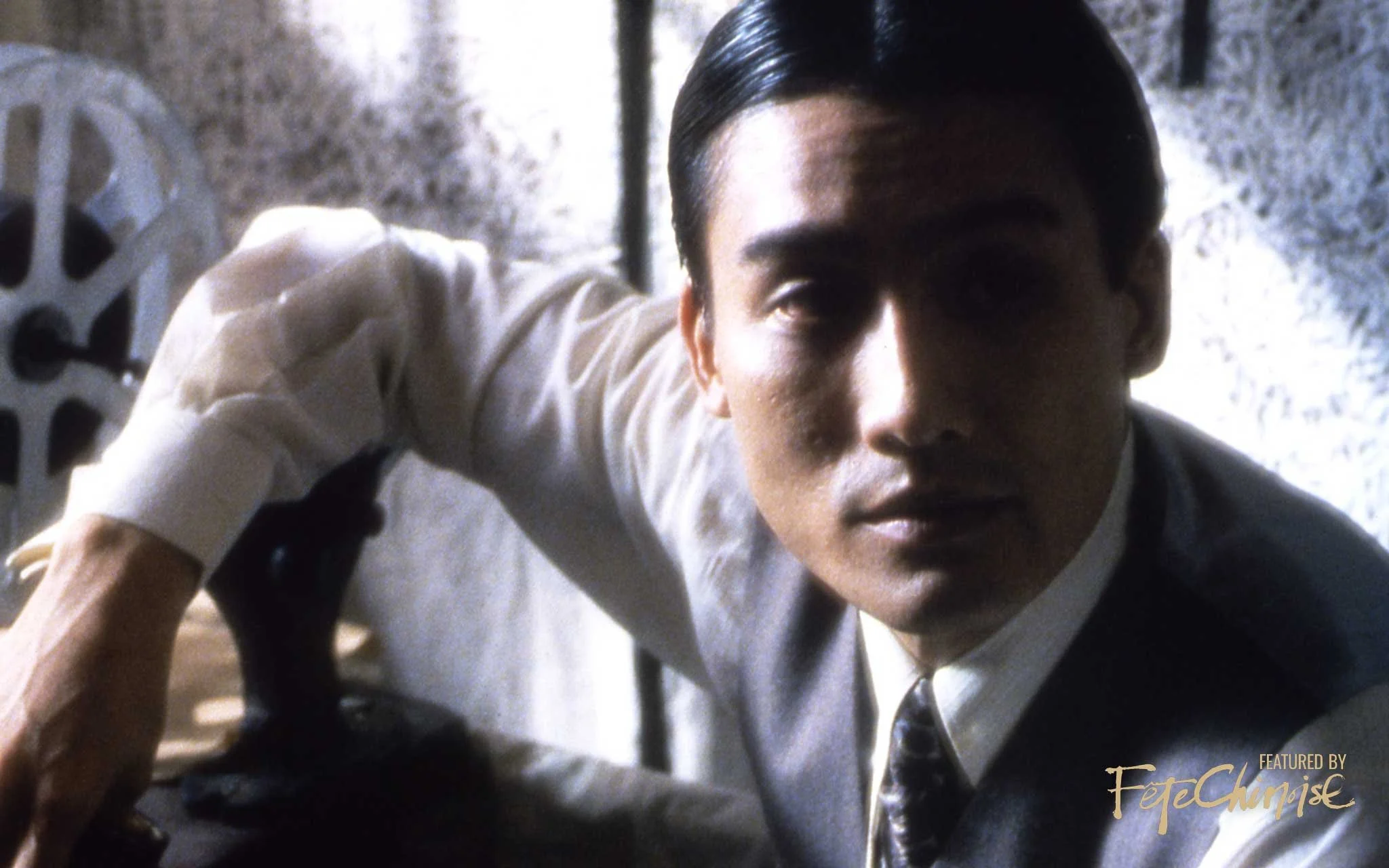
SK: At the final stage of Ruan’s life she starred in New Women, directed by Cai Chusheng—the character played by Tony Leung Ka-fai—who directed her in just that one film. But according to the research, they had had some emotional connection, and that is why the stairs scene was created. Downstairs is Tang Jishan—Ruan’s man played by Chin Han—and Chusheng has just passed by and gone to the upstairs office. So, in this scene, when we find Maggie in the middle of the staircase, we can sense the emotional conflict between them and within herself.
There is another stairs scene too. The first staircase scene is when Ruan presents a ring for Zhang Damin—her first man, played by Lawrence Ng. When Damin returns home, he has to climb up the stairs, but Ruan exits from the second floor and comes downstairs. In the middle of the stairs, she gives him the ring. Of course, from the research, we knew Damin came from a wealthy family, but at this point in their relationship all the support—economic, living—came from Ruan.
The staircase allowed me to express these dynamics, that was the thinking behind it.
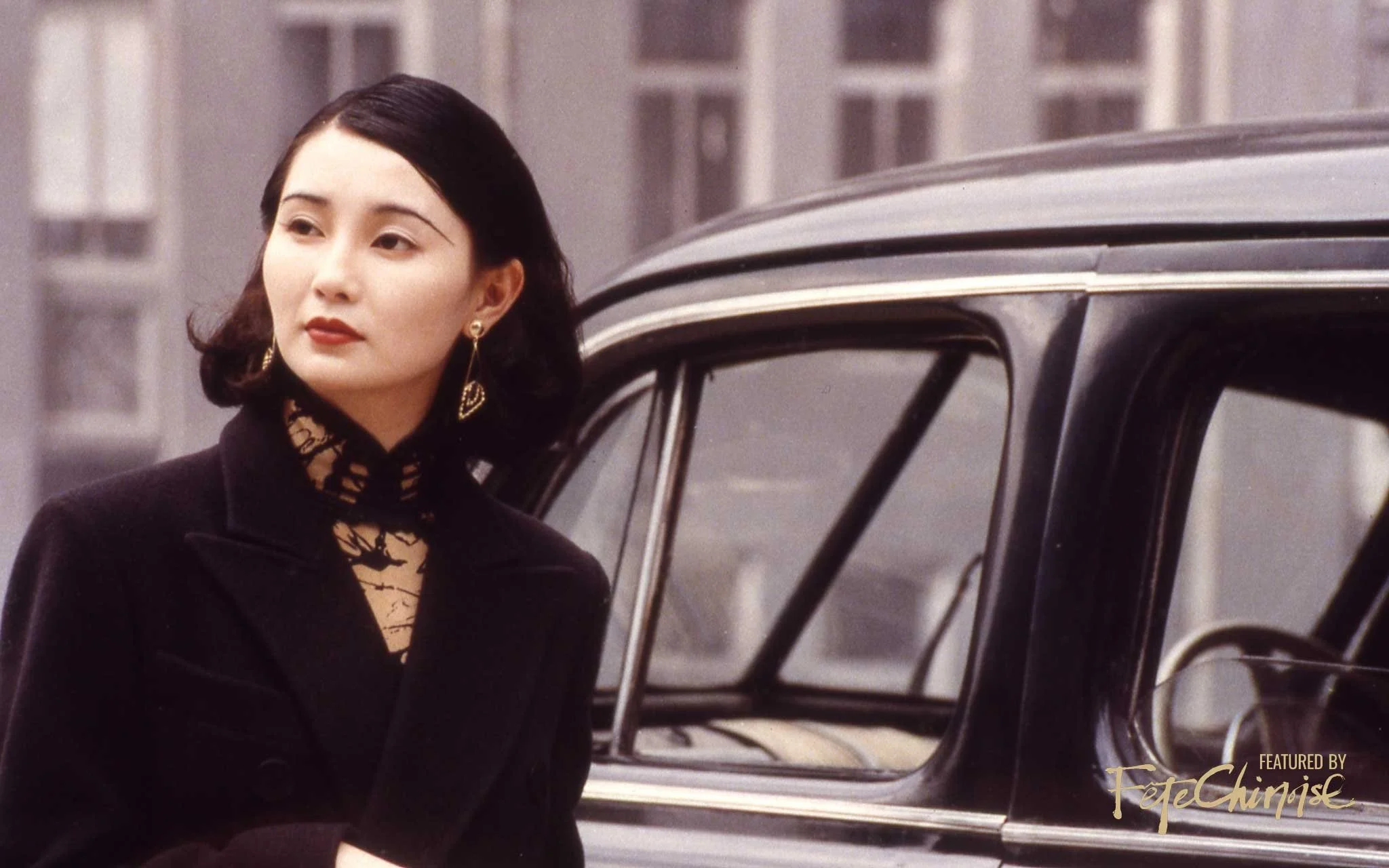
FC: In the film you tell Maggie about Ruan’s life and she says to you: “We share similar fates then?” Looking back, do you think making Center Stage changed the way you understood Maggie as an actress and a person? How did the unconventional, meta-fictional form of the film allow you to see different sides of her that a conventional film could not?
SK: After I cast Maggie Cheung, during the pre-production period, she was suffering because her love letters to her boyfriend in the States had been leaked by him to the media. She suffered a lot from that. Maggie was born in Hong Kong, but grew up in London with her parents, studying and growing up there. Especially in the early 1990s, Maggie was a much more open-minded woman, even as an actress. She deeply understood Ruan’s situation in the 1930s, but she had her own attitude towards dealing with the press, but it was the same case of suffering.
It turned out that my film about Ruan Lingyu was not wholly a film about Ruan Lingyu, but about two women in two different eras. For me, that was quite an interesting point.
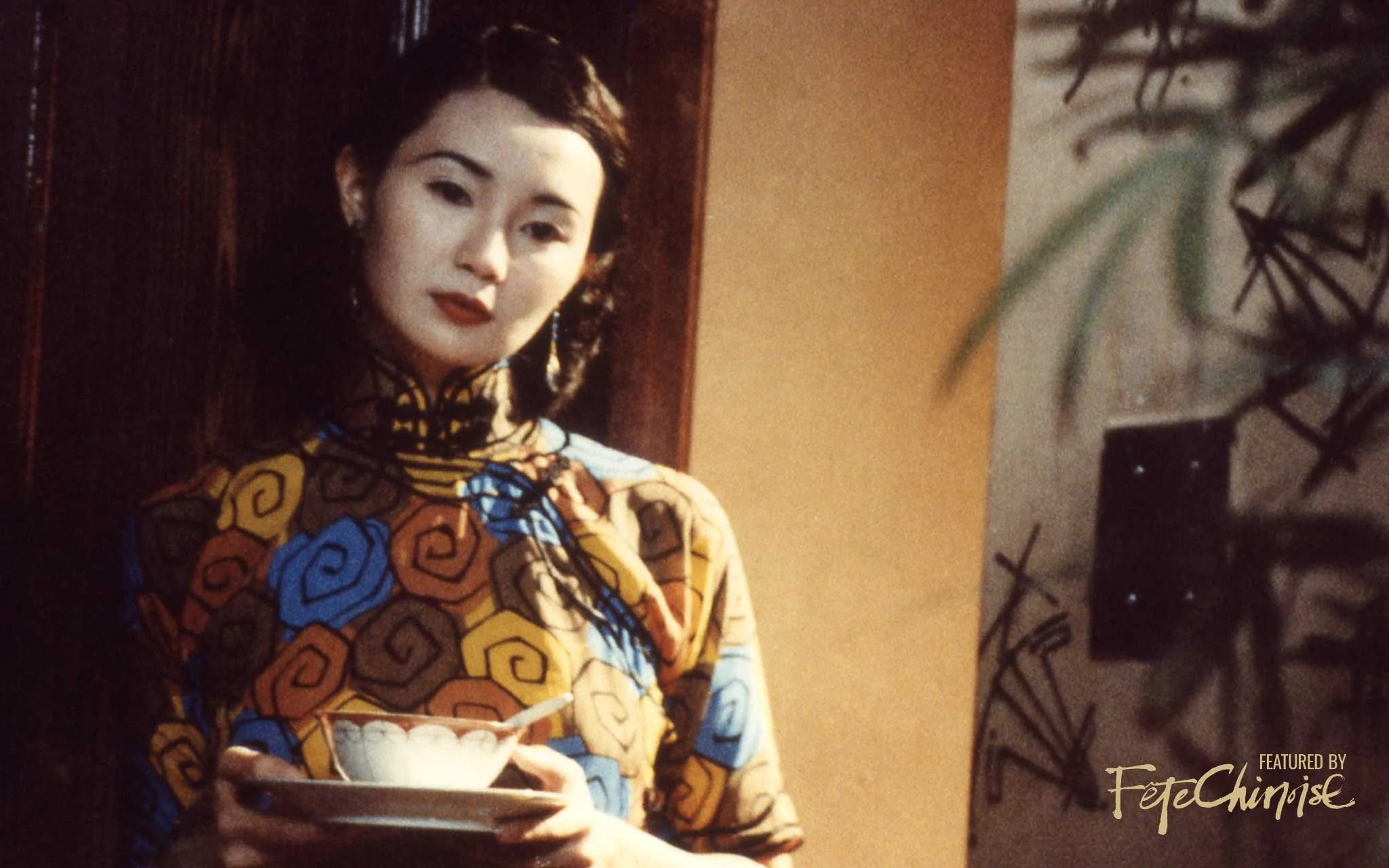
FC: I watched Yang ± Yin: Gender in Chinese Cinema, and I read those scenes where Ruan confronts the crowd as a possible mirror for how an openly queer filmmaker faces public visibility. Did you also see something of yourself in the plight of these two actresses?
SK: Certainly. We made Center Stage in 1991, and I made Yang ± Yin in 1996. But we were all good friends, very close friends. So Maggie, Anita Mui, Leslie Cheung, they all knew about my sexuality. We would talk about the relationship between my boyfriend and I. Leslie would talk about Jeffrey [Daffy] Tong, and Anita Mui about different relationships with different boys. We were open with each other. We didn't hide anything between us. For Maggie, too, when she worked with me, we had that kind of understanding and those sorts of communications.
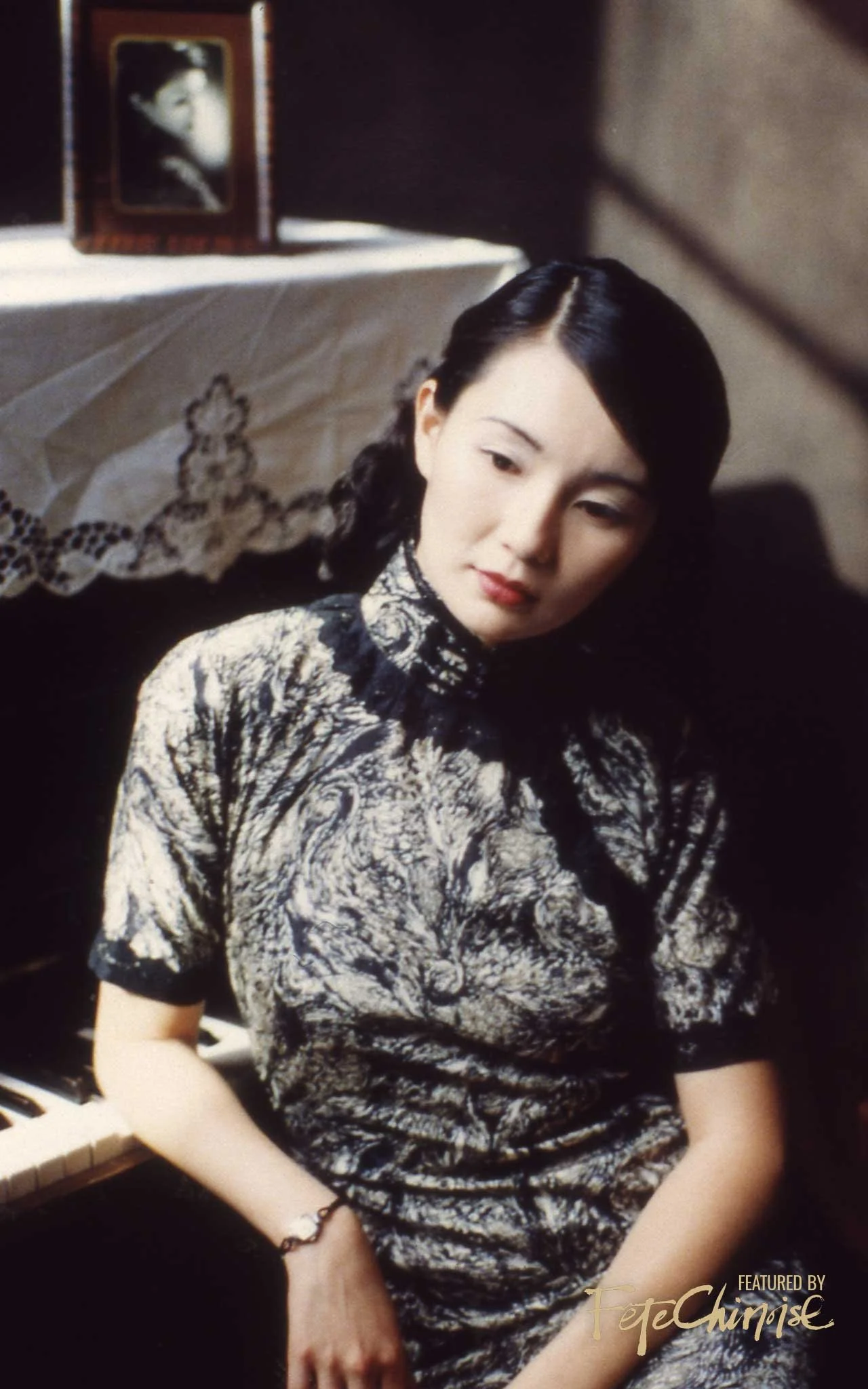
FC: You’ve experienced cinema as an actor, an assistant director, a filmmaker, a producer, and more recently as a mentor and teacher. Looking back on all these roles, what do you understand about cinema today that you could not have understood 35 years ago?
SK: I have to say that I’m grateful. I joined the industry because I liked drama. I wanted to be an actor and that's why I joined the Hong Kong TVB’s artist training class in 1976. After a year of training, Selina Chow, the boss of Hong Kong TVB, suggested I go to the film unit. That was in the late 70s when those great directors were using 16mm to make TV series. Chow suggested I work as assistant director for them for four years, until the early 80s, and then, when those directors started to make big films, they asked me to be their assistant director.
Certainly, I had duties as an assistant. But on set I would learn how to work with performers, cinematographers and production designers. That's the way I studied. I learned a lot from them. When I got the chance to make my first film, in 1985, those details, like how to set up the composition of the frame—what I had simply observed—gave me the confidence to direct.
FC: What films do you return to for inspiration?
SK: The film I appreciate and love most is Tokyo Story by Yasujiro Ozu. No matter that the film was made in the 1950s and is in black and white. The relationship between the characters and how they interact in a space—Ozu is still my number one director in the world for all time. Even now, I'm teaching in City University in Hong Kong and I show my students Tokyo Story and all his old films. I appreciate the way that he only needed basic elements to make a good film.
FC: Finally, you've worked with the biggest stars in Hong Kong cinema—icons like Anita Mui, Maggie Cheung, and Carina Lau. Is there a movie that you still want to make, and who would you want to work with?
SK: People, friends of mine, especially film friends, ask the same questions. Sadly, I have to say Anita Mui. But unfortunately she’s been gone for 23 years. When people ask me why I don’t make Rouge again, I say: Sure, but only if you give me another Leslie Cheung and Anita Mui.
Editor’s Note: Thirty-five years after its debut, Stanley Kwan’s landmark masterpiece returns to the big screen. A new 4K digital restoration of Center Stage will open in select theatres beginning August 7, 2026. Canadian audiences can catch Center Stage at Cinema Moderne in Montreal beginning August 14.
More from Fête Chiniose

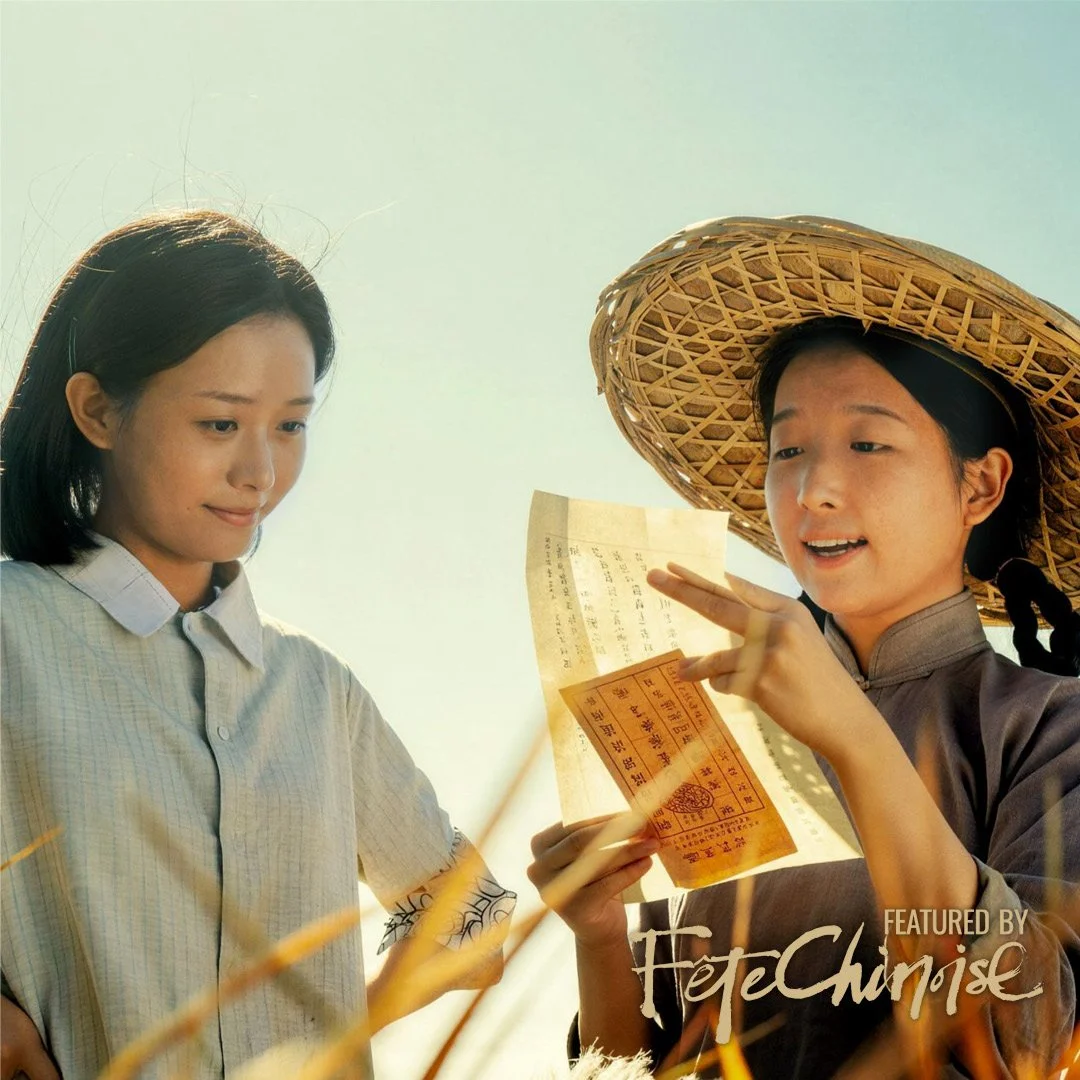
A restaurant can offer more than a meal: a livelihood, a connection to home, and a place to belong. In director Wen Muye’s 文牧野 Once Upon a Time in the Middle East《歡迎來龍餐館》, these familiar hopes take on new urgency when a Chinese chef’s fresh start abroad is interrupted by war. Starring Shen Teng 沈騰 as chef Xu Fu, the film follows a man who travels to the Middle East to repay his debts and support his family. Together with restaurant manager Ma Junsheng, he helps turn the struggling Dragon Restaurant into a flourishing business. When conflict reaches the city, however, the restaurant becomes a refuge, and Xu Fu must decide how much he is willing to risk for the community he has come to call his own.