
Technical Precision Meets Canadian Terroir: Chef Keith Pears on Team Canada’s Bocuse d’Or Triumph
Written by Fête Chinoise Editorial Team (Kayla Lo)
Images Courtesy of Owais Rafique, Isaac Tang

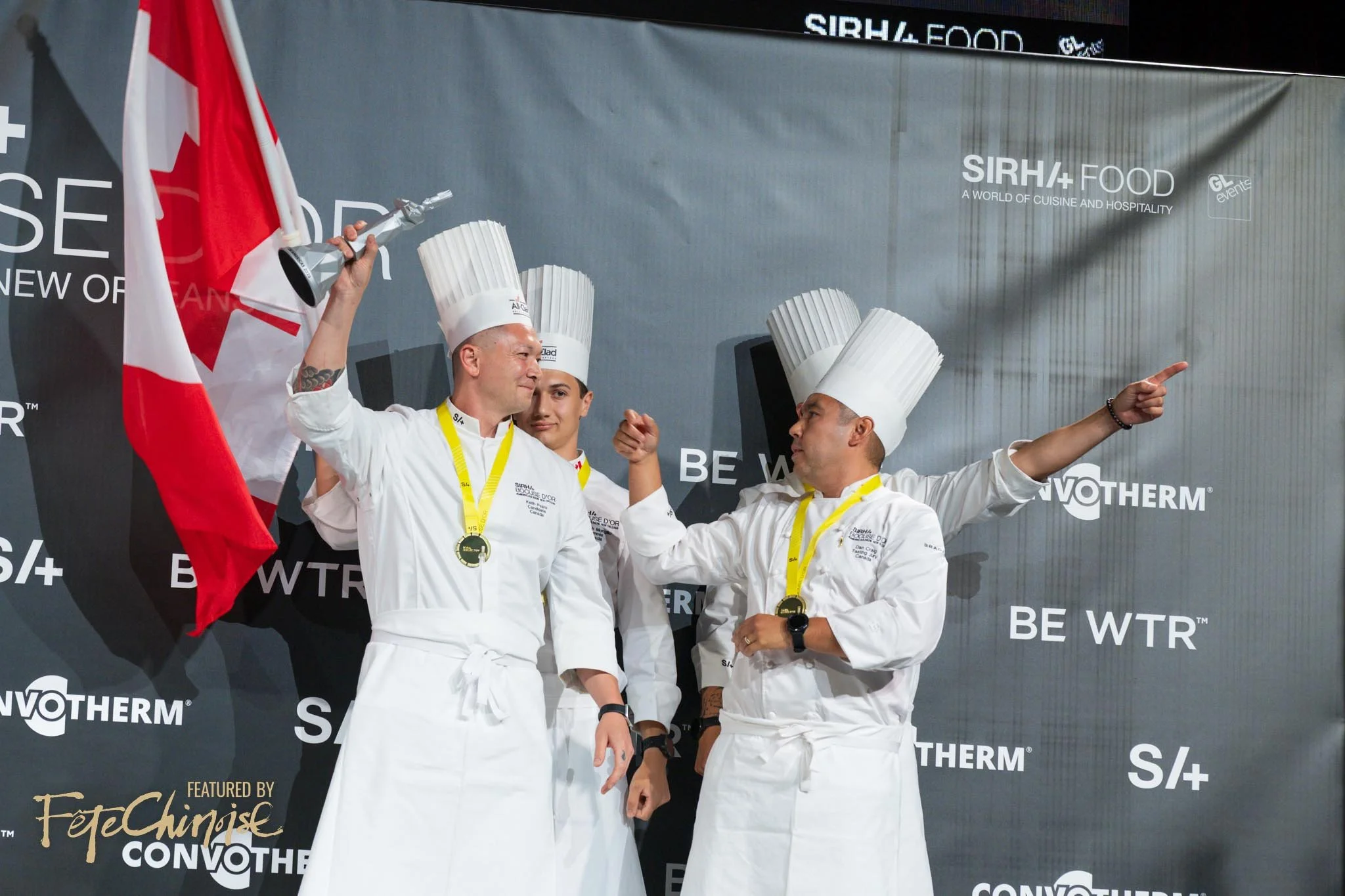
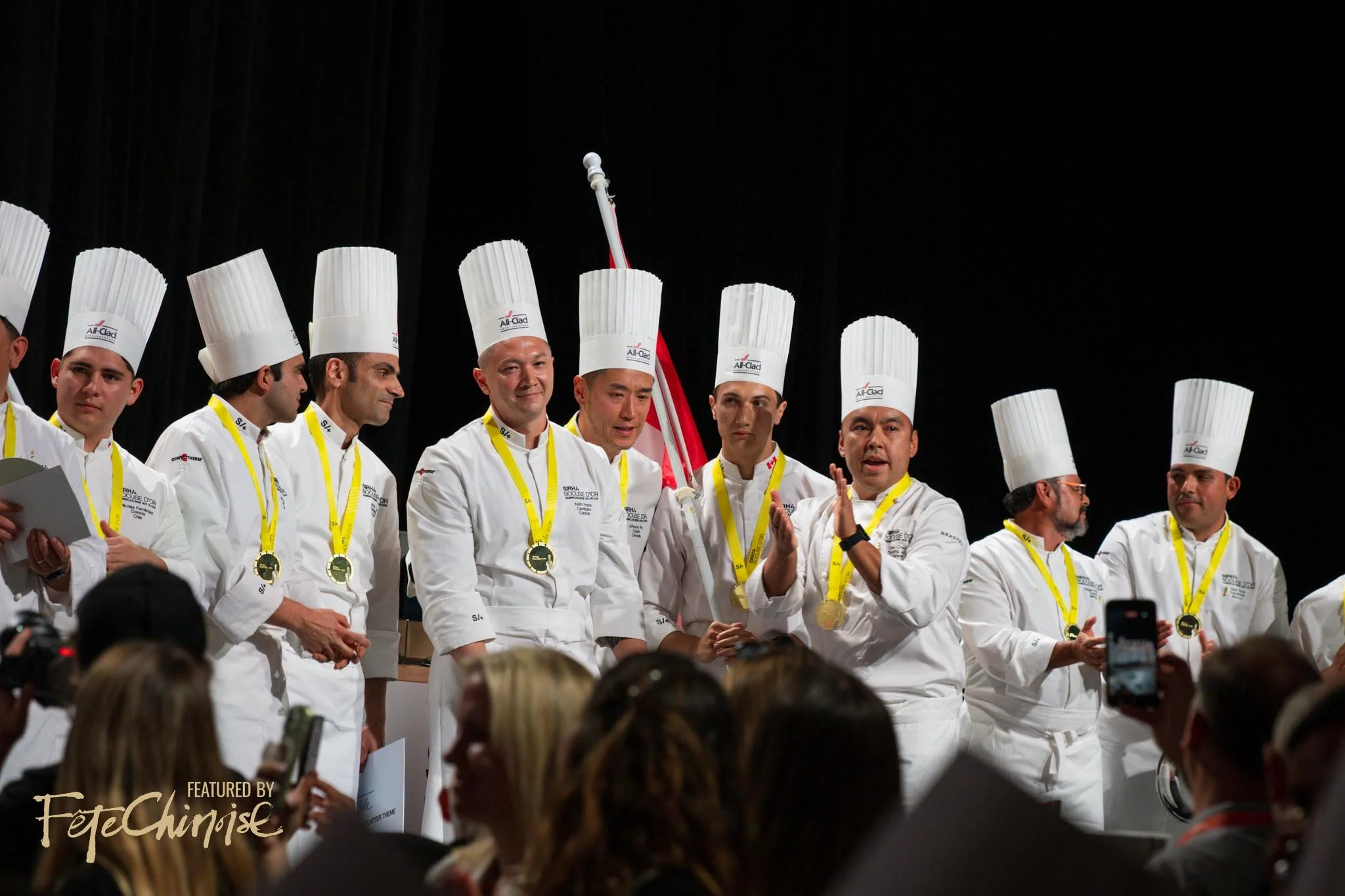
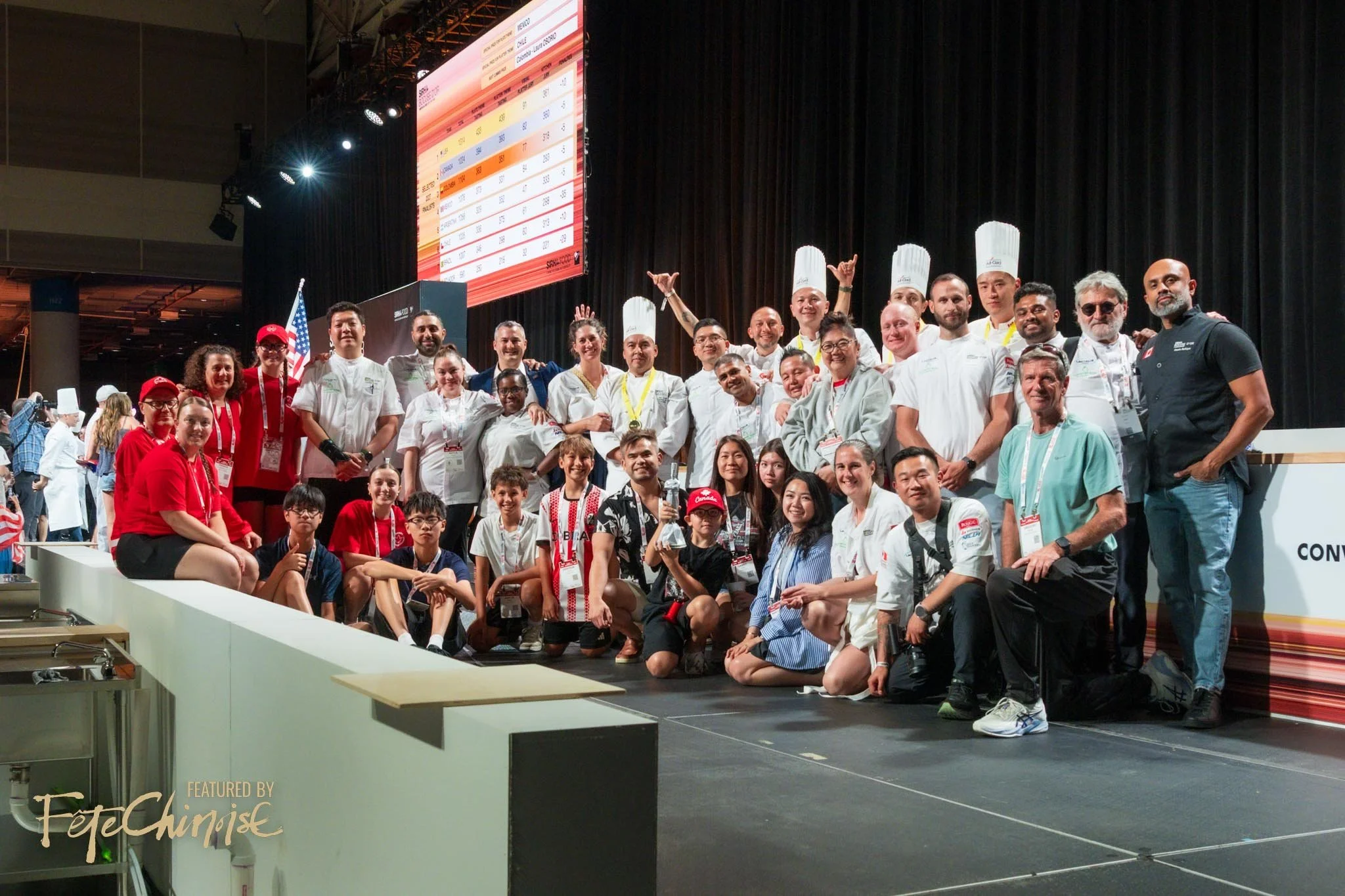
On July 26, 2026, Lead Chef Keith Pears and Team Canada took home the Silver Medal at the Bocuse d’Or Americas in New Orleans, the regional qualifier for what is widely recognized as the Olympics of the culinary world. Beyond securing Canada's ticket to the global grand final in Lyon, France, the achievement was a performance defined by technical precision, Canadian ingredients, and the personal heritage of the chefs behind it.
You may have met Chef Pears at our Signature Event at Lunar New Year earlier this year at The Ritz-Carlton, Toronto, or dined at his Markham-based restaurant in Downtown Markham. For the acclaimed chef, competing at this level is familiar ground. A seasoned competitive chef with wins at Chopped Canada and Canada’s Great Kitchen Party, Pears previously led Team Canada to a top-10 finish at the global Bocuse d’Or finals in Lyon. Returning to the arena with a fresh perspective, he guided his team in crafting a multi-course menu that bridged coast-to-coast Canadian ingredients, from Pacific halibut to Niagara ice wine, while subtly weaving in his own Chinese-Canadian heritage. We spoke with Chef Pears to break down the storytelling behind their winning dishes and see how the team is preparing for the world stage in France.
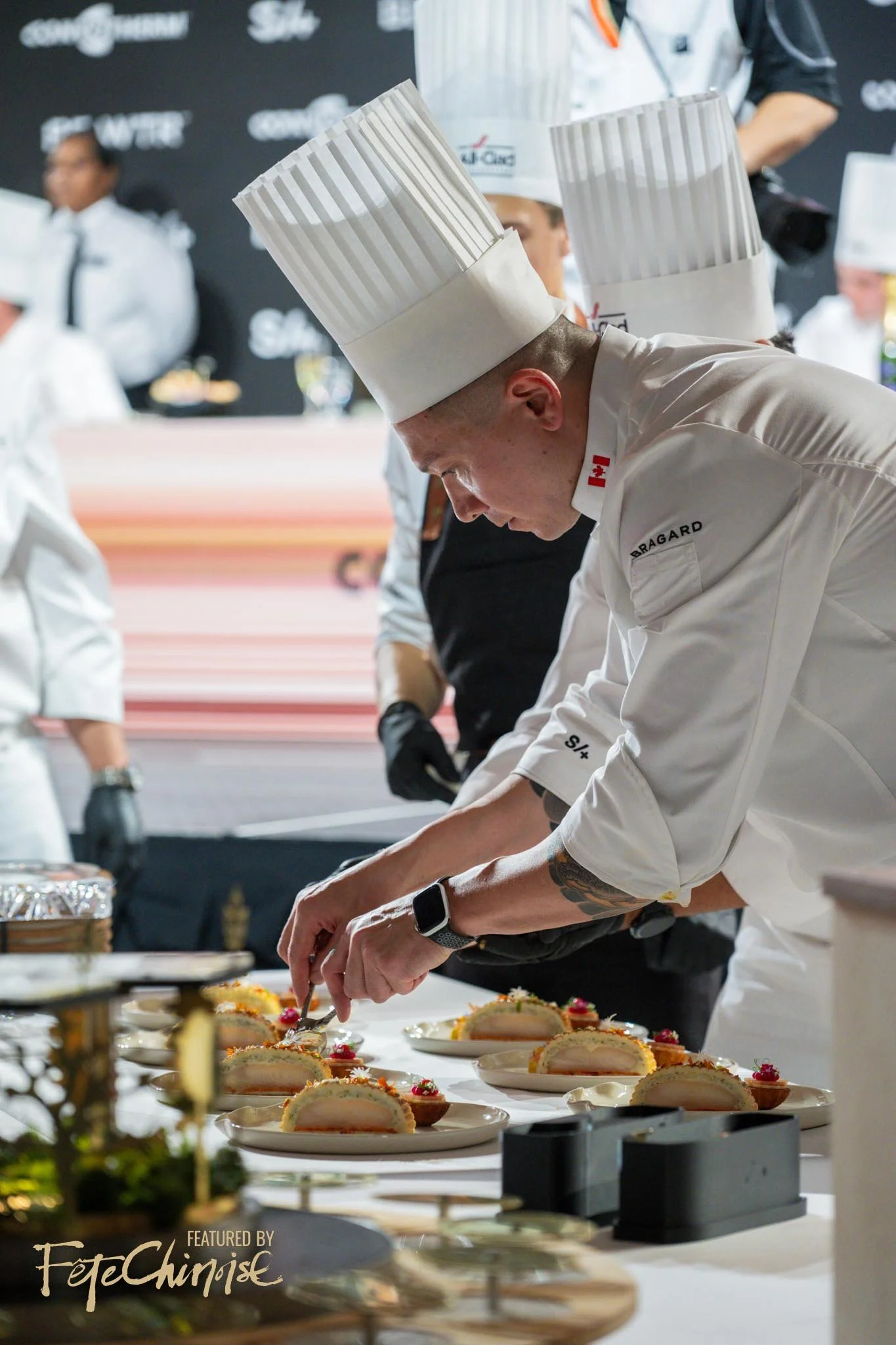
National Culinary Athlete 2026 Chef Keith Pears
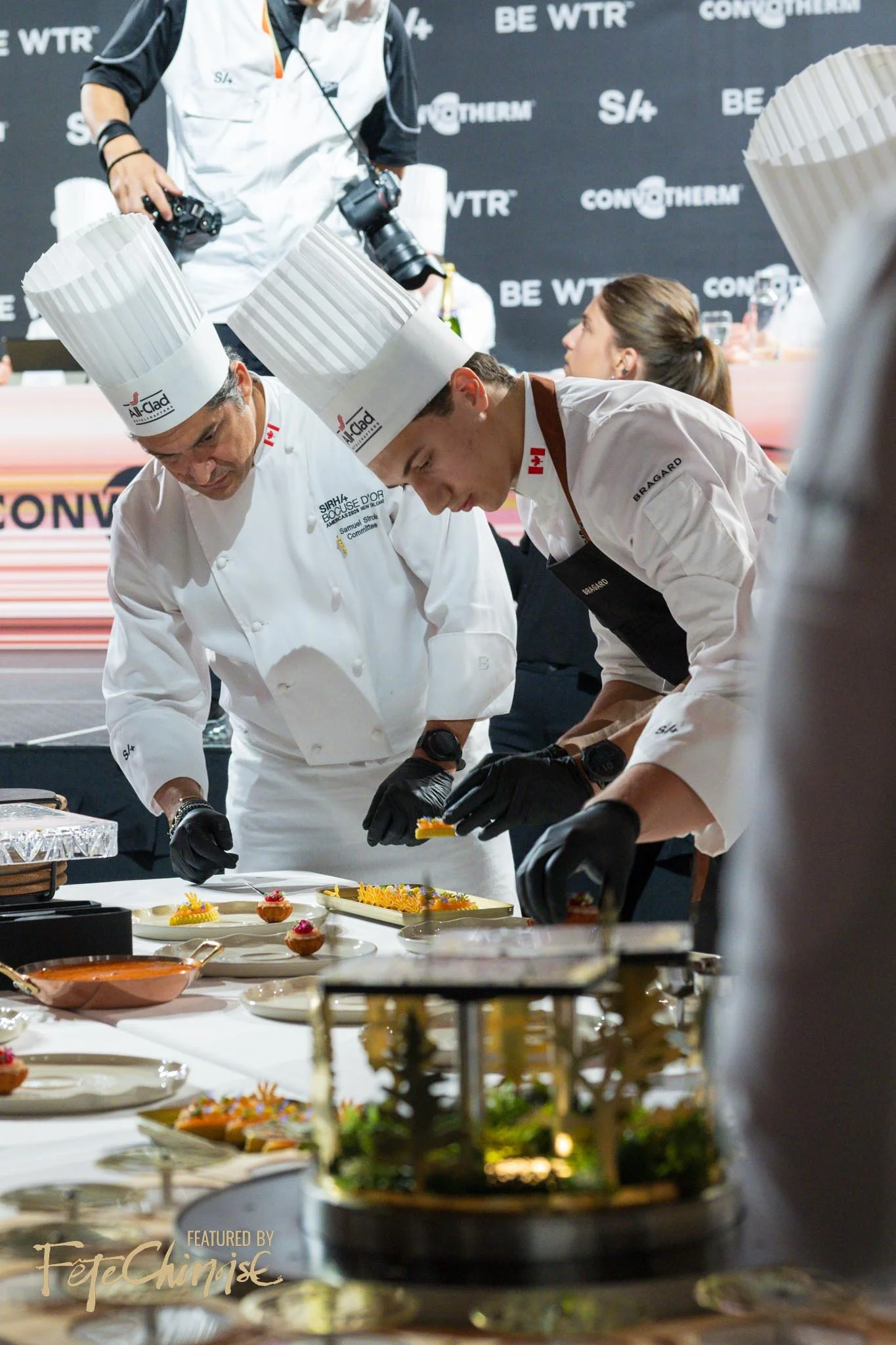
National Culinary Commis 2026 Joseph Mongillo
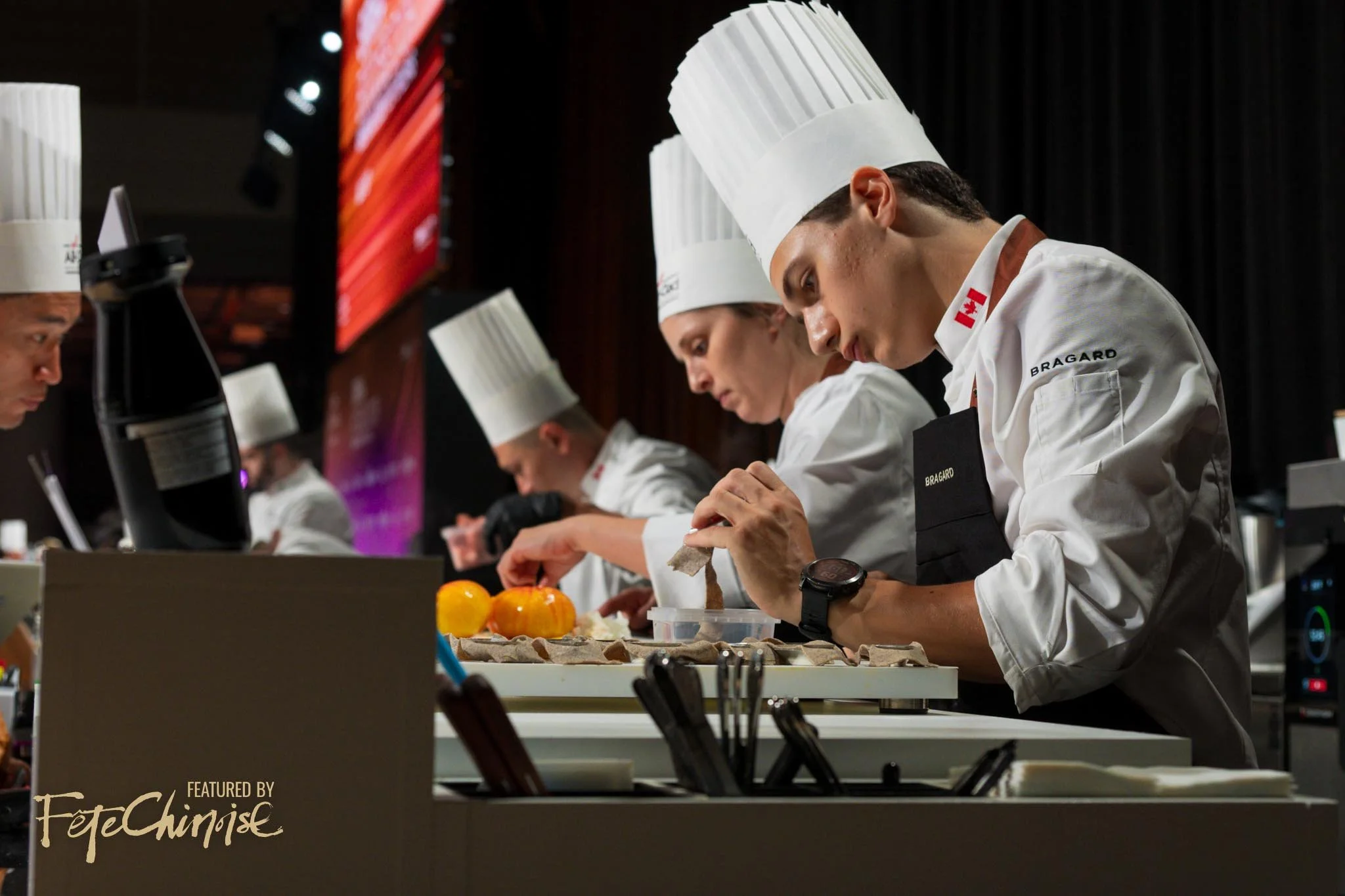
The theme-on-a-platter presentation, titled Canadian Harmony, was designed to take judges on a journey across the country’s vast geography, linking the Pacific coastline directly to the agricultural heartland of Southern Ontario. At its center was an ember-basted Alaskan halibut wrapped in a rich seafood farce and spiced Nduja, complemented by a Sauce Choron elevated by Niagara ice wine and tomato vinegar. Accompanying the halibut were nod-to-terroir garnishes: a multi-textural homage to Ontario’s "Peaches and Cream" sweet corn and a hyper-refined tomato and shrimp beignet.
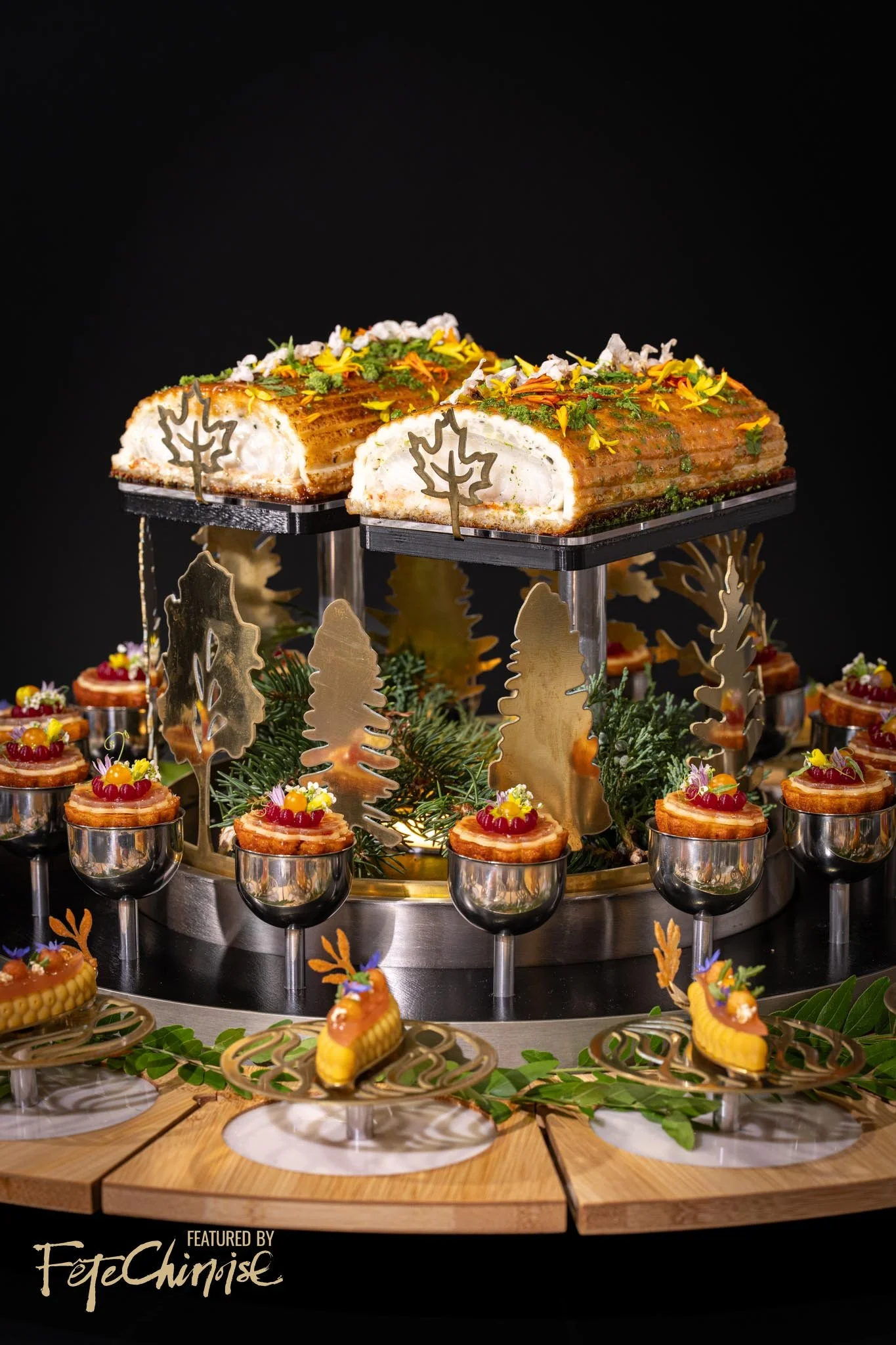
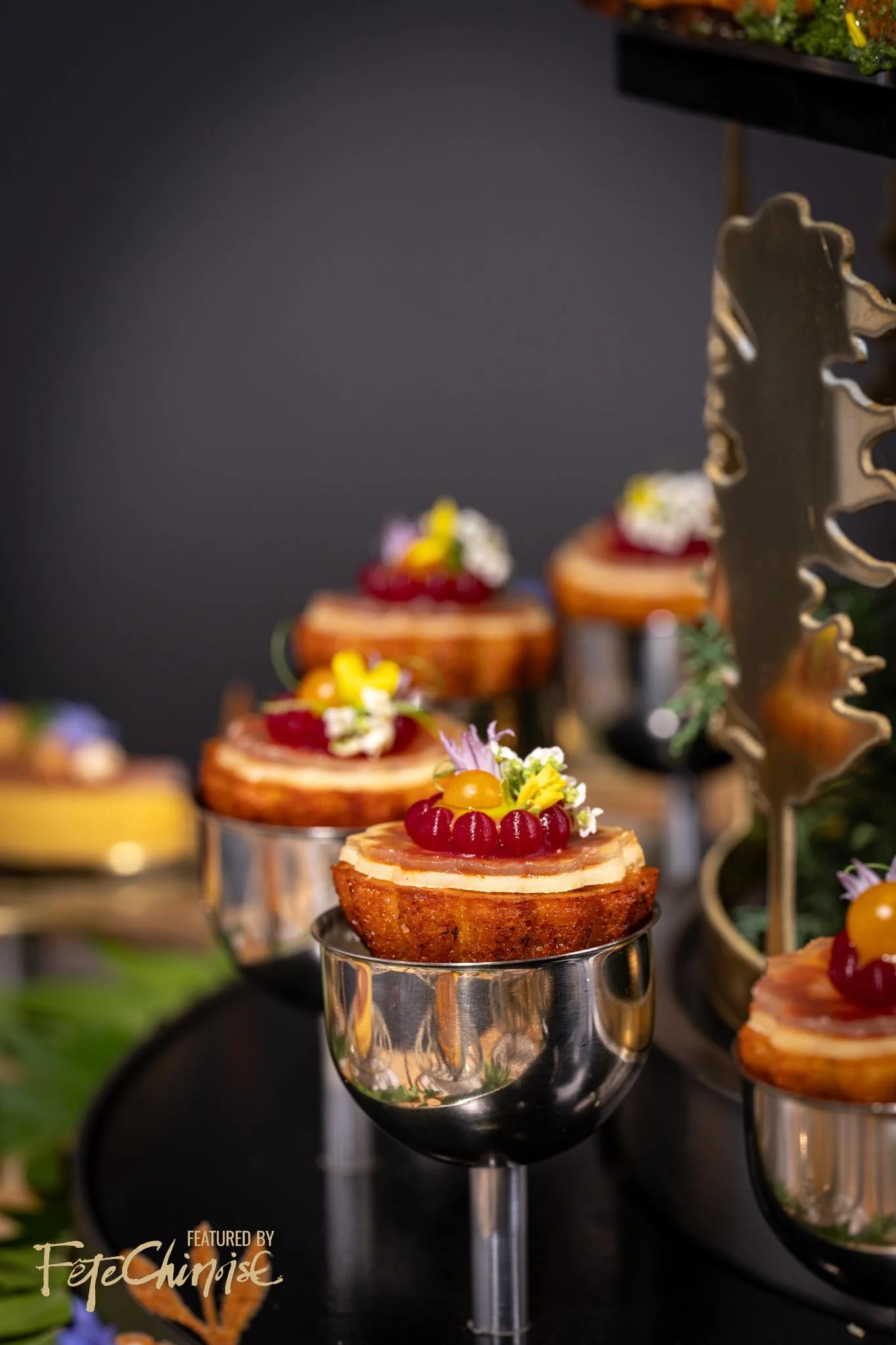
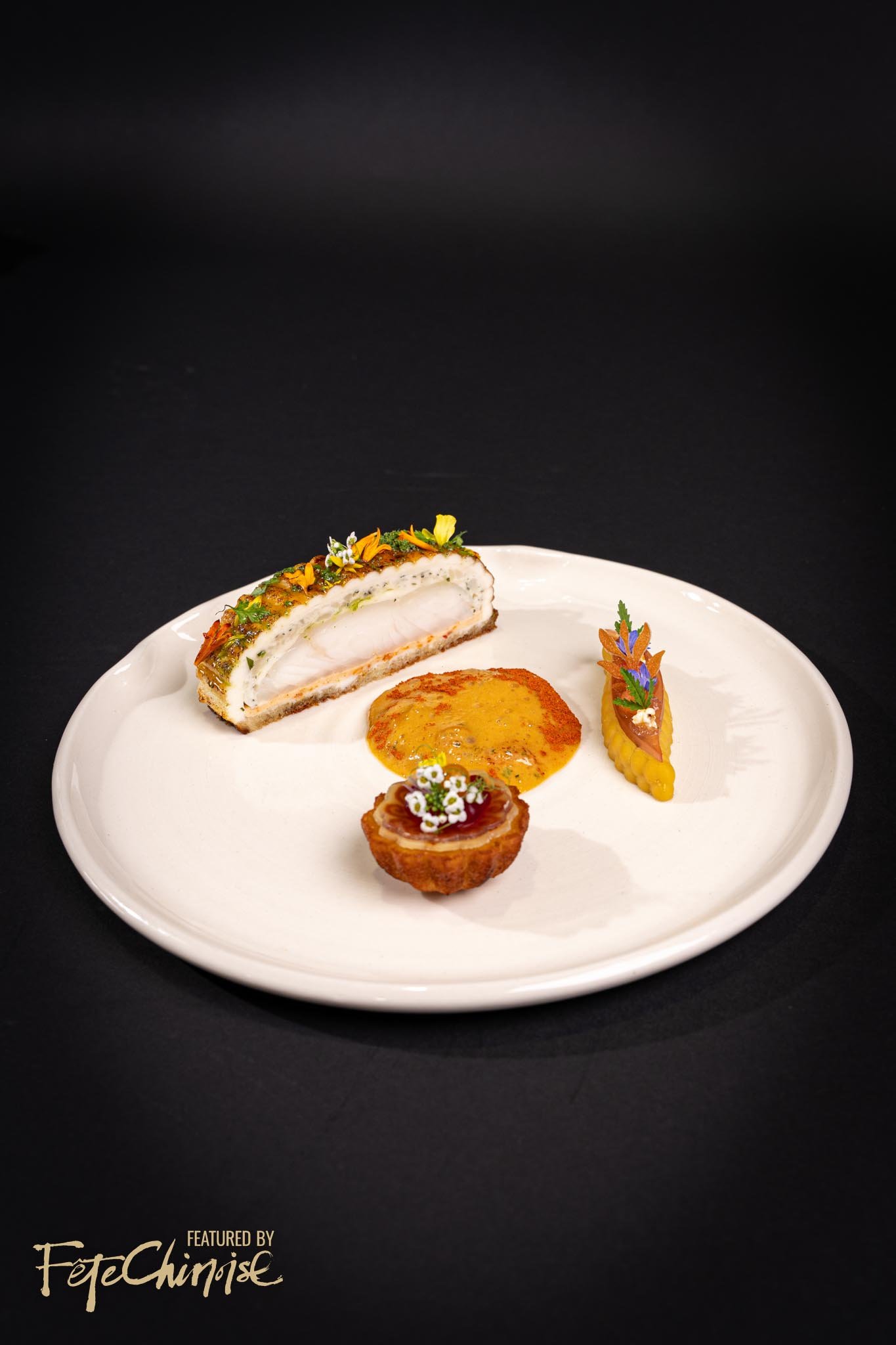
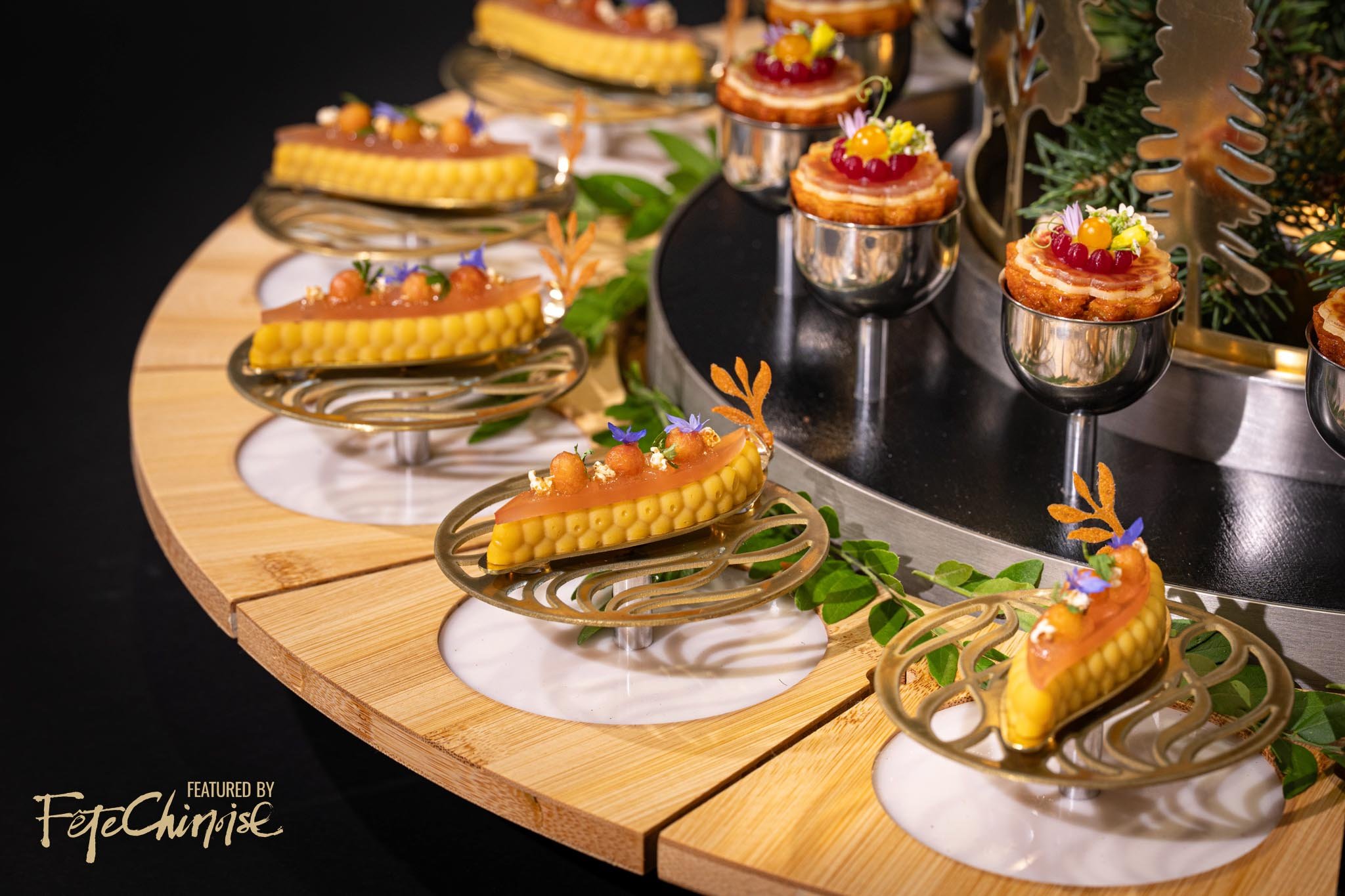
For the theme-on-a-plate course, The Canadian Canopy, Chef Pears shifted the focus to rich, grounding earthiness. The dish centered on a tender confit ribeye crusted in reserve spices and a succulent brisket showpiece. Here, Chef Pears subtly wove his Chinese-Canadian heritage onto the plate, incorporating a Chinese-BBQ-spiced farce and a crisp curry leaf crumble. The entire plate was bound together by a national tribute: Canadian artisan coffee from Bespoke Barocco, treated not as a drink, but as a warm culinary spice that infused the Café au Lait sauce, a shallot jam, and a glossy espresso crémeux.
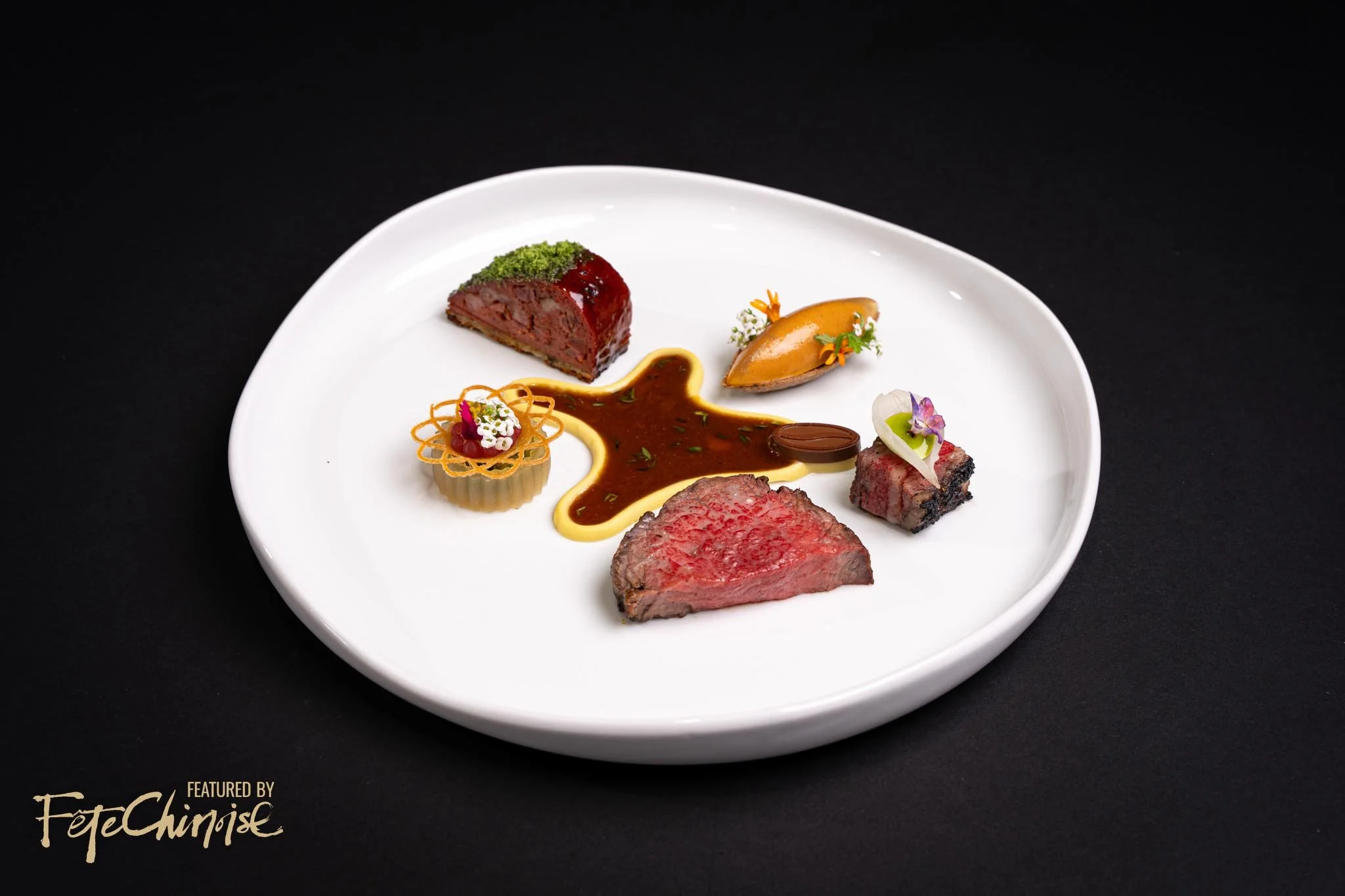
The Canadian Canopy
For Chef Pears, returning to the Bocuse d'Or was as much about leading his crew as it was about perfecting the plate. Having been through this high-pressure stage before, he approached the Americas competition with seasoned calm. "Everything felt familiar, but I was still so excited for it," Keith shares. "You know what to expect mentally and physically, so you are more prepared for what’s ahead of you."
With the Americas selection behind them, the real marathon begins as the team prepares for the Global Grand Final in Lyon in 2027. Moving from North America to France introduces major operational challenges, from fundraising and adapting to European power standards to shipping specialized equipment overseas. "Ingredients will be different, so we’re working backwards on our timeline with R&D to ensure we are prepared for anything and everything," Pears explains. Supported by commis Joseph Mongillo, coach Johnson Wu, Chef Keith Pears leads a formidable unit. As Team Canada turns its sights toward France, their silver-medal performance proves they have both the collective heart and technical mastery to compete for gold on the world’s grandest stage.
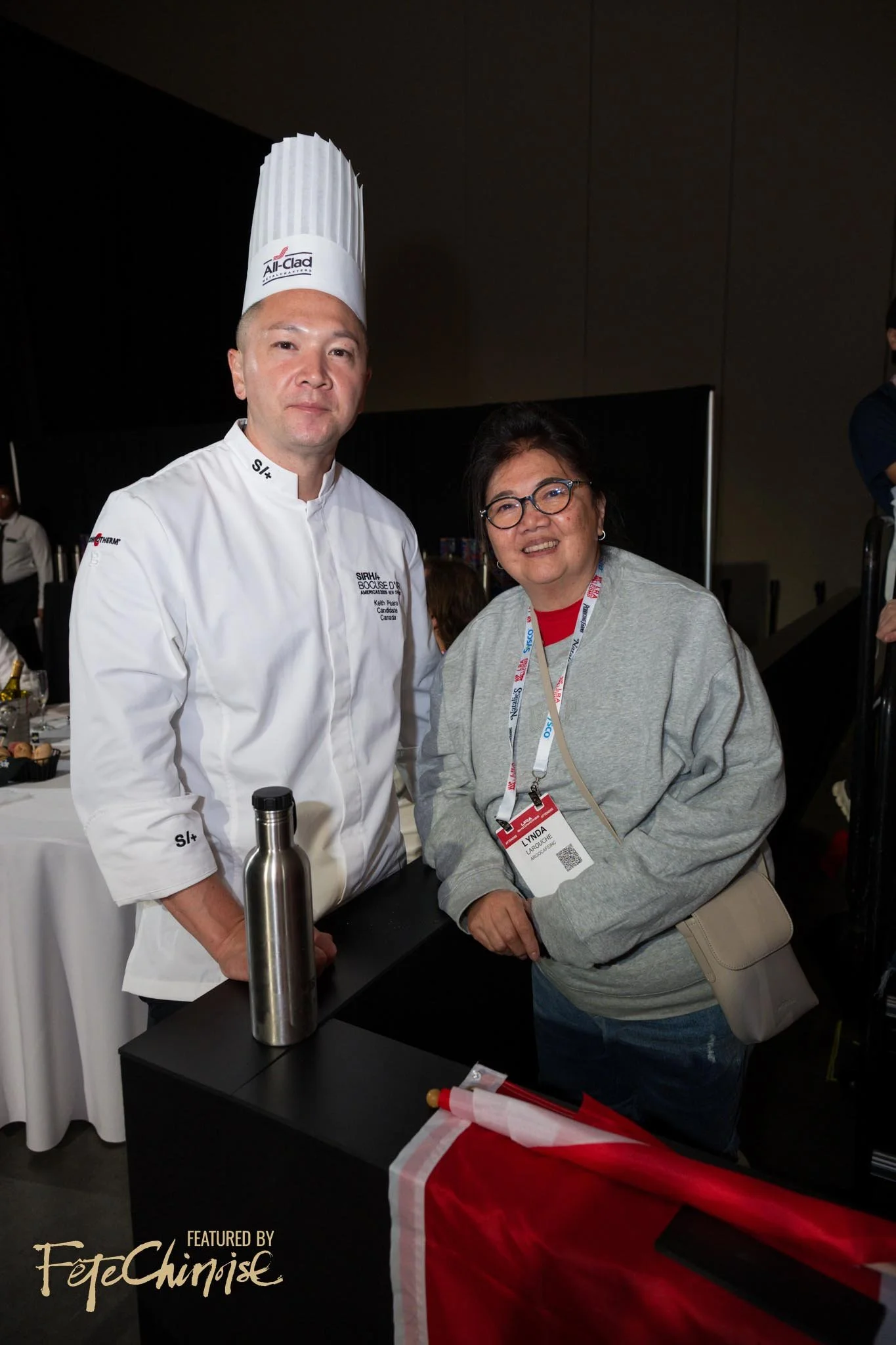
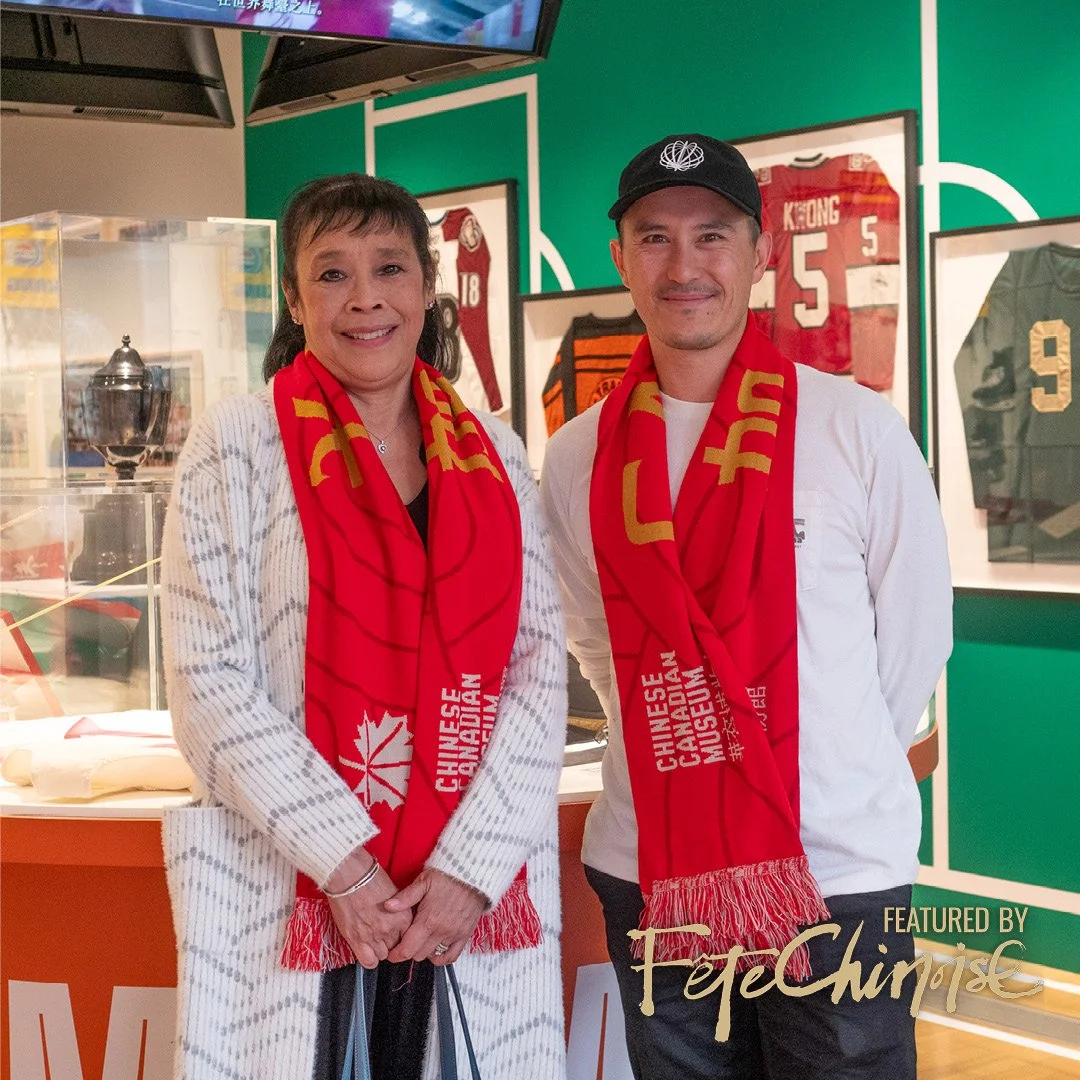
Chef Keith pears & Mom Chef Lynda
More from Fête Chiniose


Wine, in many ways, is fascinating because it has the ability to preserve the taste of time. When Eastern flavours meet Western vintages, culture and sentiment naturally begin to intertwine at the table, creating a dialogue that adds depth to every shared occasion.
We are sincerely grateful to celebrity wine expert Bernice Liu for sharing her thoughtful perspective with Fête Chinoise on pairing Chinese cuisine with wine during festive occasions. Through her refined sensibility, she invites us to rediscover culture through the lens of each dish and its accompanying wine pairing.