
Mimi Chinese: Tradition, Memory & the Evolution of Cantonese Cuisine 美美:傳統、記憶與粵菜的當代演變
Written by 撰文: The Fête Chinoise Team • Menu by Braden Chong
Photography: Calvin Lee
Art Direction : Deborah Lau-Yu
As Featured in Fête Chinoise The art of Celebration Annual Edition No.3

In this chapter, Mimi Chinese returns to the language of memory, reinvention, and quiet abundance. Under Chef Braden Chong’s vision, familiar Cantonese forms are reinterpreted through a contemporary lens—where tradition is not replicated, but carefully reassembled through place, season, and instinct.
Rooted in the spirit of celebration that defines the Mid-Autumn Festival—where reunion, harvest, and reflection converge under the fullness of the moon—each dish becomes both gesture and offering. From the tactile pleasure of shared plates to the precision of technique hidden beneath restraint, the menu moves between nostalgia and invention, between the comfort of the familiar and the intrigue of the unexpected.

Here, Chinese Canadian and Chinese American memories are not treated as reference points, but as living expressions of a diaspora cuisine constantly in motion—shaped by migration, abundance, and adaptation. The result is a table that feels both deeply personal and expansively cultural, where every plate carries echoes of heritage while quietly writing something new.
This is not a fixed idea of tradition. It is a celebration of how it continues to evolve—one dish, one memory, one moment at a time.
在 Mimi Chinese ,主廚 Braden Chong 張一飛以當代視角重新詮釋粵菜。不是複製傳統,而是在新的語境中將其拆解、重組,並隨著地域、季節與主廚的直覺持續生成。
這份菜單的靈感來自中秋節所承載的意義——團圓、收成,與對時間的回望。每一道菜既是一種料理表達,也是一種款待的心意。從共享餐碟之間的共食愉悅,到隱藏於克制之中的精準技藝,整個菜單在懷舊與創新之間流動,在熟悉與未知之間交錯。
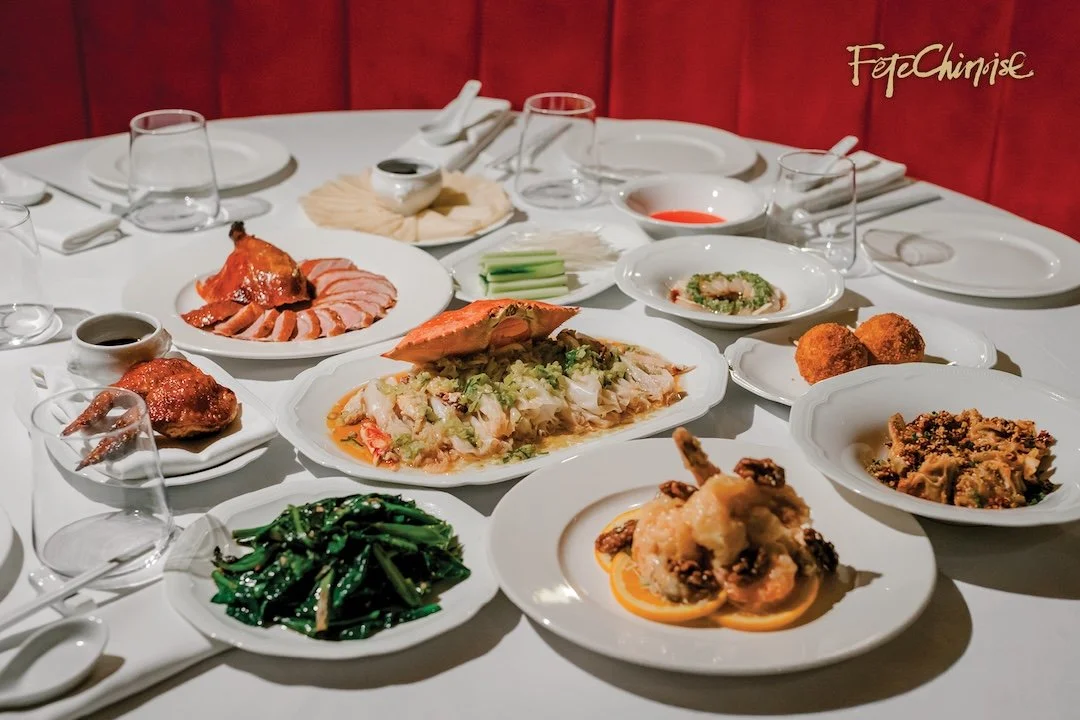
菜單融合華人移民在加拿大與美國的飲食記憶。這些記憶並非遙遠的參照,而是在移民與生活經驗中持續被重塑的文化片段。它們構成一種流動的飲食語言,既回應文化的根源,也不斷生成新的可能。
傳統並不是一個固定的概念,而是一個持續演變的過程 —— 一道菜,一段記憶,一個瞬間。
Stuffed Crab Claws
Made with Canadian snow crab and stuffed with black tiger prawns and chives, this dish reimagines a classic banquet favourite through Mimi Chinese’s contemporary lens. Inspired by Chef Braden's memories of celebratory Chinese banquet meals, it pays homage to the oversized shrimp dumplings often served on special occasions —
a childhood favourite of Chef Braden Chong’s, especially when dipped in red vinegar, a pairing he remembers fondly from family gatherings.

Chaoshan Marinated Raw Scallop
Inspired by the raw marinated seafood traditions of Chaoshan cuisine, Mimi Chinese presents the natural sweetness and pristine quality of scallops through a delicate curing process. Historically, dishes like these emerged from a need to preserve abundant seafood while maintaining freshness and texture; live seafood was traditionally marinated so it would absorb the seasonings while remaining plump and tender. Even within the Chaoshan region, the dish is reserved for seafood of exceptional freshness and careful handling, typically sourced from highly trusted vendors. The preparation also echoes similar preserved seafood traditions found across Asia, such as Korean raw marinated crab and fermented skate fish — bold, deeply cultural flavours that can be an acquired taste.

Steamed BC Dungeness Crab with Fresh Cheung Fun
A childhood favourite reimagined, this dish transforms the comfort of classic Cantonese cheung fun into a luxurious seafood experience. Delicate rice noodle rolls are paired with hand-picked Canadian Dungeness crab, allowing the sweetness of the crab to shine without the work of picking through shells. The silky noodles absorb the crab juices and light soy-based broth, while traditional Cantonese flavours of ginger, soy sauce, and chive bring balance and restraint to the dish. Rich crab fat tucked beneath the shell is also incorporated, adding depth and unctuousness while honouring the Cantonese practice of using every part of the seafood.

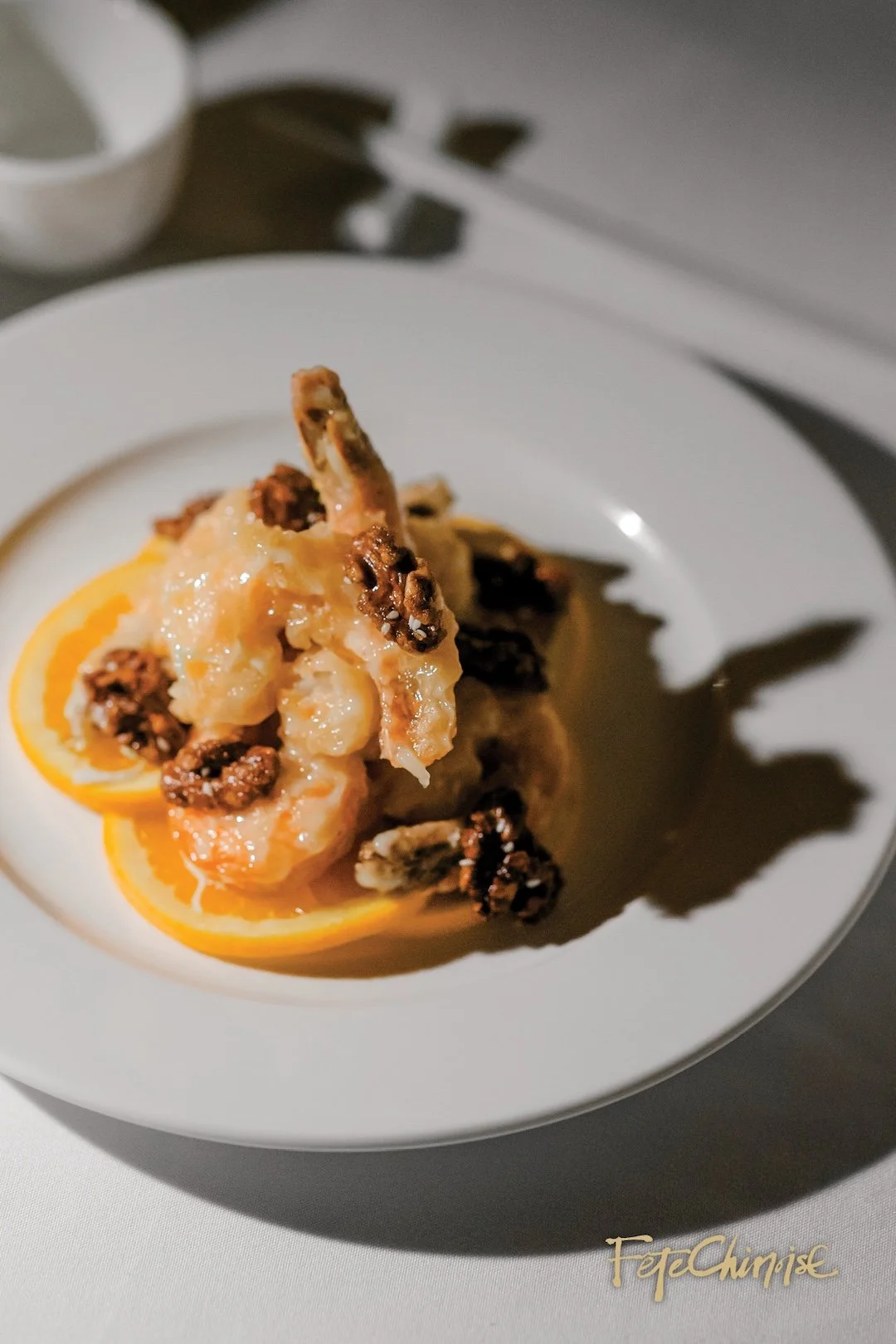
Honey Walnut Shrimp
This dish draws from a classic Chinese Canadian and Chinese American favourite, Mimi Chinese reinterprets a familiar classic through the restaurant’s contemporary lens — a hallmark of Chef Braden Chong’s approach to menu development, where occasionally traditional Chinese dishes are reimagined using unexpected & unconventional techniques and ingredients. Though widely recognized across North American Chinese restaurants, the dish traces its roots to Hong Kong,
where the creamy mayonnaise-based sauce and candied walnuts are believed to have emerged as a fusion creation during the era of British colonization.
Chicken Wonton
Created as a more restrained expression of a classic comfort food, Mimi Chinese’s dry wontons focus on purity of flavour and balance rather than heavy sauces or embellishment. Each delicate wrapper holds a juicy, lightly seasoned filling, dressed simply with house-made chili oil, sweet soy sauce, and ground sesame powder. Served without broth or noodles, the dish reflects the style of dry wontons often enjoyed as a shared side alongside other dishes at the table — in contrast to the more familiar wonton noodle soup, traditionally eaten as a quick and satisfying meal on its own.

Stuffed Chicken Wings with Sticky Rice, Mushroom, and Bamboo
Deceptively simple in appearance, Mimi Chinese’s stuffed chicken wings reveal layers of technique and texture with each bite. The preparation has evolved over the years to refine the colour, texture, and overall eating experience, resulting in a delicately deboned wing filled with savoury sticky rice — chosen for its satisfying contrast against the crisp chicken skin. Inspired by the traditional dish of whole chicken stuffed with stir-fried sticky rice, this version offers a more approachable, individual serving while preserving the spirit of the original. The dish also reflects a longstanding culinary tradition in Chinese banquet cuisine, where chefs demonstrate precision and craftsmanship by transforming the chicken wing into a wrapper for luxurious fillings ranging from seafood and tofu to prized delicacies such as crab, bird’s nest, or shark fin.

Stir Fried Seasonal Greens
Seasonal Chinese greens are an essential part of the dining experience at Mimi Chinese, with varieties changing throughout the year — from gai lan and bok choy to achoy, celtuce, and lettuce stem. Simply cooked in the wok with garlic and Chinese wine, the dish highlights the natural freshness and character of each vegetable. In Cantonese cuisine, greens provide both nourishment and balance, offering a light, refreshing counterpoint to richer fried or braised dishes. A staple at nearly every Chinese meal, vegetables are traditionally prepared in a range of classic styles, from stir-fried with garlic or preserved black bean to gently blanched with oyster sauce.

Peking Style Roasted Duck
A cornerstone of celebratory Chinese dining, Peking duck is treated at Mimi Chinese as both an art form and an ongoing study in refinement. While not a direct replication of the versions found in Beijing, the restaurant embraces the spirit of the dish by reinterpreting it through locally sourced Ontario duck, aged for two weeks before roasting and meticulously carved for service. Often associated with festive occasions such as Mid-Autumn Festival, the dish is served with pancakes, offering a shared, interactive dining experience rooted in tradition and celebration. The preparation reflects the evolving nature of this iconic dish — one that, despite its long history, continues to be refined by chefs around the world. At its heart, the crisp, lacquered skin remains the most prized element, celebrated as much as — if not more than — the tender meat itself.


On reimagining traditional Chinese cuisine through a contemporary lens, Chef Braden Chong emphasizes that the foundation of Mimi Chinese’s approach is a commitment to representing Chinese food and culture with care and authenticity. This often involves applying traditional techniques to local or seasonal ingredients that may not typically be found in China, or conversely, taking classic Chinese ingredients and recipes and reinterpreting them through years of professional culinary experience to create something new and distinctive.
While innovation plays an important role, the cuisine is always grounded in its origins, ensuring it does not stray too far from its roots. Inspiration is drawn widely — from cookbooks, global restaurants, food trends, and beyond — with the aim of crafting a dining experience that is joyful, welcoming, memorable, and deeply reflective of the richness and depth of Chinese cuisine.

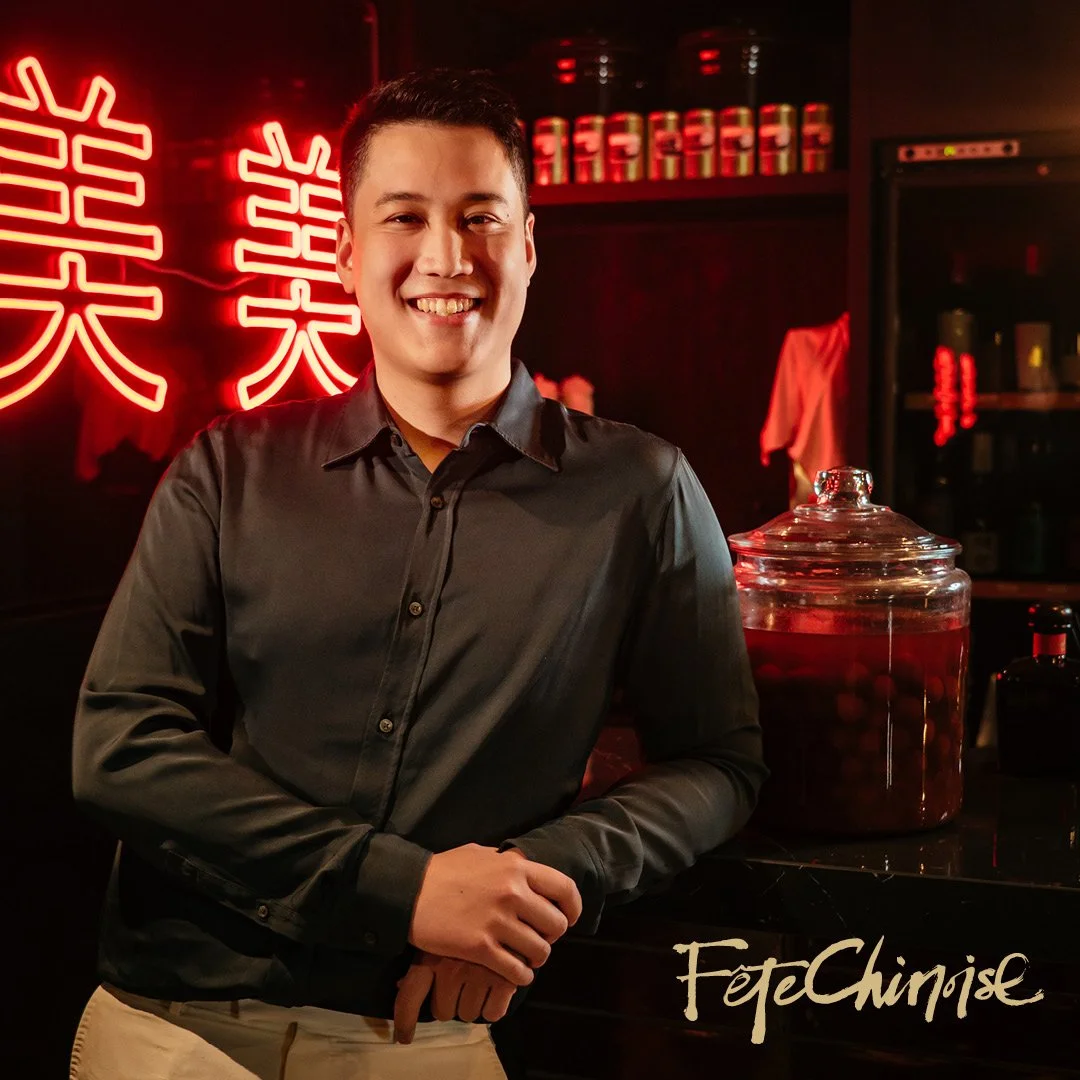
Braden Chong
Executive Chef, Big Hug Hospitality
Born in Toronto as a third-generation Chinese Canadian, Braden Chong’s culinary path is deeply rooted in his family’s heritage. Raised by Chinese immigrant grandparents who were farmers, he grew up surrounded by food, culture, and tradition. His father’s family cultivated Chinese vegetables supplied to local restaurants, an early foundation that continues to shape his approach to cuisine.
Originally uninspired by his university experience, Chong ultimately followed his passion into the kitchen. With his family’s support, he enrolled at George Brown College, where his culinary journey began. His first kitchen role was at Porchetta & Co. With no formal experience, he sought an opportunity and found an early mentor in the chef-owner, who helped guide his path into professional kitchens.
Chong went on to work in acclaimed Toronto restaurants, before expanding his perspective internationally. In 2019, he moved to Japan, working at Michelin-starred Sazenka in Tokyo and Lurra in Kyoto. These experiences refined a style that blends Japanese precision with cultural exploration and curiosity.
In Toronto, Chong first met David Schwartz, now Culinary Director and Co-Founder of Big Hug Hospitality, while both were line cooks. Years later, Schwartz asked him to help launch Mimi Chinese. Chong joined as Executive Chef and partner, helping shape the restaurant into a distinctive expression of regional Chinese cuisine.
Today, as Executive Chef of Big Hug Hospitality, Braden Chong oversees Mimi Chinese and Sunnys Chinese, continuing to explore and reinterpret the richness of Chinese culinary cuisine.

More from Fête Chiniose
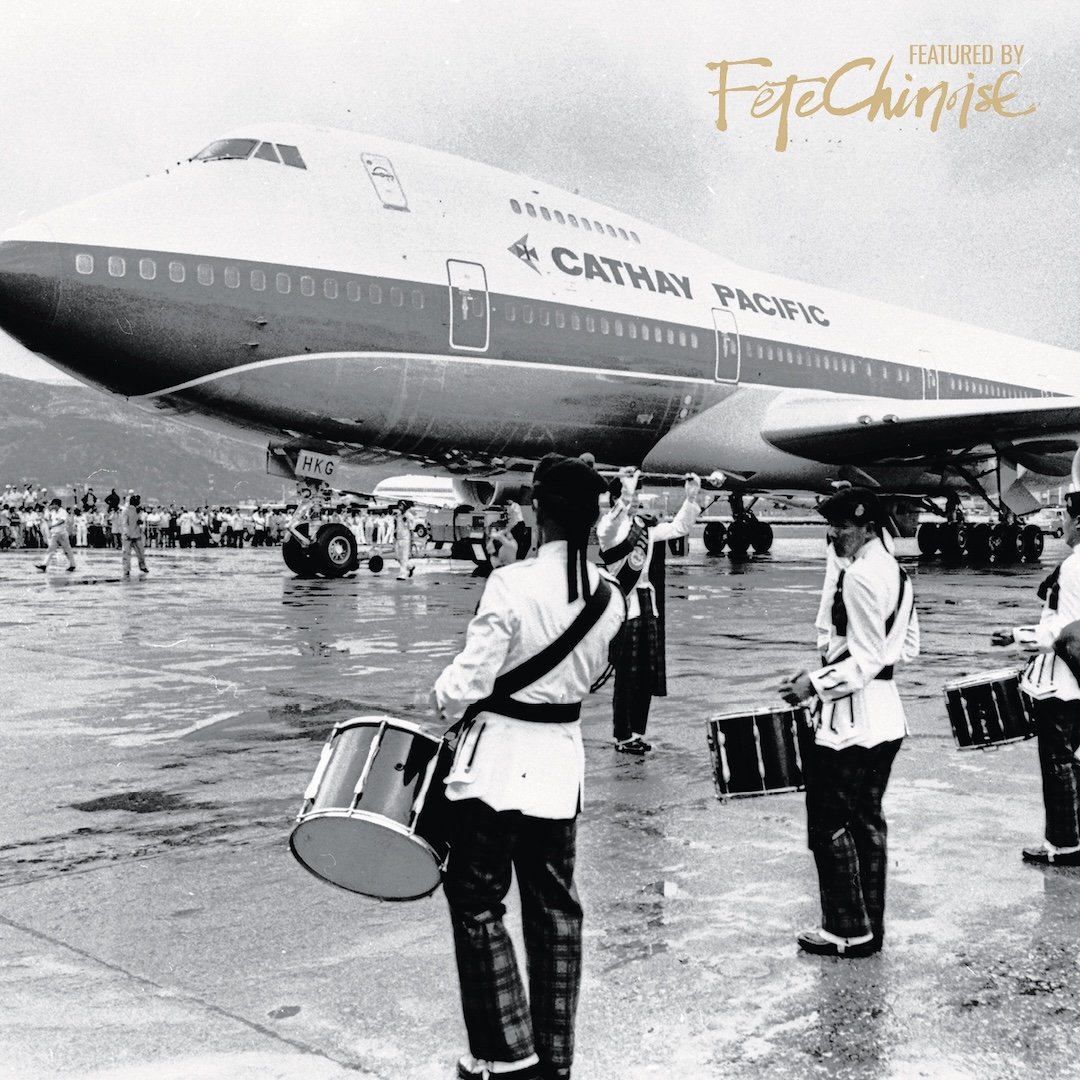



Wine, in many ways, is fascinating because it has the ability to preserve the taste of time. When Eastern flavours meet Western vintages, culture and sentiment naturally begin to intertwine at the table, creating a dialogue that adds depth to every shared occasion.
We are sincerely grateful to celebrity wine expert Bernice Liu for sharing her thoughtful perspective with Fête Chinoise on pairing Chinese cuisine with wine during festive occasions. Through her refined sensibility, she invites us to rediscover culture through the lens of each dish and its accompanying wine pairing.