Flowers & Symbolism 花卉寓意
Written by 撰文: Nancy Koh
Photography: The Fête Chinoise Team
Floral Arrangement: Peony Wedding Floral
As Featured in The Art of Celebration Annual Edition No.2

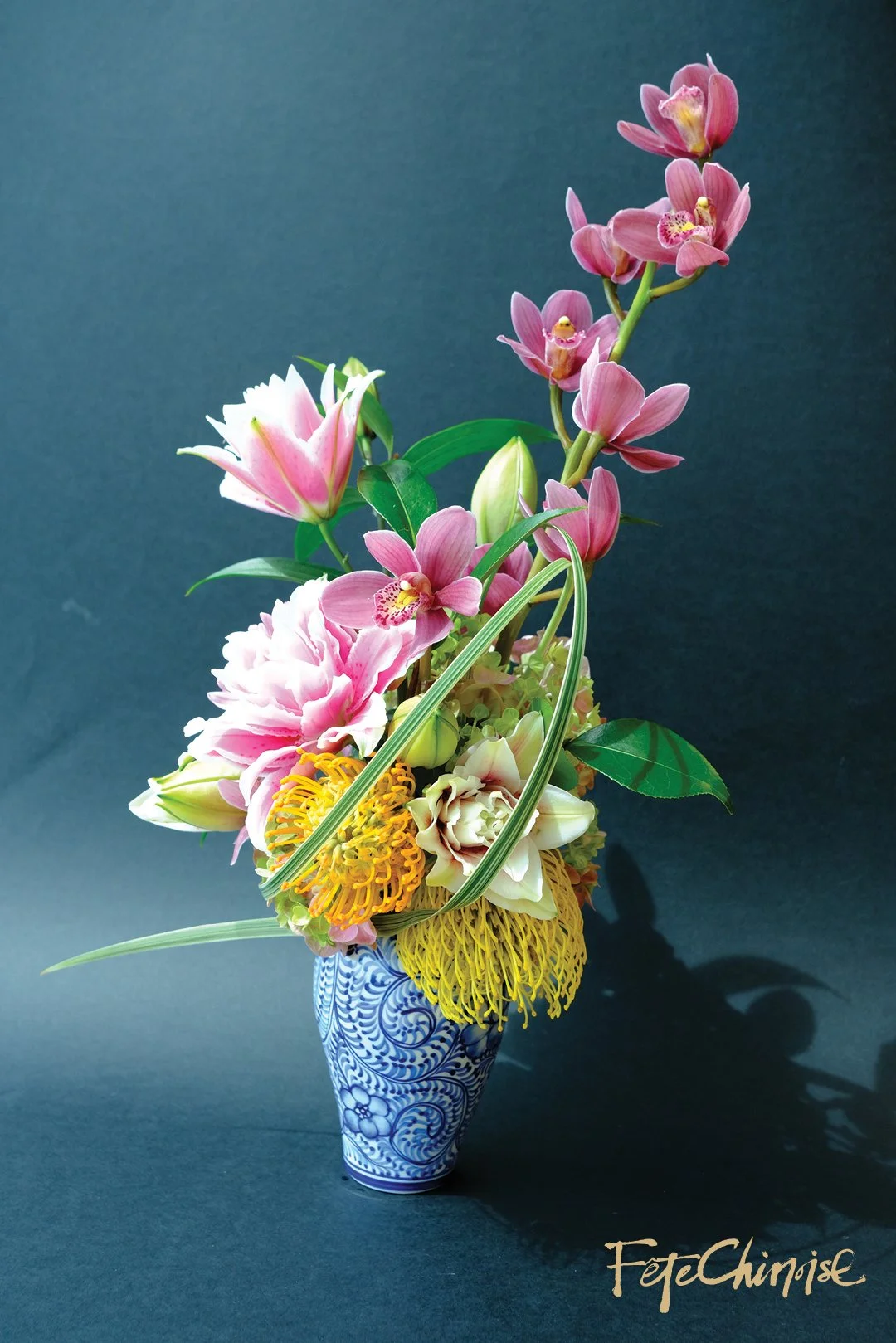
Flowers play a central role in celebrations across cultures, serving as symbols of love, prosperity, purity, and joy. Their role in the decor for weddings, festivals, and milestone events reflect deep-rooted traditions and evolving modern practices. In Chinese culture specifically, flowers carry deep symbolic meanings grounded in history, philosophy, art, literature, and traditional values, and are often chosen for celebrations like weddings and Chinese New Year based on their respective auspicious connotations.
Floral choices for weddings are focused on love, harmony, happiness, and fertility. Choosing the right flowers ensures the wedding is not only beautiful, but also favorable according to the traditional beliefs. In contrast, flowers displayed during Lunar New Year symbolize good fortune and luck, wealth, and prosperity for the coming year. Bright red and gold flowers are especially popular as they align with the festive colours of Chinese New Year.
Some unique species of flowers found in art and gardenscapes in traditional Chinese culture, including lotus and plum blossoms are significantly symbolic, but are rarely used or might even hold different meanings in Western celebrations. On the other hand, white flowers like lilies and chrysanthemums symbolize mourning in China, but represent purity in the West and therefore are used in joyous occasions — quite the contrast in its role and meaning between the East and West.
In contemporary celebrations, traditional floral symbolism is being reinterpreted in fresh, innovative ways that blend cultural heritage with modern aesthetics.
在各種文化中,鮮花於慶祝活動裡扮演著核心角色,象徵愛情、繁榮、純潔與歡樂。無論是婚禮、節慶或人生的重要里程碑,花卉的運用既體現深厚的傳統,也反映當代習俗的演變。在華人文化中,花卉更承載著根植於歷史、哲學、文學與傳統價值的深刻寓意,人們常根據其吉祥內涵,為各種慶典精心挑選合適的花種。儘管根據不同場合,所選花卉的品類與象徵意義各有不同,但花卉在華人婚禮與農曆新年等重要節慶中,始終佔有重要地位。
婚禮用花聚焦於象徵愛情、和睦、幸福與子嗣綿延,選對花卉不僅能為婚禮增添美感,更符合傳統對吉兆的講究。年節花卉則強調為來年招來福運、財富與興旺,其中鮮豔的紅色與金色花卉,因呼應農曆新年的喜慶氛圍,尤受青睞。
中國文化中有幾種深具象徵意義的花卉,在西方慶典中卻較少使用,或其寓意有所不同。例如蓮花與梅花在中國文化中蘊含高潔與堅韌之意,但在西方婚禮中並不常見;而百合、菊花等白色花卉,在中國多與哀悼相關,在西方則代表純潔。
當代風格婚禮與慶典正以嶄新創意重新詮釋傳統花卉的寓意,巧妙融合文化底蘊與現代美學。
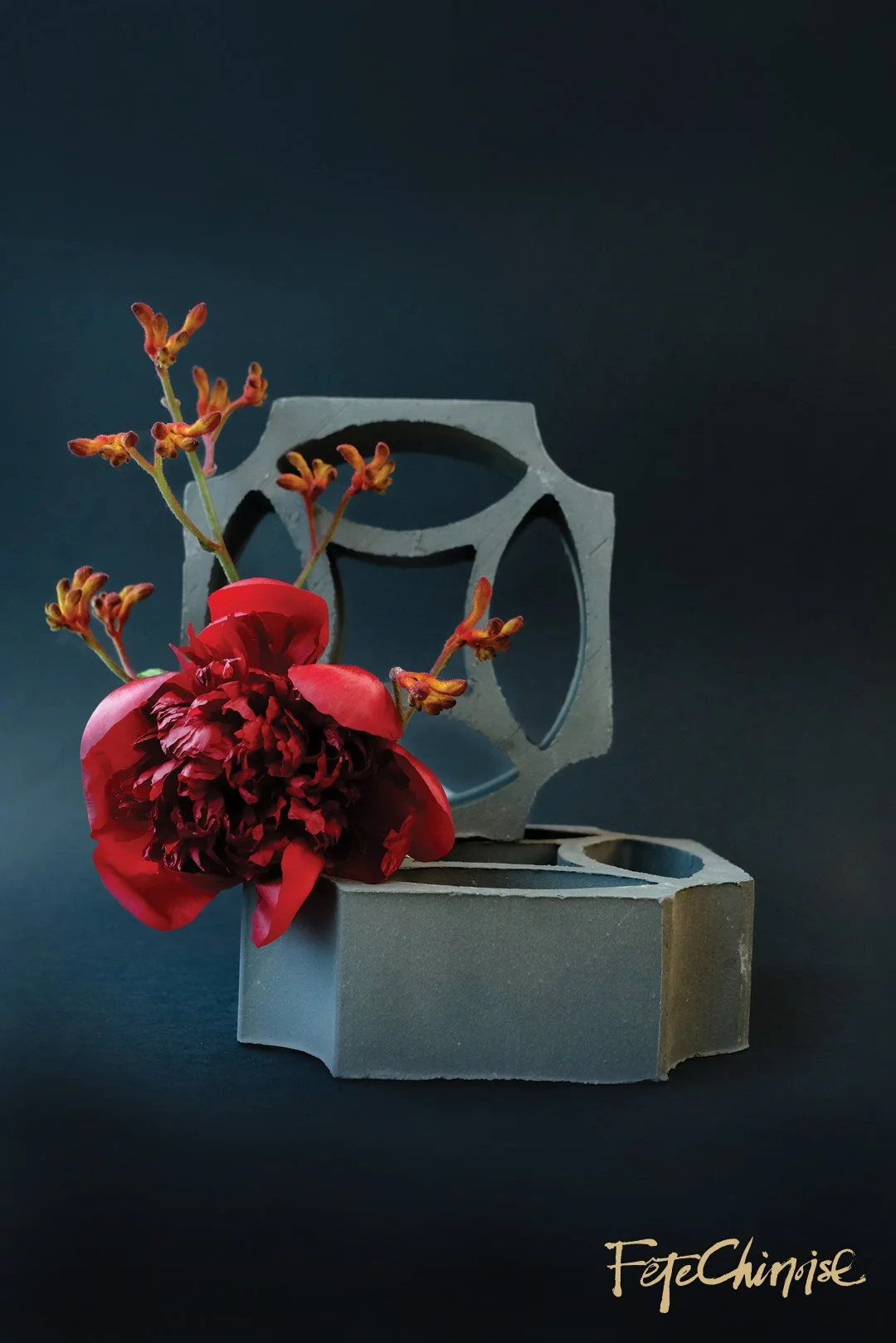
Peonies remain a top choice for weddings. Known as the flower of romance, peonies represent honour, affection, happiness in marriage, and feminine beauty. They are a popular motif in weddings and love poetry. Blooming in spring, peonies also signify renewal, vitality, and the beauty of nature. In weddings, designers now use them in minimalist installations, suspended floral hoops, or gradient-colored bouquets for a contemporary twist. Because their lush, full blooms symbolize abundance, wealth, prosperity and good fortune, they are also a popular choice for Lunar New Year. The peony’s position in Chinese horticulture is very special because it holds the title of “Emperor of Flowers.”
素有「富貴之花」美譽的牡丹,是婚禮中的常見首選。作為象徵傾心愛慕、婚姻美滿與女性韻致的「愛情花」,牡丹常見於婚禮佈置與情詩題詠中。其層疊盛放的華美姿態,寓意豐饒祥瑞;逢春綻放的特性,亦賦予其新生、活力與自然之美的意涵。當代設計師常以極簡花藝裝置、懸浮花環或漸層色系手捧花,為牡丹注入現代詮釋。農曆新年期間,牡丹更是財運亨通與繁榮昌盛的吉祥象徵。
The Lotus flower is a timeless emblem of moral strength, spiritual growth, and beauty in Chinese culture. The lotus grows from muddy waters yet emerges unstained, symbolizing the ability to remain virtuous and uncorrupted despite a challenging environment. In Chinese Buddhism, the lotus represents purity of the mind and soul. In wedding decorations, the lotus has made rare appearances in centerpieces with sleek glass vases or floating candle arrangements, merging tradition with modern tablespaces.
蓮花出淤泥而不染,自古以來象徵著身處逆境仍能保持高尚品德的高潔與韌性。在中國佛教中,蓮花代表心靈與靈魂的純淨,亦是道德力量、精神成長與優雅的象徵。現代婚禮中,蓮花常以簡約玻璃器皿或浮水蠟燭等形式呈現於主桌花藝,巧妙融合傳統與當代美學。
Hydrangeas symbolize unity, and enduring love, making them a meaningful floral choice for Chinese weddings. Hydrangeas bloom in lush, rounded clusters, representing family unity and the bond between couples. This aligns with traditional Chinese values of harmony in marriage. Hydrangeas are also known for their stunning range of whimsical colours, with the most common tones being pink, purple, blue and white. The fullness of a hydrangea bunch and its reasonable price make it a highly popular choice in modern weddings, especially when paired with its versatility and soft aesthetic.
繡球花象徵團圓與永恆的愛情,其豐盈的球狀花簇寓意家族凝聚與夫妻羈絆,與中國傳統婚姻文化重視和諧的價值觀相契。繡球花色彩柔和多變,以粉、紫、藍、白等夢幻漸層色著稱,因其百搭特性與柔美質感,在現代婚禮中備受青睞。
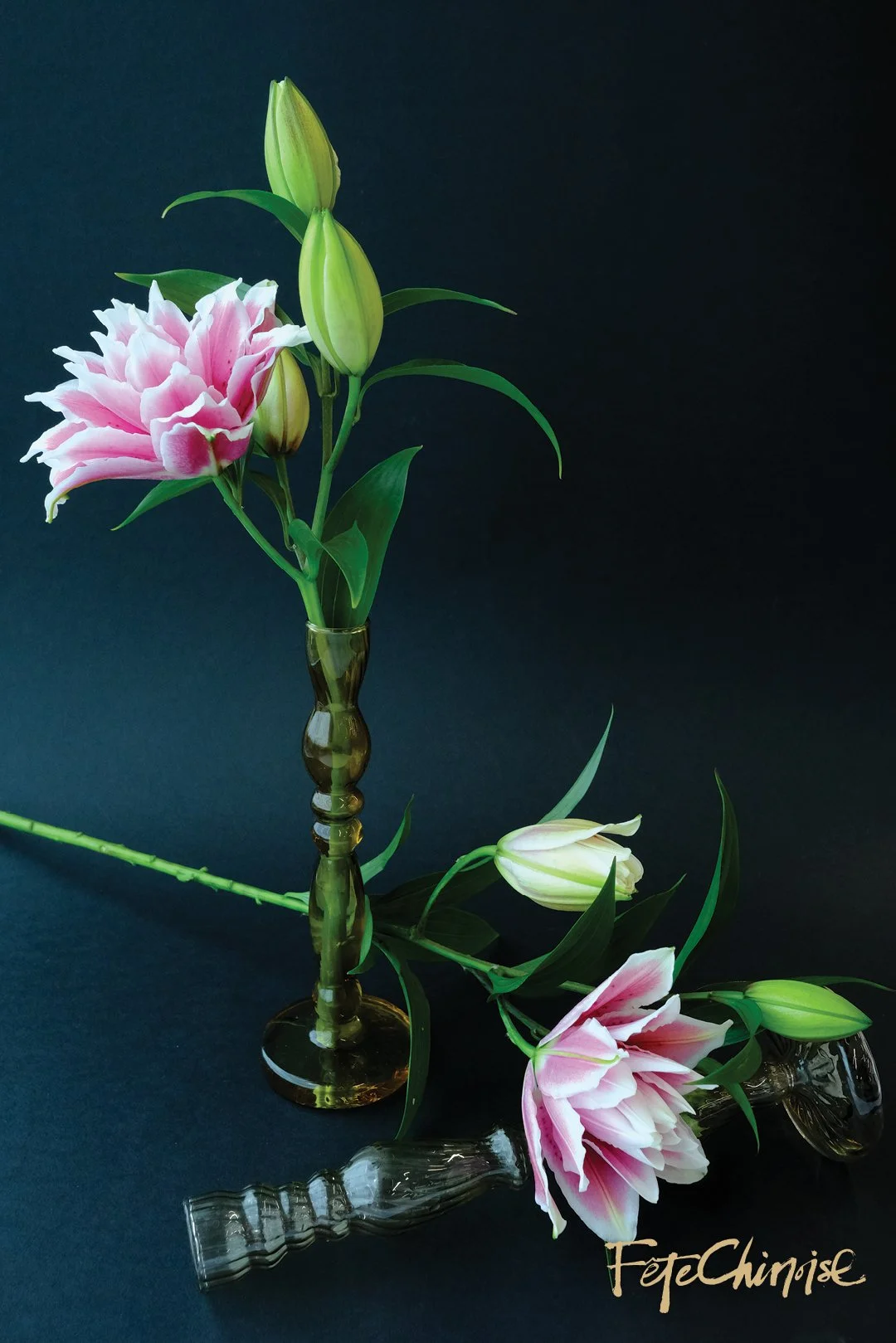
Lilies are primarily associated with harmony, purity, and happy unions. The Chinese name for lily directly translates to "a hundred years of harmony," making it a popular symbol for marriage. They are also given as gifts to couples to wish them a long, lasting love. While white lilies are beautiful,the use of white lilies in funerals means they should be given carefully at all other occasions for Chinese families. Avoid giving them to elderly people or situations where the symbolism might be misunderstood, or choose a happy and auspicious colour.
百合因其諧音「百年好合」,百合在婚禮中象徵美滿婚姻與長久相守,常被用作祝賀花卉。唯需留意,其白色外觀亦與喪儀相關,贈與長輩時應謹慎考量場合與語境。
Cherry Blossoms, as spring flowers, represent new beginnings. Their blooming coincides with the Lunar affection. They are popular in spring weddings, and create a dreamy, romantic ambience, whether they are presented in full-sized faux trees or with a few branches artistically arranged in a tall vase.
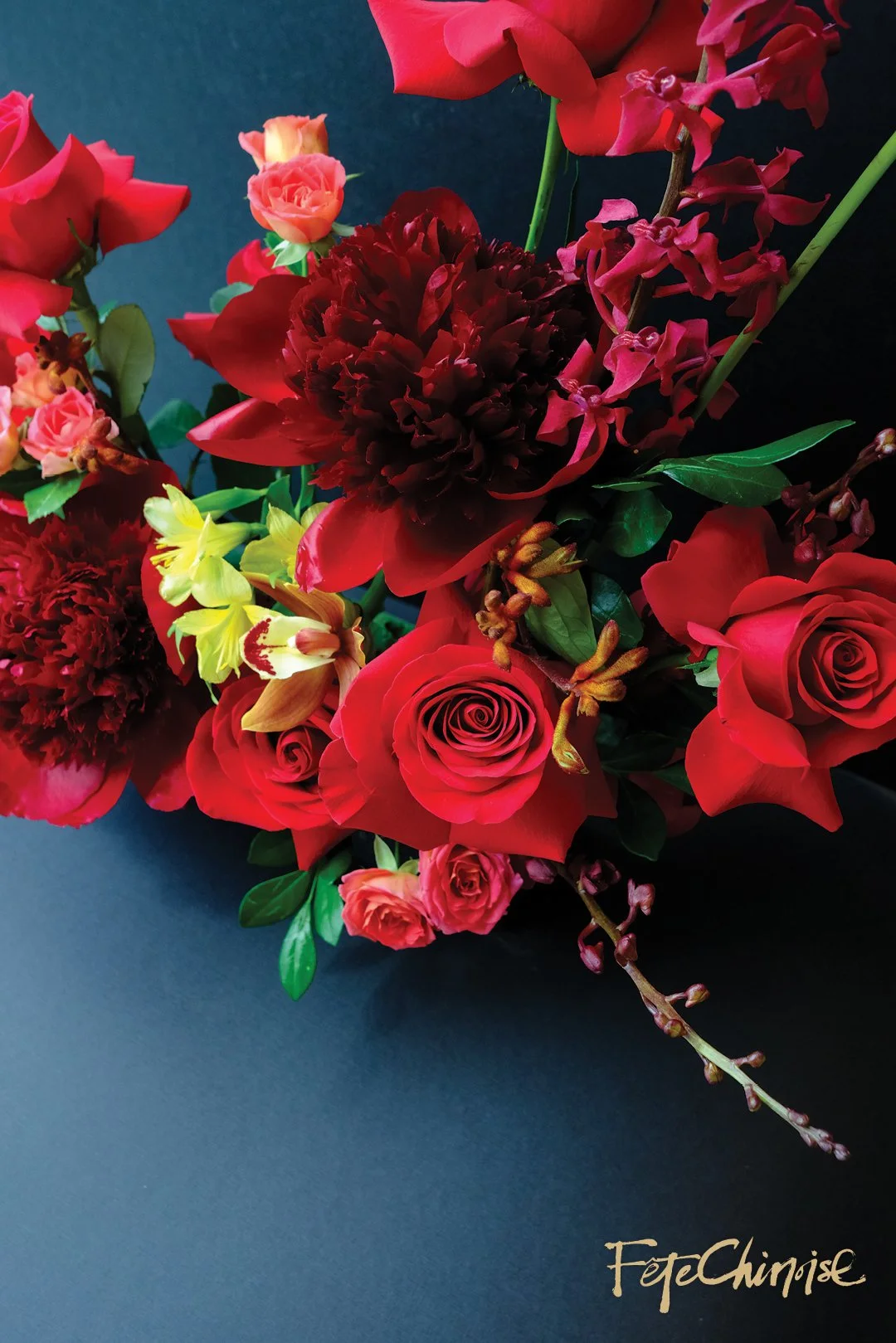
Common flowers like roses are still an all-time popular flower used in weddings as they represent love and passion. Roses come in a variety of colors, each with their own symbolism and beauty. For example, red roses mean love, romance, and desire, while pink roses mean grace, sweetness, and admiration. Western influences have popularized roses for romantic occasions. However, roses can be a fusion of eastern and western styles. For example, when roses are paired with traditional Chinese blooms like peonies and orchids in bouquets and arches, they create a cross-cultural narrative.
In Chinese gifting culture, flowers hold deep meanings and must be chosen thoughtfully. Understanding their symbolism ensures the gift is well-received and culturally appropriate. Different flowers convey distinct messages, making them an important part of celebrations, ceremonies, and social interactions. When gifting flowers in Chinese celebration, avoid gifting in sets of four, as the pronunciation of number "four" sounds like "death", making it unlucky. Preferred numbers would be six meaning luck, eight meaning wealth, or nine for longevity.
櫻花花期恰逢農曆新春,象徵新生。其盛放時,滿樹繁花能營造夢幻浪漫的氛圍,尤其適合春季婚禮。
玫瑰作為經典愛情花卉歷久不衰。紅玫瑰代表炙熱愛戀,粉玫瑰則傳遞溫柔傾慕。當西方玫瑰與東方牡丹、蘭花共構花藝時,更能展現中西文化交融的浪漫敘事。
在中國文化中,送花講究花語與數字寓意,應避免數字四(諧音「死」),以六(順)、八(發)、九(久)等吉數為佳。各種花卉承載著不同祝福,是節慶與社交場合中的重要文化載體。
中國的幸運色彩包括象徵喜慶與好運的紅色,以及代表財富、幸福與繁榮的金色和粉色。這些色彩常見於農曆新年期間的花卉與節慶裝飾中。在現代婚禮設計中,這些傳統色調被巧妙融入當代配色方案,例如漸變花牆或暈染通道裝飾中採用的深酒紅、淡胭脂粉與金屬流光金等。
當代藝術家與設計師正以創意手法重新演繹花卉傳統,將古典寓意與現代設計相融合,以嶄新形式展現中國文化的豐厚底蘊。傳統花卉紋樣藉當代媒介延伸至藝術創作、刺繡時裝、陶瓷創作、舞蹈影像、展覽裝置等多元領域。當千年符碼邂逅現代表現語言,花卉化作流動畫布,既傳承古韻,更綻放出當代文化敘事的新姿態。
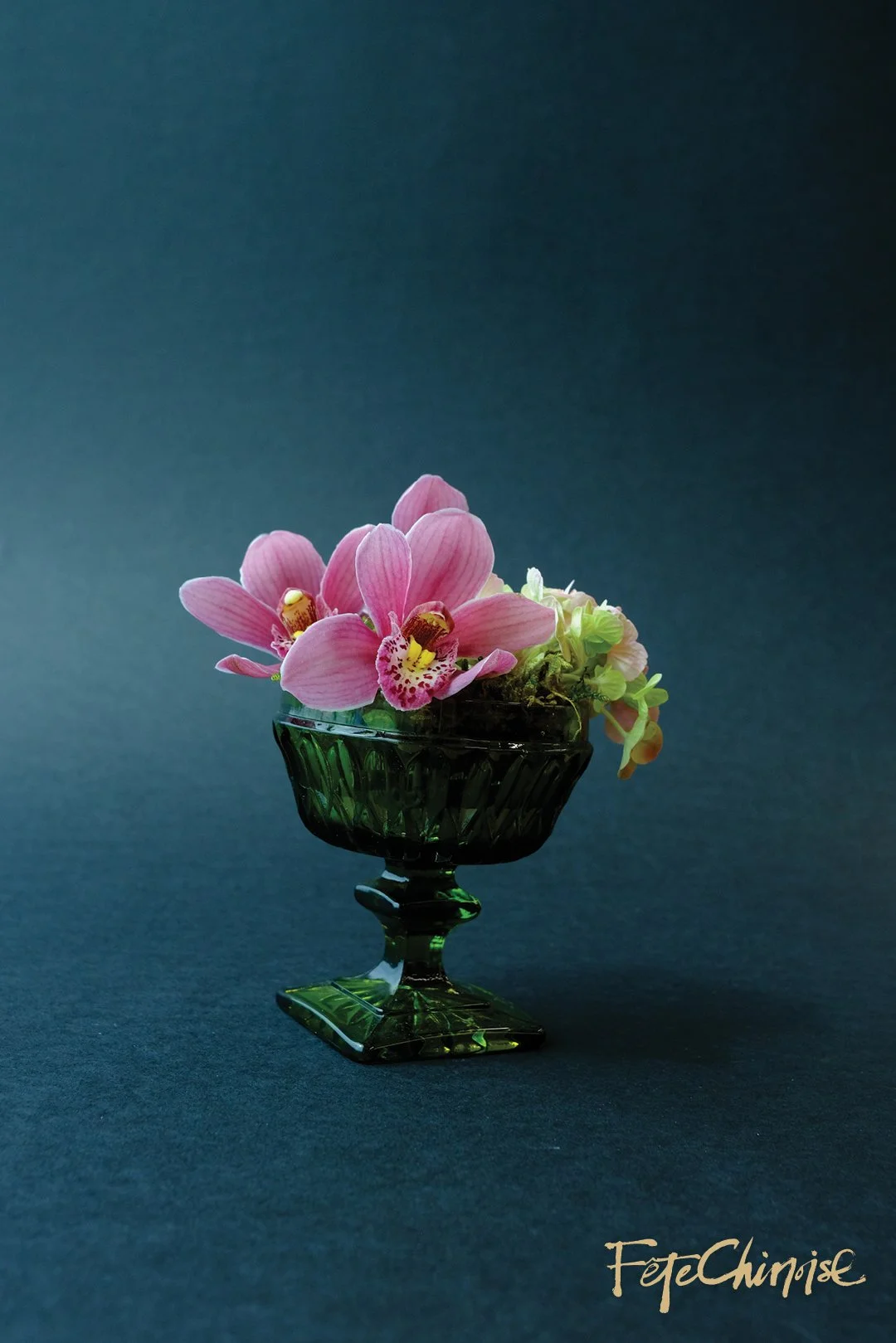
Orchids represent purity and refinement and are highly regarded as noble and elegant flowers. Their delicate beauty and subtle fragrance are associated with refined taste and understated elegance, and they are often used in bridal bouquets and table centerpieces. Phalaenopsis, Dendrobium, and Cymbidium orchids are the most common species of orchids used in wedding decor in Canada.
蘭花以純淨典雅的特質備受推崇,被視為君子之花。蝴蝶蘭、石斛蘭與大花蕙蘭是婚禮常用品種,其纖細花姿與幽微香氣常運用於新娘捧花與宴會桌花,展現低調奢華的品味。
Chinese culture at large considers a few key colours as auspicious symbols of good fortune. The lucky colours are red, to represent joy and luck, as well as gold and pink, which represent wealth, happiness, and prosperity. These colours are often seen in Chinese decor and floral arrangements for Lunar New Year. For weddings, these lucky colours are predominantly incorporated into modern palettes, like deep burgundy, blush pink, and metallic gold in gradient floral walls or ombré aisle decorations. While some hosts will deviate from the traditional route, oftentimes the opinions of elders and family members will still influence the palette to include a sprinkle of what is considered lucky.
As we can see in trends online and in published weddings and celebrations, artists and designers creatively reinterpret floral traditions, blending classical symbolism with contemporary design to showcase China and East Asia's rich heritage in innovative ways. The use of traditional floral motifs and contemporary mediums are being applied to modern art, embroidery and fashion, porcelain inspirations, dance, film and animation, exhibitions, and more. By marrying millennia-old symbolism with cutting-edge expression, flowers become a dynamic canvas, honouring the past while blossoming into new forms of cultural storytelling.
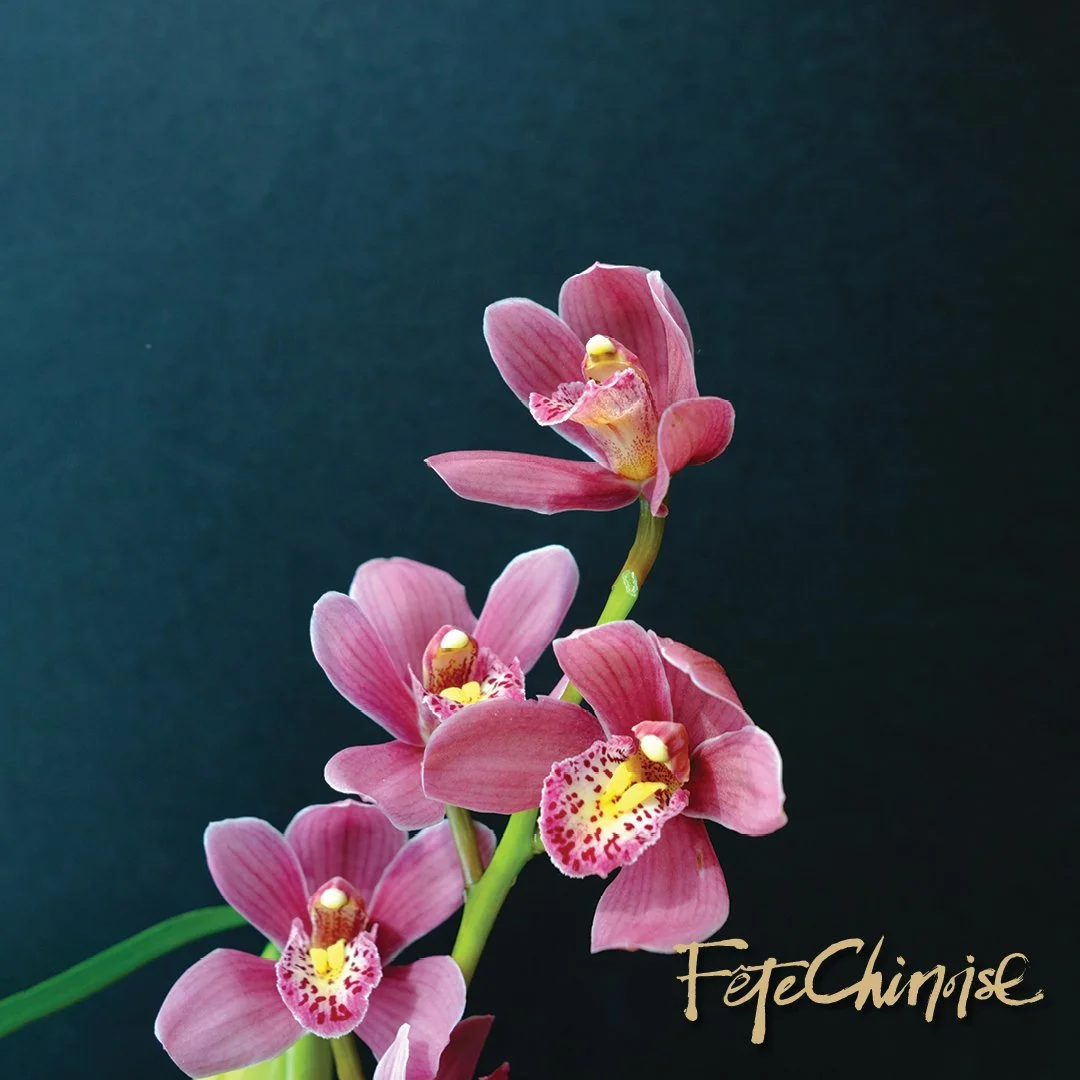
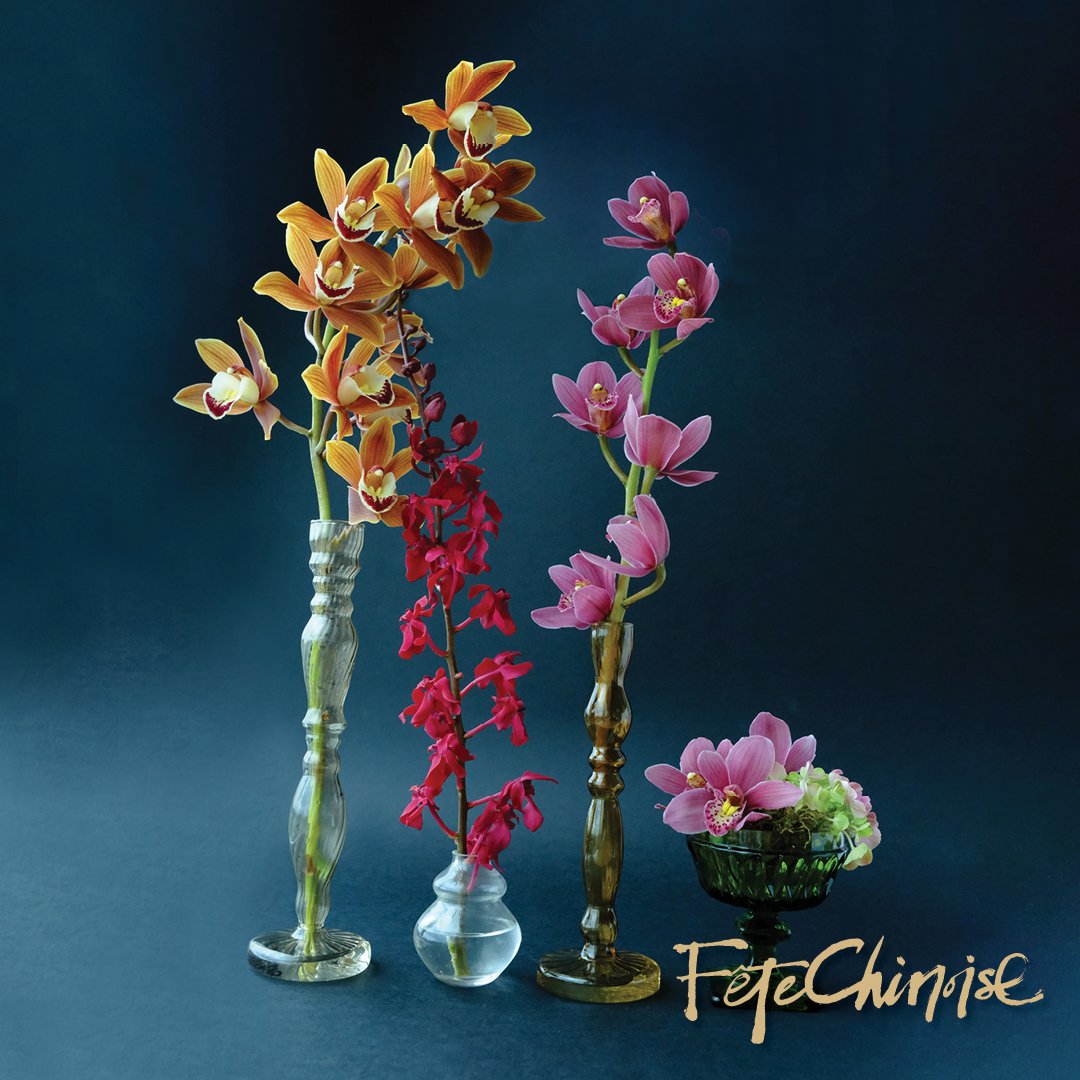
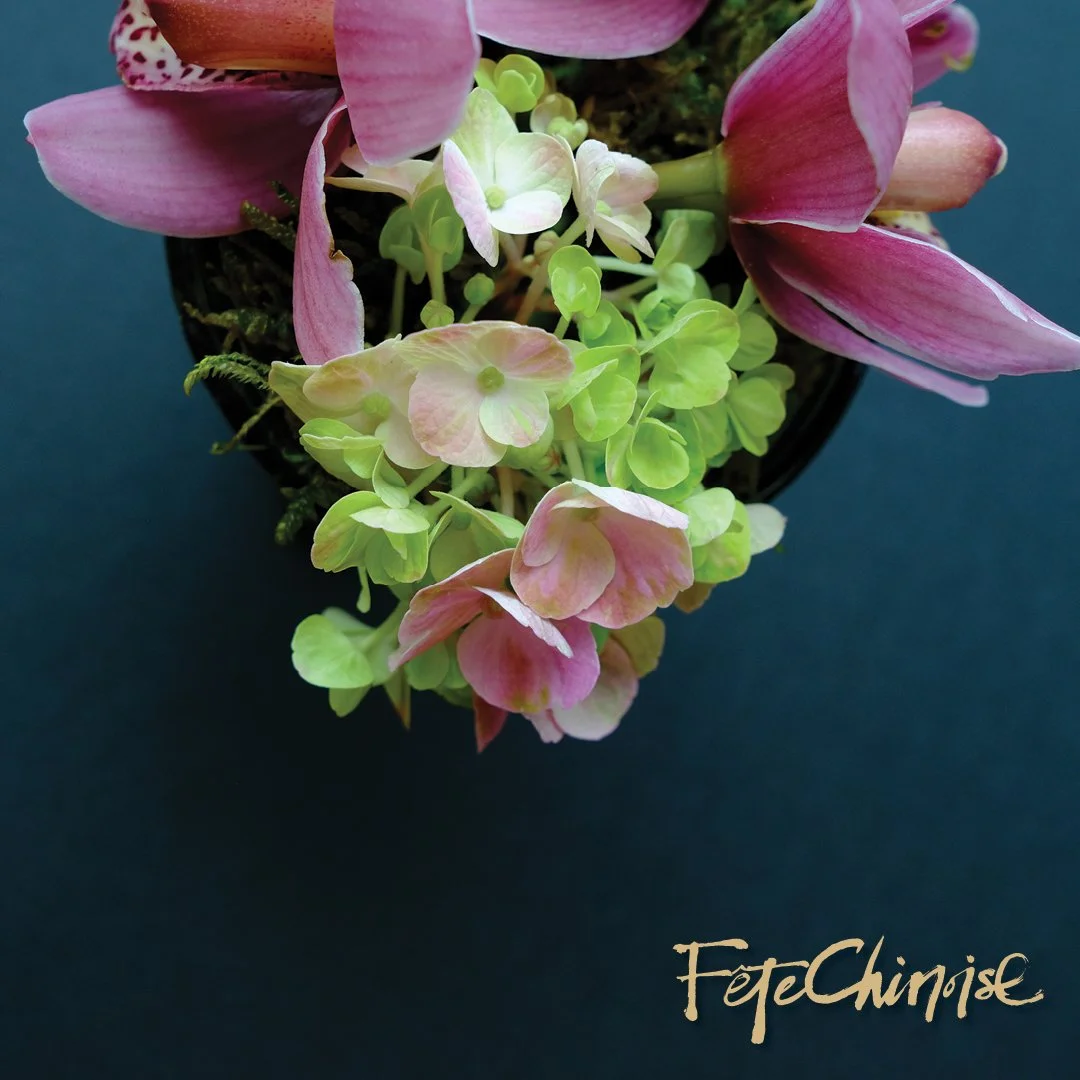
Artist and Designer June Zhang has been drawn to the beauty of flowers since she was a child. In 2018, she decided to pursue her dream by enrolling in a formal floral design program, where she received her certification. Following her training, she spent several years working as a freelance florist, continuing to study and refine her skills through hands-on experience.
In 2022, June entered the wedding industry, focusing on floral design for weddings and special events. It was during this time that she discovered her talent and passion for creating romantic and meaningful floral arrangements.
In 2023, she founded Peony Wedding Floral, a studio dedicated to garden-inspired, romantic floral designs for weddings and special events. June and her team are passionate about bringing each client’s vision to life, with a strong emphasis on thoughtful details and seamless execution. She has a unique ability to incorporate elements of Chinese culture with modern flair into her work.
More from Fête Chiniose
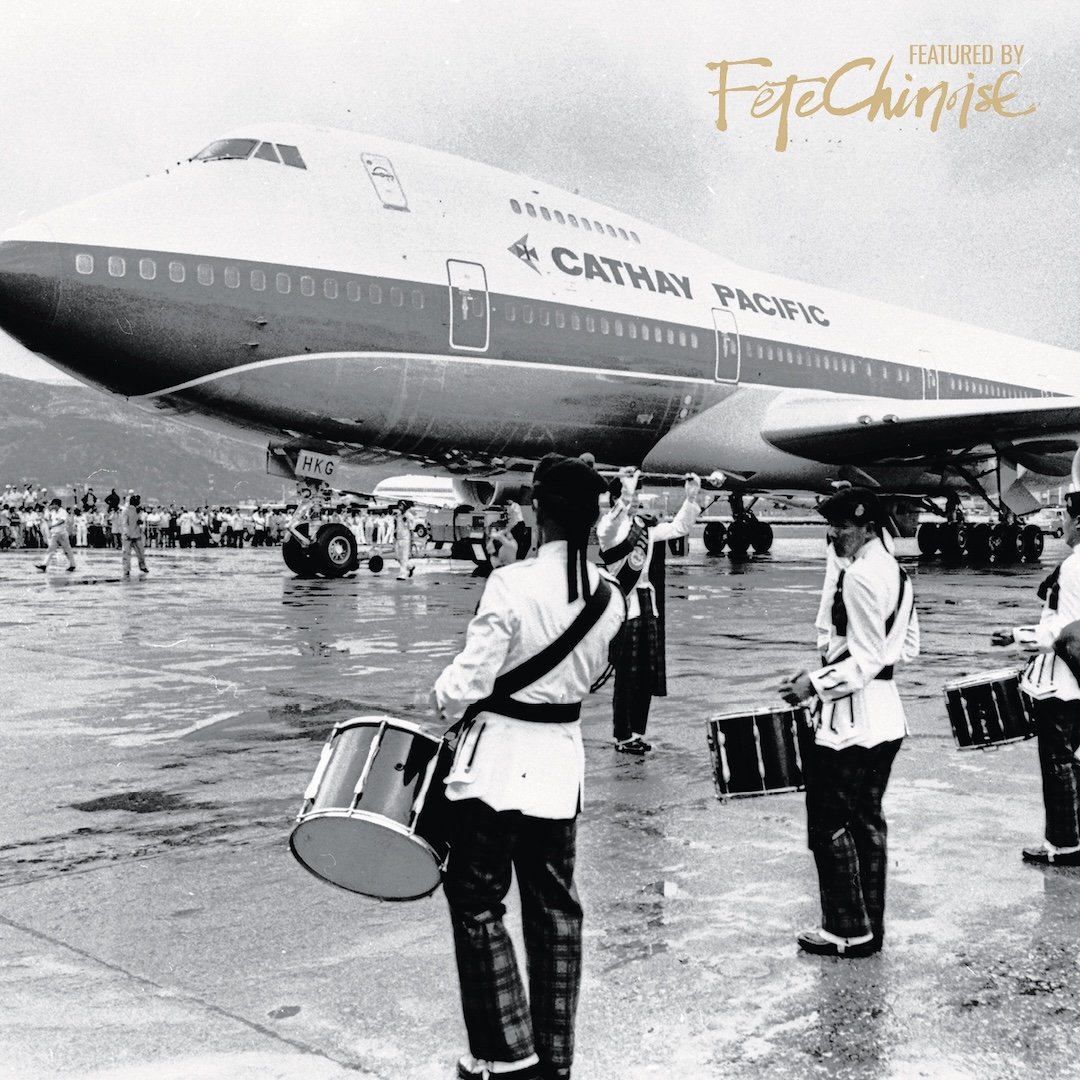




Wine, in many ways, is fascinating because it has the ability to preserve the taste of time. When Eastern flavours meet Western vintages, culture and sentiment naturally begin to intertwine at the table, creating a dialogue that adds depth to every shared occasion.
We are sincerely grateful to celebrity wine expert Bernice Liu for sharing her thoughtful perspective with Fête Chinoise on pairing Chinese cuisine with wine during festive occasions. Through her refined sensibility, she invites us to rediscover culture through the lens of each dish and its accompanying wine pairing.