LABEG: Making Time Out of Paper 手造紙製陀飛輪
Gabriel Lau: Artist, Diaspora Kid, and The Most Interesting Thing to Happen to Horology in Years
English 英: Genuine Lam · Chinese 中:Translated by Maggie Ho
Photography: Gabe Lau, Kevin Chiu
As Featured in 2026 Fête Chinoise Design Annual

I have known Hong Kong–based artist Gabriel Lau, better known as LABEG, for long enough to remember him before he had the words for what he was. Before the Instagram following. Before Watches & Wonders in Geneva. Before the 22‑month waitlist that now trails behind him like a comet’s tail. I knew him in the years when the art was just an itch he couldn’t name, and the watches were a longing he couldn’t afford. We were younger then, and the world was much smaller: church basements, late‑night hotpots, the kind of easy warmth you only know when you don’t yet realize it is passing.
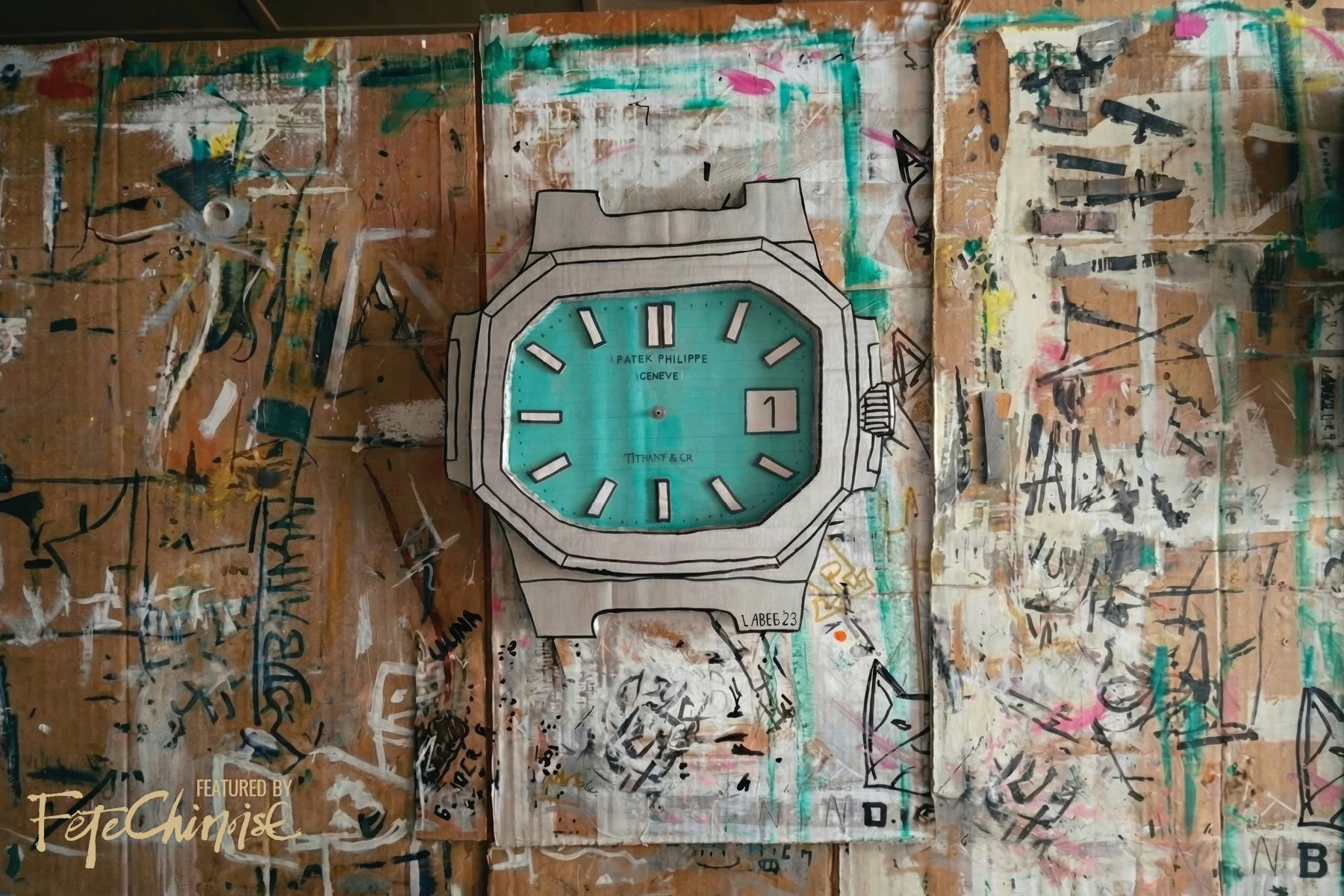
If you don’t move in watch circles, you may not have heard his name, or know why he matters. Let me broker a quick introduction: Gabriel Lau takes sheets of ordinary cardboard and paper and, with a knife and paint, builds three‑dimensional versions of famous luxury watches – bezels, cases, dials, even straps – so that, at a glance, they read like a serious piece of Swiss horology, but up close you can see every corrugated edge and brushstroke. He is not a watchmaker; he doesn’t touch movements or metal. What he makes are sculptural, wall‑hung objects that look like watches and talk back to them, and those cardboard pieces are the ones being commissioned by Swiss brands and ending up with people who already own the real thing. The New York Times has described him as a Hong Kong artist using “humble materials” to remake high‑end watches so the whole thing feels “a bit more fun.” The South China Morning Post has introduced him as the guy breathing irreverent air into high horology for people who can already afford the real thing.
That version of Gabe, curious, generous, slightly restless, is still entirely present in the man who now sits in a Hong Kong home studio, layering slivers of cardboard with the patience of a monk and the irreverence of a graffiti painter. The name LABEG is just his own name reshuffled: Gabe L. rearranged into something that looks cool, and that tells you almost everything you need to know about him. He is not reinventing himself. He is simply finding a better order for the letters and his passions.
What LABEG has built, slowly and stubbornly, with an industrial design degree from OCAD University but no gallery patron pulling strings, is one of the more radical propositions in contemporary watch culture: that a luxury watch, perhaps the most fetishized object in the male imagination, might be most honestly understood when you reconstruct it out of cardboard, glue and deliberate imperfection. That the copy, made by hand, might say more about the original than the original ever could about itself.
不少人對名牌奢侈品趨之若騖,藝術家劉俊豪(Gabe Lau)對於名錶的迷戀,虔誠卻不盲目。咋舌天價並未令他止步,他將慾望轉化為手作實驗,逐步拆解、深入研究,以平價的紙皮作為素材,配以率性的塗鴉手繪,重新疊砌,逐層重構。由他親手製造的作品,體現了原品的精準、對細節的堅持,同時亦顛覆了奢侈品高不可攀的固有印象。
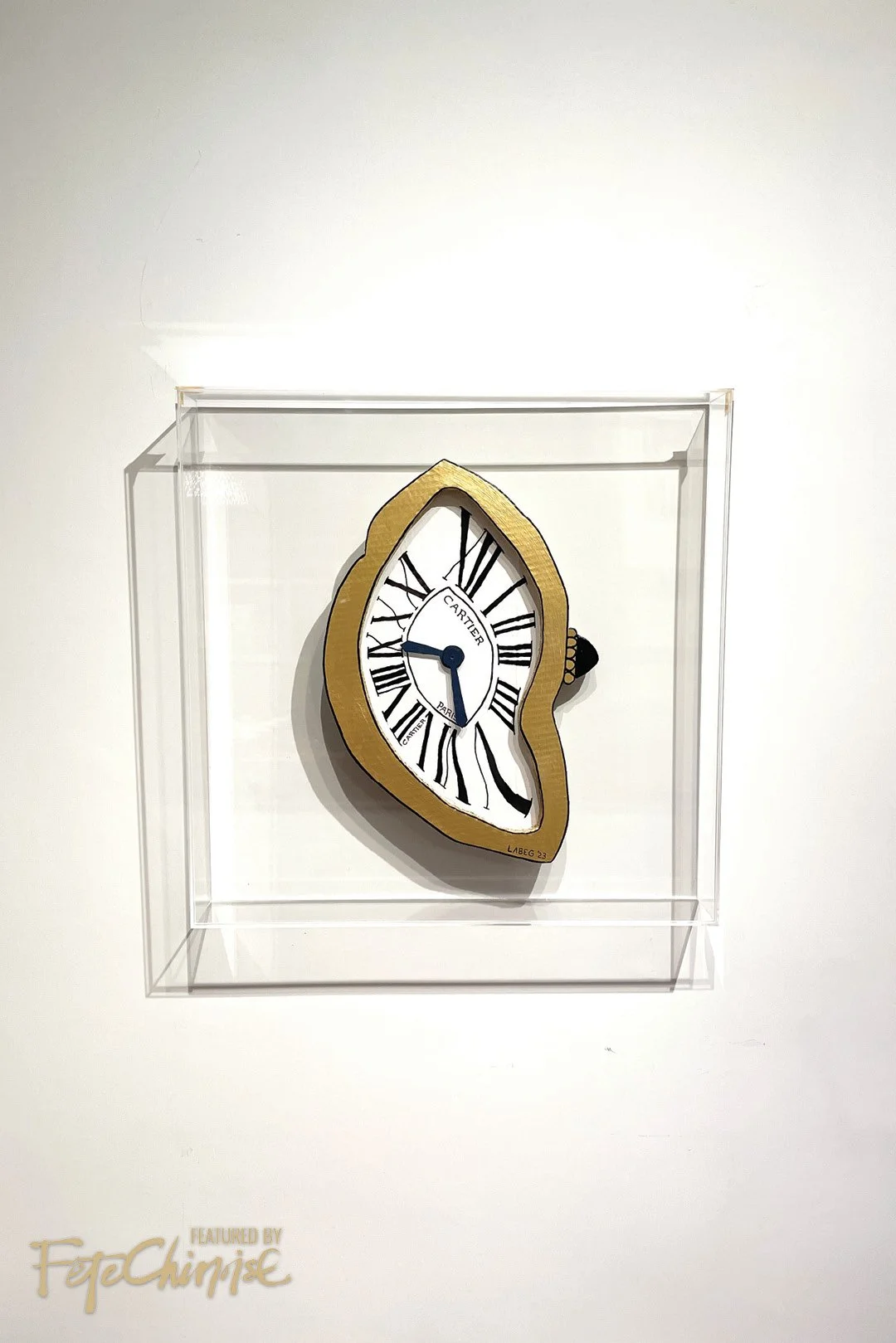
Cartier Crash ClockArt. Photography: Gabe Lau.
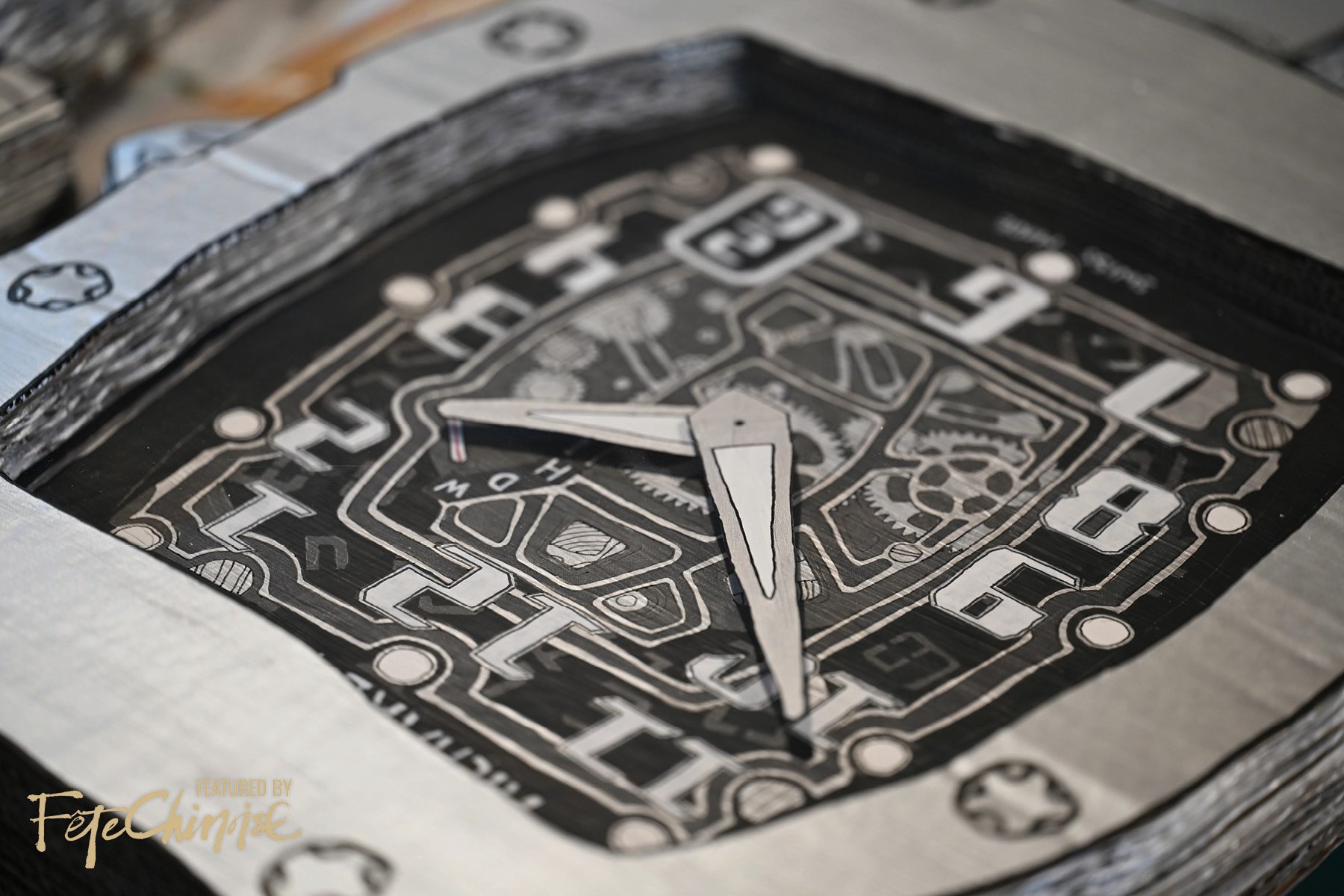
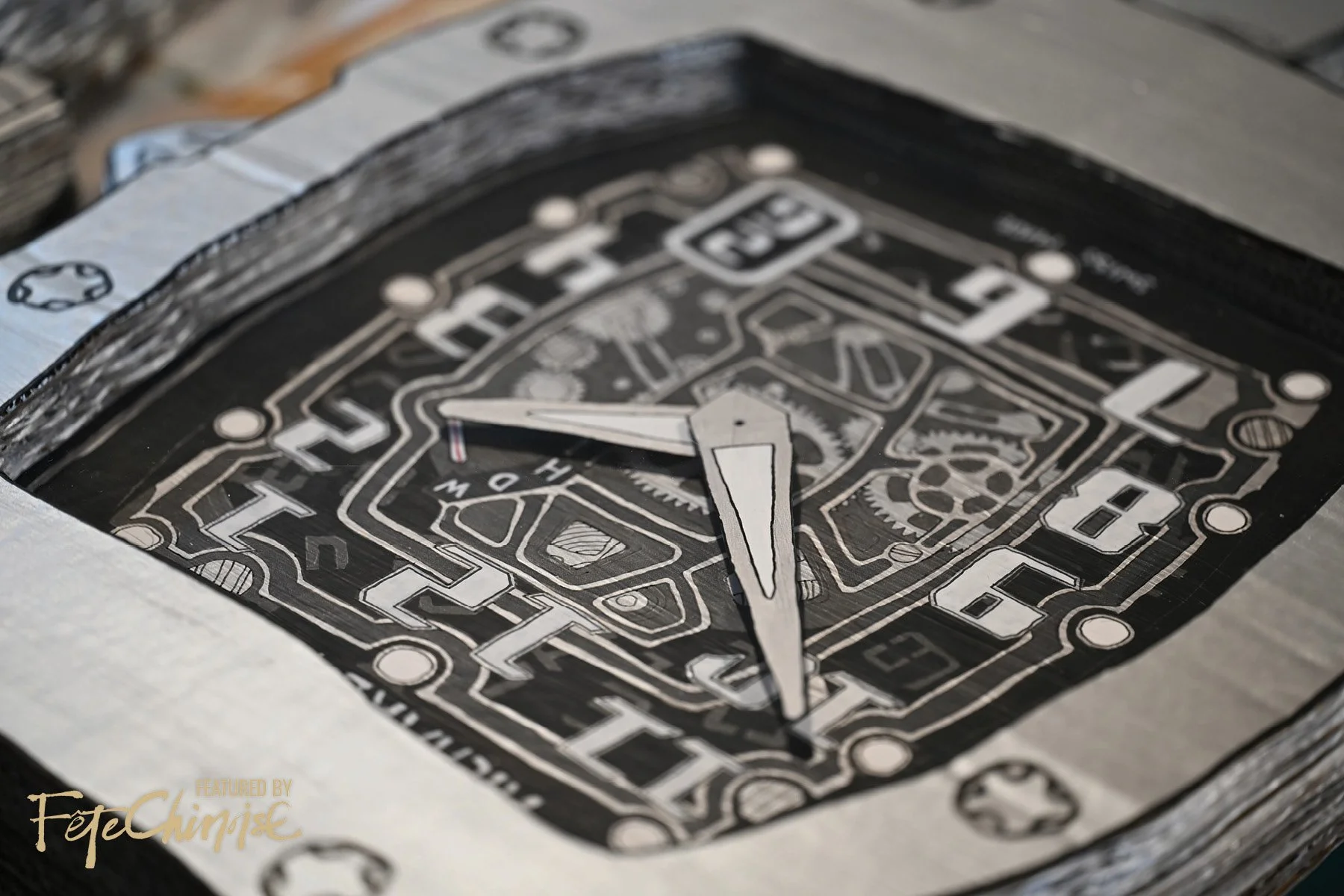
Richard Mille 67-01 ClockArt. Photography: Kevin Chiu.
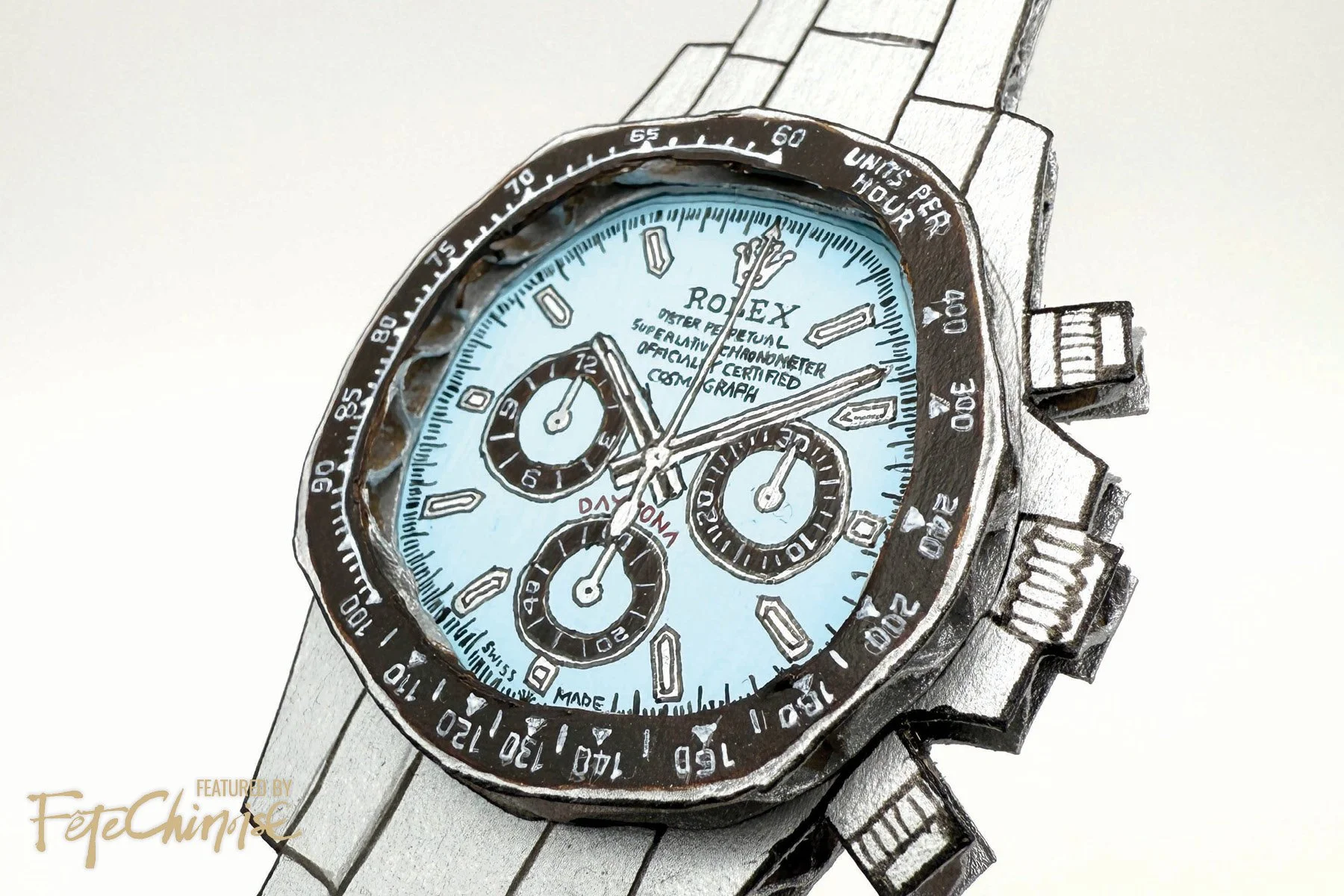
Rolex Platinum Daytona. Photography: Gabe Lau.
Gabe was born in Toronto and raised between two gravitational fields: the Chinese‑Canadian community of a city still working out what it meant to be multicultural, and the larger, louder world of watches, design and luxury that would later consume his imagination. He studied industrial design and returned to Hong Kong nearly a decade ago to work in his family’s architectural products business. Since then he has lived in that particular suspension that many diaspora children know, at home everywhere and fully native nowhere. There is a Protestant patience in how he cuts. There is something deeply Cantonese in the humour (粗枝大葉), the refusal to be precious, the insistence on showing the seams.
Entering a world defined by European heritage, Swiss mountain villages, Parisian ateliers and centuries of accumulated myth from the position of a diaspora kid and a self‑taught artist is not small by any means. LABEG walks into those rooms and hands them a cardboard Nautilus, signed at the bottom. The subversion is gentle but real. He is not angry about the doors. He simply does not need them to open.
The Breakthrough: Recreating the Rolex GMT Ref. 6542
The first piece was a Rolex GMT Ref. 6542, a grail watch he loved but could not buy. He posted it and people did not just like it; they recognized something in it: the longing made visible, the desire translated into labour. Paper chose him as much as he chose it. His industrial design training had given him a material fluency he did not know he was accumulating, building iMac prototypes from card stock, learning to negotiate with flat surfaces and transform them into volume. There is a paradox at the heart of everything LABEG makes. He builds representations of time out of materials that age, yellow and degrade. Perhaps what he is saying is that time is a construct. That the story we tell about permanence is also made of paper.
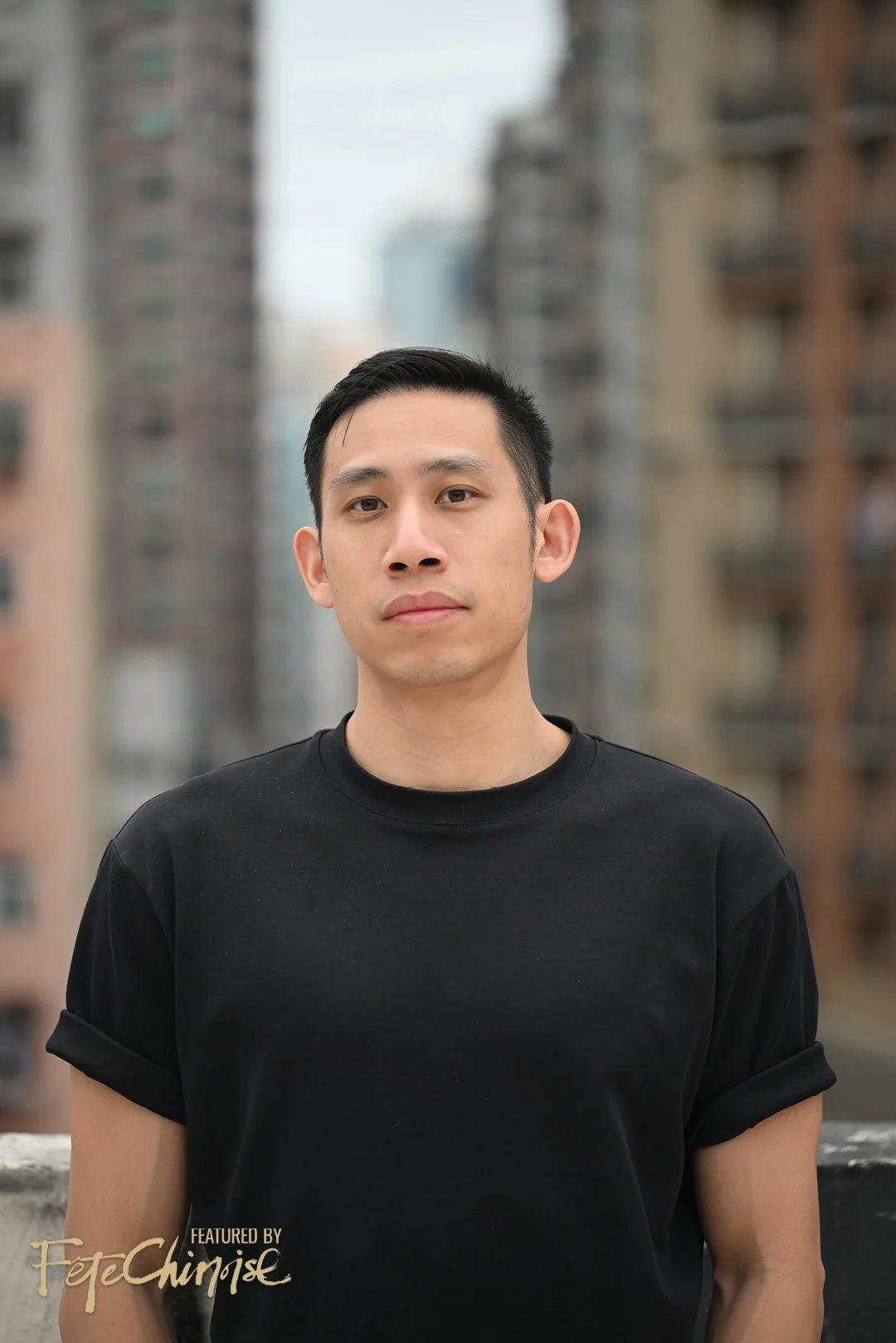
Photography: Kevin Chiu.
品牌文化衝擊
Gabe 出生於多倫多,成長於海外,其後回流香港發展。畢業後,Gabe 回到香港接手家族建築產品公司工作。作為一個於加拿大長大的 CBC (Canadian-born Chinese ,在加拿大出生的華人),面對香港的急速節奏,他坦言是有點吃不消。「我爸常說我工作得太慢,我要學會同一時間處理幾項工作。香港的商業社會迫使我更進取,跳出 comfort zone,抓緊每個機遇。」
I want to be careful here, because Gabe is a private man and this is not his memoir. But I would be dishonest, and I would be doing him a disservice, if I let this portrait suggest that LABEG arrived easily. That the art was a gift, effortlessly bestowed. It was not. It was a lifeline he reached for during one of the darkest periods of his life, and what he made with it, first for himself and then slowly for the world, was not the product of good fortune but of the particular tenacity that belongs to people who have had to choose, again and again, not to be undone.
There are years most people do not see when they look at him now. The years inside the family business, dutiful and restless in equal measure, feeling the pull of something he had not yet named.
The third‑generation obligation is a particular kind of weight for a Hong Kong kid. It is not cruelty; it is love in the form of expectation, and that can be the harder thing to carry. And then there were the harder years still. The kind I will not describe here because they are his to keep. What I can say is that I have watched this man walk through fire, and I have watched him emerge not unscathed but upright, carrying more than he went in with.
在不斷學習適應新生活的同時,香港的消費及品牌文化亦令他大開眼界。「在加拿大的我可以說是個鄉村小子,最愛露營、釣魚,平日的娛樂都是到朋友家聚會。香港卻是滿街名店,同一條街上可能已有幾間勞力士錶行。」
面對水土不服、文化衝擊、家族生意的重擔,Gabe 默默扛下。日復日的商業工作、汲汲營營的生活令他不得不尋找宣洩的渠道。藝術創作為他帶來喘息的空間——每天工作過後,他便埋首專注於純粹的創作時光。
He will say, if you ask him about faith, that God’s grace was in it. I believe him. I also believe that grace, in his case, arrived wearing work gloves. The discipline he brings to the studio, the waitlist he earns every single day with the cut of a blade, is not the discipline of a man who takes his gifts for granted. It is the discipline of a man who knows exactly what it cost to arrive here. Every piece he finishes and signs is, in some way, a small defiance of the years that tried to swallow him.
It is worth asking, seriously, why it works. The world is not short of novelty, and Instagram has a ferocious appetite for things that look interesting once and mean nothing twice. LABEG has built something that does the opposite. It reads instantly and rewards return. Every piece announces itself in a thumbnail at the exact scale most people first encounter it: the warped proportions, the hand‑painted indices, the visible cardboard layering at the case edges. Gabe has achieved what brands spend millions trying to build: a visual identity so distinct it needs no logo.
顛覆奢華理念
最初,他以塗鴉方式在紙上繪畫出錶面、指針、錶帶,製成紙手錶戴在手腕上,拍照玩玩;後來,在朋友 Tim Yun 的啟發下,他開始深入研究不同的物料運用、裝裱方法。第一件作品 Rolex GMT Ref. 6542,是他一直夢寐以求的腕錶型號。
Gabe Lau 把自家品牌命名為 LABEG,以自己的名字字母倒序重組。重組、重構與重塑意義,是品牌創作的骨幹理念。「表面來看,我是用自己的方法製作那些負擔不起的名貴腕錶,但我真正想要的,是對創意的追求,讓我發揮創意、重回藝術創作的出口。」
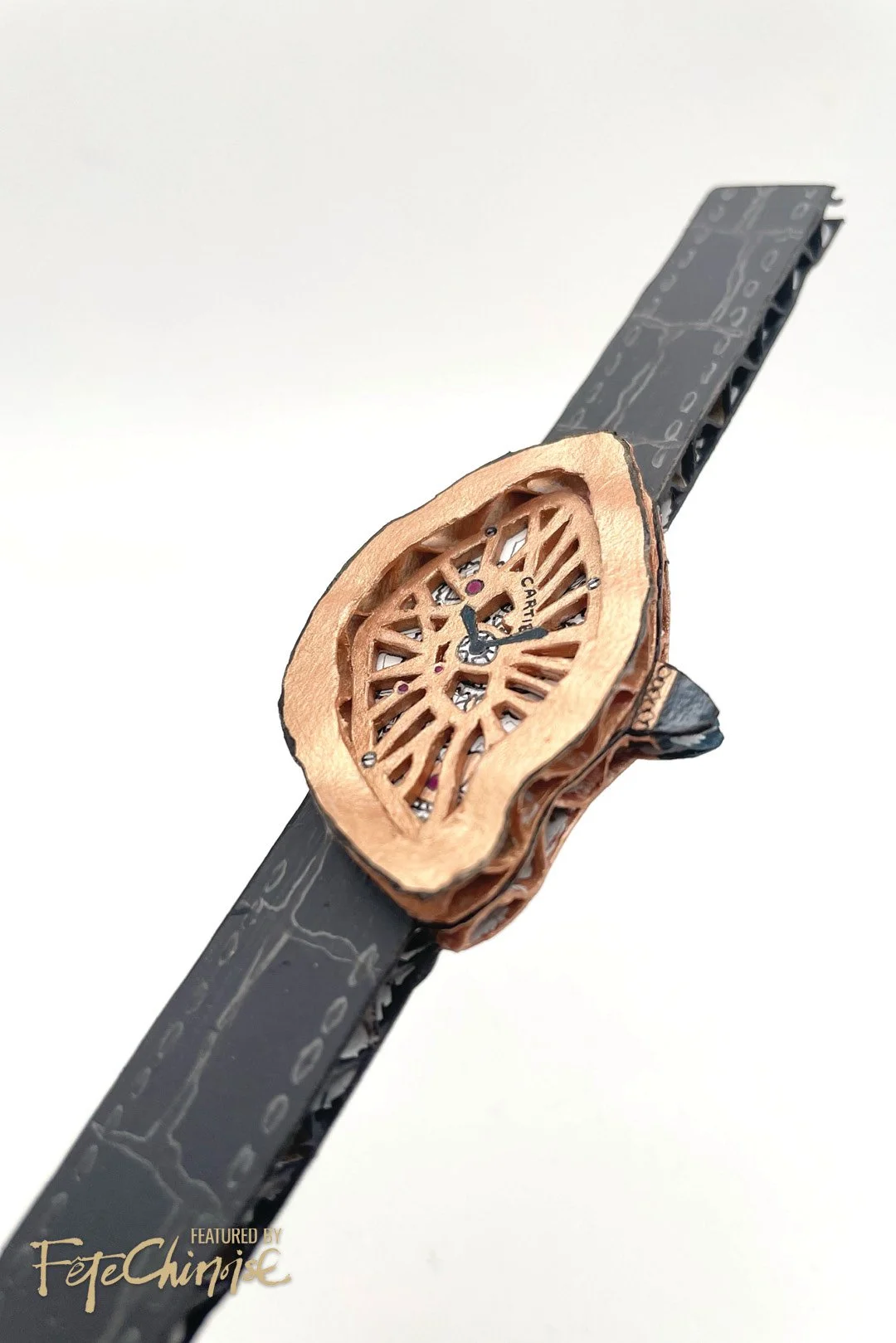
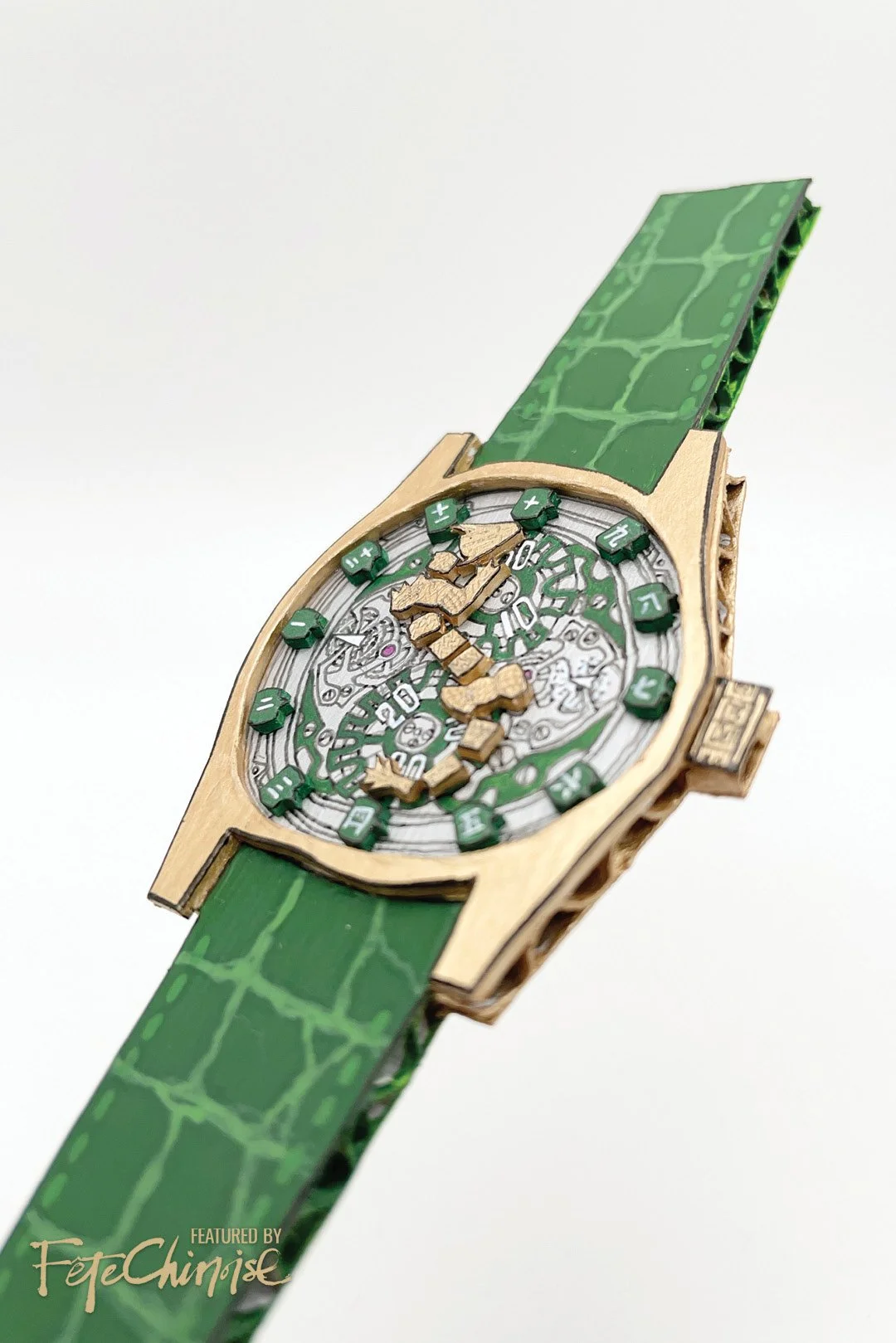
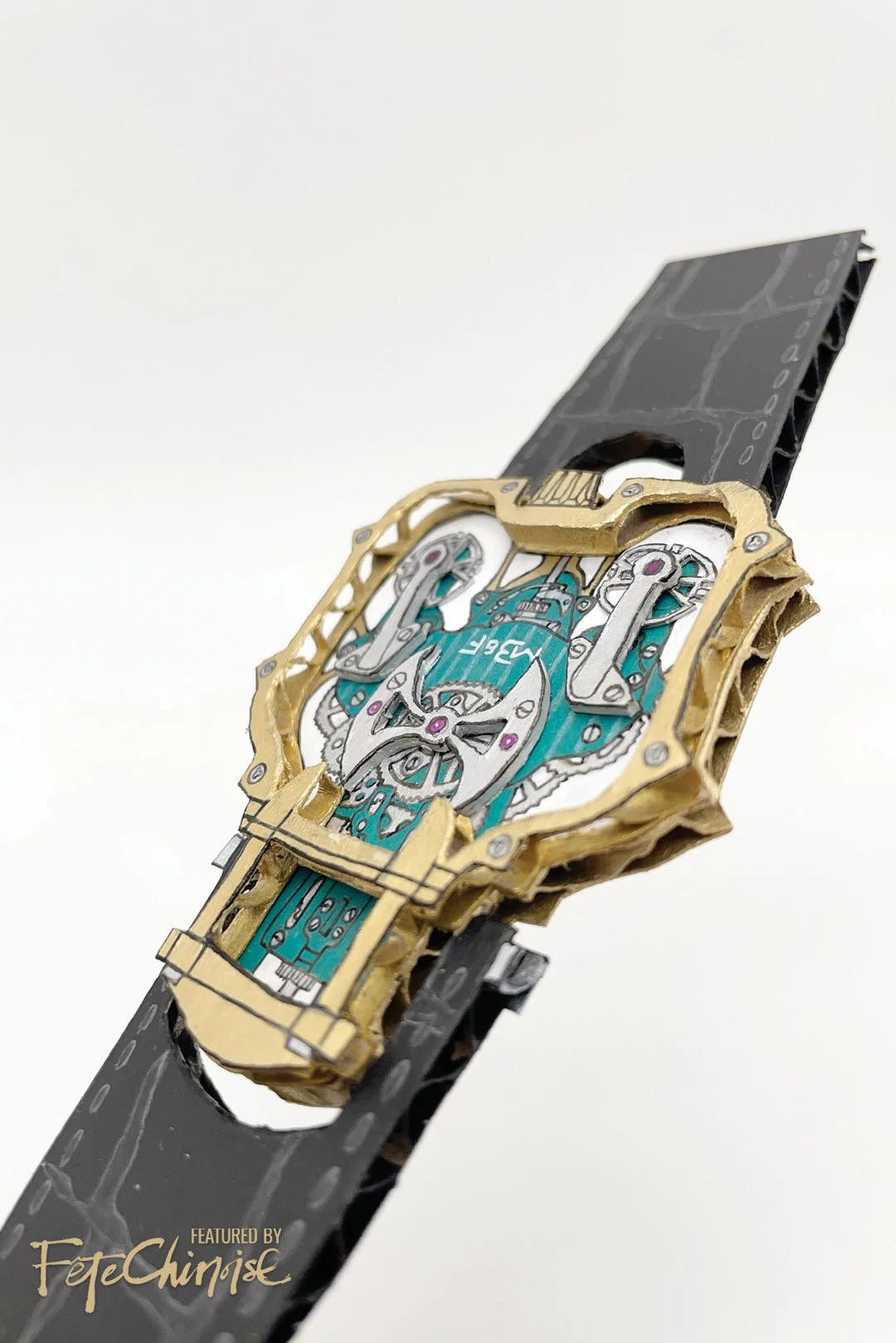
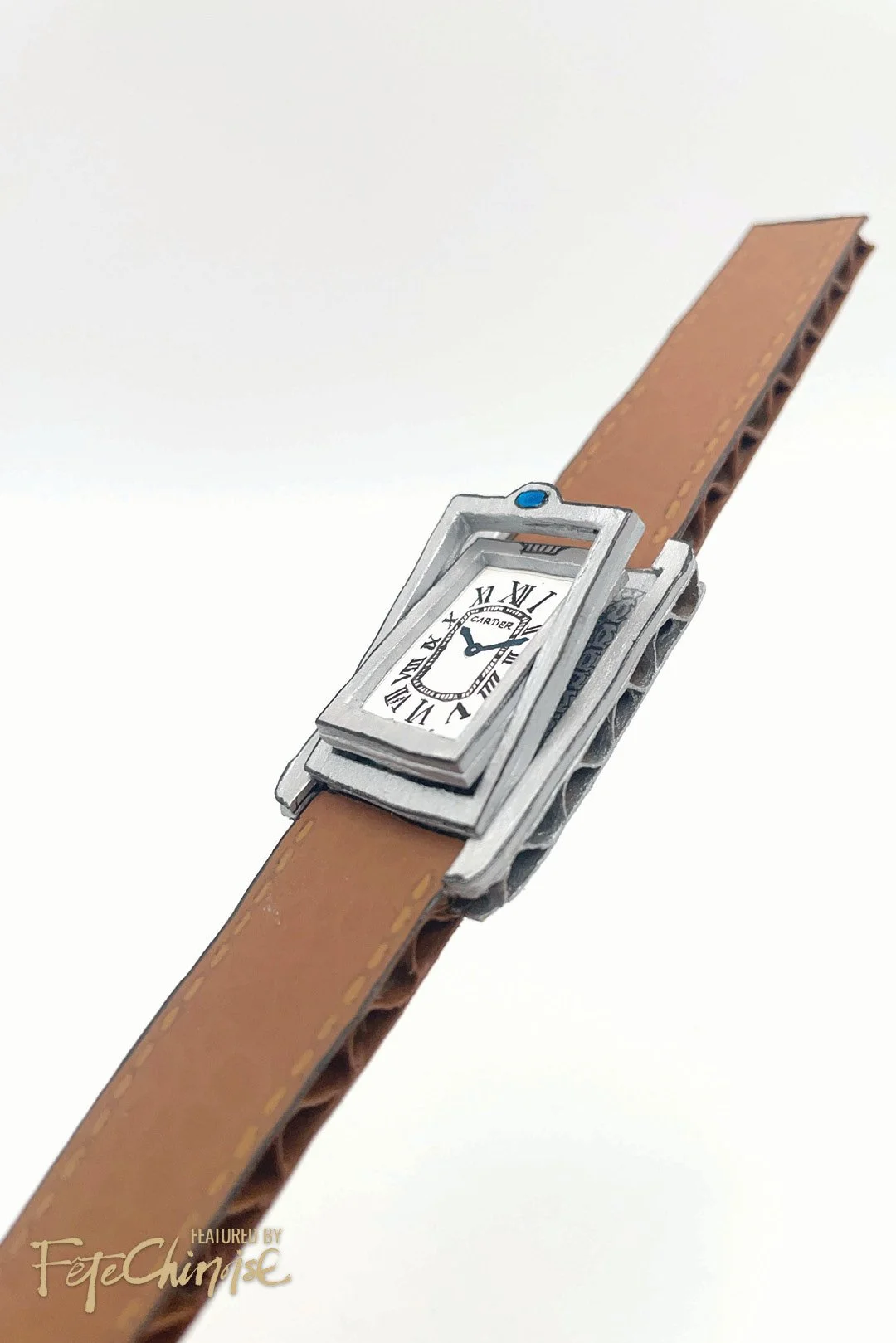
Patek Philippe Nautilus 5711 ClockArt. Photography: Kevin Chiu.
Deconstructing High Horology: Richard Mille to Tiffany Nautilus
He works through contrast. He starts with watches at the furthest end of luxury—Richard Mille, Tiffany Nautilus, Ulysse Nardin—and remakes them as art. Instead of gold and steel, he uses corrugated cardboard and craft glue. The gap between the original object and his materials makes the work hit harder. People laugh and then move closer. When most people zoom in on a phone screen, they see something else: every second marker painted, every lume pip placed, every crown shape taken from the original. The looseness is only on the surface. Underneath, he works with a watchmaker’s compulsion.
The lineage he occupies is a specific one. New York-based contemporary artist Tom Sachs, whom Gabe cites directly, has spent a career building institutional replicas, NASA modules and luxury sneakers, out of plywood and hardware‑store materials, insisting that craft is a spiritual posture before it is a technical skill.
The artist Basquiat sits in this universe too. The permission his work gave a generation of makers is that the marks you cannot quite control are sometimes the most honest marks of all. And the most direct parallel in my opinion may be Scumboy GO, the tattoo artist from Nagoya who runs traditional Japanese irezumi through a punk sensibility, whose linework is confident without being correct, whose figures wobble slightly and are unmistakably his. Like LABEG, he built his audience one image at a time, a declaration that a tradition belongs to you as much as to the people who inherited it.
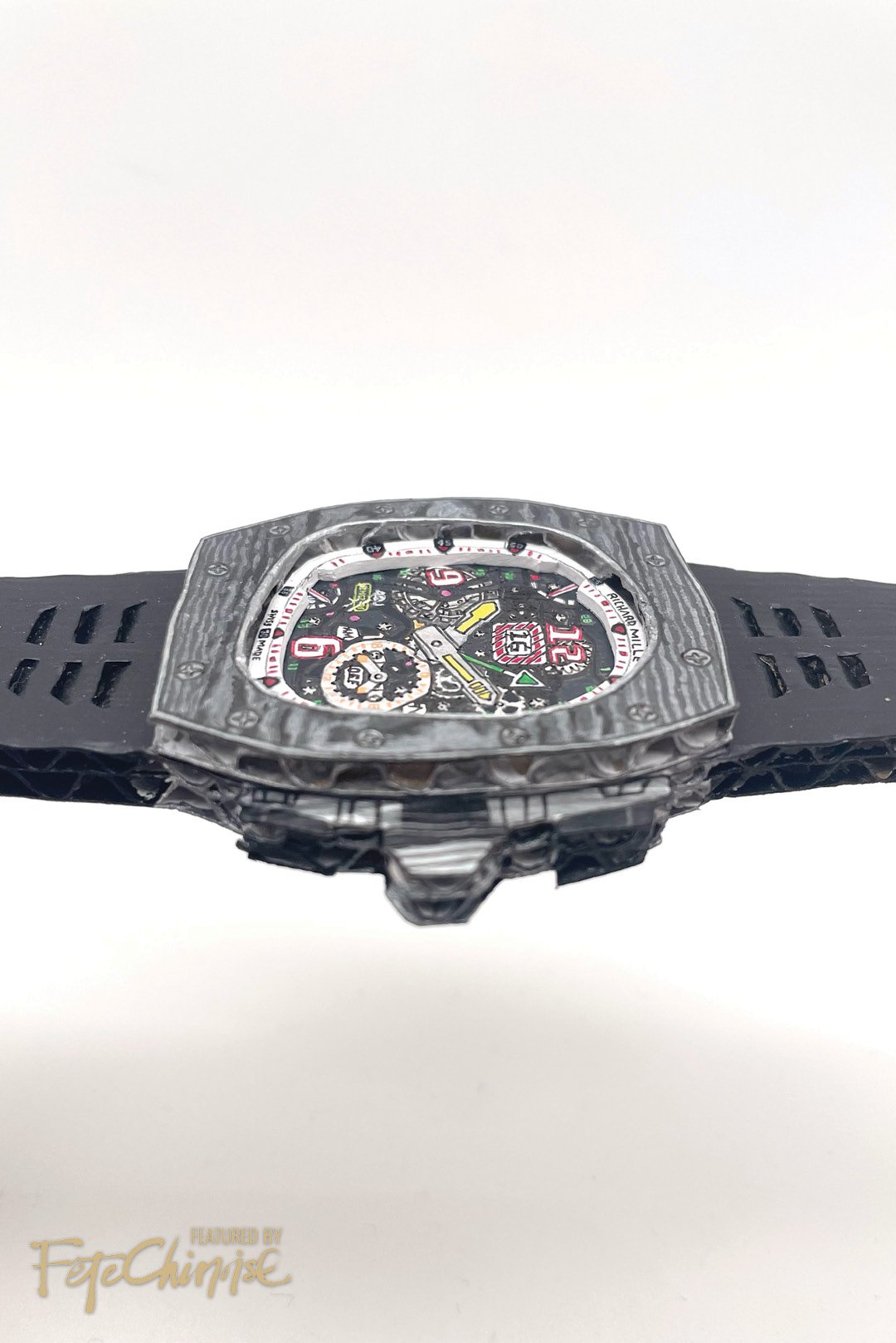
Richard Mille 62-01 Airbus Edition
於安大略藝術設計大學攻讀工業設計期間,Gabe 曾小試牛刀,以卡紙疊砌出 iMac 電腦模型,玩味地把平面設計堆疊轉化為立體創作,奠定了日後的創作方向。他選擇以紙及紙皮作為創作媒介,因為紙品廉價,易爛、會發黃、老化的特質,與奢侈品所強調的完美、矜貴、恆久傳承形成強烈對比。這種材料與投影對象之間的反差,正是 LABEG 耐人尋味之處。
紙錶不是仿製品,更絕非贗品,而是一種刻意的材料轉換:利用最廉價的材料──紙皮,配以東歪西倒的塗鴉,看似粗枝大葉,但每次創作,Gabe 都花上大量時間研究原品的比例、結構,以極嚴謹細緻的手工量度、切割紙皮框架,層層上色。當中的手藝、對細節的執著、複雜的機器結構,完完全全是製錶工藝的延伸。每個時標手繪、每個夜光點放置、每個錶冠形狀,都是百分百參照原作。
Swiss Recognition: Collaborations with Ulysse Nardin & Patek Philippe
The watch world soon caught on. Ulysse Nardin presented him at Watches & Wonders Geneva 2023 as a “unique watchmaker,” having him build the Freak One live from cardboard in the booth. He made approximately 30 limited‑edition works for the occasion, each framed and signed. Next came the Pharrell Williams RM 52‑05, personally gifted to Pharrell. After that came H. Moser & Cie, a collaboration that went beyond a single commission. Moser handed him the keys to their boutique at Landmark, and LABEG took over the space entirely, mounting an exhibition that quietly argued cardboard belongs in the same rooms as Swiss finishing. After the watches came the LABEG works, paper reimaginings of Hermès and Chanel handbags, announcing that his practice could hold more than watches. Somewhere along the way, he stopped being a curiosity and became a reference point.
John Mayer, a seven‑time Grammy‑winning musician and one of the most influential celebrity watch collectors alive, was gifted one of Gabe’s pieces. That it landed in his hands is not incidental. Mayer collects at the level of connoisseurship, and connoisseurs tend to recognize what is real. A cardboard watch in the home of a man who owns actual grail‑level references is not a joke. It is a different kind of authority.
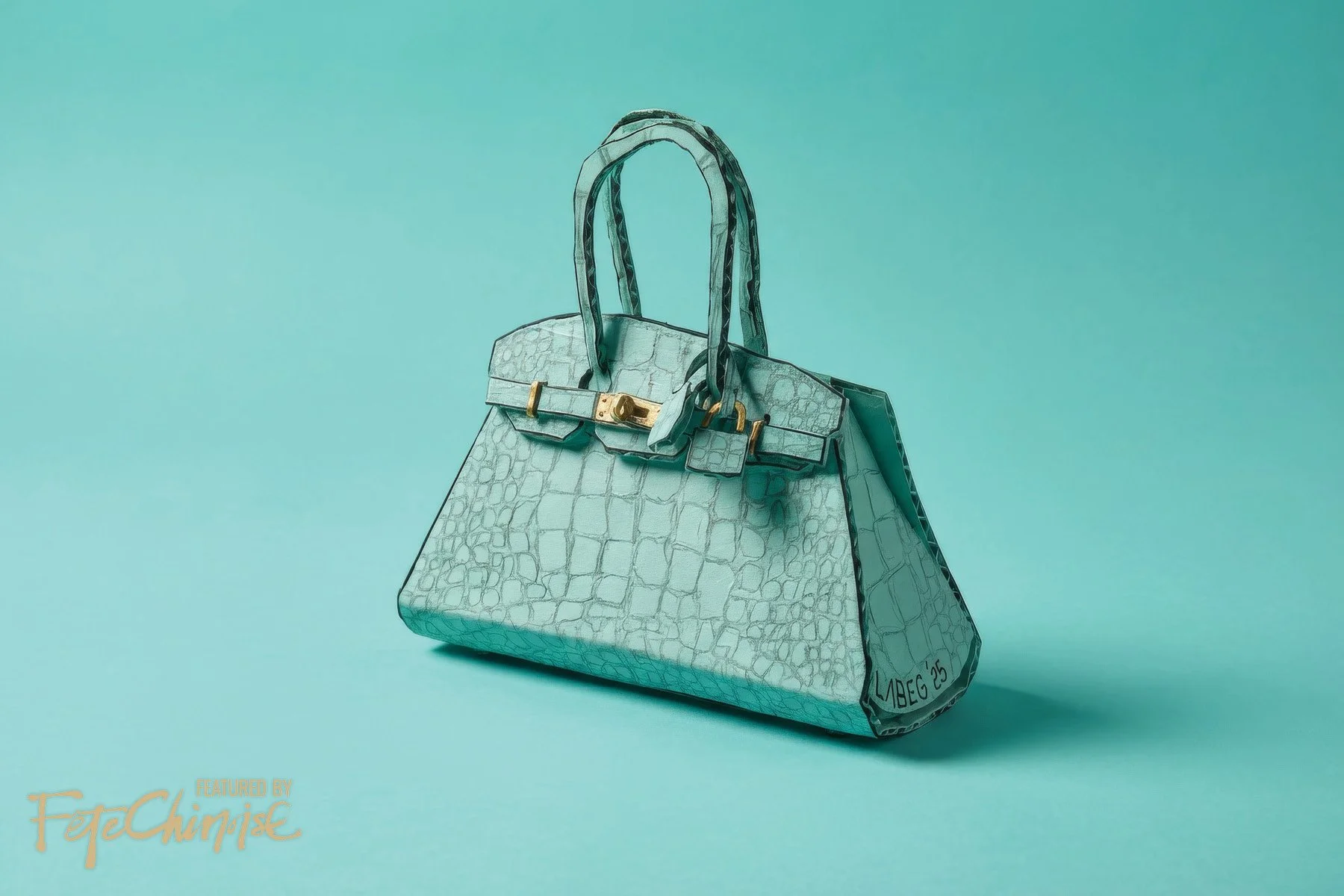
Hermes Birkin. For the "Art of Handbags" exhibit in collaboration with MGFT and The Armoury HK.
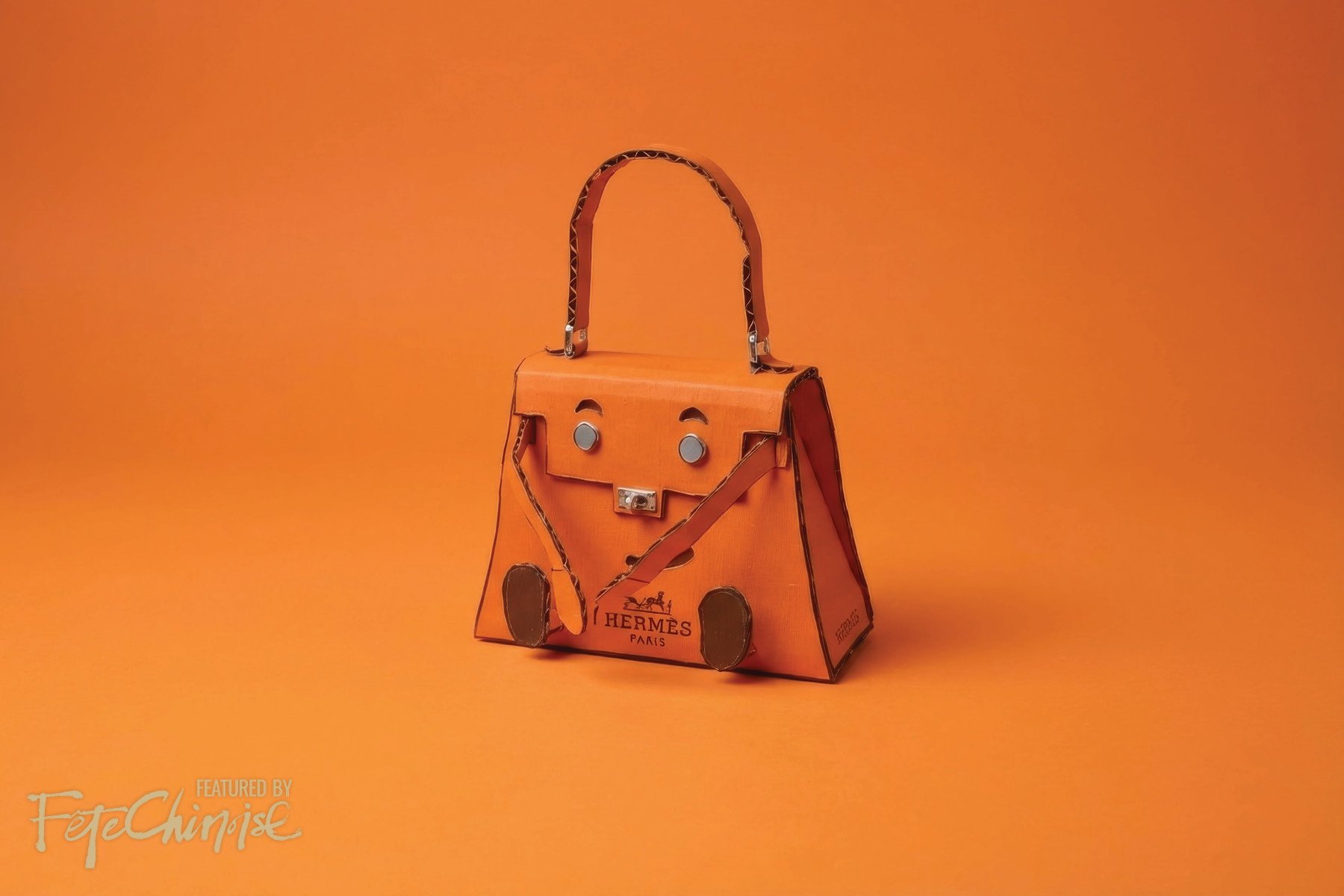
Hermes Kelly Doll For the "Art of Handbags" exhibit in collaboration with MGFT and The Armoury HK.
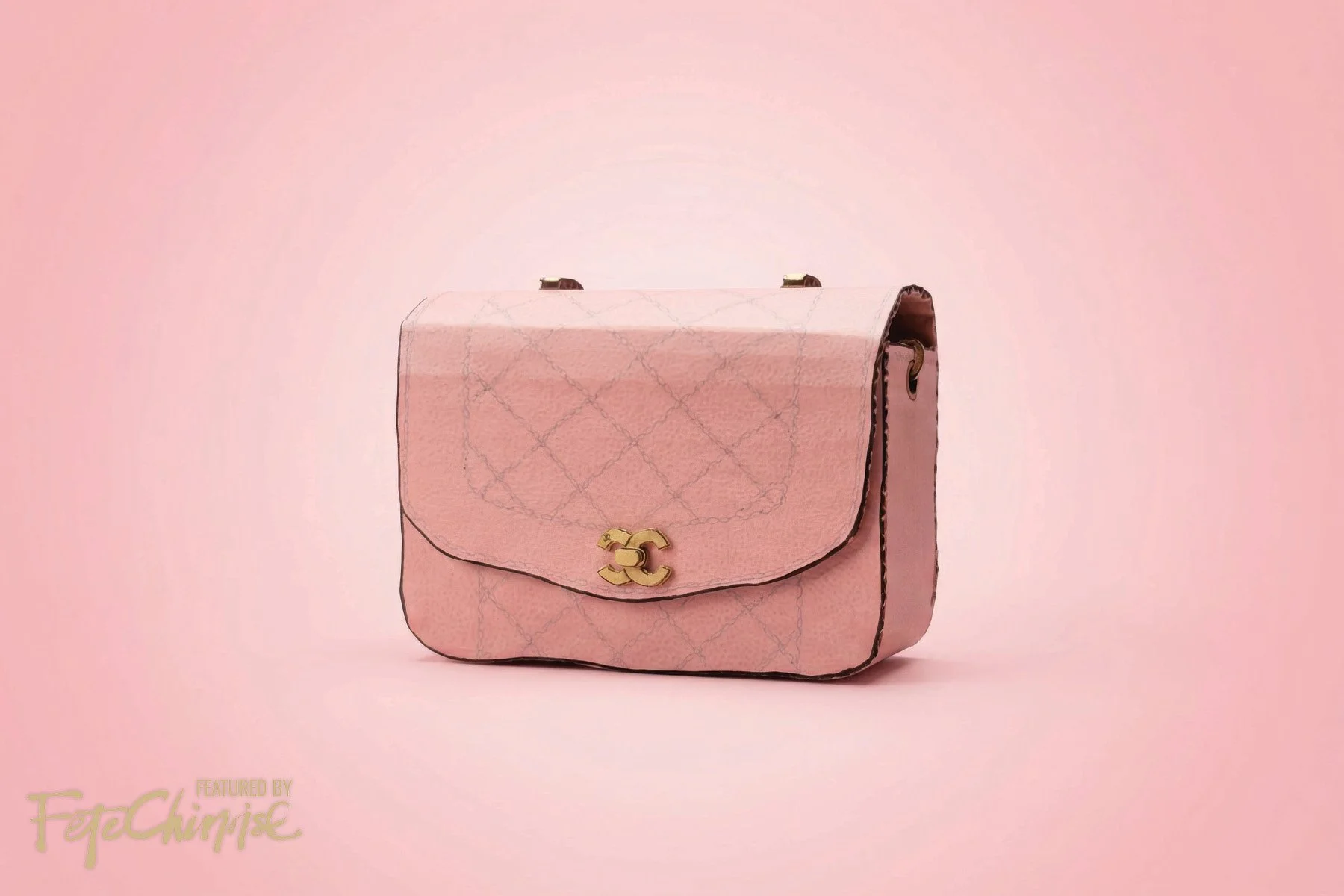
Chanel Caviar Leather Diana For the "Art of Handbags" exhibit in collaboration with MGFT and The Armoury HK. The caviar leather textures were painted on and took 9 hours to paint just the texture. Photography: Kevin Chiu
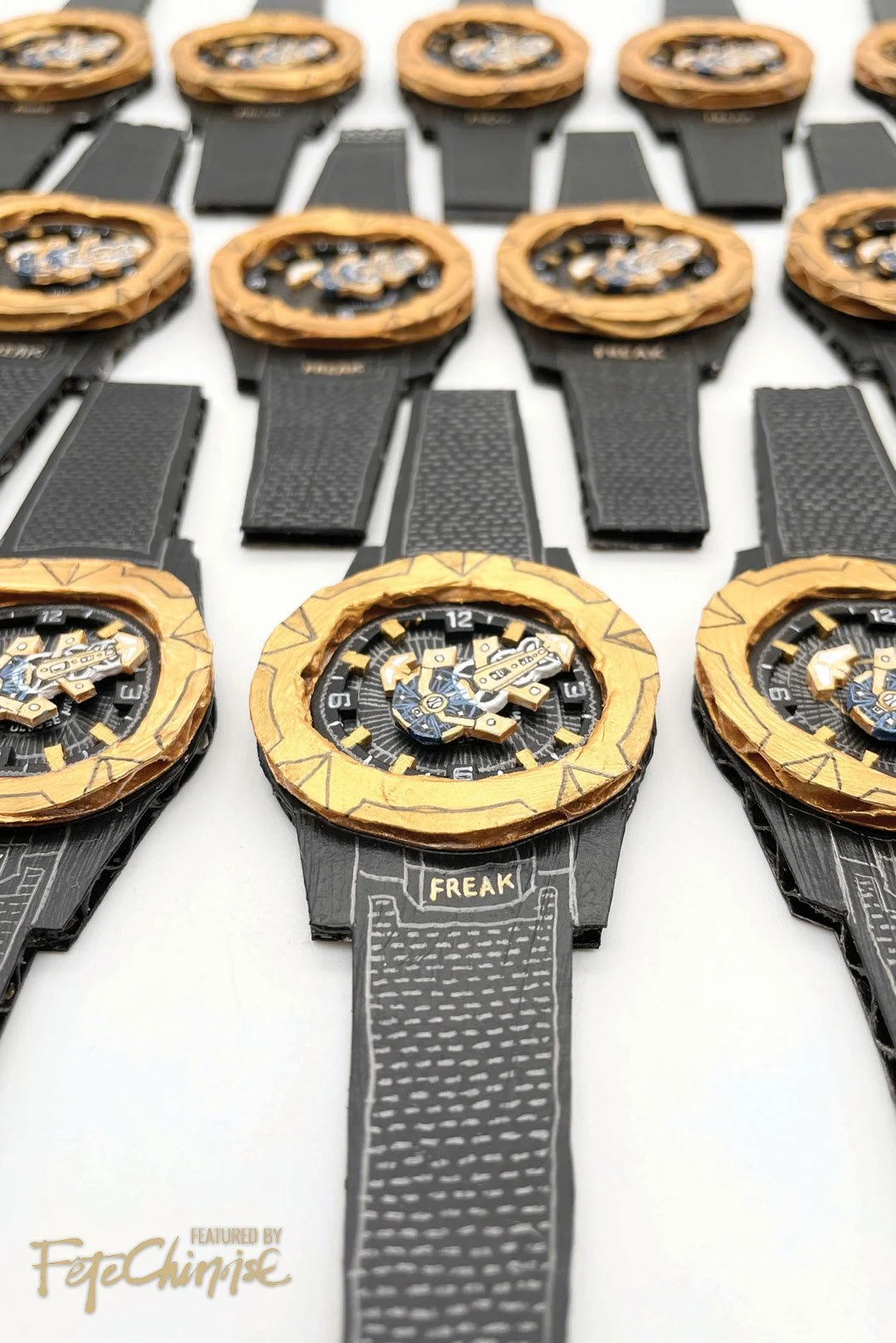
30 limited edition Ulysse Nardin Freak One art pieces made for Watches & Wonder 2023 for Ulysse Nardin. Photography: Gabe Lau.
以作品打入高級殿堂
奢侈品牌看似高不可攀,然而 Gabe 憑其鍥而不捨的努力,以作品為自己打開通往以歐洲為核心的鐘錶殿堂之門。在 2023 年日內瓦 Watches & Wonders 腕錶展覽上 ,他受瑞士製錶品牌 Ulysse Nardin 邀請,於現場製作 Freak One 的限量紙皮腕錶作品。「那次是我第一次與奢華品牌合作,而且那幾乎是場表演藝術。W&W 展覽上,每個高級品牌皆有其製錶工匠在現場示範。Ulysse Nardin 那年剛脫離 Kering,希望突顯品牌獨立與破格的一面,於是邀請我成為他們的『製錶工匠』,一邊創作,一邊與現場觀眾交流。那是一段既有趣亦充滿挑戰的經歷。」
There’s another piece that still stops me when I think about it. Gabe made a clock for Thierry Stern, the president of Patek Philippe. The custodian of perhaps the most mythologized name in watchmaking, a man whose family has stewarded the brand for over a century, and he has a LABEG piece. Cardboard, glue and the steady hand of a diaspora kid from Toronto. If you needed a single image to understand what LABEG has built, that is probably it. The original and the copy, in conversation, in the same room.
Gabe and I once drove to Trois‑Rivières to visit Canada’s last watchmaking school, a strange, beautiful place that has stayed with both of us. Standing in a room where people learn to build mechanical time by hand, in a country with no watchmaking tradition to speak of, changes your sense of what is necessary. You do not need lineage; you need precision and care. The school has both; so does Gabe. He does not owe anything to the tradition he is working in. That distance is part of what makes his work interesting.
Friendships that survive long enough become their own kind of archaeology. You stop seeing the person only as they are now and start seeing the strata, the versions beneath the current one, each laid down in a different season of life. I have known Gabe for many seasons. The early years of figuring things out in Toronto. The years of distance. The years when everything got harder. And then the years when the art began to speak, first in a whisper, then clearly, then in a voice other people could hear from across the room.
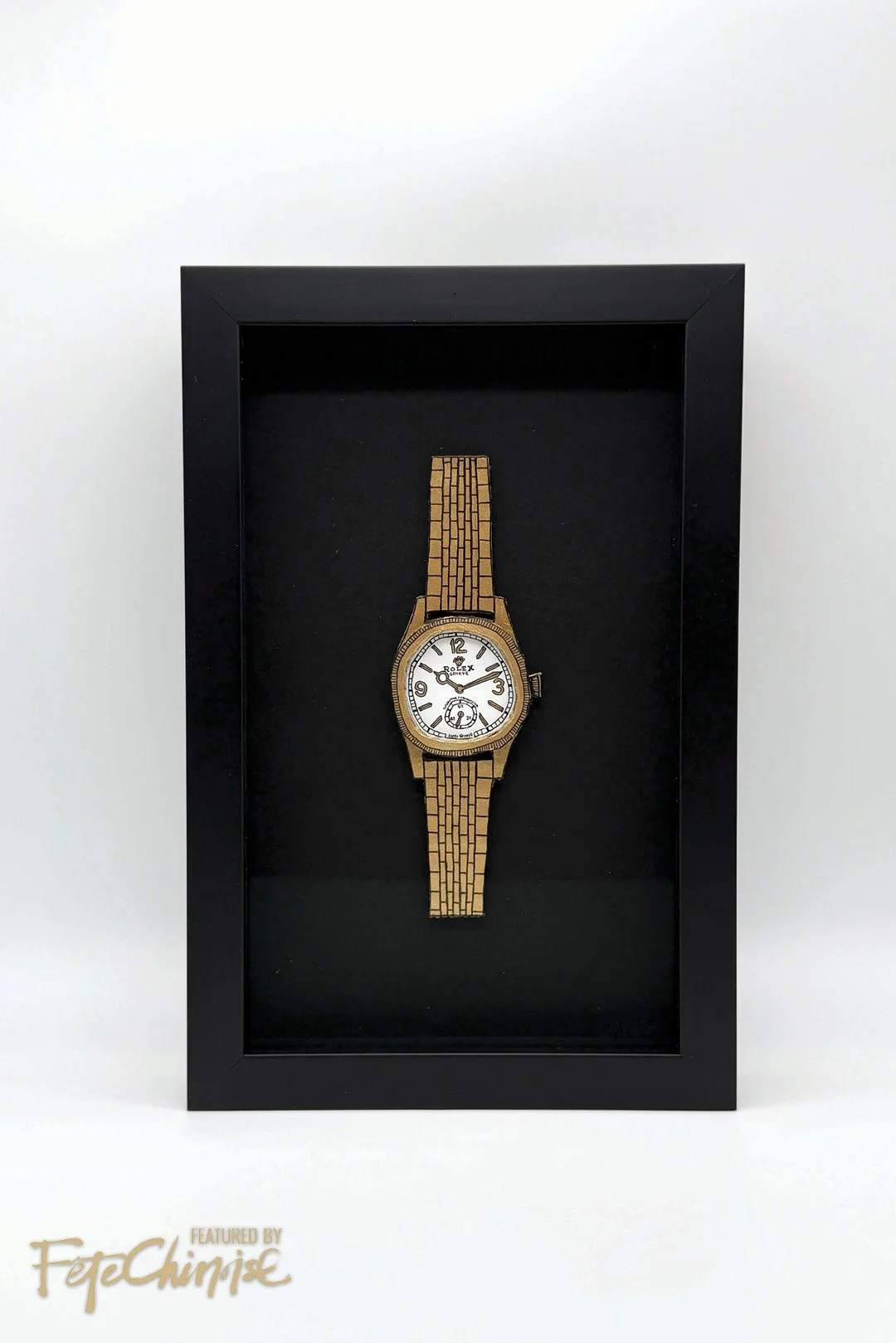
Rolex 1908 Framed by LABEG. Photography: Gabe Lau.
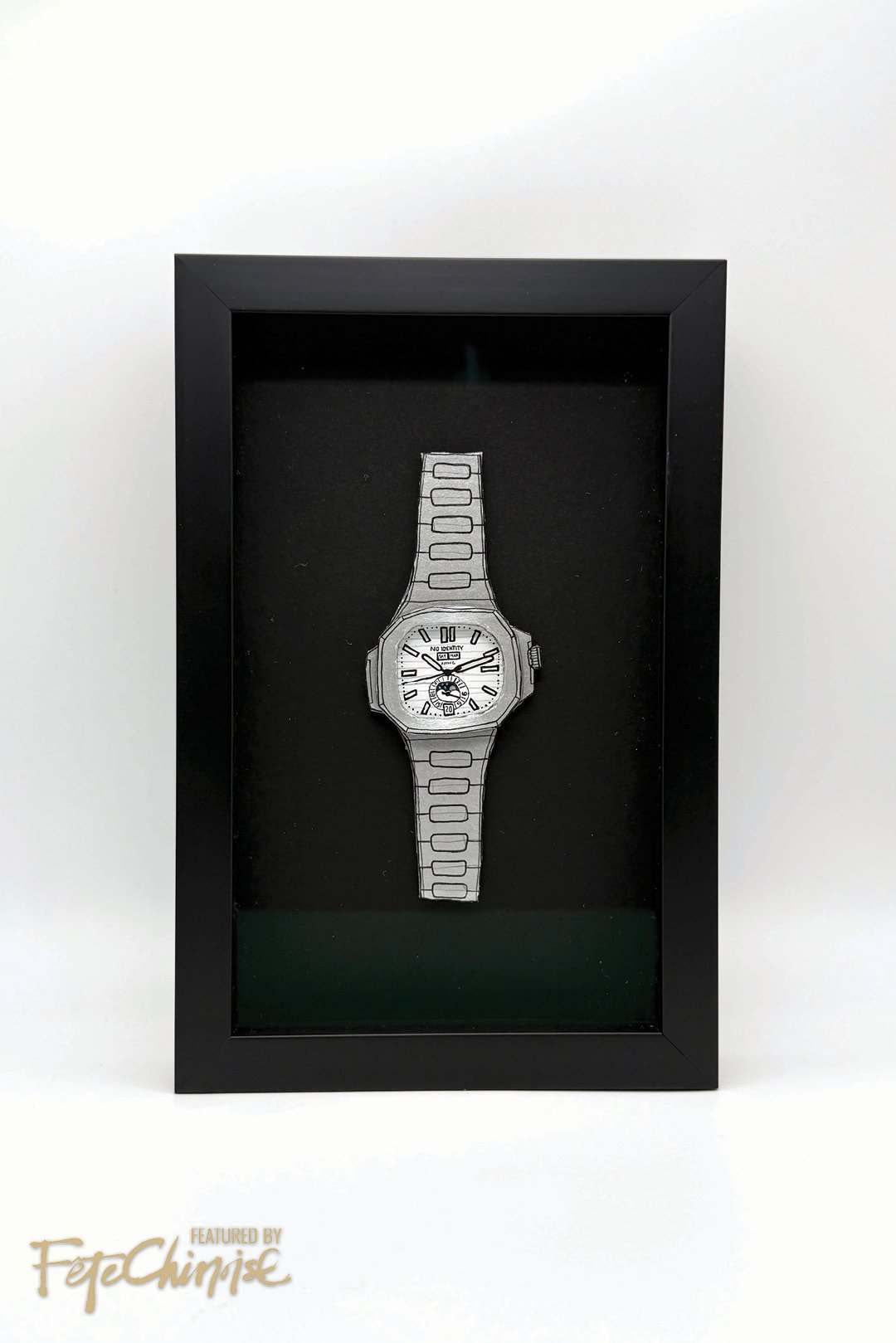
Identity Noidilus x AMWG. Photography: Gabe Lau.
近年,他與 H. Moser & Cie. 亨利慕時腕錶合作,先後於品牌的香港 Landmark 專門店舉辦個人展覽。那是他一次重要的展出,三十多枚按陀飛輪原作一比一製作的紙皮腕錶,如同真品般陳列於櫥窗之中。
LABEG 的作品現被世界各地收藏,遍及歐洲、中東、亞洲與美洲。收藏者包括美國音樂人 John Mayer 、曾獲 Gabe 親手製作 RM 52-05 作品的 Pharrell Williams ,以及 Patek Philippe 主席 Thierry Stern。現時訂製作品的輪候時間長達 22 個月。近年,他亦將創作延伸至腕錶以外,重新演繹 Hermès 與 Chanel 的經典手袋。
There is a specific kind of pride you feel watching someone you love, in the way you love old friends, which is its own category, find the thing they were always meant to do. It is not the pride of ownership. It is the pride of the witness: I was there. I saw the earlier versions. I know what it cost to arrive at this one. Watching Gabe sign his name to a framed cardboard Nautilus that will hang on a collector’s wall halfway across the world, I feel that.
When I think back on what has stayed continuous across every iteration of the Gabe I know, it is this: he makes things. In the specific, unhurried way of someone for whom making is itself a form of thought and, in his hardest years, a form of survival. The paper will yellow. The art will not. Knowing that came not from praise or validation, but from walking through the fire and finding the work still there on the other side.
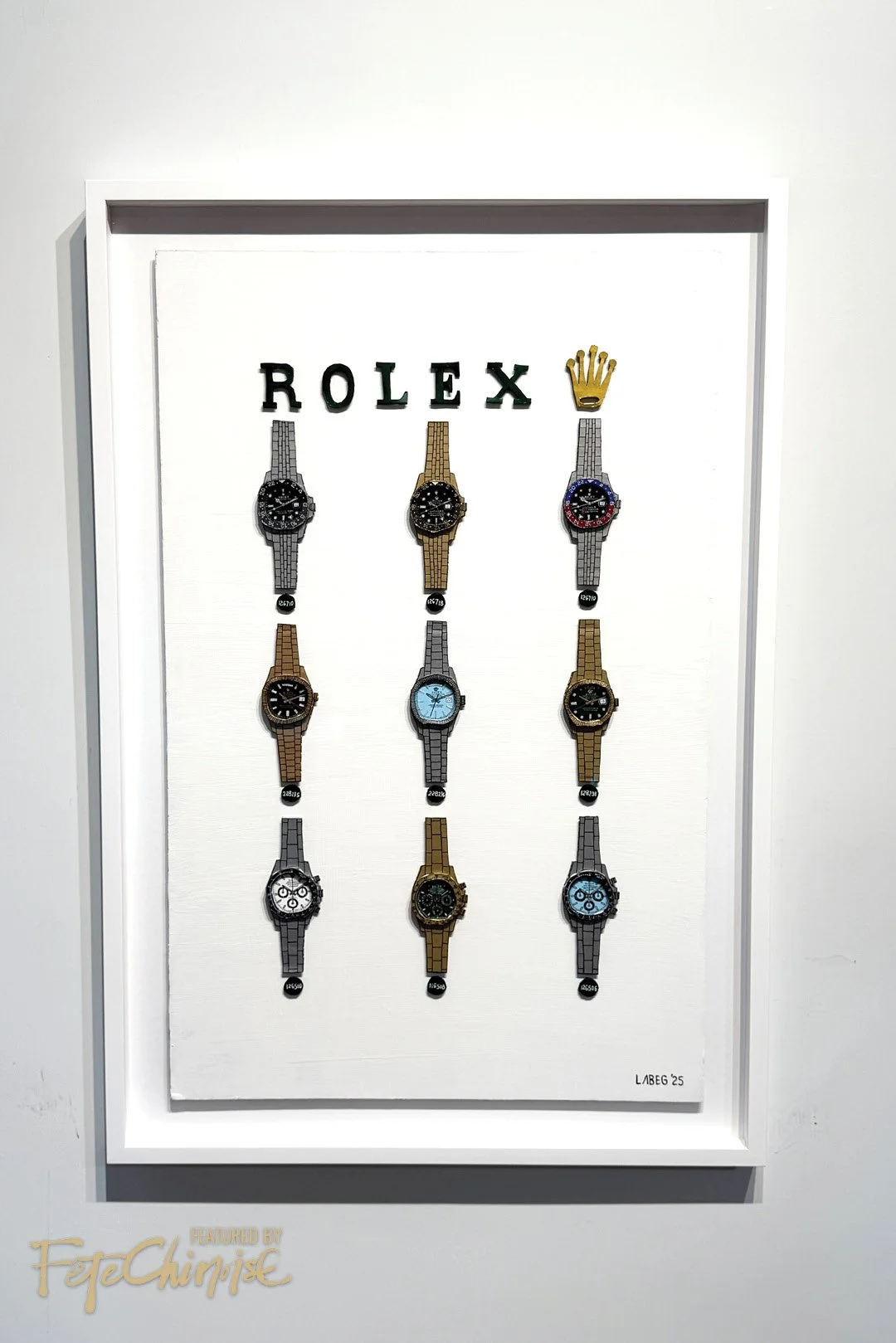
That is who LABEG is to me. Not the artist with the waitlist, though I am proud of that. Not the man who gifted Pharrell a cardboard watch, though I find that mind blowing. He is the friend I have seen refuse to be finished. The one who picked up a blade and a piece of cardboard during the years that might have taken him and made something beautiful instead. That grace he mentioned? It’s here wearing work gloves, and leaving calluses.
Gabriel Lau (@labeg) is based in Hong Kong. His commissioned works are available through labeg.art, with a current waitlist of 22 months.
「現在大多數創作都是商業創作,但我希望能以好玩、叛逆、不一樣的藝術創作,挑戰大眾對奢侈品的認知。」真正的奢華從不在於寶石的多寡,Gabe 對細節的執著、經歷反覆打磨依然孜孜不倦的創作精神,在歲月之中愈見彌足珍貴。
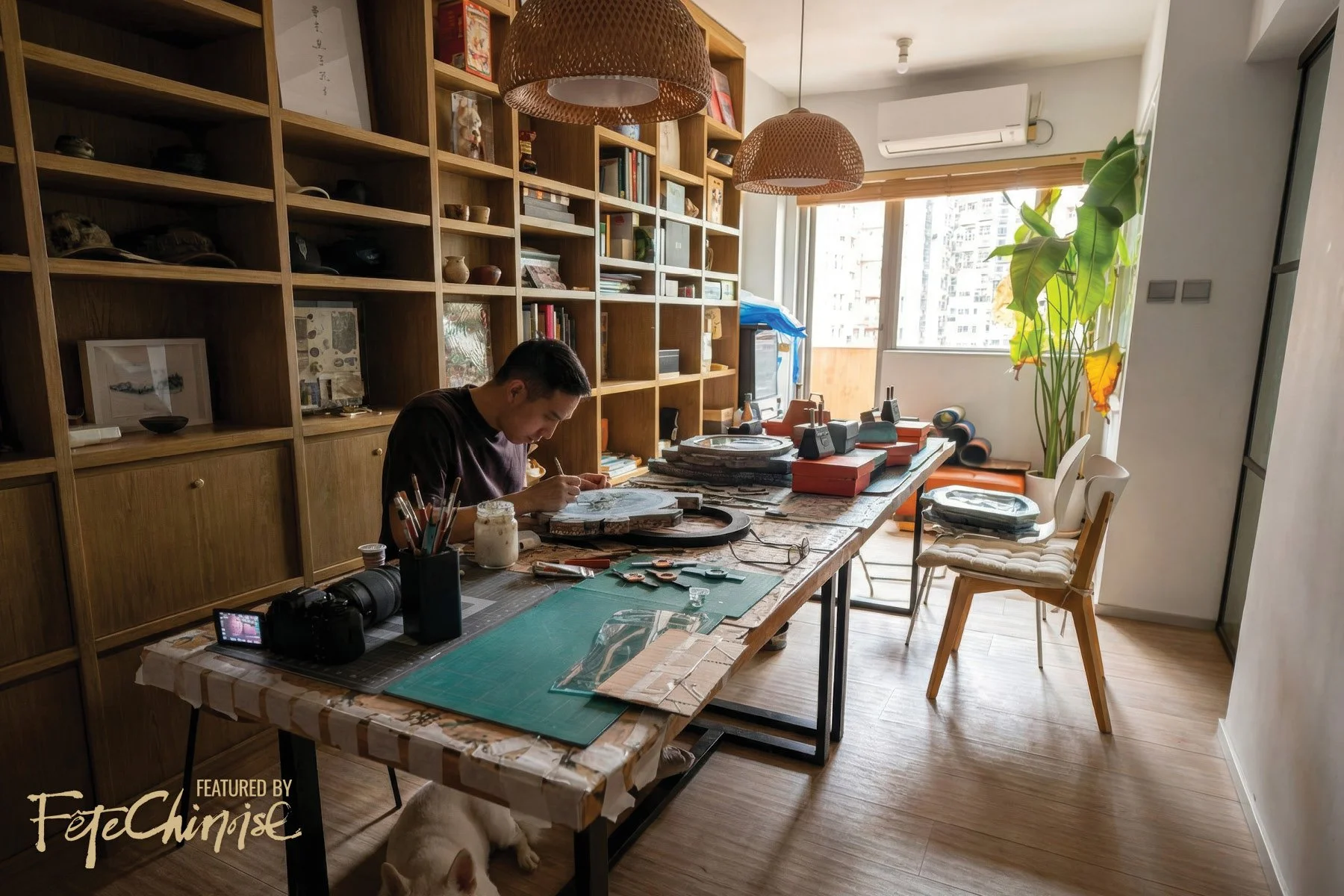
LABEG’s studio. Photography: Kevin Chiu.
More from Fête Chiniose
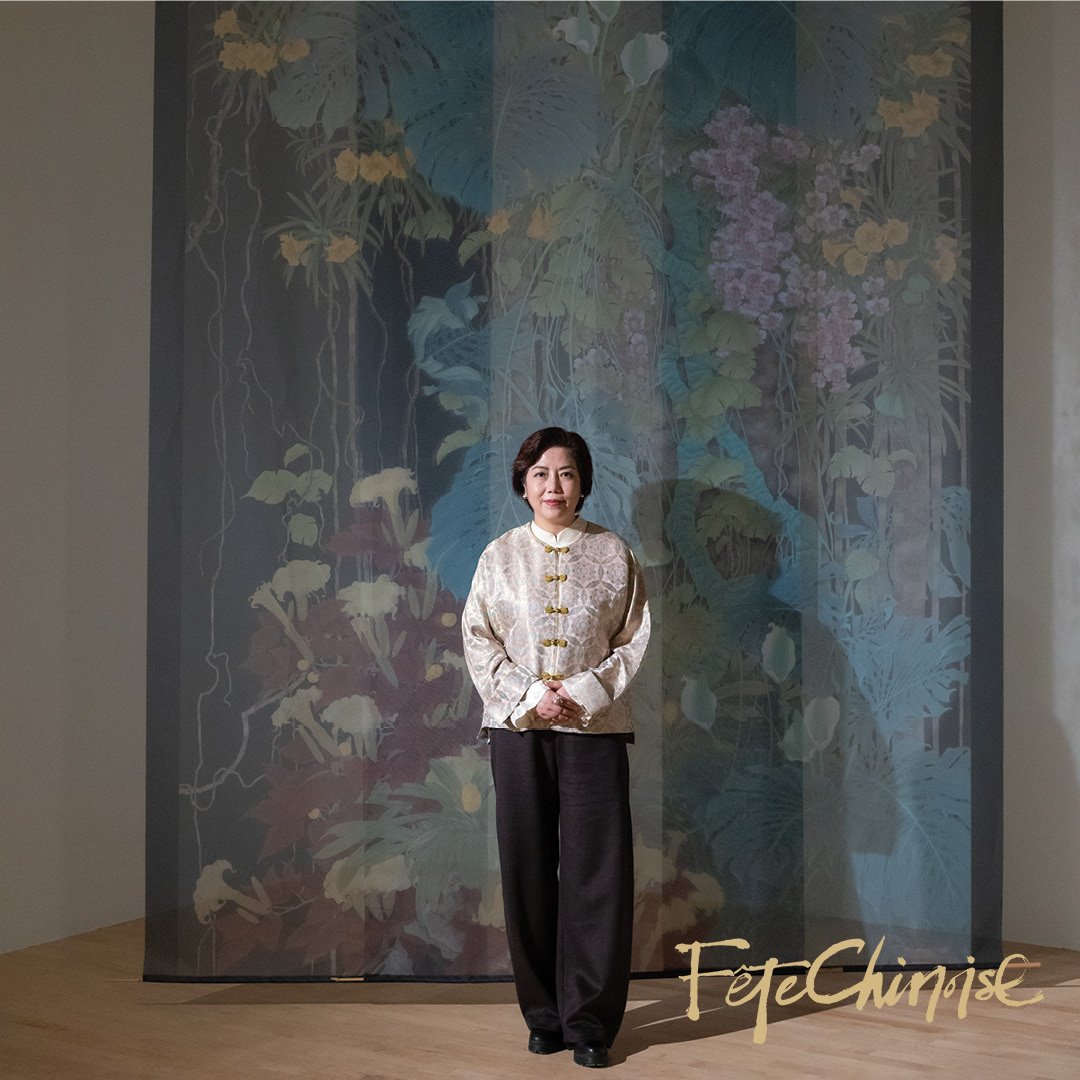
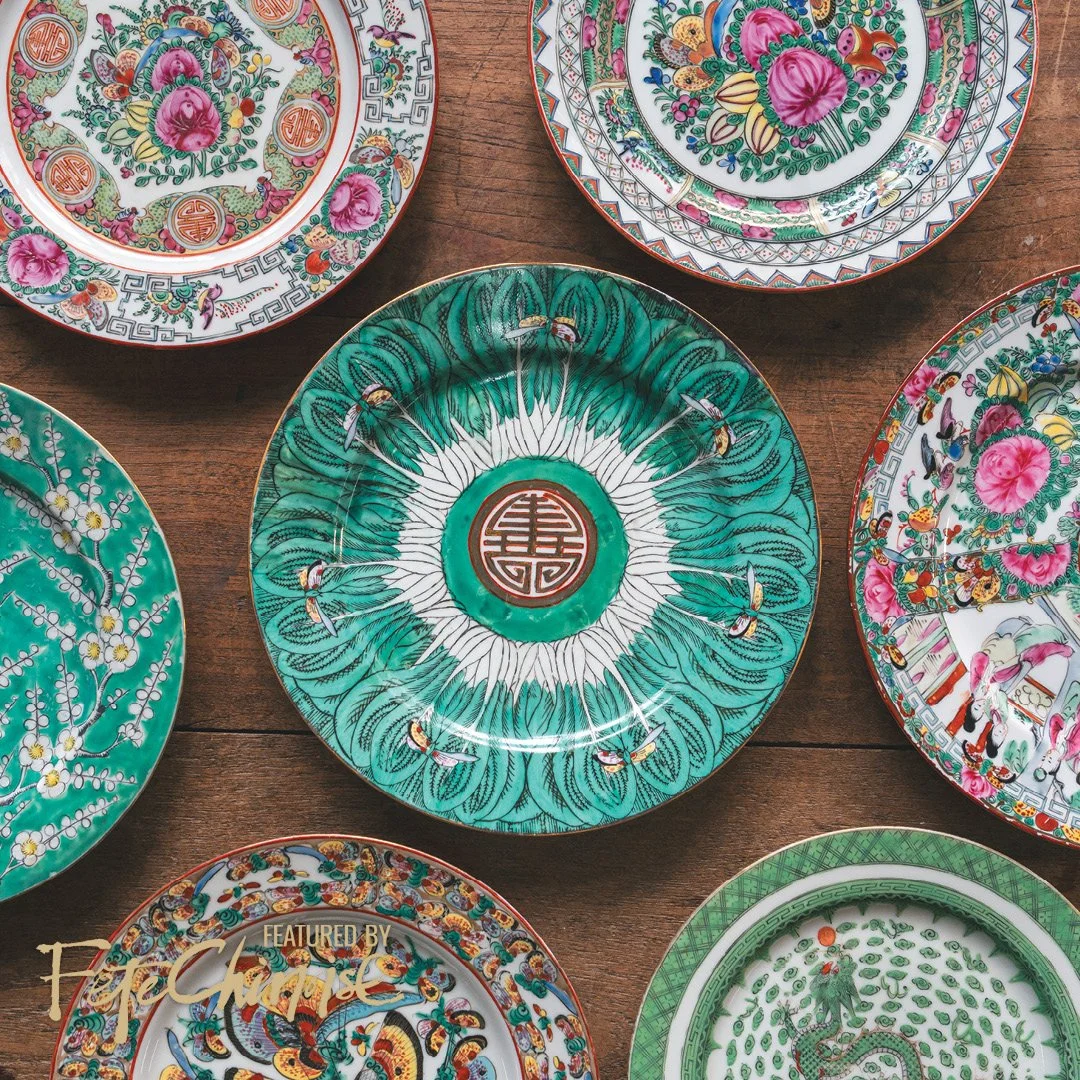
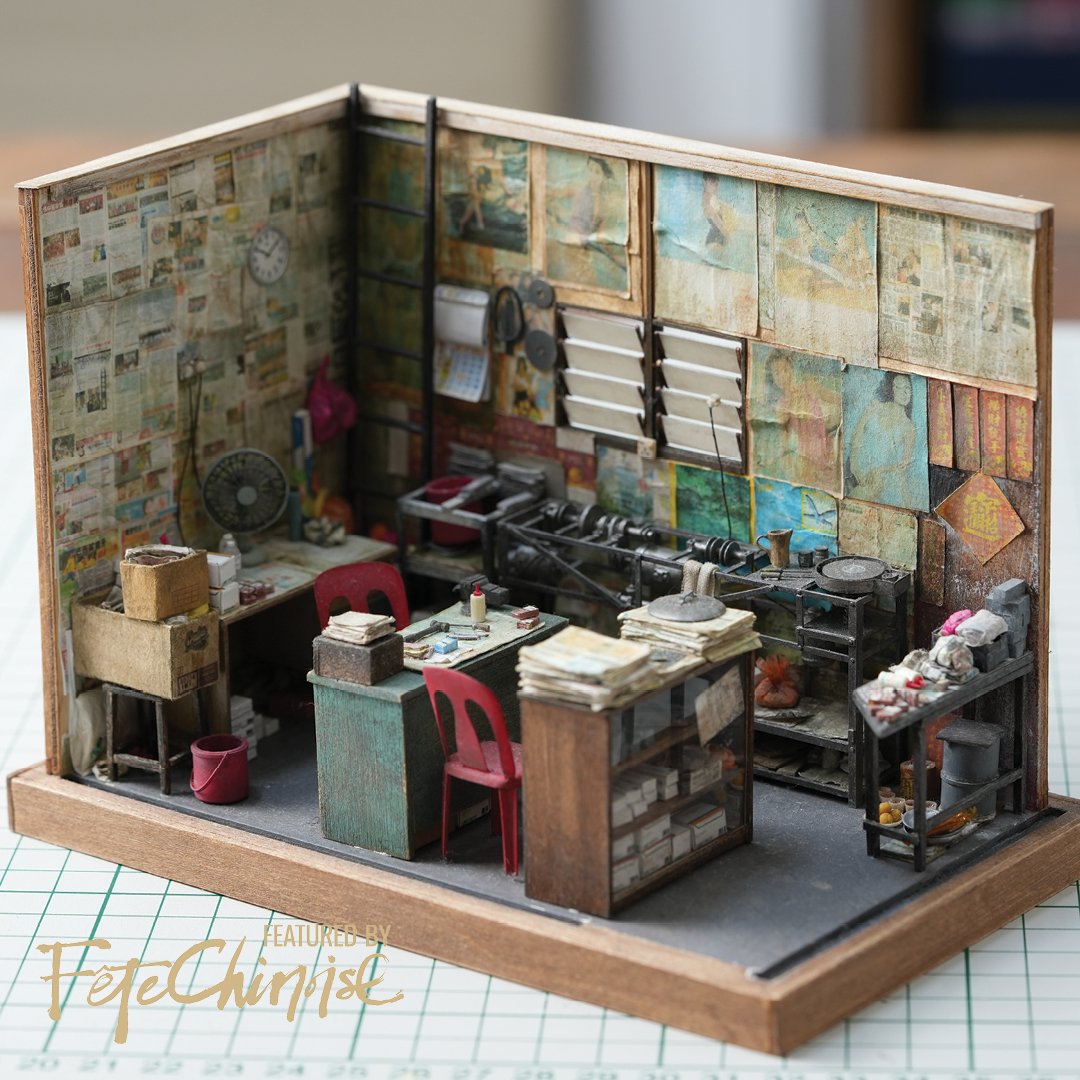
Hong Kong is well known as a concrete jungle of magnificent towers. But long before the concrete arrived, there was another kind of jungle—the bamboo groves that have for millennia colonized the hillsides of southern China, their hollow stems rustling in the wind like a thousand quiet conversations, captured in Ang Lee’s film Crouching Tiger, Hidden Dragon. It is one of the most beautiful ironies in the built history of our city: that the jungle of steel and glass rising from Victoria Harbour was erected, storey by storey, decade by decade, by a forest of bamboo.