Toronto Sound Meets Cantopop: The Weeknd Surprises Hong Kong with a Love Letter to the City, featuring a sample of Faye Wong's Iconic "Monsoon" from 1993
At Kai Tak Stadium, the Canadian superstar unveiled his unreleased track “Hong Kong”—bridging Toronto’s nocturnal sound with the timeless voice of Cantopop icon Faye Wong
Written by Fête Chinoise Editorial Team

The carefree late-night feeling of cruising the streets with music playing and the romance of streetlights rolling by through the windshield in sync. In Toronto, it might have been a drive along the 401 late at night with moody, atmospheric Canadian R&B humming through the speakers. For the Chinese diaspora who call Canada home, that same nocturnal mood started decades earlier in 1990s Hong Kong, listening to Faye Wong (王菲) cassette tapes while neon signs reflected off rain-slicked Kowloon streets. And for many Canadians, that late night playlist might very well be the marriage of two worlds, some R&B and some cantopop, some English pop songs mixed in a blend that reflected their beautiful identity of two or more worlds.
At the newly opened Kai Tak Stadium, those two worlds met in an unexpected moment of cross-Pacific resonance. During the Hong Kong stop of his global After Hours Til Dawn Tour, Canadian superstar The Weeknd (Abel Tesfaye) debuted an unreleased track titled "Hong Kong." Across the venue's massive stadium screens, the visuals shifted into a breathtaking love letter to the city: high-speed, cinematic footage of Hong Kong’s night highways and iconic red taxis cruising beneath towering, illuminated high-rises and nostalgic neon lights. Then, the track’s opening hook cut through the cheers: the unmistakable chords and haunting Cantonese vocal phrase of Faye Wong’s 1993 classic, “Seasonal Wind,” also known as “Monsoon” (季候風). The stadium erupted in a roar of delight.
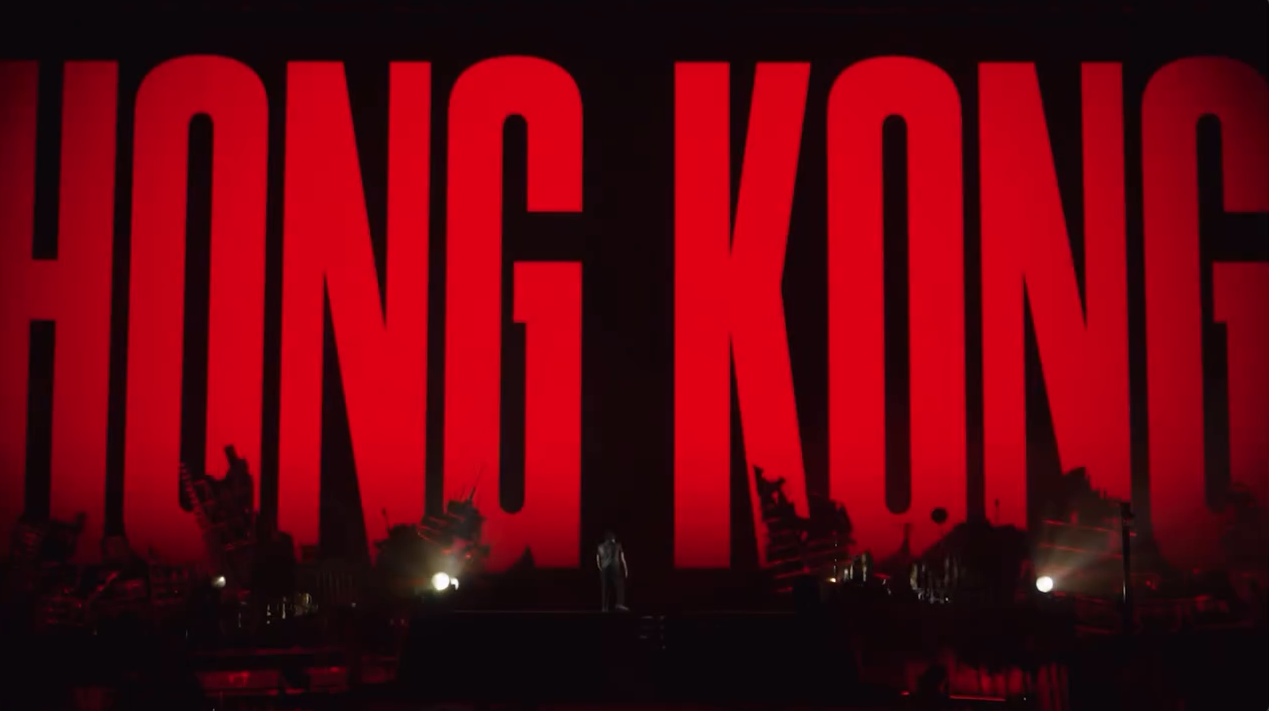
Reposted from video by The Weeknd
The Unmistakable Voice of Faye Wong: Cantopop’s Ultimate Female Icon
To understand why the crowd gasped as those opening notes rang out, you have to understand what Faye Wong means to Hong Kong. In the early 1990s, a golden era when Hong Kong was the cultural heart of the Chinese-speaking world, Faye Wong brought the cool, atmospheric dream-pop of the West into classic Chinese balladry. She created an effortless, forward-thinking style that has never been matched.
Her 1993 hit "Seasonal Wind" or “Monsoon” was a melancholic ballad that captured a very specific mood: bittersweet heartbreak set against the non-stop rush of a big city, relating the overwhelming and transient presence of her lover’s departure and the heartbreak to the destruction of a monsoon wind. Faye Wong’s voice was the sound of Hong Kong at its creative peak—sophisticated, vulnerable, and effortlessly cool. By weaving her voice into his new track, The Weeknd tapped into a deeply personal memory shared across generations of Cantopop lovers.
The Extra Mile: From Rio and Tokyo to Hong Kong
What made this moment so special was how intentional it felt. For fans following The Weeknd’s tour, "Hong Kong" wasn't a one-off gimmick, it was part of a rare creative habit. At key stops along the tour, Tesfaye and his team have taken the time to craft custom, city-specific tracks that pay homage to the local music scene. This has earned immense respect on this tour across Asia.
The pattern began in Rio de Janeiro, where he debuted "Rio" alongside Brazilian superstar Anitta, leaning into the high-energy rhythms of funk carioca. It continued in Japan with "Tokyo," where Tesfaye sampled anime legend Yoko Takahashi (famous worldwide for Neon Genesis Evangelion), honouring Japan's retro synth heritage.
With "Hong Kong," Tesfaye and his team proved once again that they don't treat major cities like quick stops on a tour schedule — he finds inspiration from each destination and delves into the local culture as he delivers his creativity. Building an unreleased track around vintage Cantonese vocals takes real effort, research, and respect. That care carried over into the stage production as well: instead of running generic tour graphics, the screens showed custom footage that captured Hong Kong's well-known day-and-night identity, from glowing highway overpasses to red taxis weaving through city traffic. Layered over his signature bassline, Faye’s vocals were handled with genuine care. It was a masterclass in sampling: an act of deep listening that gave the stadium audience a performance created just for them.
A Dialogue Across Decades and Oceans
For Fête Chinoise, this moment resonated far beyond the walls of Kai Tak Stadium. For many readers who may have looped the new track like we did, it must have felt like watching two places that one would call home come together, and be taken by how much they have in common.
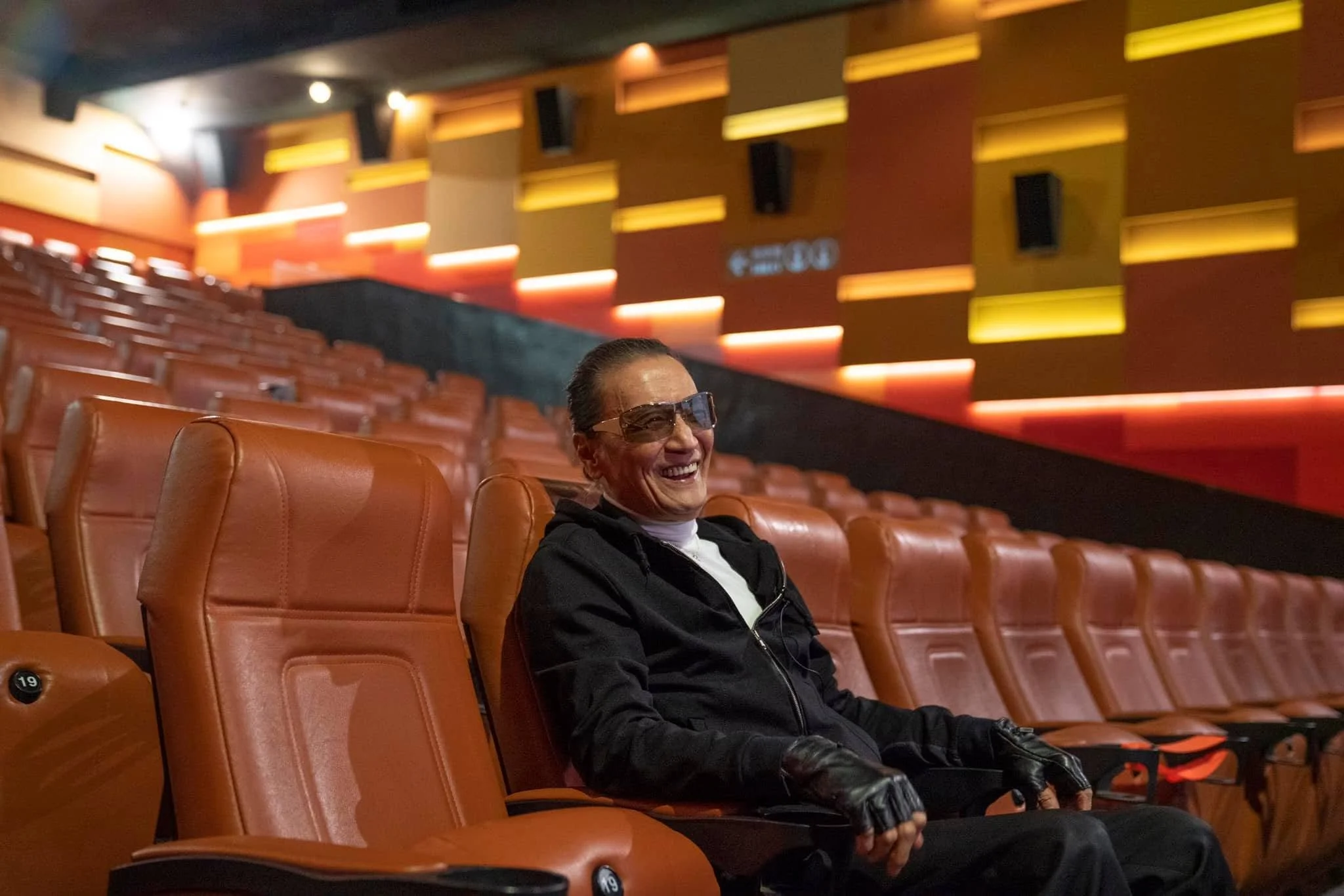
Abel Tesfaye grew up in Scarborough, Ontario, a region where East Asian culture has long been part of the local fabric. For many Canadian viewers, watching The Weeknd in Hong Kong may have felt phenomenally natural. The saturated neons, blurred night lights, and quiet urban isolation of his After Hours era share a striking visual language with classic Hong Kong cinema, particularly the films of Wong Kar-wai like Chungking Express and Fallen Angels. Spotting the Canadian superstar in the city in photos alongside screen legends Tony Leung Chiu-wai (who starred with Faye Wong in Chungking Express) and Carina Lau brought that aesthetic full circle, a moment where two distinct eras of nocturnal storytelling briefly shared the same frame.
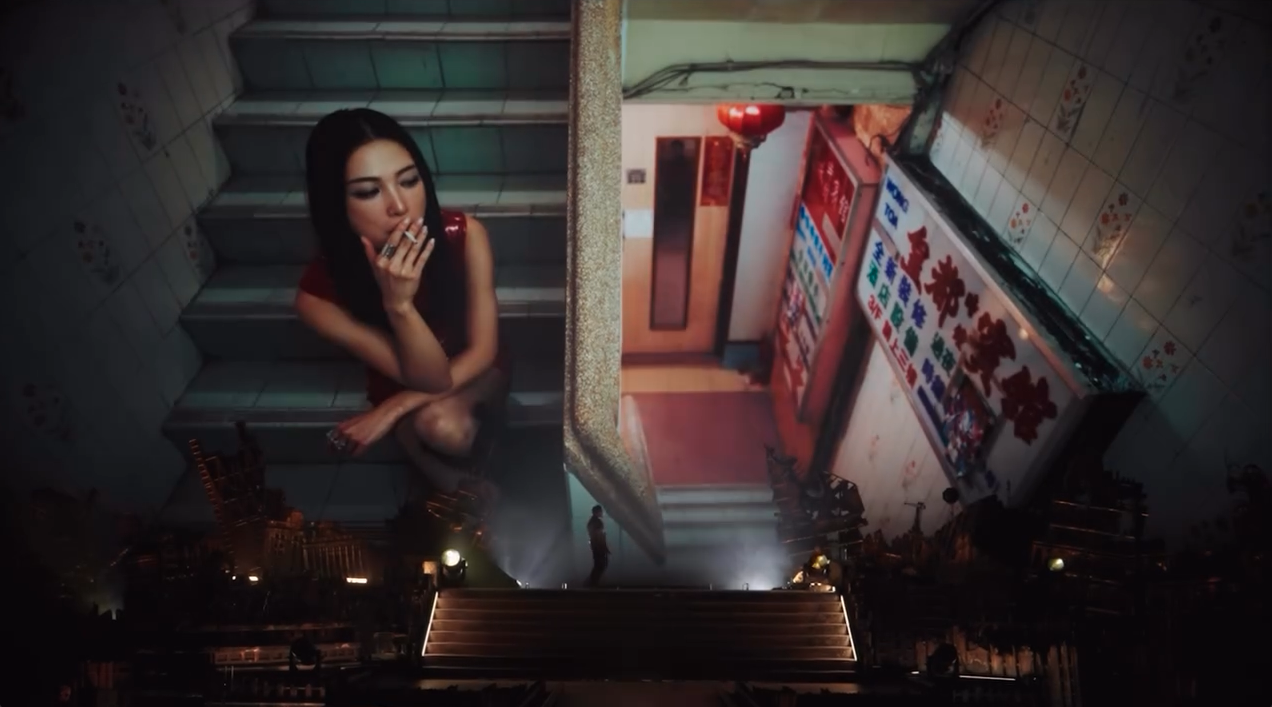
Reposted from video by The Weeknd

Reposted from video by The Weeknd
A Lasting Connection
Too often, conversations surrounding cultural exchange are weighed down by heavy commentary. The Weeknd’s Hong Kong concert was a reminder of something far more enduring: the pure, quiet power of a genuine artistic tribute.
For Chinese-Canadians who navigate the rhythms of two cultures every day, hearing a Canadian icon celebrate a beloved Cantopop classic on Hong Kong soil carried immense emotional weight. It demonstrated that the melodies, cinema, and memories that built our inner worlds are not static relics of the past. They are living ideas capable of moving artists halfway across the world.
As Faye Wong’s voice soared through the evening breeze over Kai Tak, it felt like an old friend speaking in a fresh language. The seasons have shifted, but the wind, it turns out, always knows its way home.
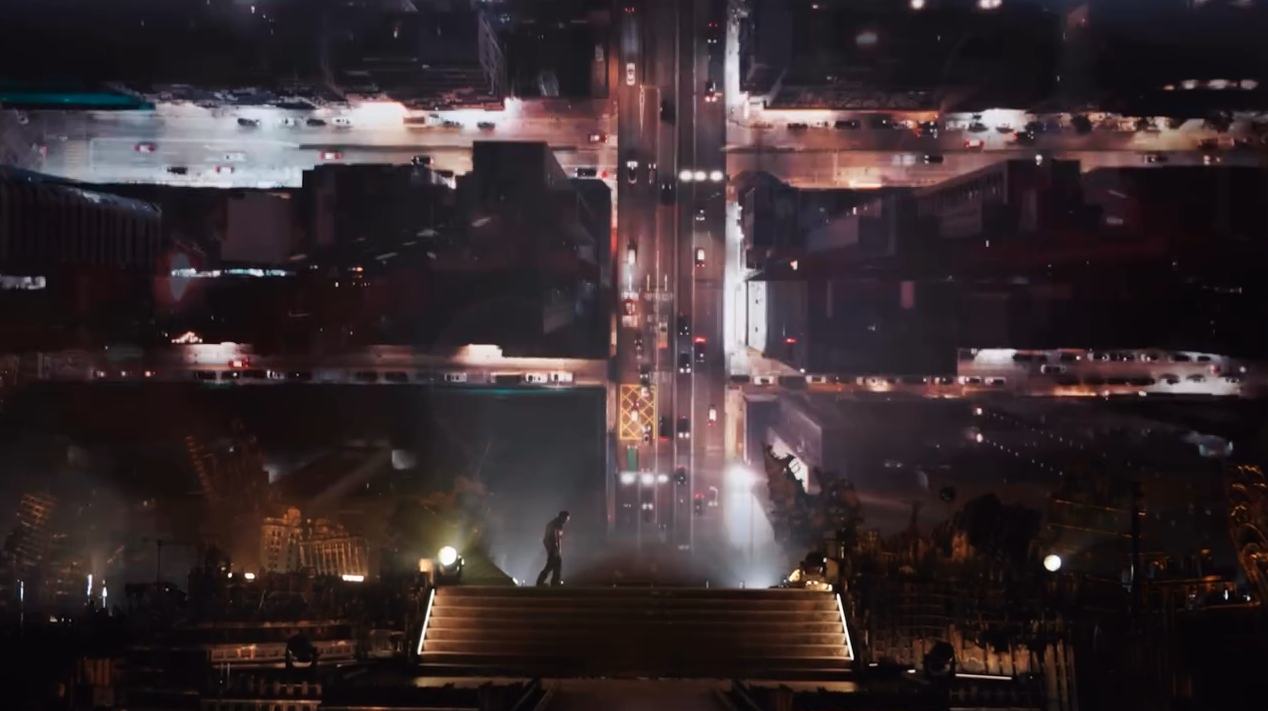
Reposted from video by The Weeknd
More from Fête Chiniose

A restaurant can offer more than a meal: a livelihood, a connection to home, and a place to belong. In director Wen Muye’s 文牧野 Once Upon a Time in the Middle East《歡迎來龍餐館》, these familiar hopes take on new urgency when a Chinese chef’s fresh start abroad is interrupted by war. Starring Shen Teng 沈騰 as chef Xu Fu, the film follows a man who travels to the Middle East to repay his debts and support his family. Together with restaurant manager Ma Junsheng, he helps turn the struggling Dragon Restaurant into a flourishing business. When conflict reaches the city, however, the restaurant becomes a refuge, and Xu Fu must decide how much he is willing to risk for the community he has come to call his own.