
Beyond the Bard: Jeff Ho on Pastoral & Shakespeare in the Ruff
Written by Maggie Ho
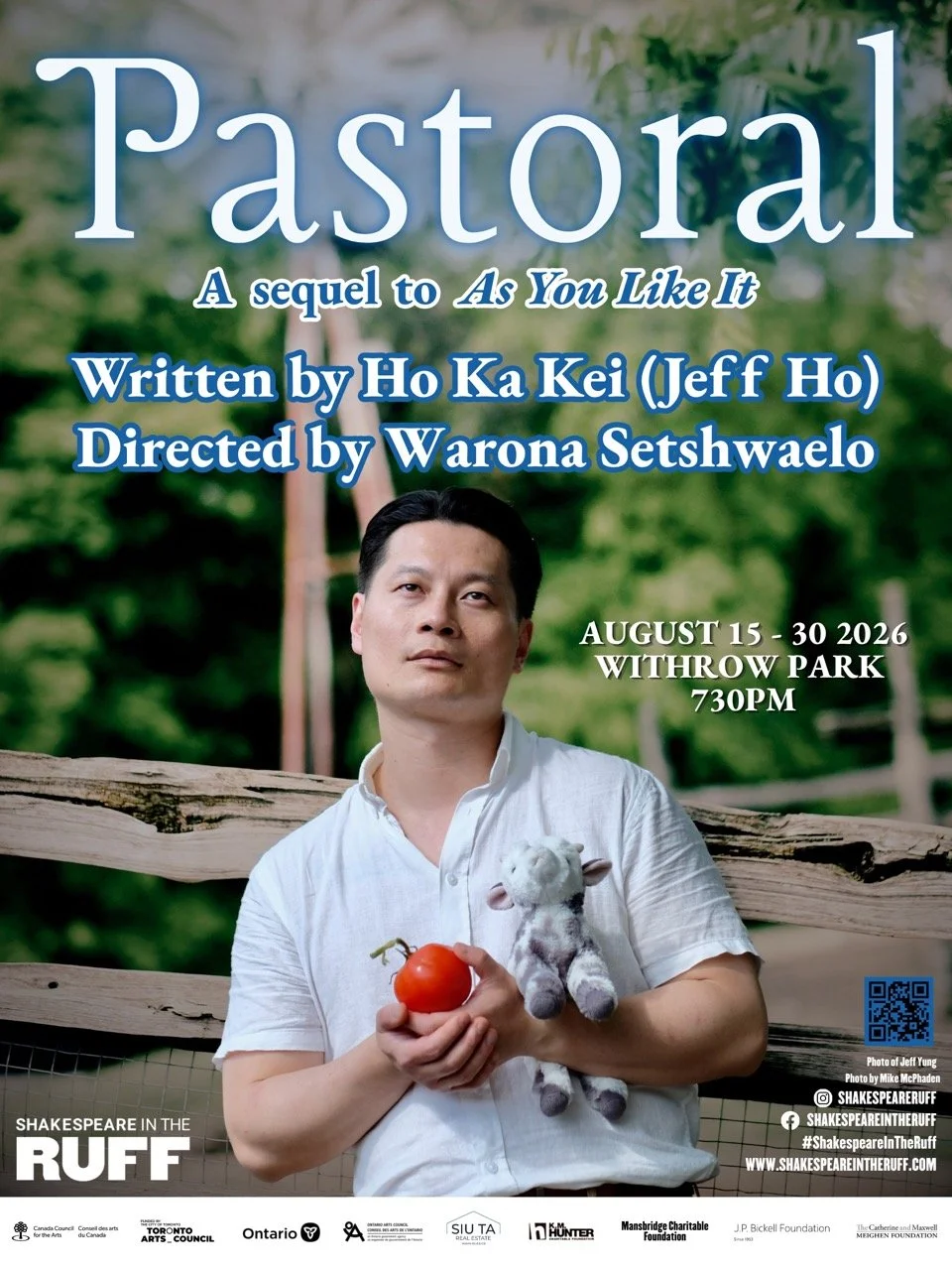
Image Courtesy of Shakespeare in the Ruff. Photographer: Mike McPhaden.

Playwright Jeff Ho speaks with Fête Chinoise about his latest production, Pastoral, a sequel to Shakespeare’s As You Like It, presented by Shakespeare in the Ruff.
His connection with the Bard began while he was learning English after moving from Hong Kong to Canada, and has since evolved alongside his own understanding of language, culture and identity. In our conversation, we explore how his intercultural identity and Hong Kong heritage shape his approach to language, casting, and the enduring themes of exile and home.
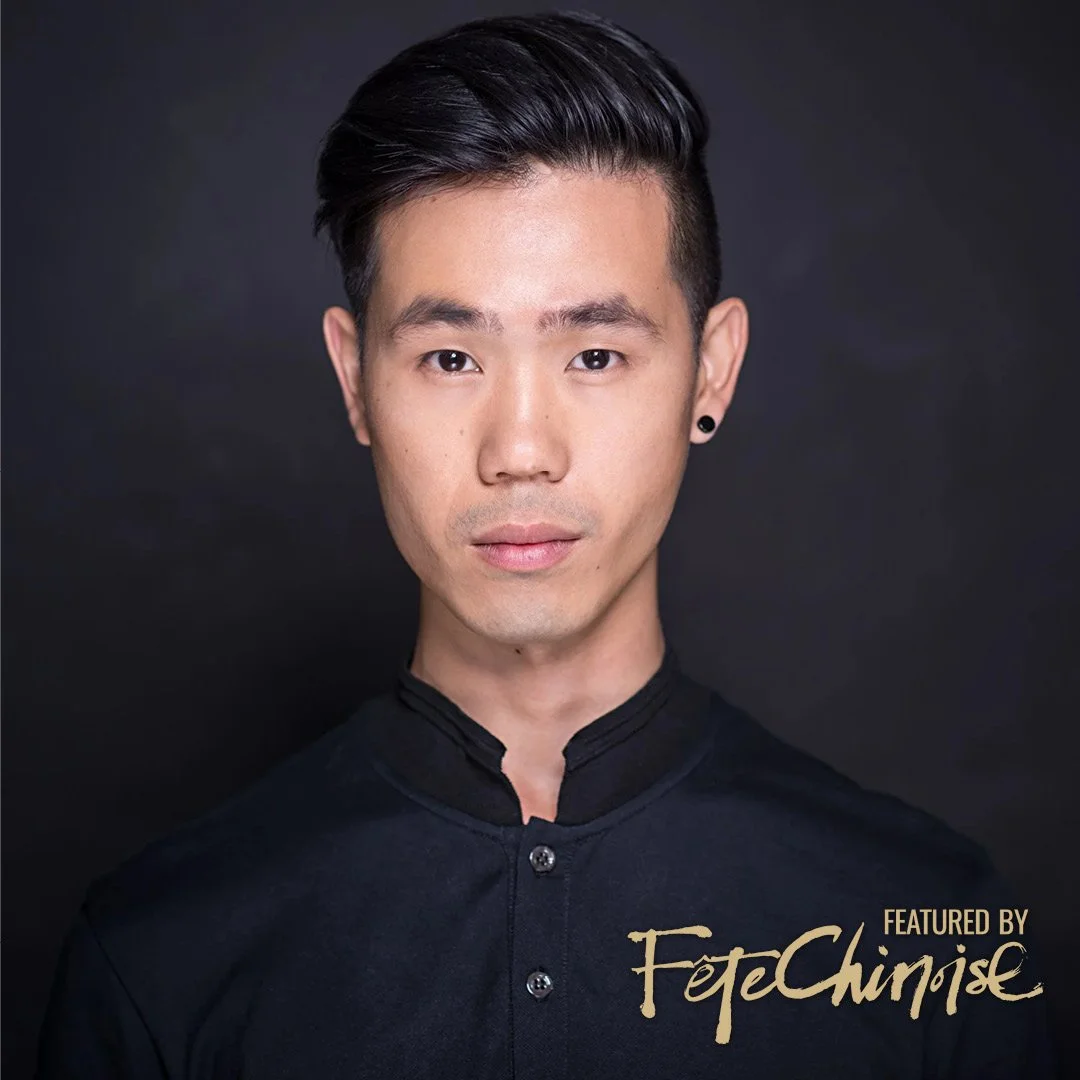
The following conversation has been edited for clarity and length.
Maggie Ho (FC): Can you give us an overview of Pastoral, its relationship to As You Like It, and how you approached writing it as a sequel?
Jeff Ho (JH): Pastoral is a sequel that takes place two years after the events of As You Like It. Rosalind and Orlando have been married for two years, as have Celia and Oliver. The family dynamics, the politics of the Court, the Duchy, and the Forest of Arden are all thrown into view.
The inciting incident of the play is that something stirs within the forest, calling everyone back to try to solve a new crisis. In doing so, they go on a journey centered around the environment, wildlife, a love for nature, family, and each other, exploring what it means to build a future together as a loving family and as friends.
FC: The production will take place in a park rather than an indoor theatre. When you were writing Pastoral, did you have that setting in mind?
JH: I was actually approached to adapt As You Like It six years ago by Shakespeare in the Ruff. From the get-go, we knew it was for the park. I edited the play down for seven actors and a 90-minute runtime, but due to COVID-19, that production was cancelled.
This past year, the new leadership invited me back to take another look. Six years later, they asked, “What would you like to do now?” I felt it didn't make sense to just look back at what we had done, so I decided to write a sequel instead.
But I always knew it would be performed in a park, specifically for this company and this group of people.
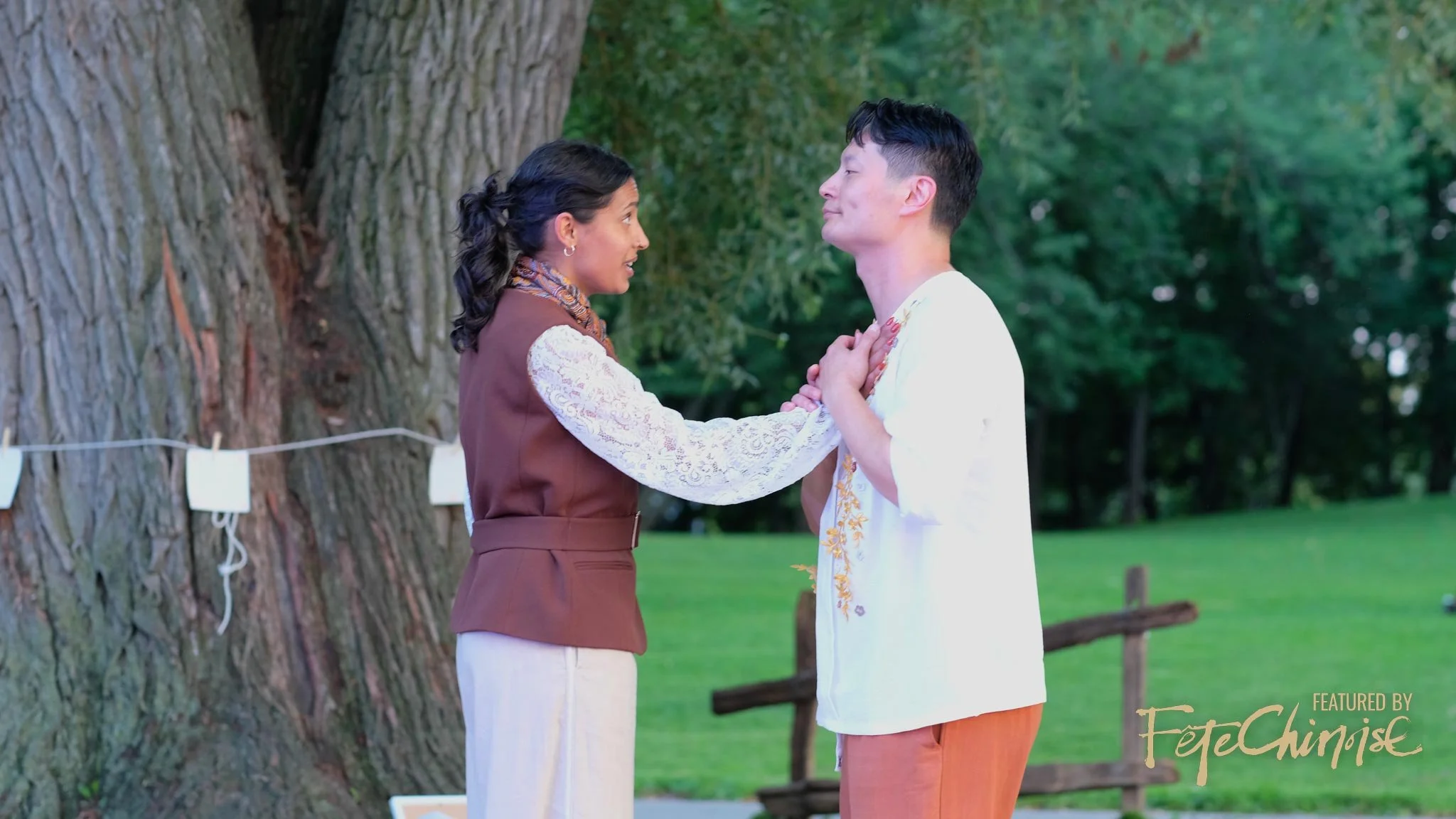
Production Photo from Pastoral by Shakespeare in the Ruff (2026). Photo Credit: Mike McPhaden.
FC: Everyone in theatre loves Shakespeare. You’ve done many works referencing or reinventing his plays. What keeps drawing you back to the Bard’s work?
JH: When I immigrated from Hong Kong, I was learning English as a Second Language. Many of my English teachers used poetry to teach me the musicality and literary beauty of the language. A lot of that naturally flowed into Shakespeare, and I fell in love with the music, the beautiful imagery, and the way actors approach the text.
Through my training and time in theatre, I developed both an admiration for his work and a desire to question its dominance in Western culture, particularly its role as a colonial tool. Coming from Hong Kong, a former British colony, those cultural influences are clear.
FC: Since you mentioned growing up in Hong Kong, you also grew up between languages and cultures. How has speaking more than one language shaped the way you tell stories and approach these works?
JH: It shapes my work 100%. For me, language is music. I approach a script based on how it sounds as much as what it is trying to say. There is a power and momentum to each language.
Cantonese is a beautiful, staccato, musical language with multiple tones. It can condense into four syllables what might take a full paragraph to express in English.
In English, there is a way to follow a stream of consciousness that I find a bit harder to do in Cantonese due to its linguistic differences. Ultimately, it comes down to how humans communicate with each other, which is what theatre is all about.
Language is the tool, the weapon, and the gift that theatre artists use. Depending on the language, it can completely shift the artistic expression.
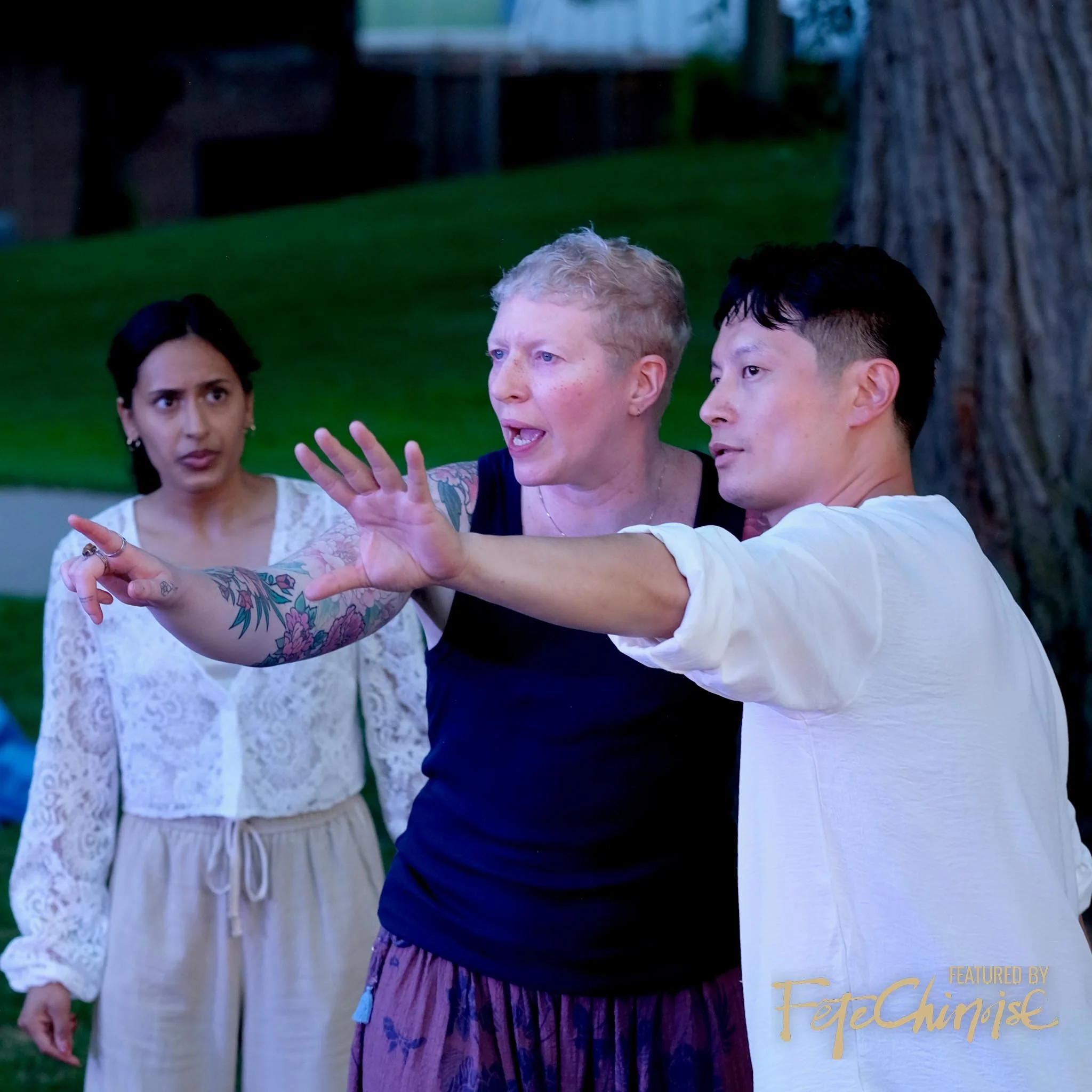
Production photos from Pastoral by Shakespeare in the Ruff (2026). Photo Credit: Mike McPhaden.
“Language is the tool, the weapon, and the gift that theatre artists use. Depending on the language, it can completely shift the artistic expression.”
FC: Exile, transformation and returning home are important ideas in As You Like It. How did you approach those ideas in the new work?
JH: That is really core to the work. It highlights how universal Shakespeare's expressions are. The theme of exile, of trying to return home or find a home, exists everywhere in the world right now across many cultures. As a Hong Kong-Canadian, I feel this deeply, as do people from many other backgrounds.
I don't feel we in the arts need to be heavy-handed about it, because audiences will bring their own interpretations and understandings. But there is certainly a profound question of what it means to call a place home, what it means to claim a home, and what it means to lose a home.
Those are core themes in As You Like It, and they are themes that I amplify greatly in Pastoral.
FC: Speaking of home, have you had the chance to return to Hong Kong, and has your relationship with the city changed over time?
JH: It has definitely changed. The last time I was in Hong Kong was in 2016, and since then I have been in Canada, watching from afar.
Much of my family remains there, including my aunts, uncles and cousins. Even at a distance, I feel connected through them, and I observe the multigenerational conversations happening in the city. My grandparents, parents, aunts and uncles have a very different relationship to the city and its politics compared to the younger generation, like my cousins.
I follow along, I feel for my home, and I often crave going back.
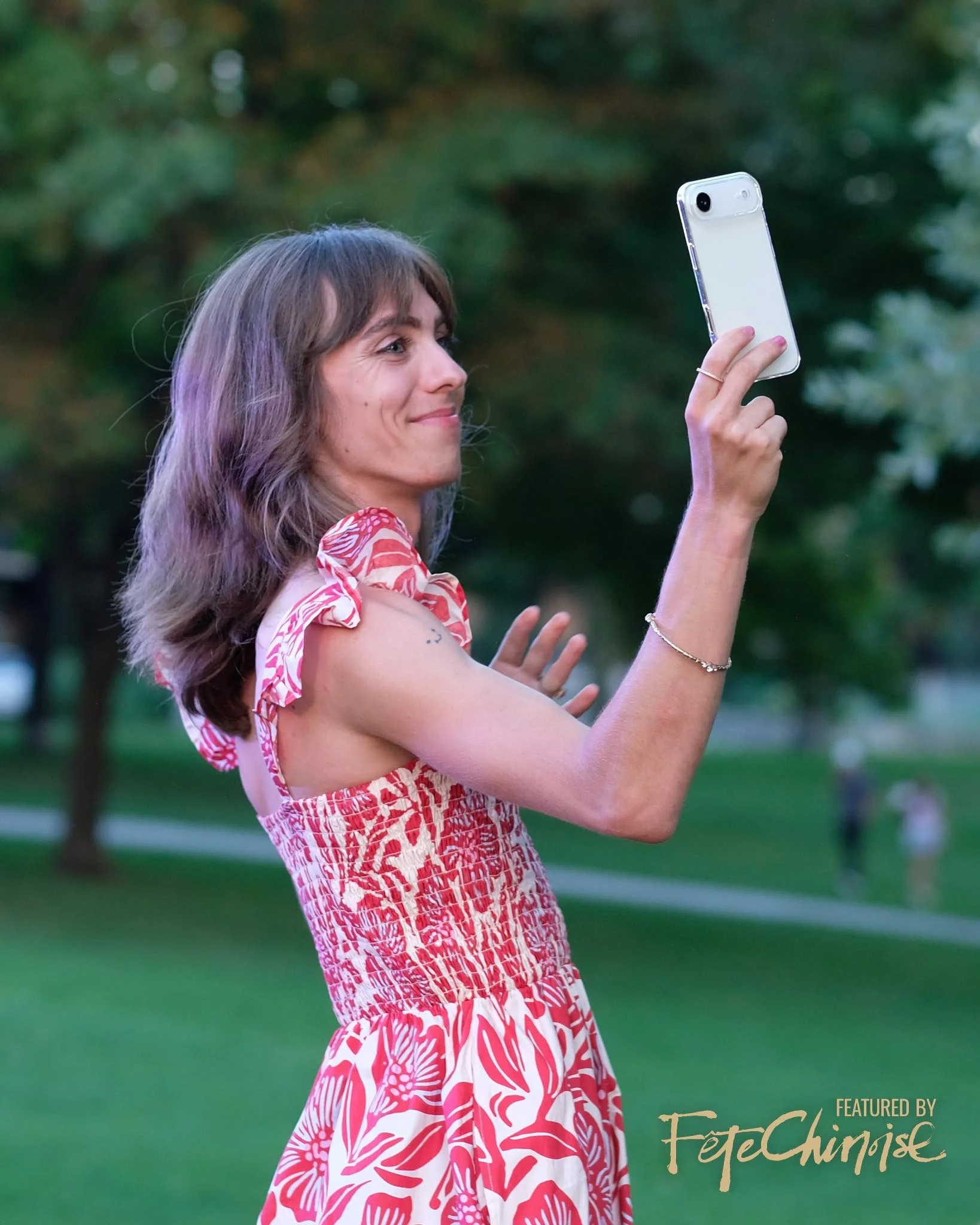
Production photos from Pastoral by Shakespeare in the Ruff (2026). Photo Credit: Mike McPhaden.
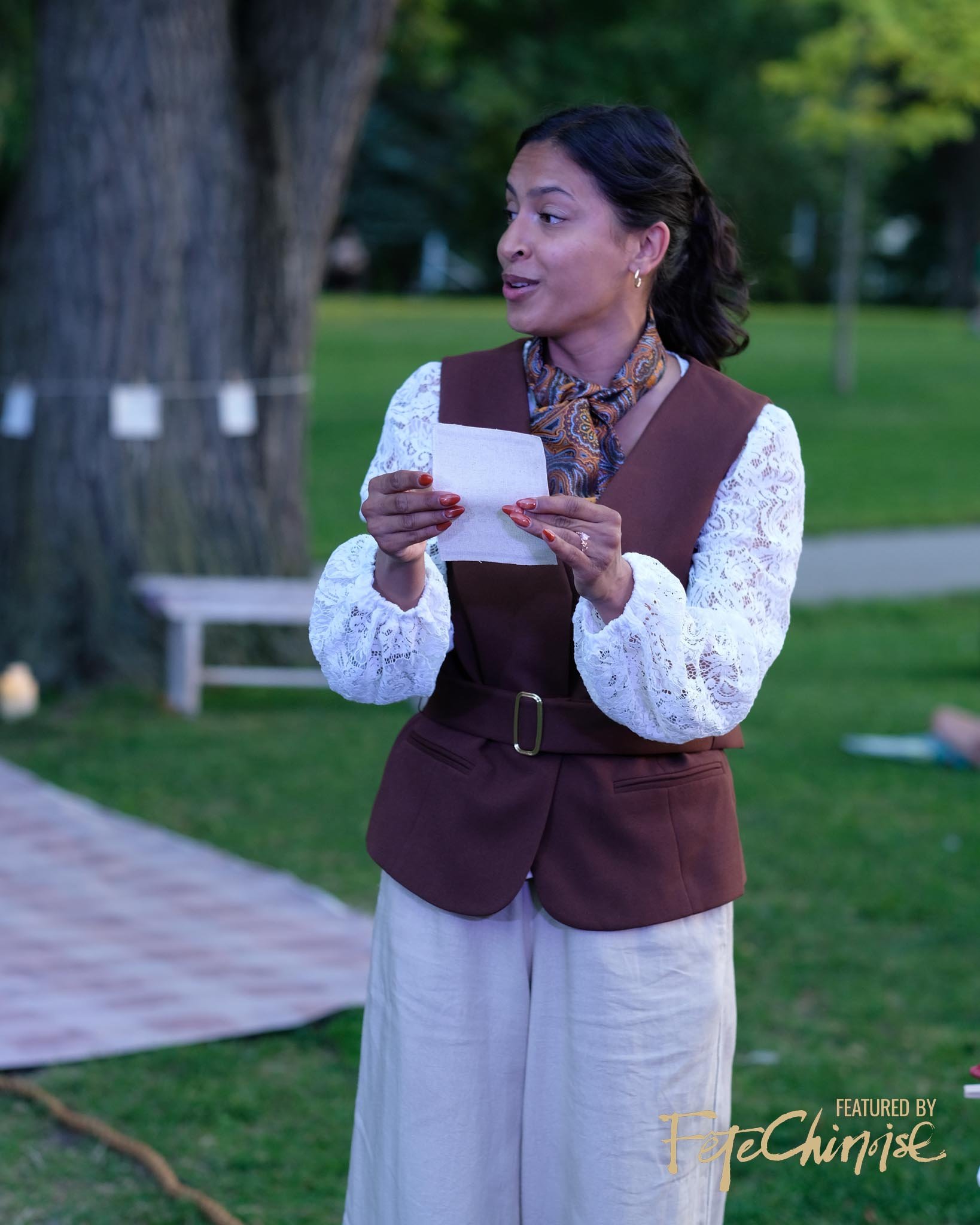
Production photos from Pastoral by Shakespeare in the Ruff (2026). Photo Credit: Mike McPhaden.
FC: Staying with your early experiences, did you face opposition from your family when you chose to pursue a creative career?
JH: I was actually kicked out of my home for wanting to be an artist, and I ran away at 17 to Montreal to pursue acting. I left home and found my own way.
When I speak with emerging artists today and they say, “Maybe I should run away from home too,” I tell them, “No!” The conditions were very different when I left. In today’s economy, the risks are completely different.
I faced a lot of stigma and opposition, and to this day, I don’t really discuss my career with my family. But I have made my peace with it. I always carry a quote from Sandra Oh, who inspired me to leave home: “If the people who love you the most, your parents, can say no to you and you still do the art form, no other rejection in the world matters.”
I find that very true. If I could withstand my parents telling me I couldn’t do this and still pursue it, then failing an audition or missing out on a project doesn’t break me. I am doing exactly what I want on my own terms, and I am very grateful for that.
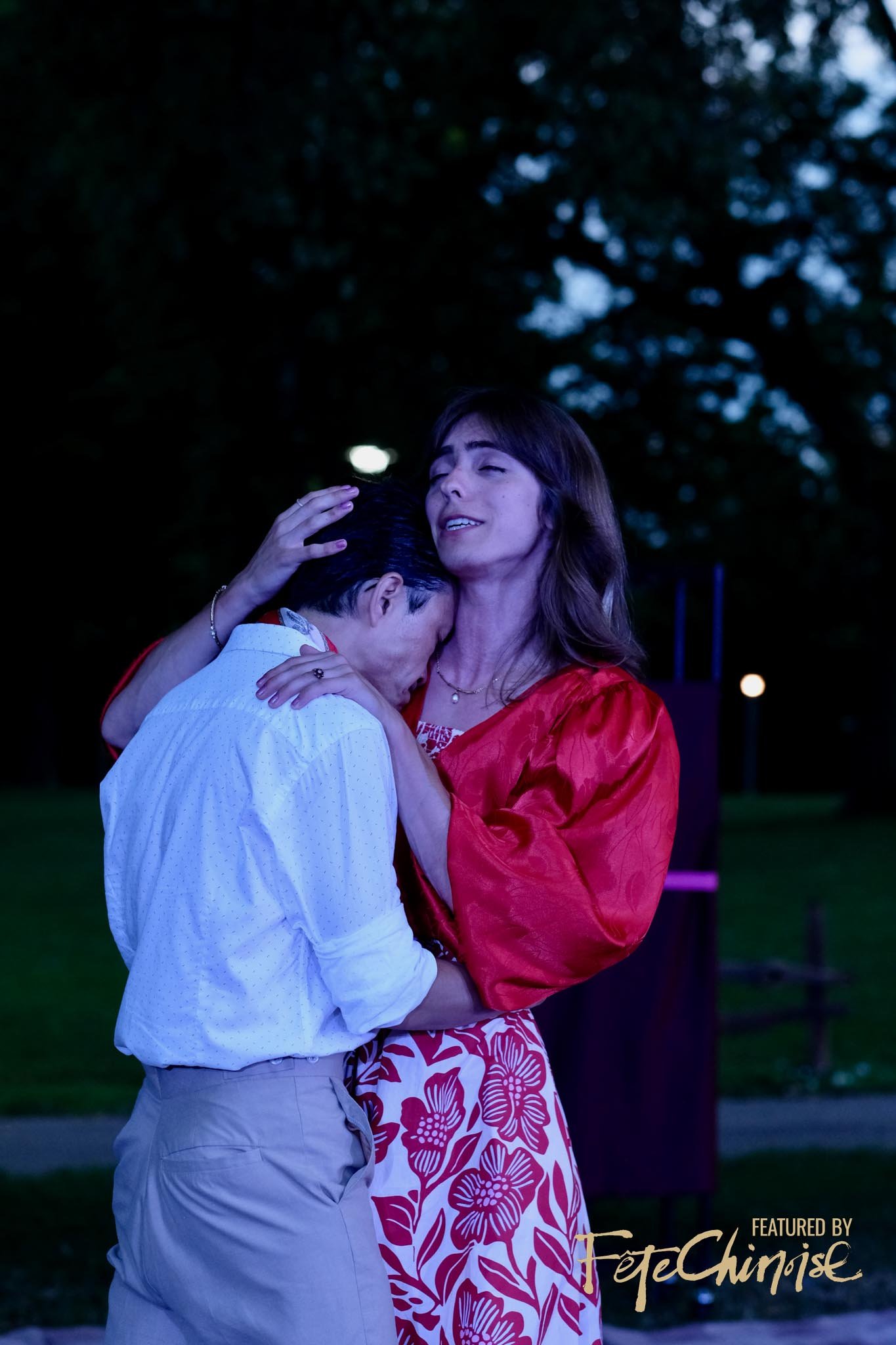
Production photos from Pastoral by Shakespeare in the Ruff (2026). Photo Credit: Mike McPhaden.
FC: How have you seen the landscape of Canadian theatre change over the years? And how do you try to contribute to that change through your own work?
JH: I feel very grateful that over the 15 years I've been practicing professional theatre, I have noticed significant changes. It is the result of hard work by incredible mentors and leaders who blazed a trail for people like me.
I want to take that baton and do my best to carry it forward, both in my role as Associate Artistic Director at Tarragon Theatre and through my writing.
The plays I write are always centred on marginalized communities, whether in terms of gender or race. For example, my next play, Prophetess, has a largely BIPOC cast. Writing these stories and casting with representation in mind is how I can contribute.
The terminology and practices have also evolved over the last 15 years. When I first started, the standard was “colourblind” casting, which eventually became a controversial concept because being “blind” to colour asks us to erase an essential part of an actor's identity. Today, we have moved toward “colour-conscious” casting and other equity-centred frameworks.
While the change happens in increments and I sometimes get impatient with the pace, it is a nuanced conversation with many contributing factors. I remain very hopeful because we are seeing more artistic leaders of colour across the country, which is crucial. Change must start at the leadership level and trickle down, but it also begins with those who write the stories and direct the plays.
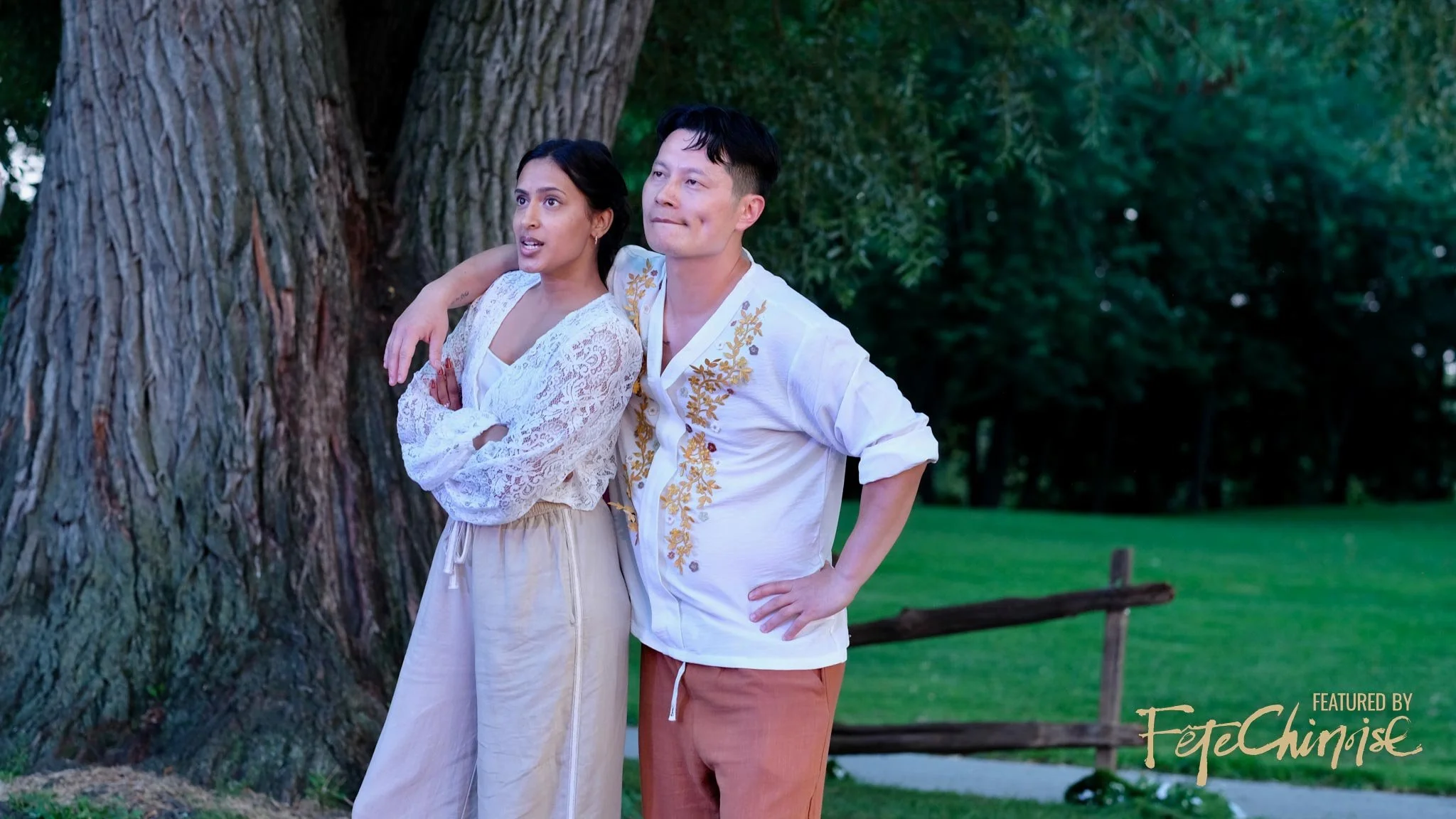
Production photos from Pastoral by Shakespeare in the Ruff (2026). Photo Credit: Mike McPhaden.
FC: How does working with people from different backgrounds change or benefit the creative process?
JH: Since the beginning of my career and my training, I have always strived to work in a conscious, intercultural way. Even if you have an all-Chinese cast, there is still an intercultural dynamic at play, representing different backgrounds and lived experiences. This is incredibly important to me because it reflects the city we live in.
When we walk the streets of Toronto, we hear multiple languages spoken all at once. It is a normal and beautiful aspect of living in the most diverse city in the world. It would be a missed opportunity not to engage with that gift of diverse lived experiences, different ways of working and unique approaches to text and theatre. All of this enriches the art-making process.
These differences bring creative surprises that add nuance and tapestry to our collaboration. Good art and theatre have always been about dreaming together toward the future. If we live in Toronto, we must dream together in a way that reflects our actual population.
“Good art and theatre have always been about dreaming together toward the future. If we live in Toronto, we must dream together in a way that reflects our actual population.”
FC: Going back to Pastoral, can you tell us a little about the cast and creative team? Are there any artists you are particularly excited for audiences to see?
JH: Absolutely. I’m so excited that Jeff Yung is playing Orlando. He’s an incredible actor, a close friend, and has a strong background in Shakespeare, so it is fantastic to see him take on this sequel.
He is joined by Norman Yeung, who plays Oliver. Norman is another incredible Chinese-Canadian talent who is both a playwright and an actor. The rest of the five-person cast features Jonnie Lombard, Reese Cowley and Asher Rose.
Our creative team is equally talented. Warona Setshwaelo is our incredible director. She is a bilingual actor from Montreal, working in both French and English. It has been an absolute pleasure working with her.
Shakespeare in the Ruff itself is also a fantastic group of collaborators, including Christine Horne, Nathaniel Hanula-James and Patricia Allison.
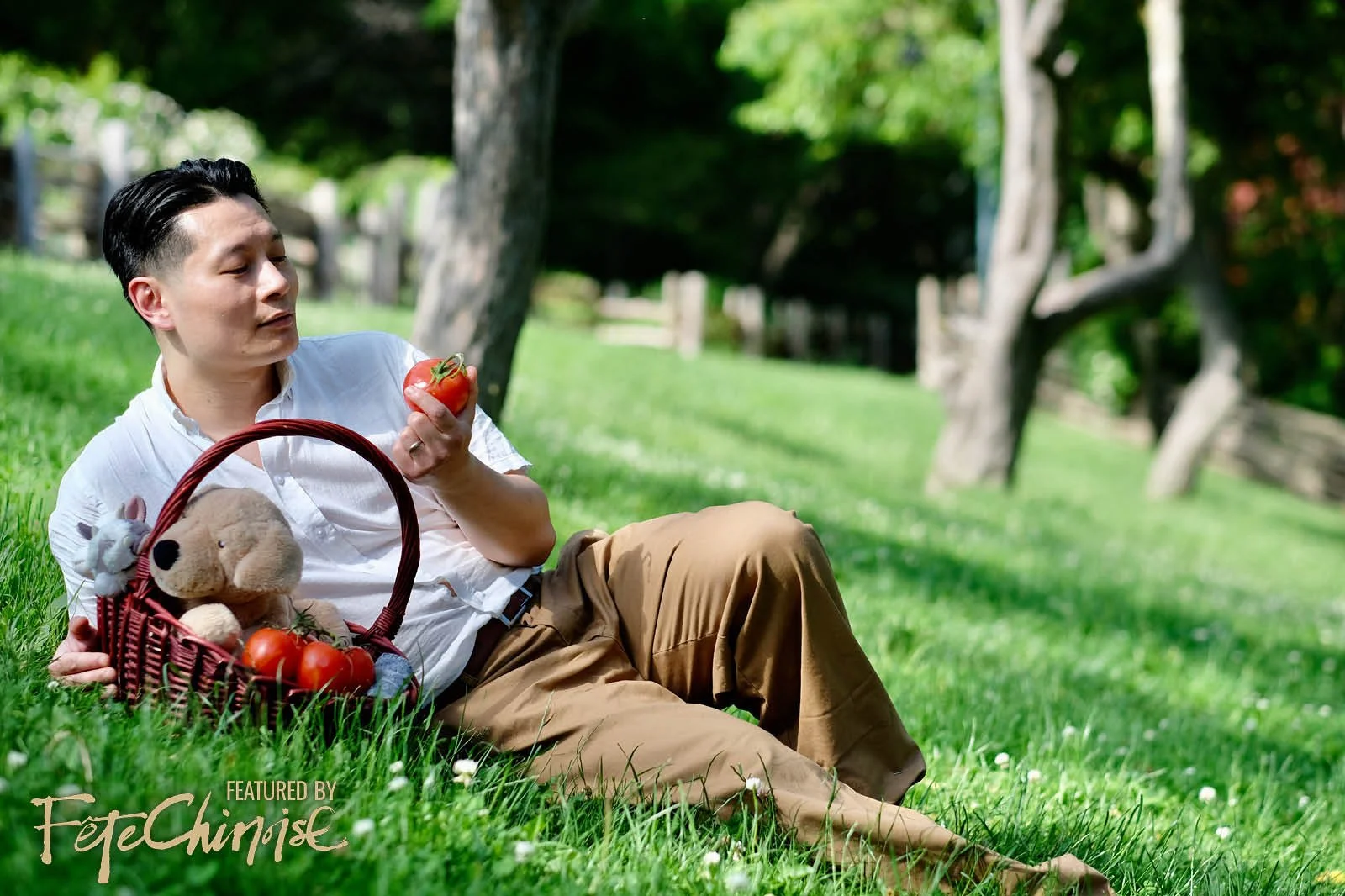
Jeff Yung is playing Orlando in Pastoral
FC: Looking ahead, what do you hope to see in the future of Canadian theatre, and where do you see your own role in that?
JH: I am ultimately very hopeful. The live performance industry has been struggling post-pandemic, but so has the entire world as we try to navigate this new era. The arts are part of that struggle.
In Canada, institutionalized arts and live performance culture are relatively young. Tarragon Theatre is approaching its 55th anniversary season, whereas some theatres in Germany are four times older. There is a richness of culture that comes with time, and we have the opportunity to continuously reinvent it. As our culture grows, we must constantly redefine, interrogate and co-create art for this country.
My focus is on how we can bring theatre to people who don’t traditionally attend. For instance, how do we encourage residents in Markham to come downtown to see a show? It’s often much more comfortable to stay in Markham and visit Pacific Mall or First Markham Place.
That is the future: broadening the conversation so that more people experience the art, and more artists get to connect with the wider world.
FC: What do you hope audiences take away from an evening with Pastoral?
JH: It is going to be such a fun time and very funny. It's a perfect evening out in the park in August. Bring some snacks and a comfortable lawn chair.
You will laugh a lot, see a lot of love, and maybe question what love means. You might even find yourself saying, “I've had that exact argument with a partner or a friend.”
You will also get to enjoy a beautiful Shakespearean adaptation. Please do come out. It is going to be a wonderful time.
Pastoral runs August 15–30, 2026, at 7:30 p.m. at Withrow Park (725 Logan Avenue, Toronto, ON M4K 3B9). Visit shakespeareintheruff.com or follow @shakespeareruff on Instagram.

More from Fête Chiniose


A restaurant can offer more than a meal: a livelihood, a connection to home, and a place to belong. In director Wen Muye’s 文牧野 Once Upon a Time in the Middle East《歡迎來龍餐館》, these familiar hopes take on new urgency when a Chinese chef’s fresh start abroad is interrupted by war. Starring Shen Teng 沈騰 as chef Xu Fu, the film follows a man who travels to the Middle East to repay his debts and support his family. Together with restaurant manager Ma Junsheng, he helps turn the struggling Dragon Restaurant into a flourishing business. When conflict reaches the city, however, the restaurant becomes a refuge, and Xu Fu must decide how much he is willing to risk for the community he has come to call his own.