At Home in the Forbidden City: The Palace MULI 改造胡同生活
The Palace Muli, as reimagined by Canadian Design Firm Yabu Pushelberg, Puts Smart Living in a Historical Context
English 英: Deirdre Kelly · Chinese 中:Translated by 文禮 with edits from: Maggie Ho
Photography: Courtesy of Muli
As Featured in 2026 Fête Chinoise Design Annual

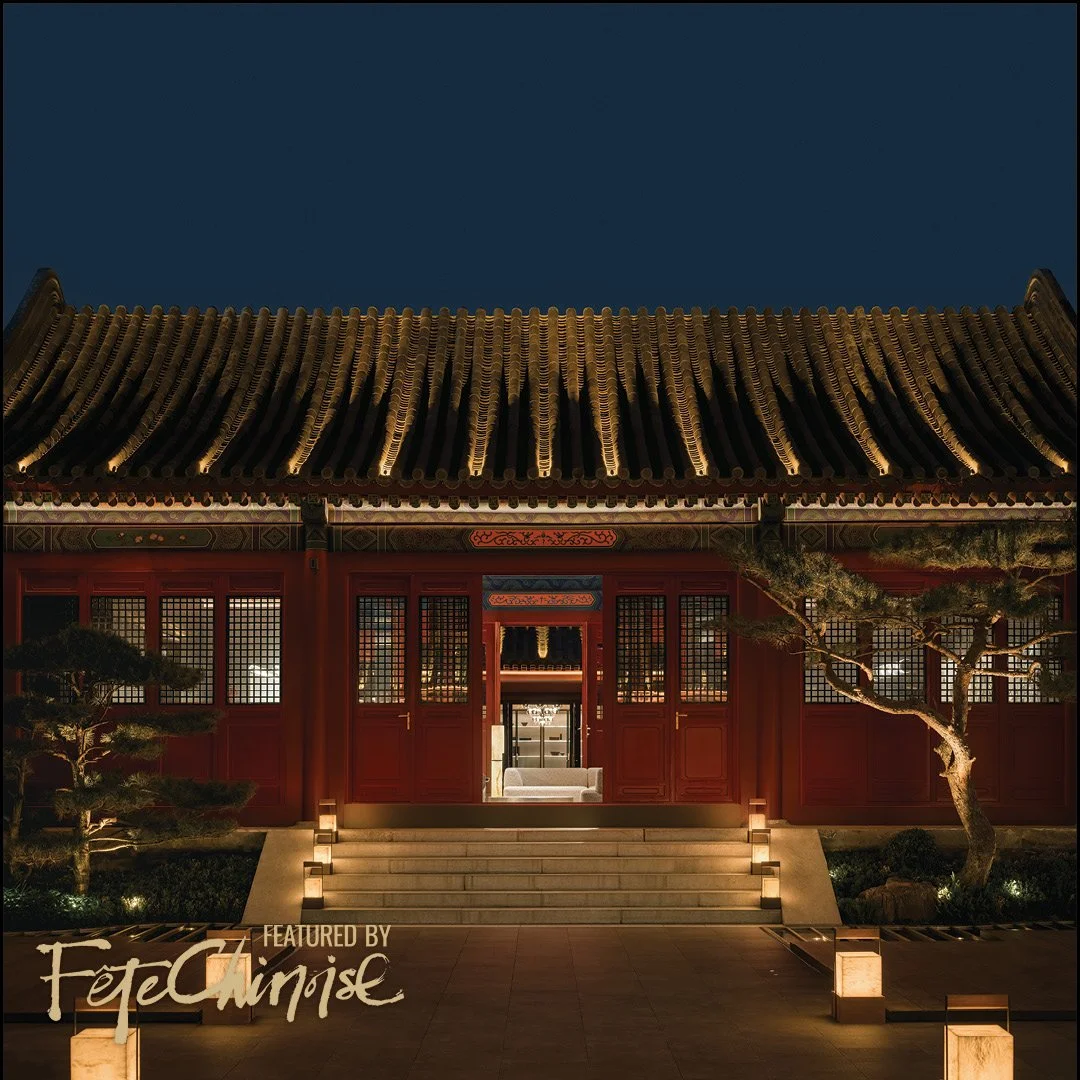
On a quiet lane just east of Beijing’s Forbidden City, an old temple opens in a sequence of courtyards and chambers that feels uncannily like a house. You step off the street into a stone‑paved siheyuan, the city’s classic courtyard layout, and only gradually realize that the “home” you’re walking through is, in fact, a showroom. It’s The Palace MULI, a 500‑year‑old building restored and reimagined by North America design studio Yabu Pushelberg for MULI, a rising Chinese smart‑home brand intent on defining how a new generation wants to live.
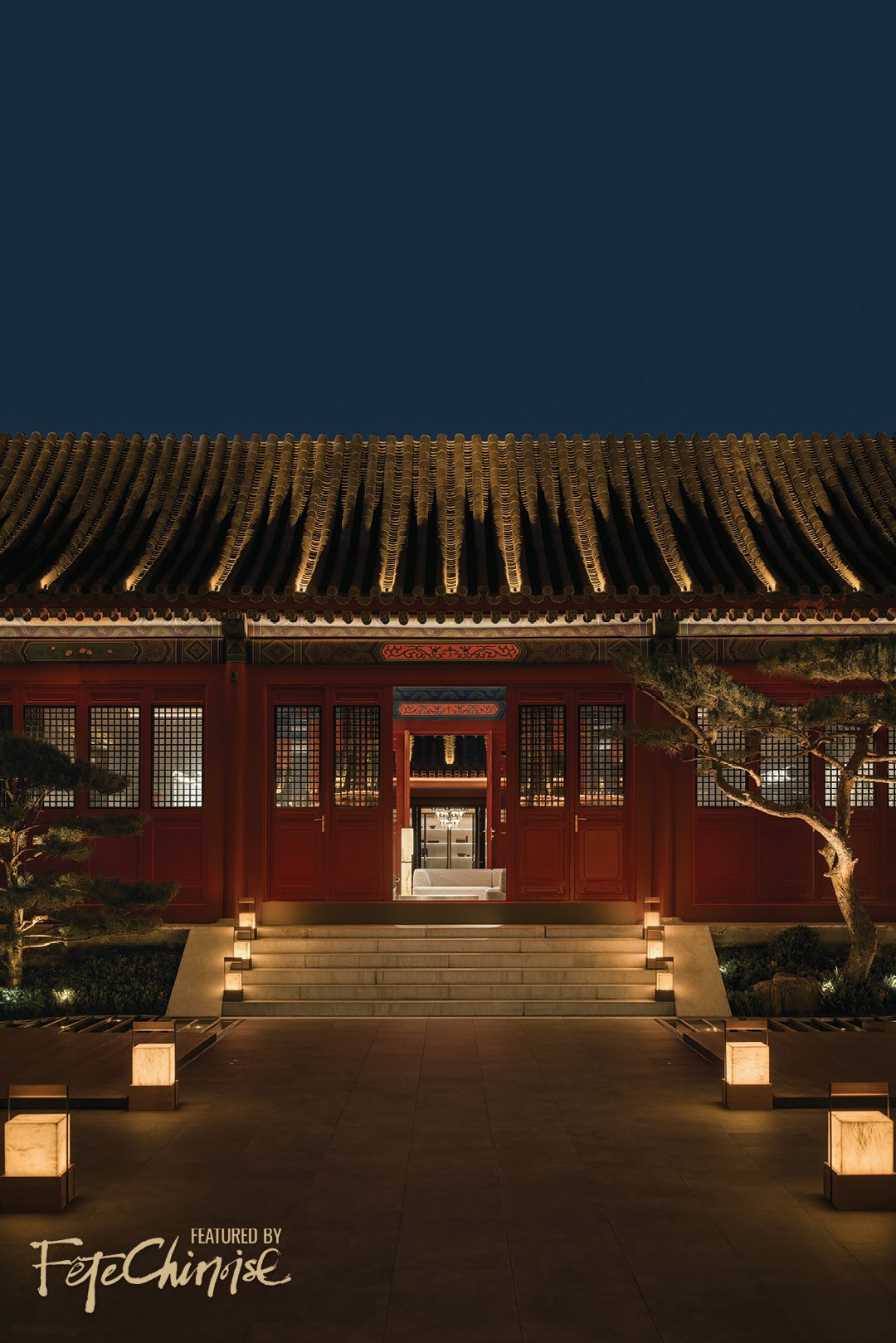
George Yabu and Glenn Pushelberg approached the commission as an exercise in balance. The challenge, say the award‑winning designers, was to make the encounter between temple and technology feel inevitable: smart systems slipping into centuries‑old timber, modern living inhabiting a structure built for ceremony. “The beauty was already there,” Pushelberg says. “Our job was to make it relevant –to bring function into this old hutong world without disturbing its calm.” Adds Yabu, “It’s all about problem‑solving. We don’t design for the money shot. Everything has to have balance, and the complexity of that makes a project like this more interesting to me.”
The pathway through the complex follows traditional courtyard rhythm—open, sheltered, open again—so that each interior feels like a continuation of the last. The rooms present themselves as residential vignettes – a living room, a kitchen, a study – not as displays. Nothing announces itself; drawers glide out soundlessly, walls hide their circuitry, technology recedes into proportion. “The principle of those temples is still so right, even today,” Yabu says.
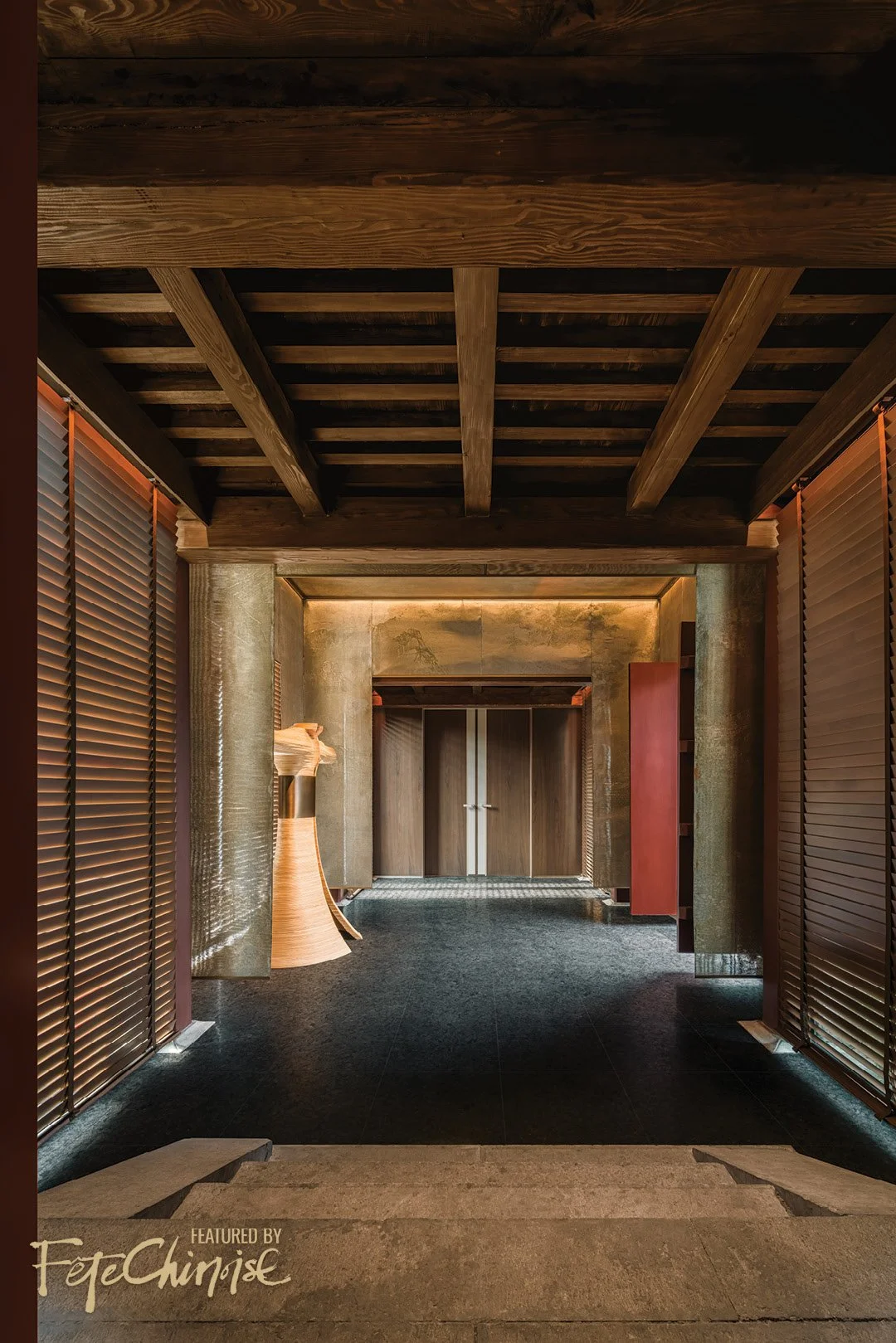
Entry
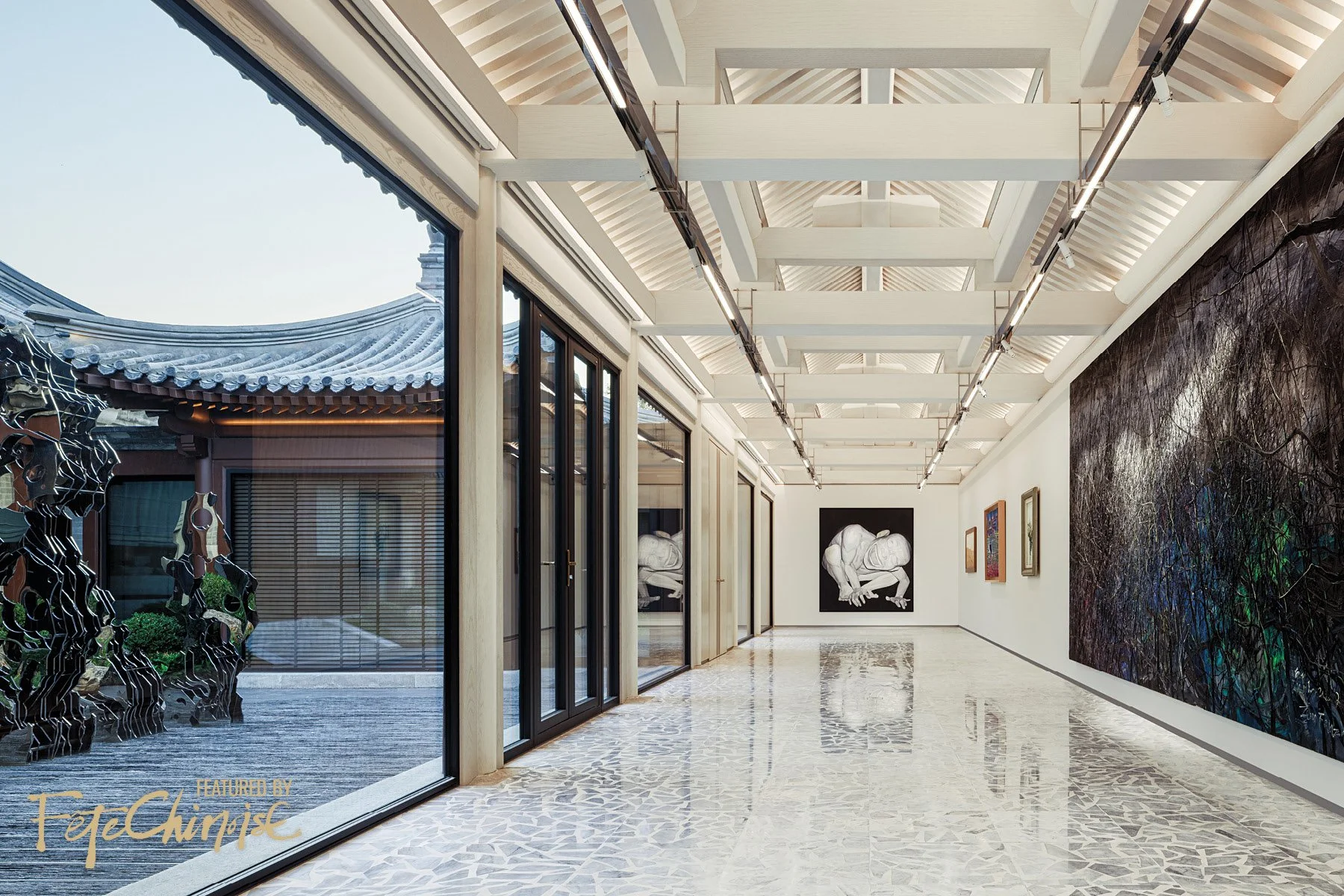
Gallery.
北京這座承載千年歷史的城市,一直在尋找與現代生活共存的方式。緊鄰故宮東側的一條胡同裡,隱藏著一座充滿文化底蘊的歷史建築。2025 年,國際室內設計公司 Yabu Pushelberg 的 George Yabu 與 Glenn Pushelberg 親自操刀,為中國高端家居品牌木里木外(MULI)打造結合奢華設計與現代藝術氛圍的高級生活空間——「木里木外·故宮·源邸」(The Palace MULI)。
融入智能科技與當代生活需求,空間成為連結時間與文化的載體。「故宮·源邸」所呈現的,不只是單純的翻新,而是一種更深層的提問:文化能否在日常之中繼續生長?George 與 Glenn 使設計回歸本質,從材料與建築脈絡出發思考空間。他們讓歷史與當代技術和諧共存,使空間不只是形式,而是一個承載時間與生活的容器。
The harmony of mass and void, the measured transitions between rooms, give the architecture what Pushelberg calls “bones you don’t want to fight.” Rather than imposing a modern identity, they let the historic order dictate how a twenty‑first‑century home might feel in Beijing – a place where heritage and innovation sit easily together.
It wasn’t always clear that China would choose to preserve structures like this. Pushelberg remembers his first trip in 1989, when the city’s “wild” energy came with a cost. He recalls his excitement at arriving, followed, on the second day, by the shock of seeing whole stretches of old Beijing pulled down. Watching the first waves of demolition, he thought: China is losing its culture.
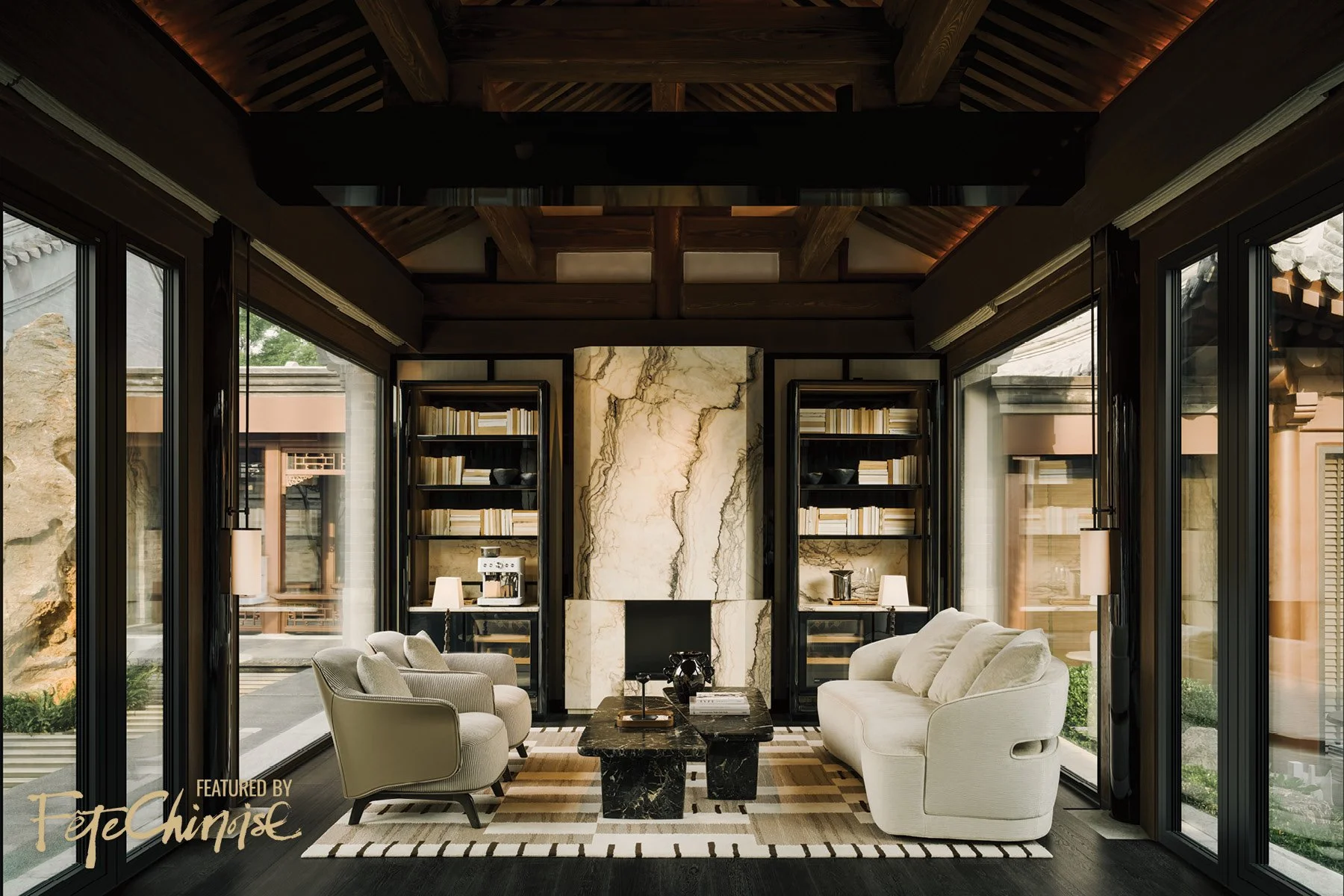
Wine and Cigar Lounge
In the decades since, he has watched a reversal, as the country’s growing wealth has underwritten serious preservation and rebuilding. He points to projects in the capital and beyond – courtyards repaired rather than razed, historic fabric carefully reinserted into new developments – and says simply, “I’m glad they’re doing that. When the wealth of the country is there, it’s important to preserve history.”
胡同布局呈現生活空間
George Yabu 與 Glenn Pushelberg 這對建築設計界的黃金搭檔,於1980 年創立 Yabu Pushelberg 設計事務所。他們主張「由內而外」的建築思維,為當代奢華生活重新定位。George 表示:「我們的創作哲學追求恆久而持續的生活提昇,不只是瞬間即逝的火花。」
從德國柏林 Moët & Chandon 香檳酒吧、北京連卡佛百貨公司、上海四季匯酒店公寓,以至香港傲璇(Opus Hong Kong)住宅及 Louis Vuitton 中環旗艦店……Yabu Pushelberg 的作品沒有刻意炫耀昂貴的選料,確實地從生活細節考量,探索人與環境所建立的連結與共鳴。
「故宮·源邸」的前身是一座始建於明朝的廟宇三進四合院,有近五百年歷史。在這裡,Yabu Pushelberg 以更安靜、內斂的手法敘事,尊重建築本身及突顯其歷史價值,在行走、停留與光影轉換之間,讓故事自然浮現。
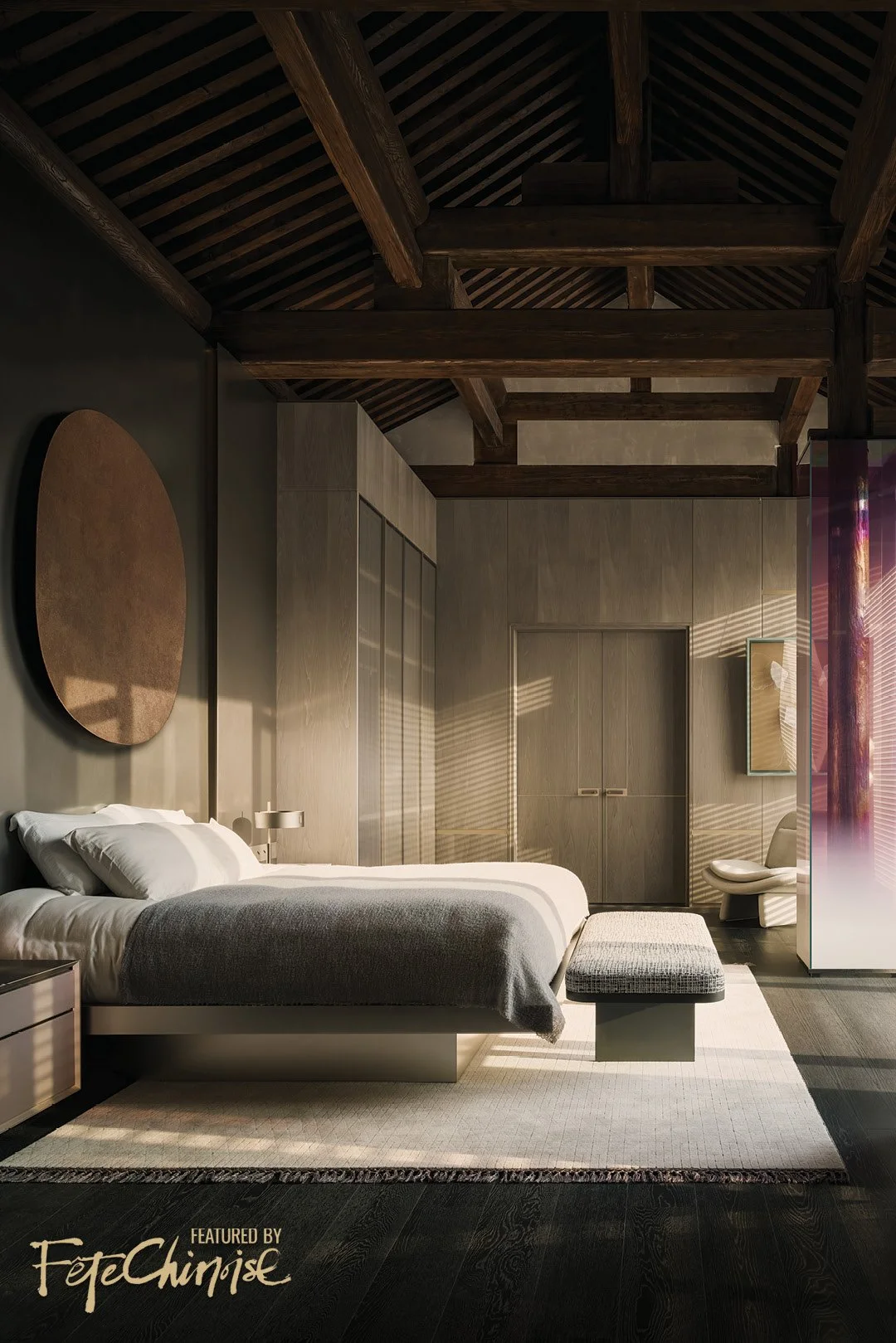
Bedroom
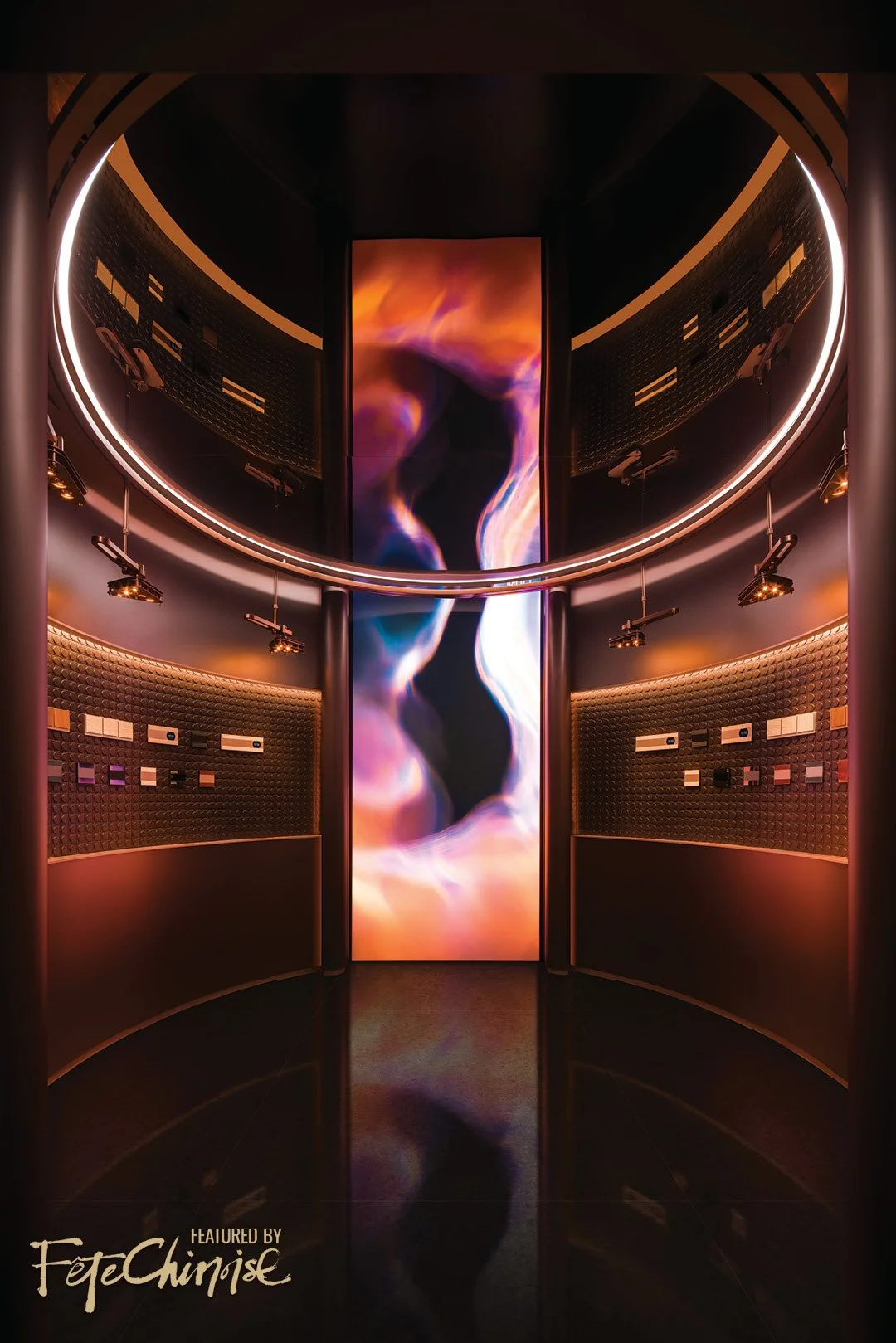
Smart Home System
The Waldorf Astoria Beijing, which Yabu Pushelberg completed a decade ago, was an early sign of that shift: a contemporary luxury hotel threaded between restored hutong buildings rather than on top of them. The Palace MULI takes the idea further. Here, the temple has been fully restored before being adapted, so that the cultural reading comes first and the commercial reading second.
Visitors who know nothing of Chinese history still catch something of Beijing’s past as they cross the courtyard, pass under the heavy timber beams, or glimpse a tiled roofline through the mauve tint of new glass.
That glass is one of the project’s defining gestures. The original timber columns, too significant to touch and too powerful to ignore, are enclosed in a sheath of gradient glass that makes them appear at once protected and strangely weightless. By day, they read as faintly coloured apparitions; by night, they become a lantern‑like secondary light source. It’s a rare moment of overt contemporaneity in a space otherwise marked by restraint, and it captures the project’s ambition: to make the sacred present without fetishizing it.
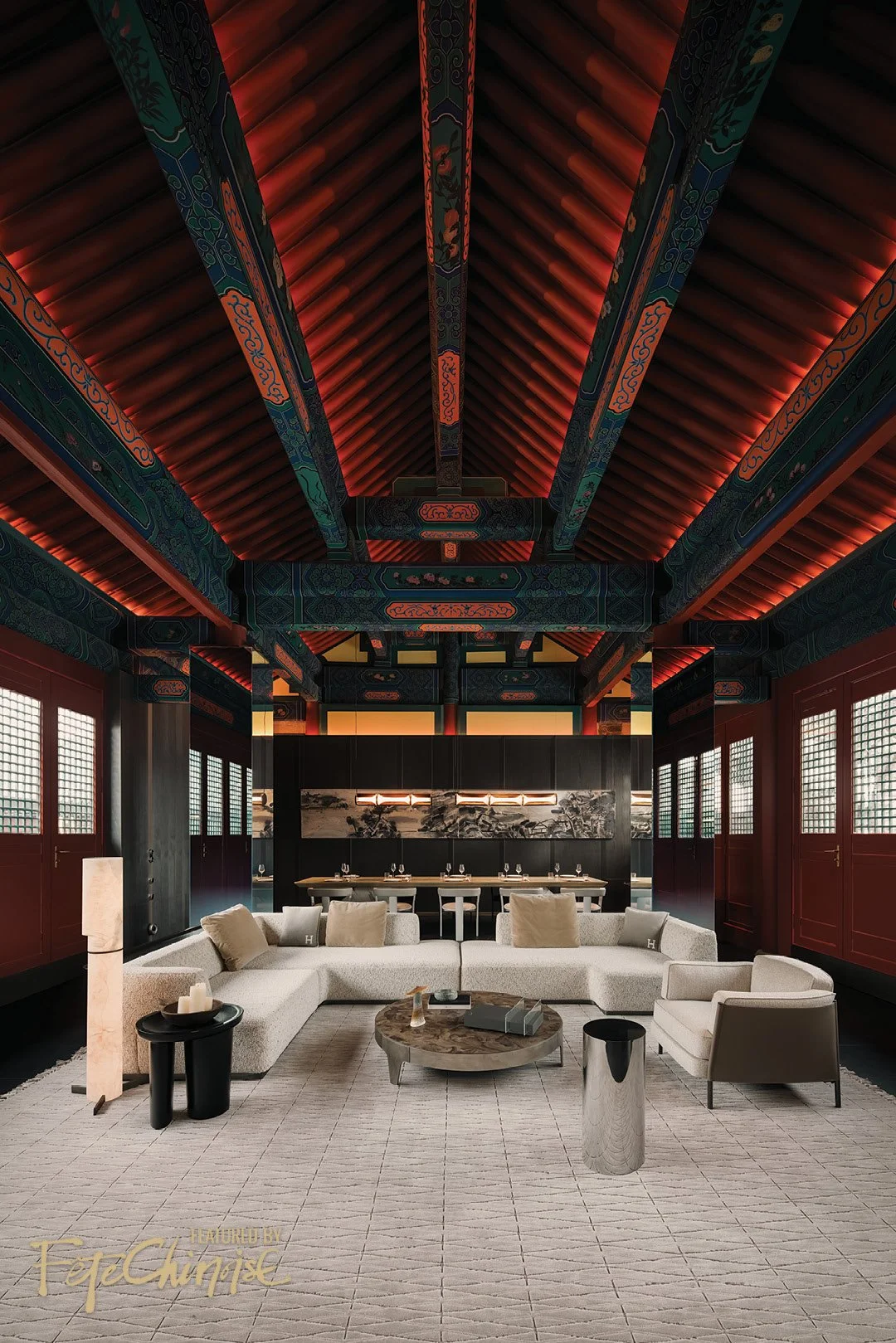
Living Room
If the temple is the project’s soul, MULI’s technology is its nervous system. The brand has built its reputation on in‑house smart systems that run through the home: motorized shades, lighting calibrated differently for morning and evening, air management that filters and scents, a security envelope that can be tightened or relaxed. Even the closets are active elements, fitted with integrated air functions to extend the life of garments and shoes. For MULI’s founder, Lian Feng, this is where Chinese makers can outpace Europe: by fusing traditional craftsmanship with native tech fluency rather than importing someone else’s software layer.
「這個項目本身不算十分複雜。對我們來說,修復這座古建築,並讓現代元素與其原有之美自然融合,是一個順理成章的過程。」Glenn 表示。「胡同建築的布局平坦而方正,中央有一個大天井庭園,非常適合用於陳列室的設計。」
George 補充:「因為這種布局經歷過無數世代、不同時期生活方式的演變,對於我們如何劃分與呈現廚房、臥室等不同生活場景非常有幫助。建築本身具有深厚的歷史,例如屋頂的飛簷與結構,其工藝與美學都非常出色。但畢竟現代人對胡同生活了解有限,我們並不是在修復廟宇,而是要思考如何令它與當下生活相關聯。」
Glenn 回想早年工作時,曾見證西安因城市發展而拆除不少胡同,感到痛心。「四十多年後的今日,我見證中國的改變。隨著經濟起飛,人們更加重視歷史保存,這令我很欣慰。現代中國不但追求頂尖科技,更講究生活品味及高雅設計。他們對自身文化越來越自豪,因此也更加重視歷史文化的保存。」
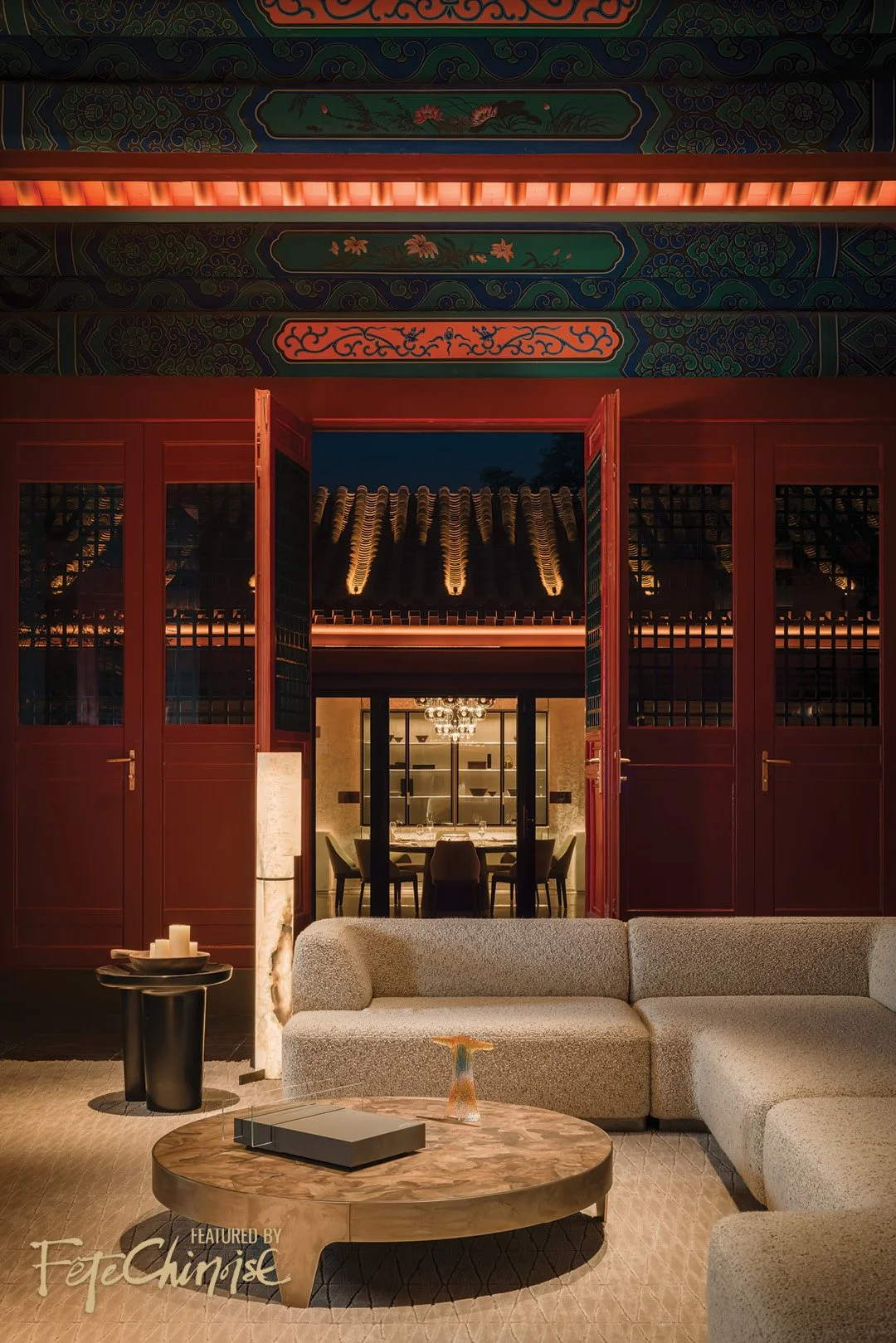
Living room looking into the Tea Room.
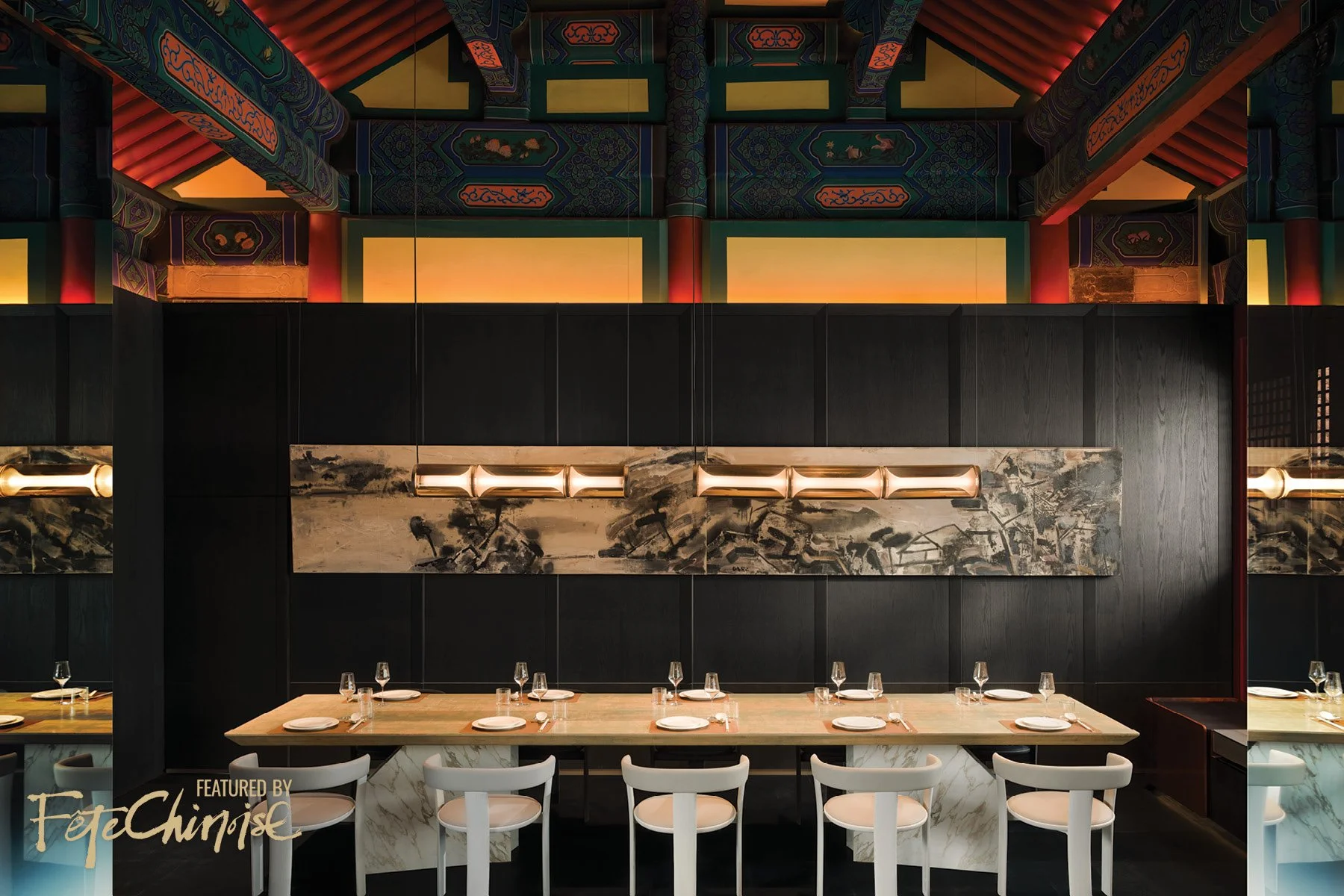
Living Room
Yabu, though, is wary of the obvious tech flex. He talks about the anxiety that comes with visibly “smart” environments – too many interfaces, too much information, the sense of being managed by your own home. The brief, as he understood it, was not to build a gadget gallery but to make the intelligence disappear into the architecture until all that remained was ease. You see it in the way controls are tucked out of sight, in the absence of glowing screens, in the fact that the rooms read first as calm, almost classical interiors. Only later do you realize that the light has subtly shifted to match the fading day, or that the air is conspicuously fresh despite Beijing’s smog outside.
That trust in lived experience over explanation runs through the entire layout. Rather than lining products along walls, the team staged the temple as a series of inhabited vignettes. You might linger in a living room where the sofa, shelving and integrated lighting are all MULI pieces, but nothing is labelled; you’re meant to imagine occupying the space, not shopping it.
Describing the design as a script rather than a set, he says the goal is to embed a story in how people move and gather: how they cross the courtyard instead of walking around it, where they naturally pause to look out a window, which room feels like the one they’d return to. The Palace reads less like a display and more like a day in someone else’s life, broken into arrivals, crossings, quiet looks outward and places you might claim.
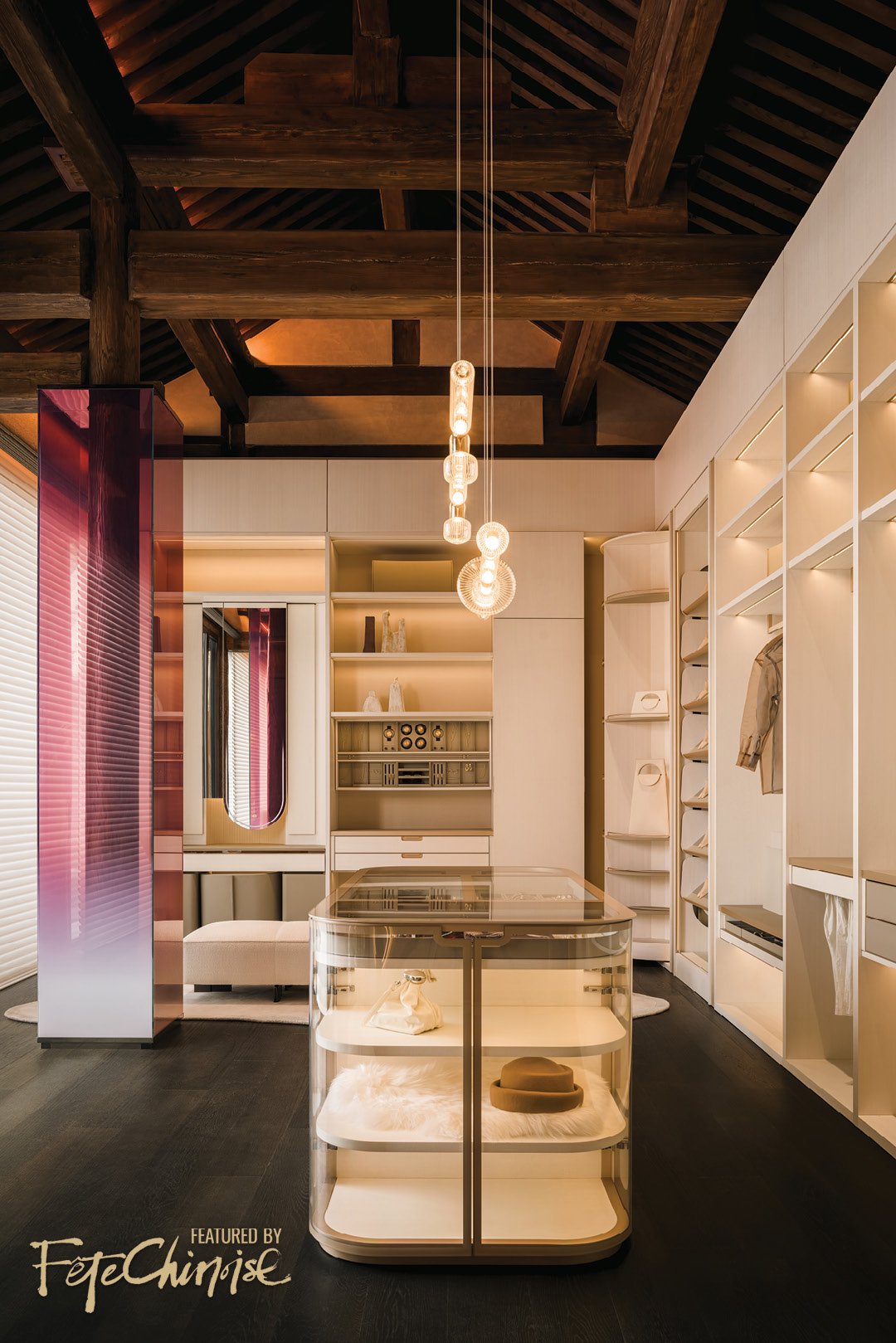
Closets
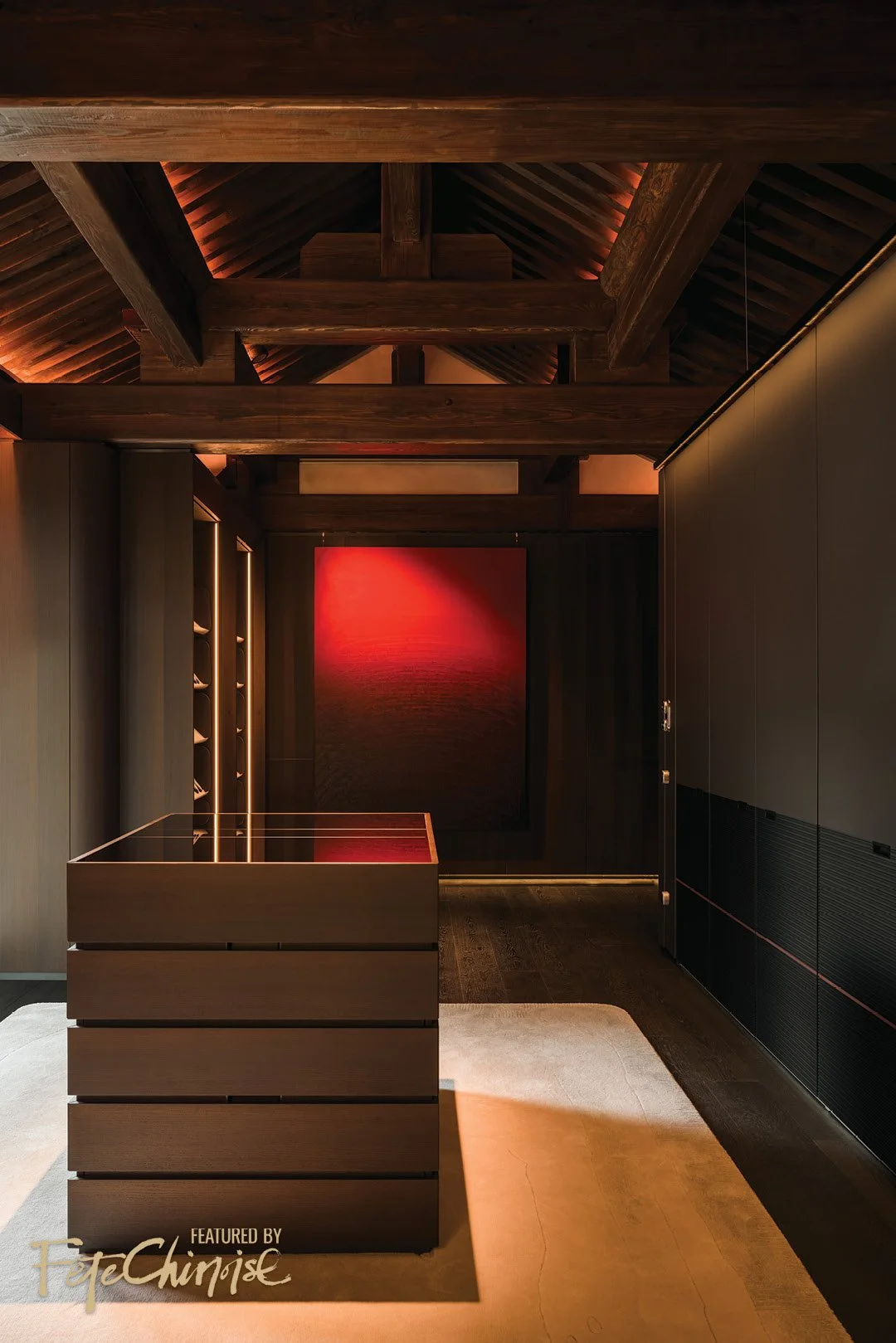
Closets
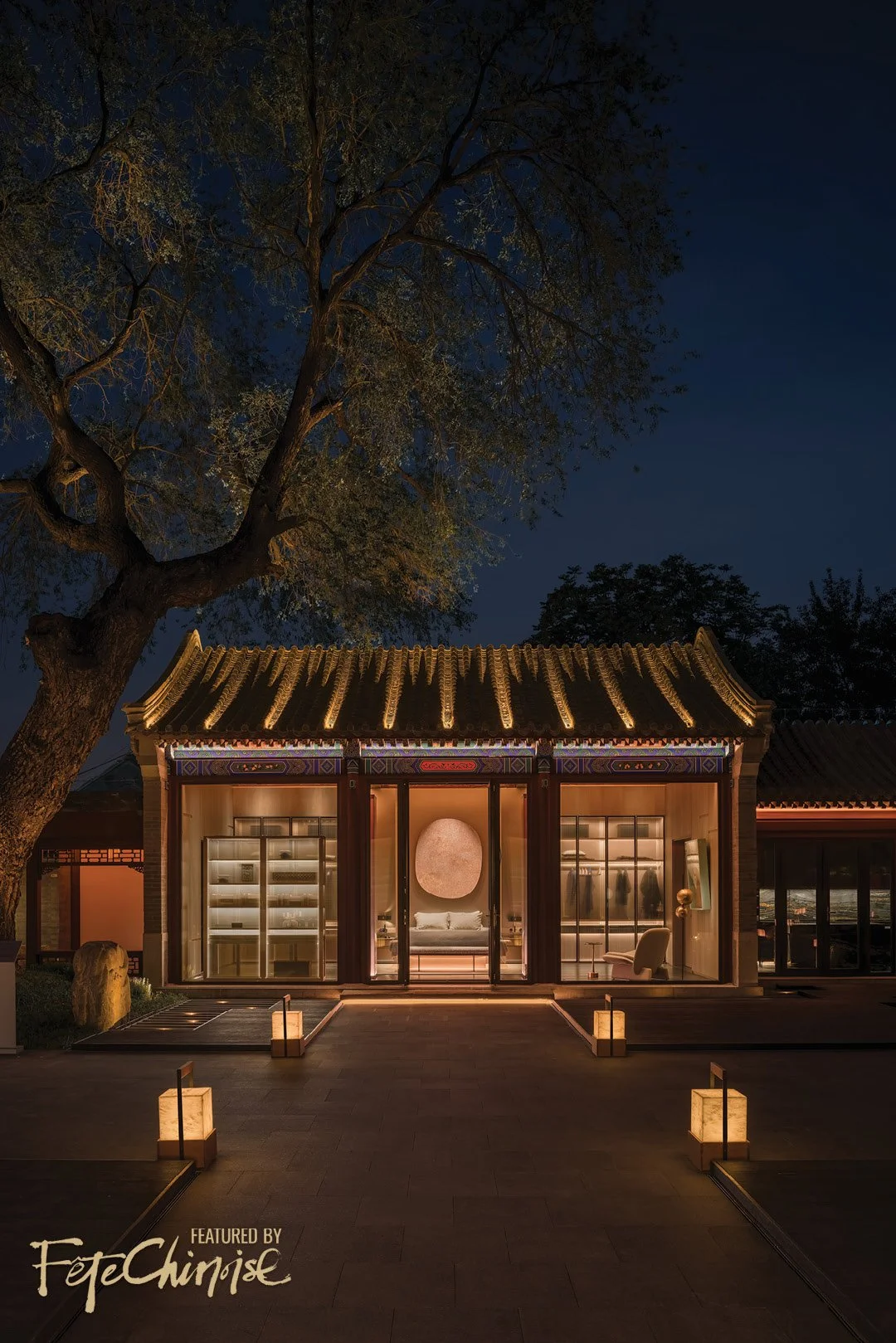
科技與光線的無縫滲入
對於 MULI 而言,這座旗艦空間承載的不只是產品展示,而是一種生活哲學的具體呈現。項目開初,品牌領導層對 Yabu Pushelberg 的設計要求,是融合建築尺度的工藝精神與智能科技,希望讓日常生活回歸更從容、更具質感的狀態。真正的創新,是讓技術成為生活的經脈,以文化為骨骼,讓日常在自在與舒暢之間自然生長。
因此,在「故宮·源邸」中,智能家居的功能以幾乎隱形的方式融入 Yabu Pushelberg 的美學中,包括電動窗簾、分時段燈光調節、空氣過濾與香氛管理、安防系統,甚至衣櫥也整合了空氣功能,延長衣物壽命。
It matters that this reading of the temple comes from outside China. Yabu and Pushelberg, who founded their Toronto‑ and New York–based studio in 1980 and have since built a four‑decade portfolio of award‑winning hotels, homes and flagship stores around the world, are Canadians with deep, but not specifically Chinese, ties to Asian cultures. Yabu, who has Japanese heritage, grew up in inner‑city Toronto in a landscape of immigrant communities, including Chinese families, and often talks about how that experience of difference shaped his eye.
Pushelberg, who came to design from a modest small‑town upbringing in Ontario brings his own sense of distance and curiosity. Together they tend to work in other cultures by asking questions rather than declaring what things should look like. That mix translated in Beijing into a design process that was heavy on research and conversation with local collaborators and light on decorative shorthand. Instead of dragon carvings or red lacquer, they let the original carpentry, the courtyard sequence and the quality of light carry the Chinese “voice” of the project.
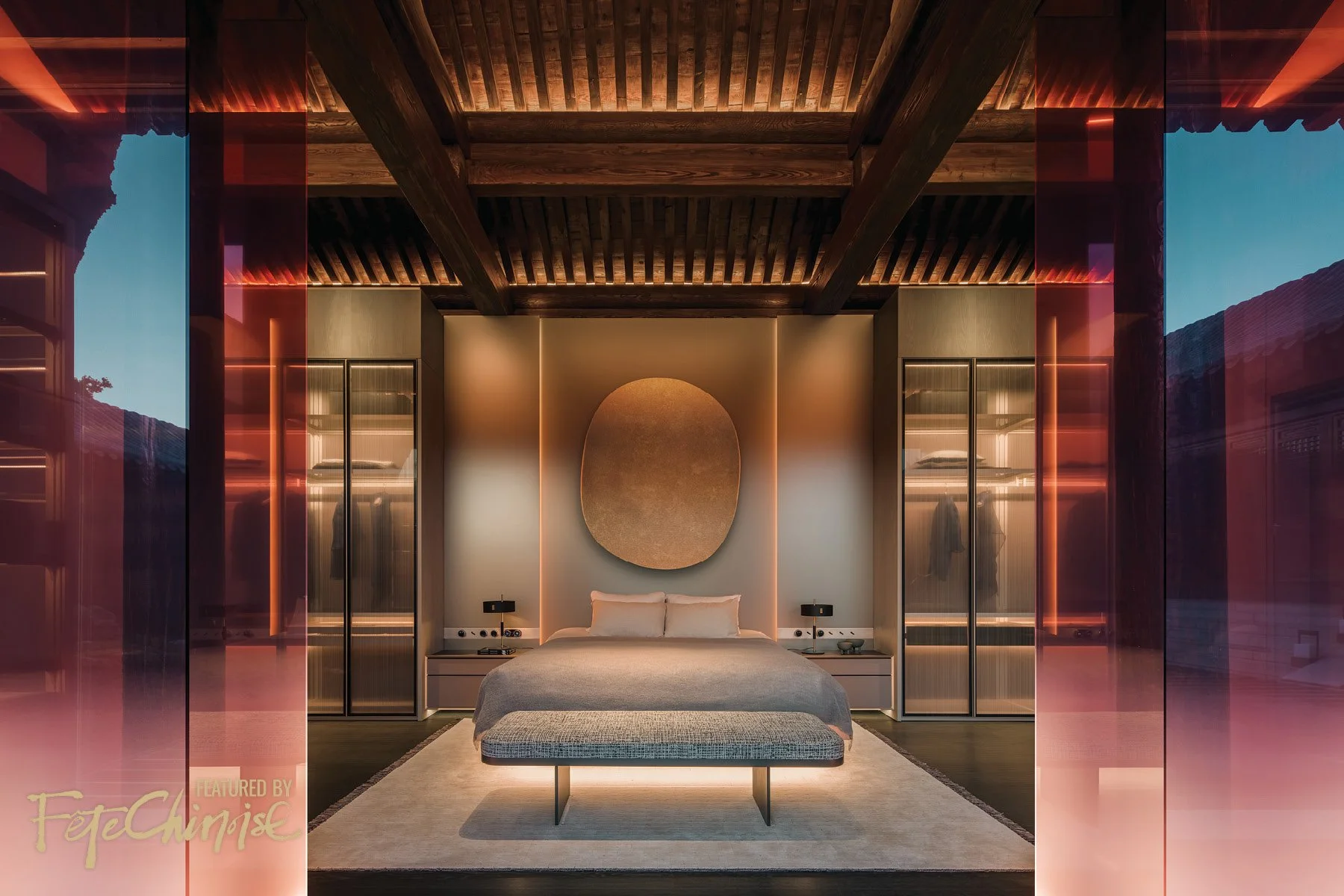
Bedroom
胡同的布局本身就是極高明的設計:中央庭院因天井採光優勢,自然光線能充分透入;四面環繞的房間配置,大小位置布局有序,形成良好的動線與空間節奏。George 興奮地比劃說明:「陳列室的客廳原本是廟宇的大堂,內有多根支撐樑柱。這些原始木柱因結構重要性而無法拆除,我們便用漸變玻璃將它們包覆,轉化成柔和的燈柱,讓光線從四角緩緩引向屋頂,光柱與整體空間相互呼應,呈現輕盈感。」
對結構、光與空間關係的處理,以及在美學、功能與文化脈絡之間的取捨與平衡,皆與 George 本人的文化背景密不可分。George形容自己是一位在多元文化交織的多倫多市中心成長的加拿大人,同時也是「在異地成長的日本人」。他既承襲日本文化對秩序與細節的嚴謹追求,也因西方背景而保有更為開放與靈活的思考方式。這樣的雙重視角,使他在「故宮·源邸」中,對中華文化與古建築所蘊含的極致美學有更深層次的理解。
回到設計本質,George 強調一切皆從人的感知與生活節奏出發。「我們從不為吸引眼球(Money Shot)而設計,亦不追隨時下的速食文化。每一個決定,都關乎和諧、比例、主次關係與留白。當這一切經過深思熟慮,空間的趣味便自然浮現。」
None of this is happening at a small or local scale. MULI, founded little more than a decade ago, is already a leading Chinese high‑end home brand, taken seriously enough to unsettle established European furniture houses. They’re not alone. Yabu Pushelberg’s clients in China include HC28 maison and Moorgen, design companies centred on contemporary furniture and smart‑home products. From their vantage point, Chinese design isn’t catching up to the West; it’s leapfrogging over it, moving straight into a phase of experimentation and global projection. “China is such a big market,” Pushelberg says, “but at some point it’s saturated, and these companies move onto a world stage because they can—and because there’s real curiosity out there, from our perspective, about Chinese‑influenced products and about the new technologies a company like MULI has to offer.”
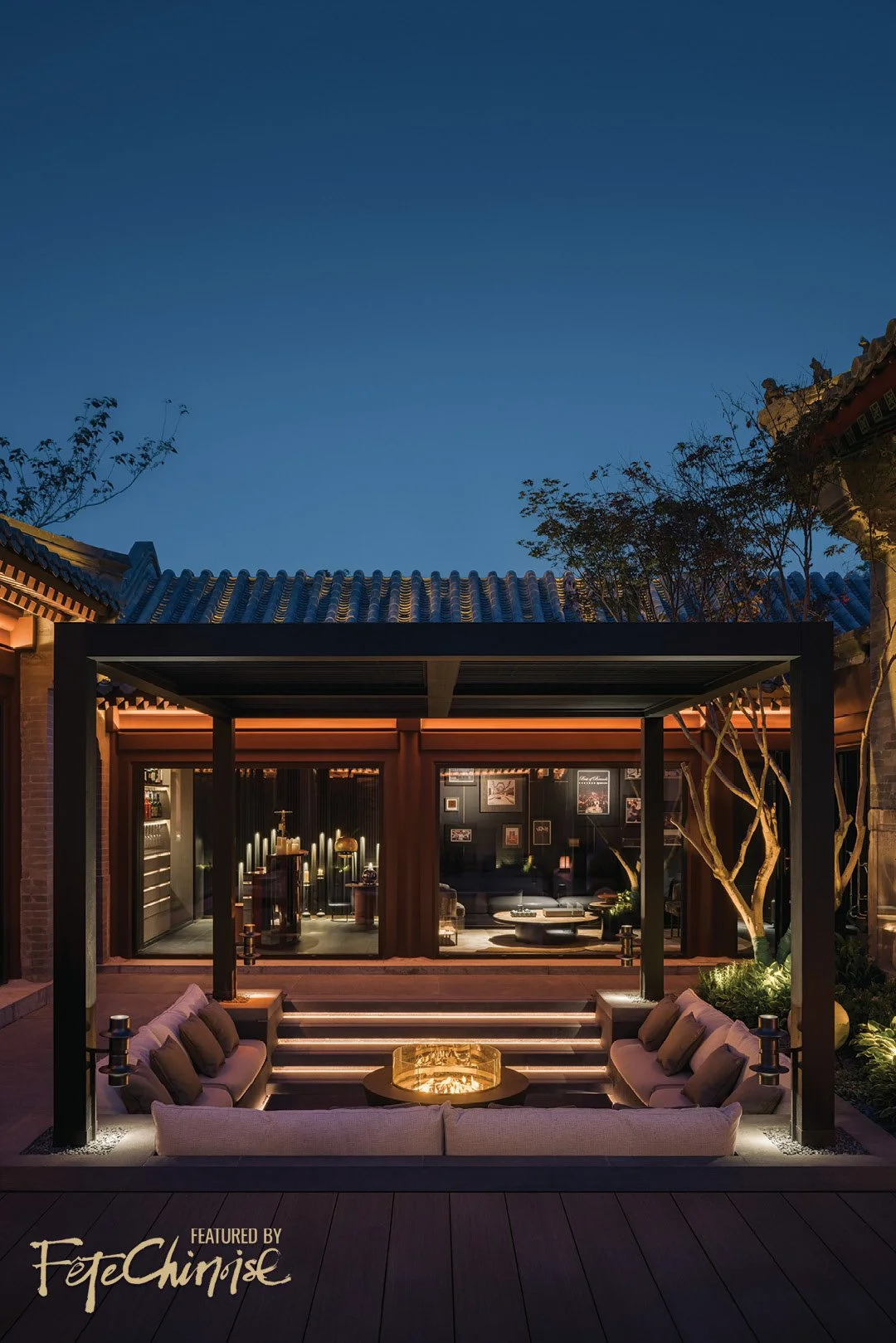
Sunken Courtyard
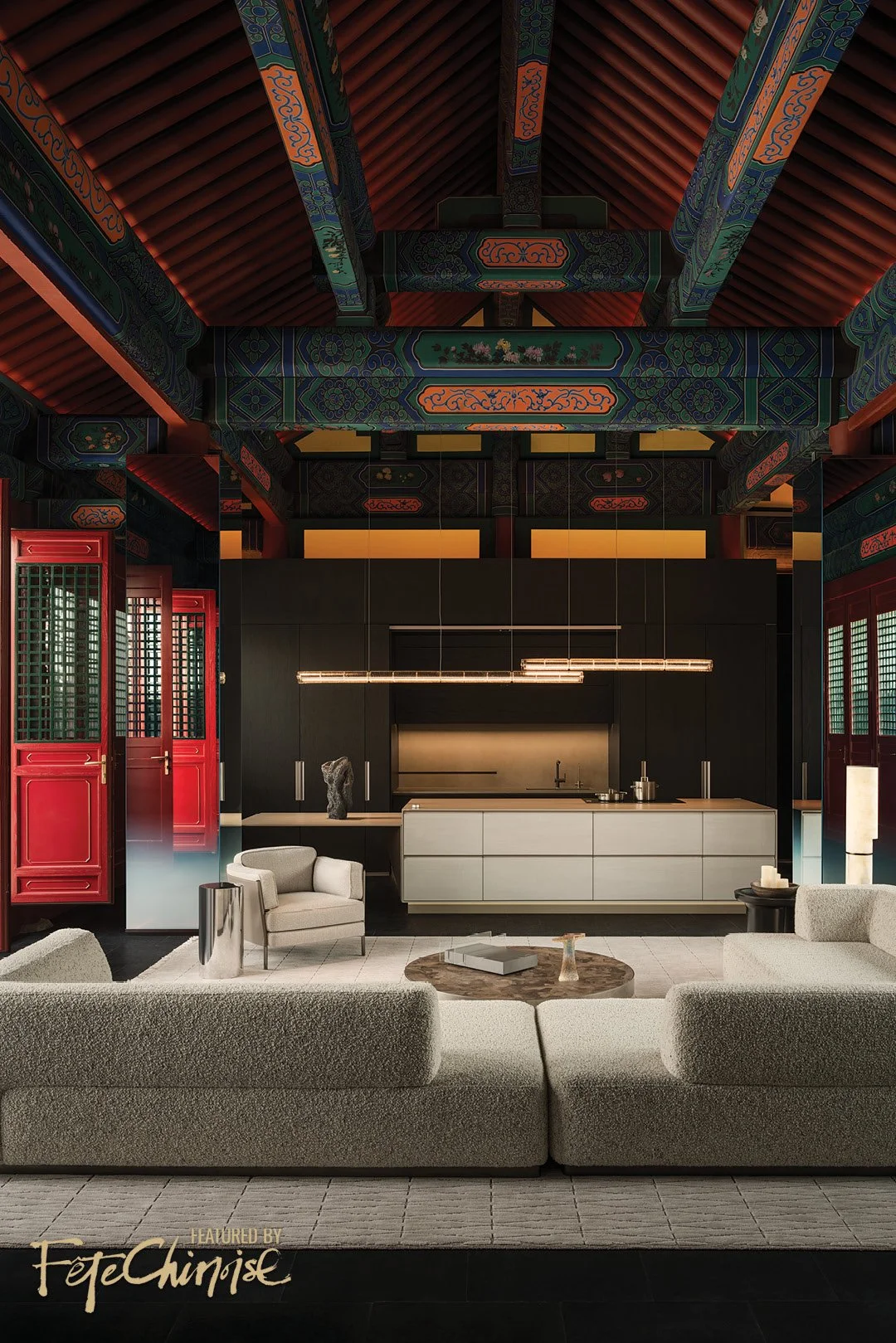
The Palace MULI crystallizes that ambition in built form. It’s a showroom, yes, but also a discreet argument about what Chinese luxury might look like now: rooted in history without being trapped by it, technologically advanced without screaming about it, shaped by global collaborators yet unmistakably local in structure and feel. For visitors from the Chinese diaspora, it offers something rarer still – a glimpse of a Beijing that has survived the wrecking ball and re‑emerged not as a museum piece, but as a place to imagine how life might unfold, calmly, in the centuries to come.
一種更安靜的奢華
「木里木外・故宮・源邸」所呈現的奢華,不在於材料或科技,而在於精神層面的秩序。那是一種對比例的敏感、對文化的尊重,以及對生活節奏的重新構思。
在這座院落裡,設計不再只是形式,而是一種修為。它輕聲提醒我們 ——
在不斷追求速度與更新的時代,
或許真正需要被重新發現的,
不是未來,
而是我們與時間、與文化、與生活之間最原初的連結。
當空間開始讓人慢下來,設計,才真正完成了它的使命。
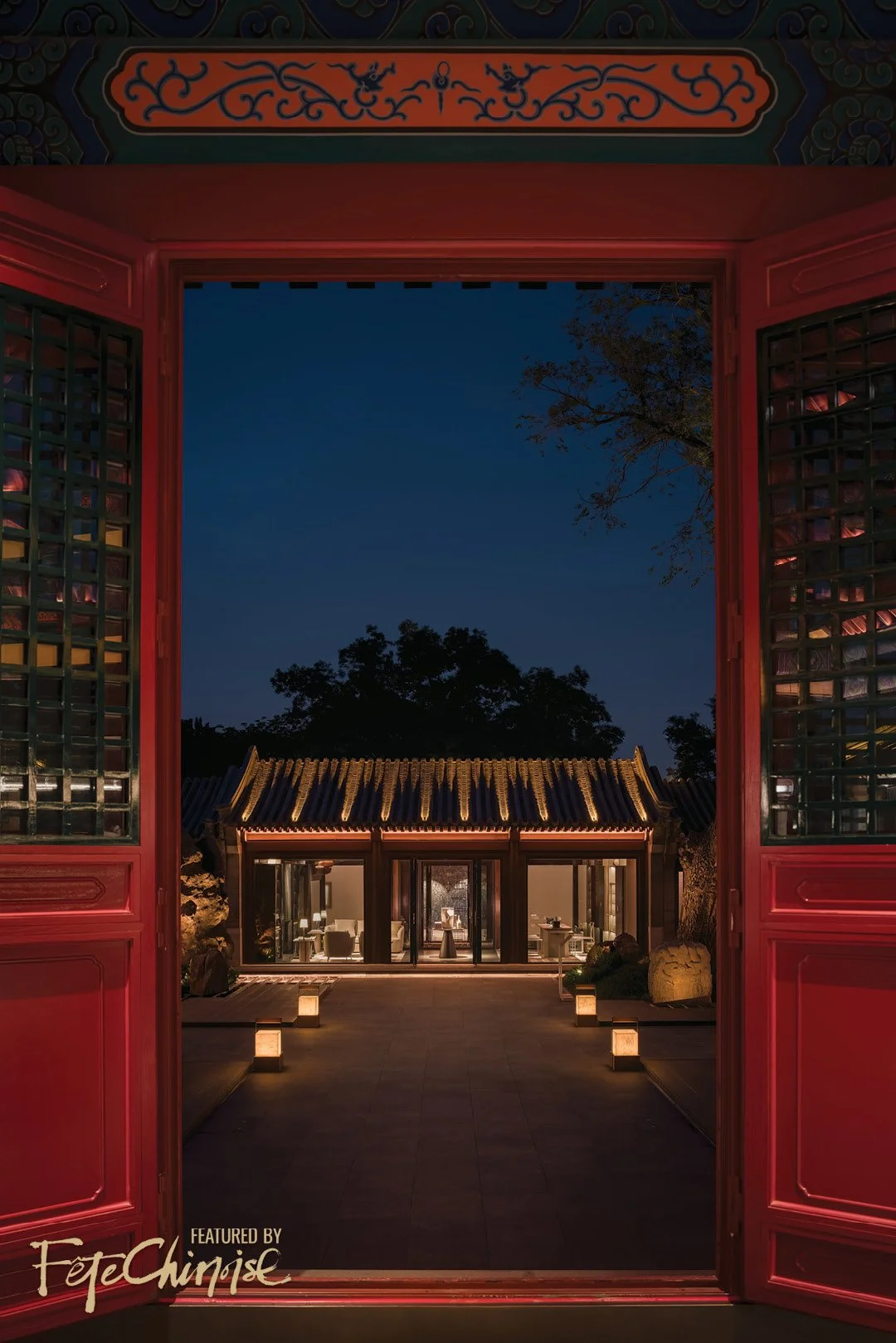
Looking onto Tea Room

More from Fête Chiniose
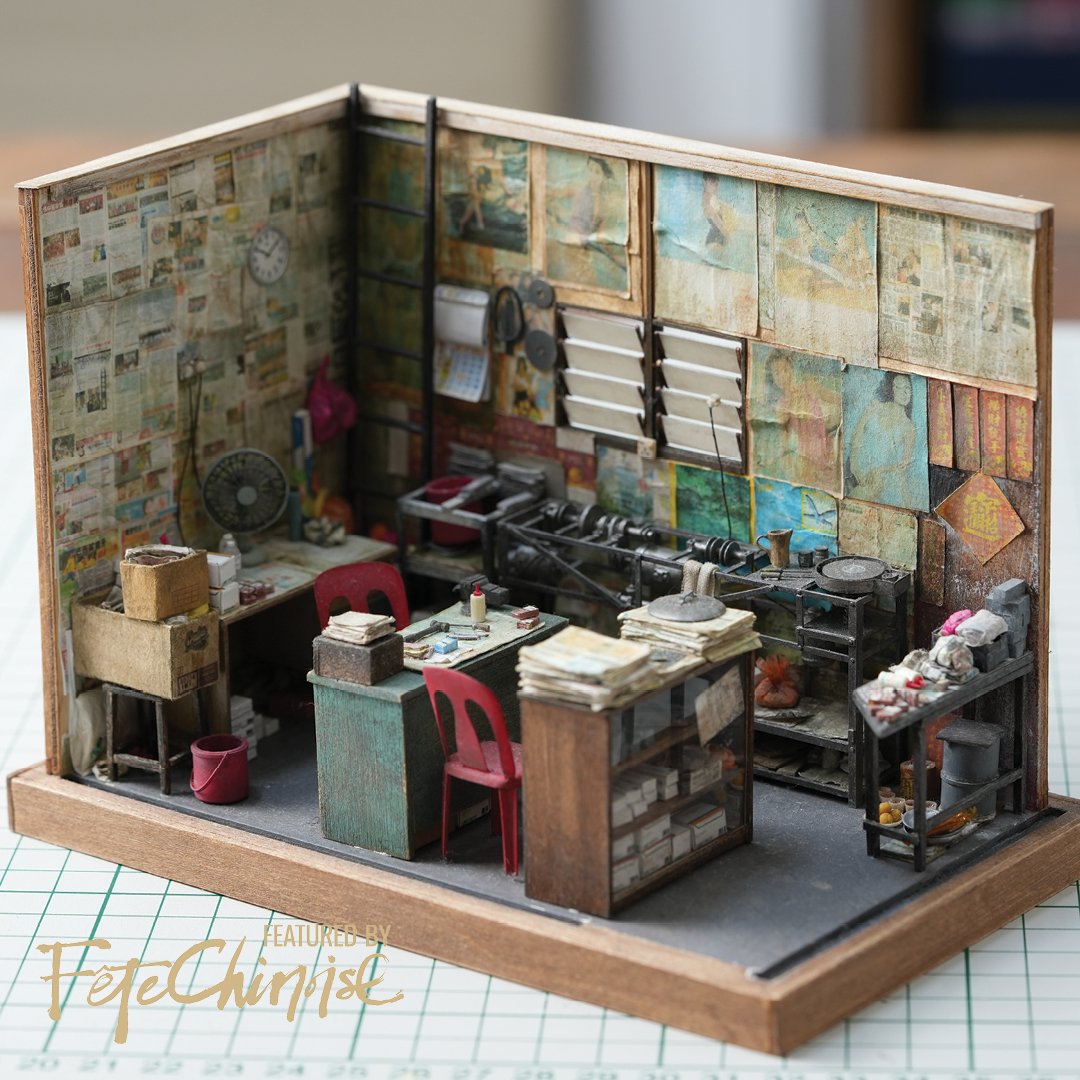
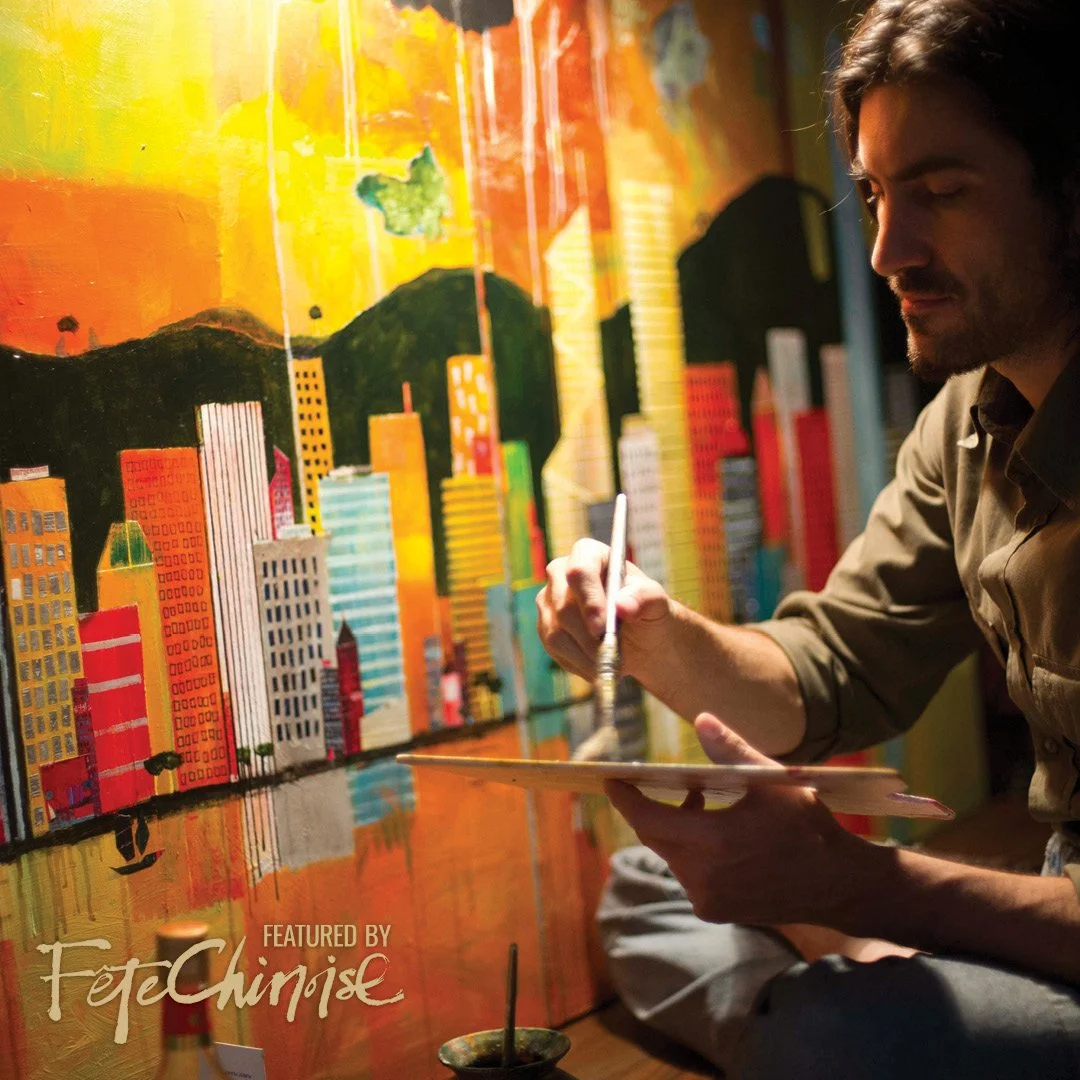

Established in 1928, Yuet Tung China Works has survived wave after wave of change in Hong Kong. Every piece of porcelain here has a long story to tell. The works not only reflect the opportunities and challenges of Hong Kong’s shifting relationship with the world over the past century, they also demonstrate the adaptability and flexibility of Hong Kong people.