
Small Wonders: Artist Pui Wan Lim Crafts Miniature Scenes from Malaysian Street Life 袖珍模型建構昔日情懷
English 英: Fête Chinoise Editorial Team with interview notes from Pui Wan Lim · Chinese 中:Ophelie C
Photography: Pui Wan Lim
As Featured in 2026 Fête Chinoise Design Annual


Missing Hiss
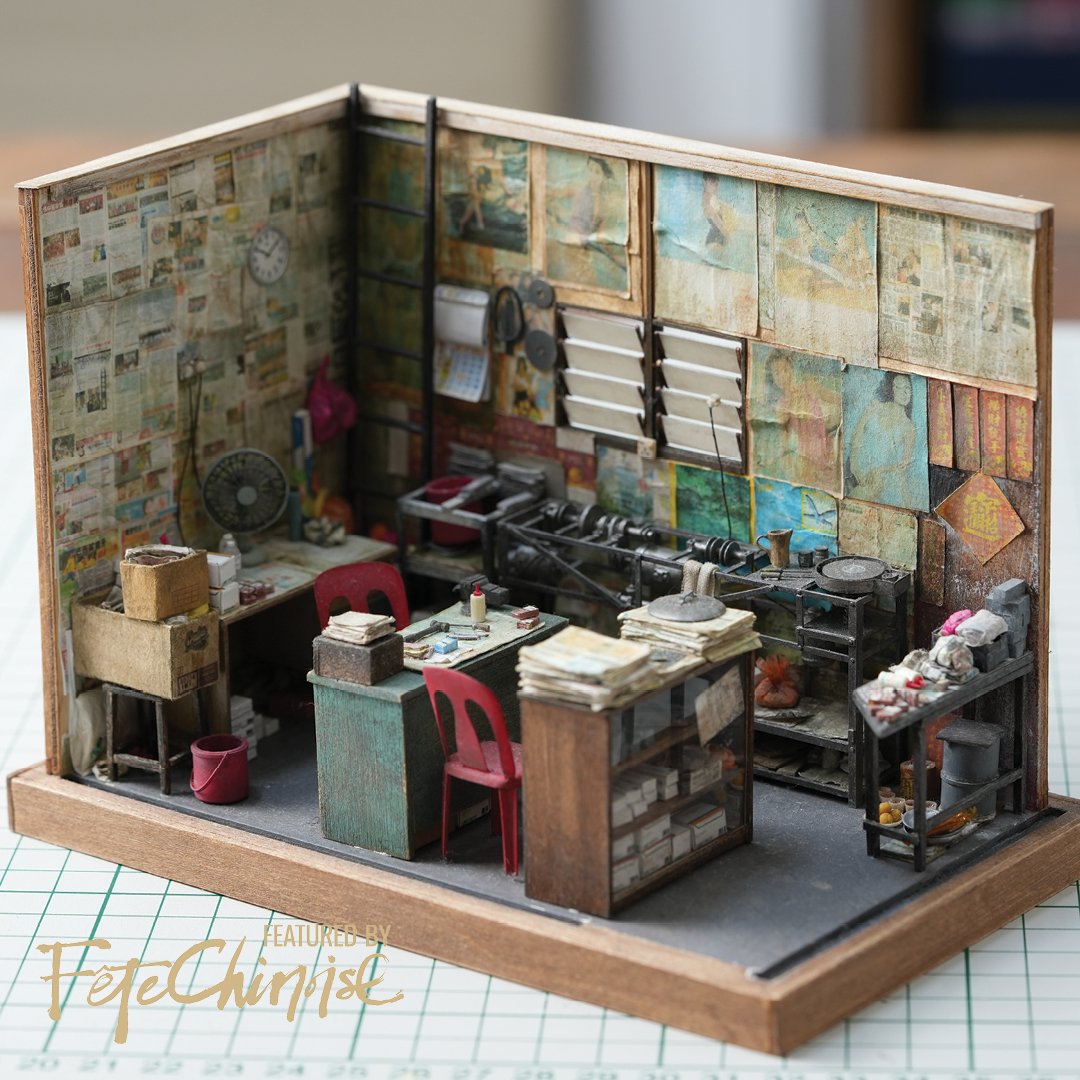
Story of a scissors sharpener, documented in miniature form
There is an intensity to the miniature worlds created by Pui Wan Lim of Picoworm Miniature. Each tiny scene – a traditional kopitiam coffee shop, a provision store, a kitchen table – is built with painstaking care yet feels lived in as if someone has just stepped away. The streets, signs, furniture and smallest objects hold fragments of memory, linking family history, local culture and her own imagination. For diaspora families, these miniatures are more than delicate objects: they are a way to hold on to places and routines that no longer exist around them.
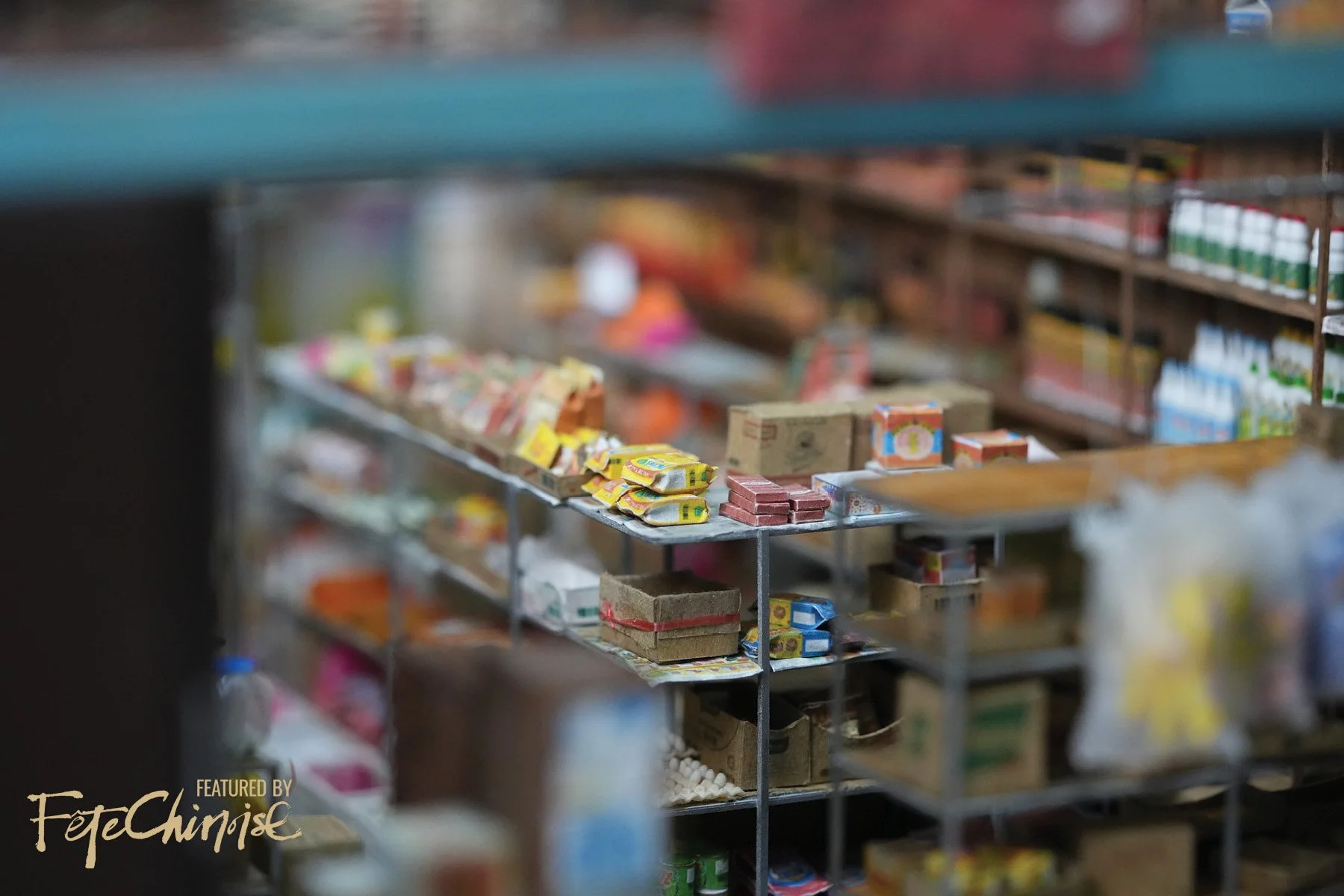
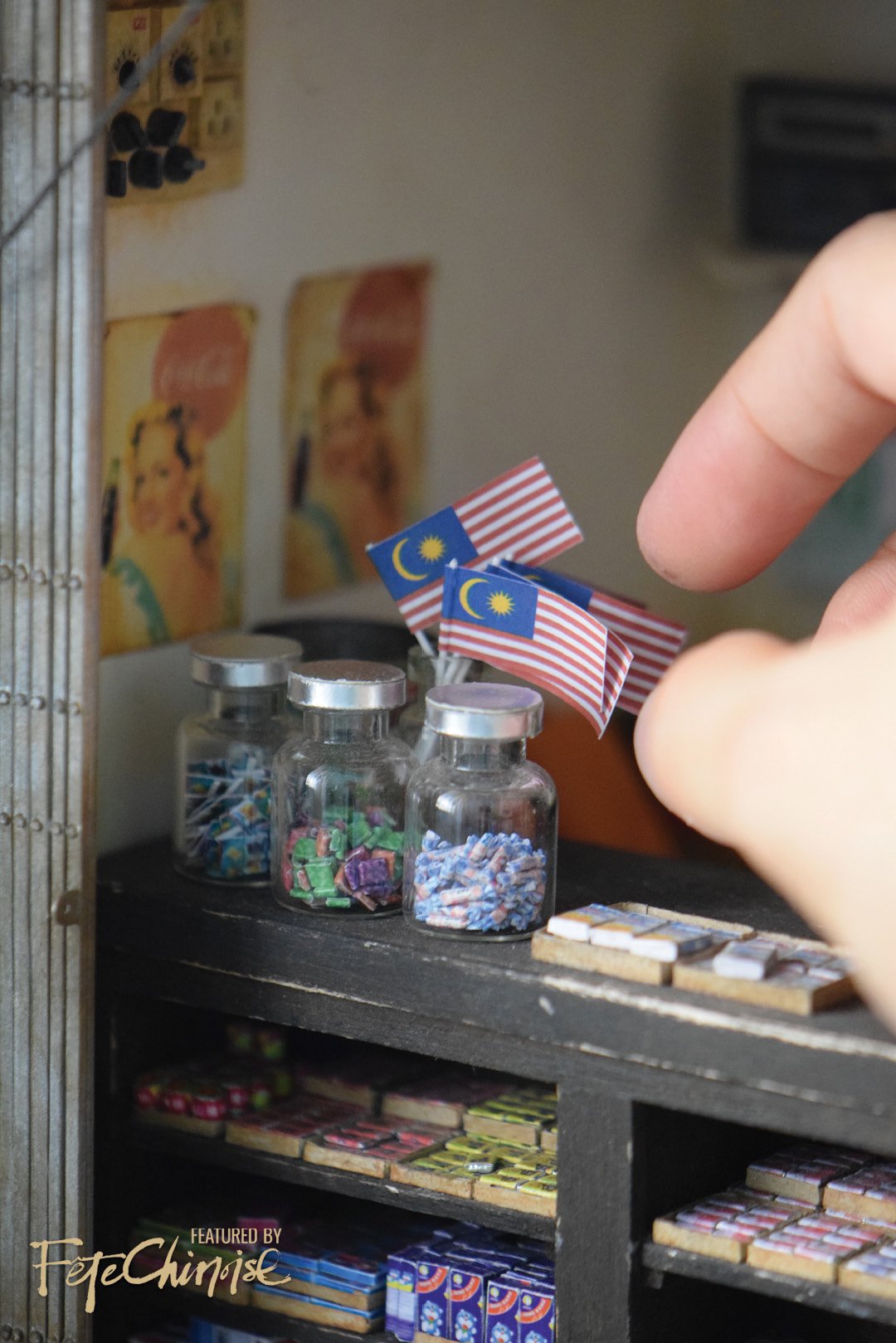
Yee Bee Sundry Shop
Lim traces her habit of looking closely to something unremarkable: bus rides during university in Malaysia. With nothing else to do, she watched the streets roll by and began noticing patterns and details: traditional businesses, particular corners, the gestures of daily life. At the same time, she borrowed history books about Kuala Lumpur from the library and then walked the city looking for traces of what she had read. “It was fun,” she recalls.
雜貨店、南洋廚房⋯⋯林佩雯一雙巧手製作的迷你模型幾可亂真,可放於指尖上的杯麵、餅乾、還有毛巾,讓看過的人都嘖嘖稱奇:在加拿大土生土長的移民後代說,佩雯這些迷你藝術品給她帶來想像,像置身婆婆的戰後生活中;有香港人則說彷彿穿越時光隧道,置身五、六十年代的香港。
佩雯的作品重現昔日馬來西亞、新加坡、香港的街頭巷尾風情,微縮的日常光景,悄悄連繫着全球各地的華人,也默默記錄中華文化的變遷。不過她坦言並沒那麼宏大的目標,只望大家珍視身邊悄然消失的歷史。
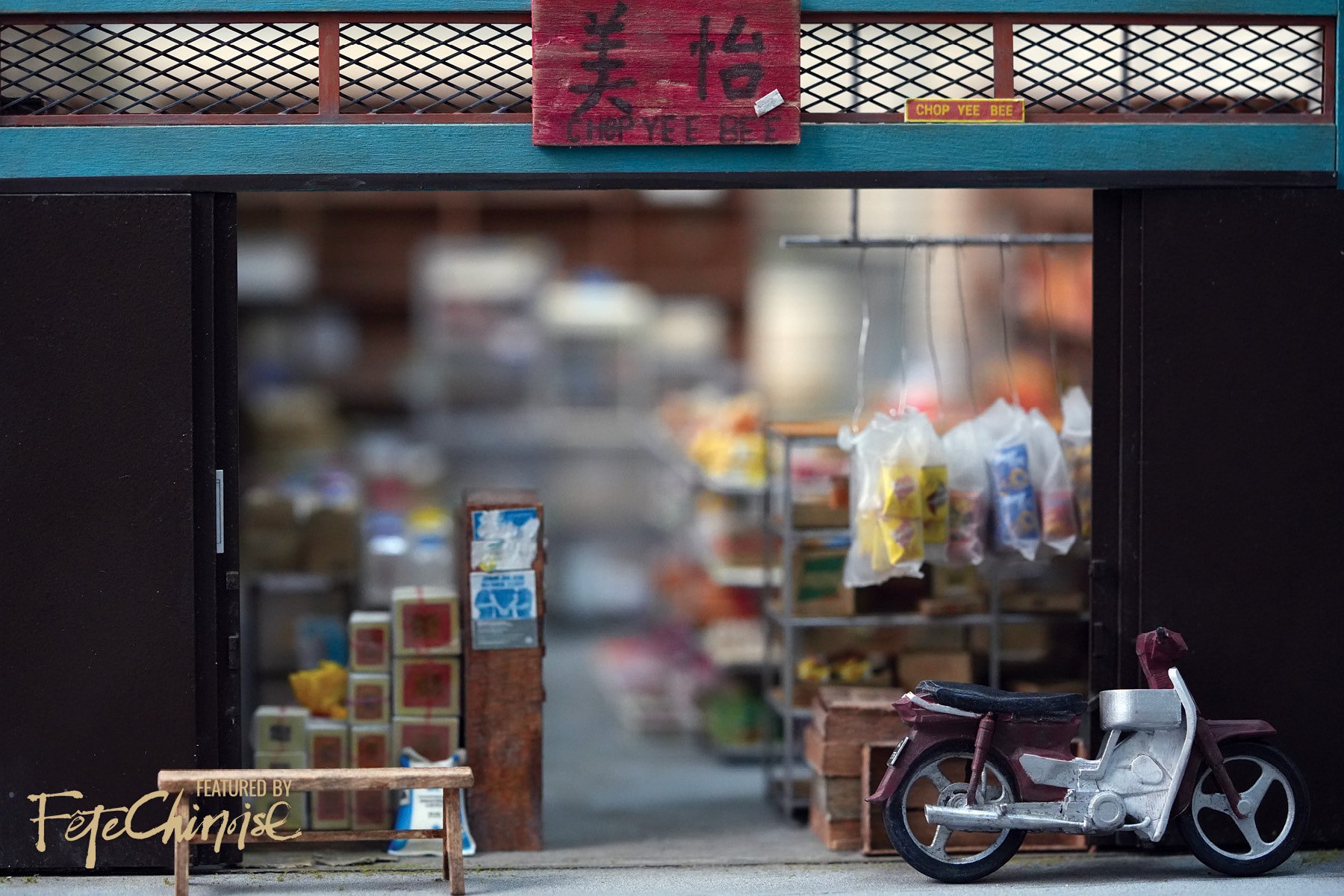
Yee Bee Sundry Shop
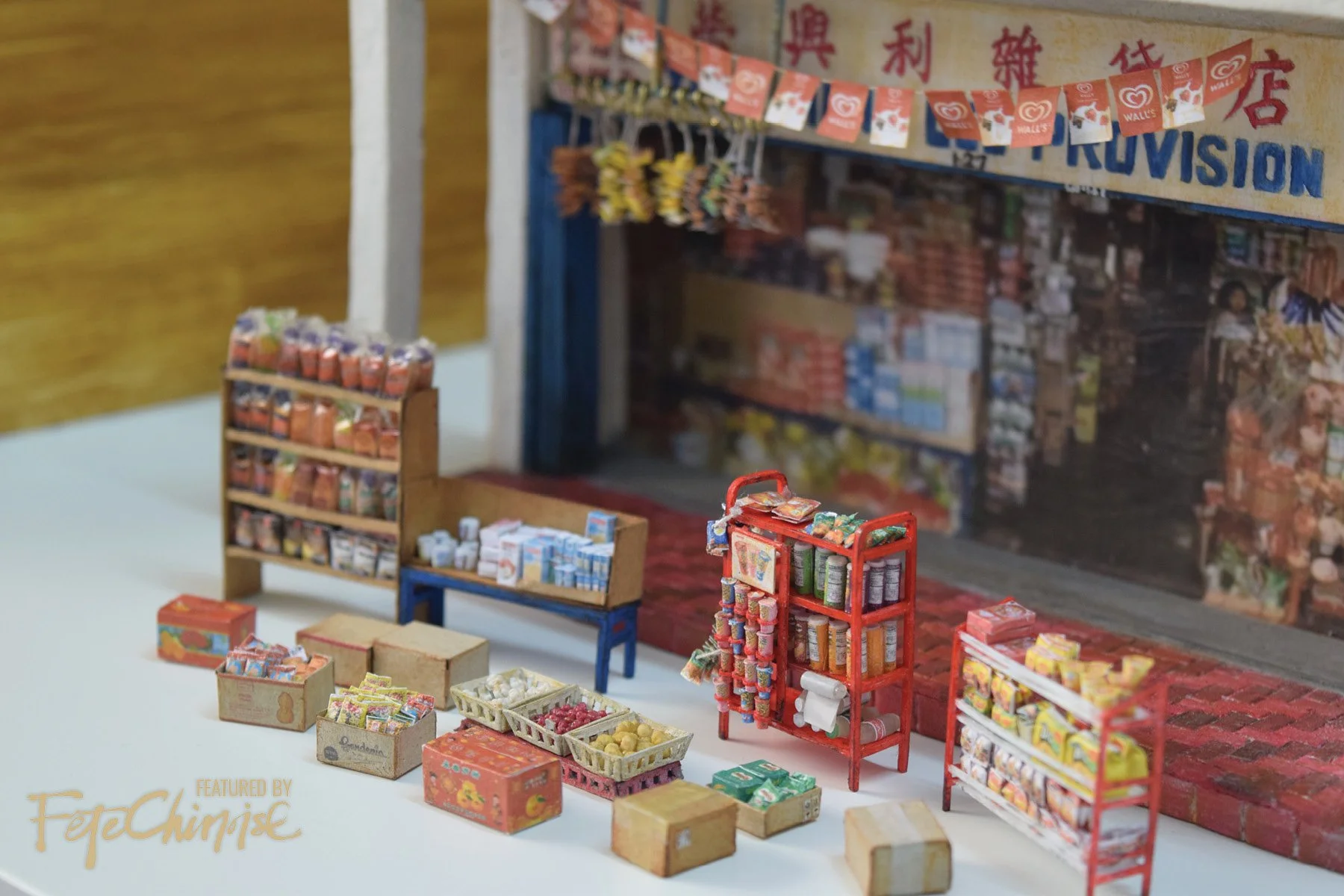
Yong Heng Lee Provision
Habit became practice. Photographing, sketching and talking to locals became second nature, along with a growing awareness that many of these streetscapes were being refurbished or swept away. When the Chinatown back lane Lorong Panggung and the decades‑old Hainanese coffee shop Ho Kow Kopitiam were marked for restoration and relocation in 2018, she went back with a camera and notebook, determined to record what she could before they were remade as curated heritage attractions. Malaysia’s layered histories, visible in trades, architecture and everyday rituals, are easy to overlook, she says.
“History can feel dry in books, but when you actually stand in these places, it suddenly feels present. I love to express that sense of discovery through my miniatures.”
For people in Malaysia, her miniature scenes can open up family stories and local history in three dimensions. For Malaysians in the diaspora, they offer a way back into a childhood or city they only half remember. That pull is also about what miniatures can do as an art form. Miniatures offer something photographs and paintings do not. A photo fixes a moment; a painting interprets it. A miniature sets out a scene the viewer can mentally inhabit. “You feel like you could step right in, or imagine yourself living inside,” Lim says.
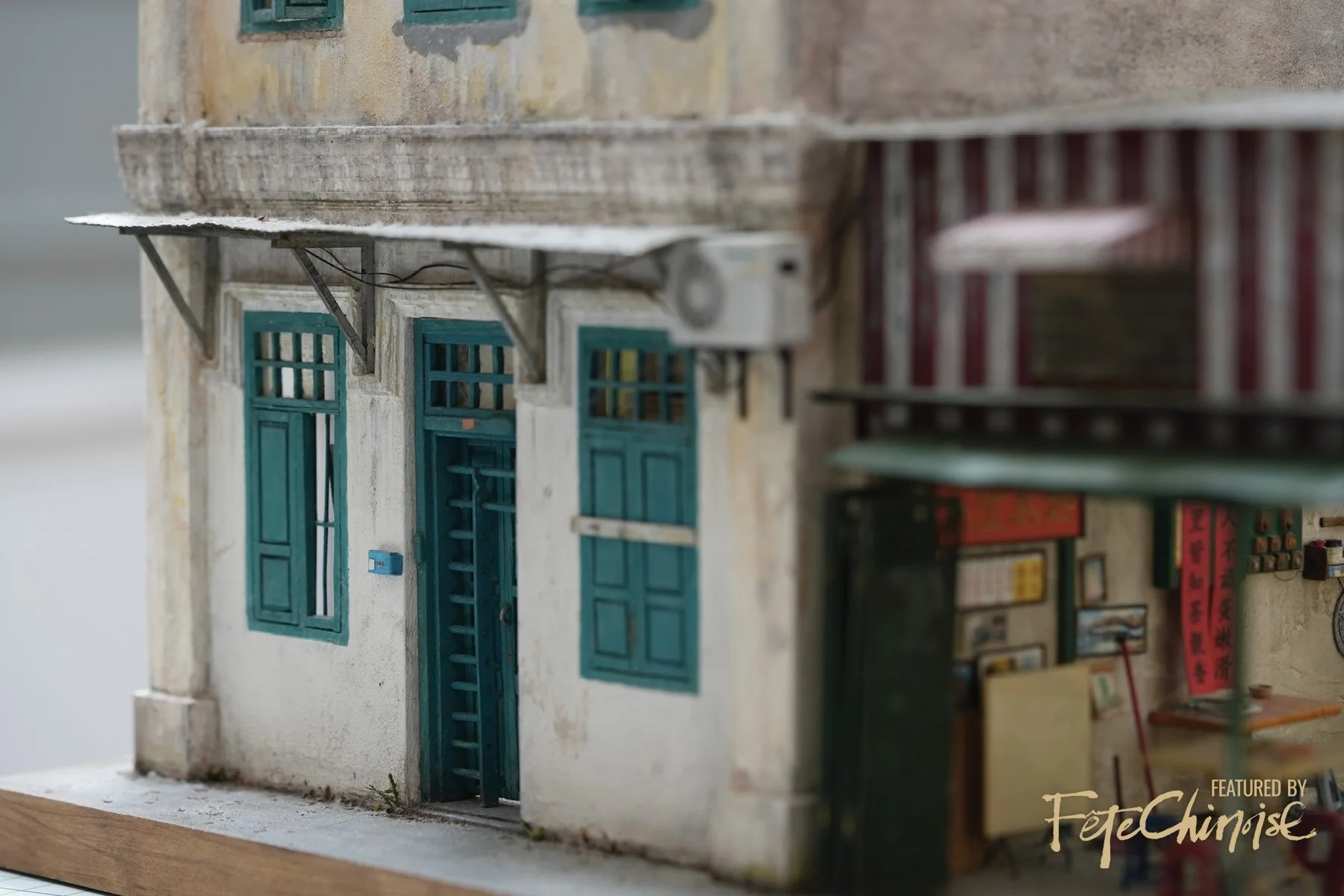
Lorong Panggung Kopitiam
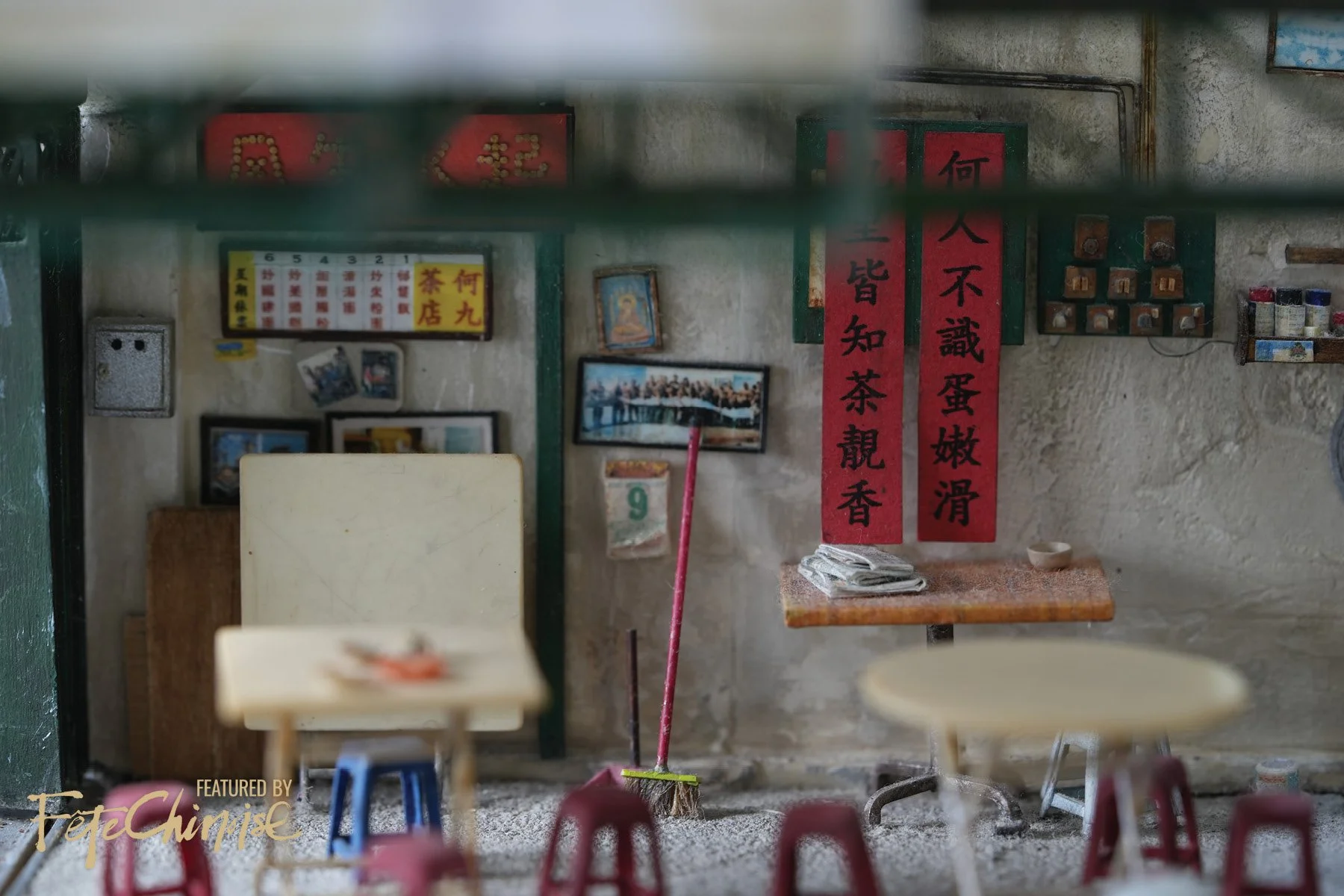
Lorong Panggung Kopitiam
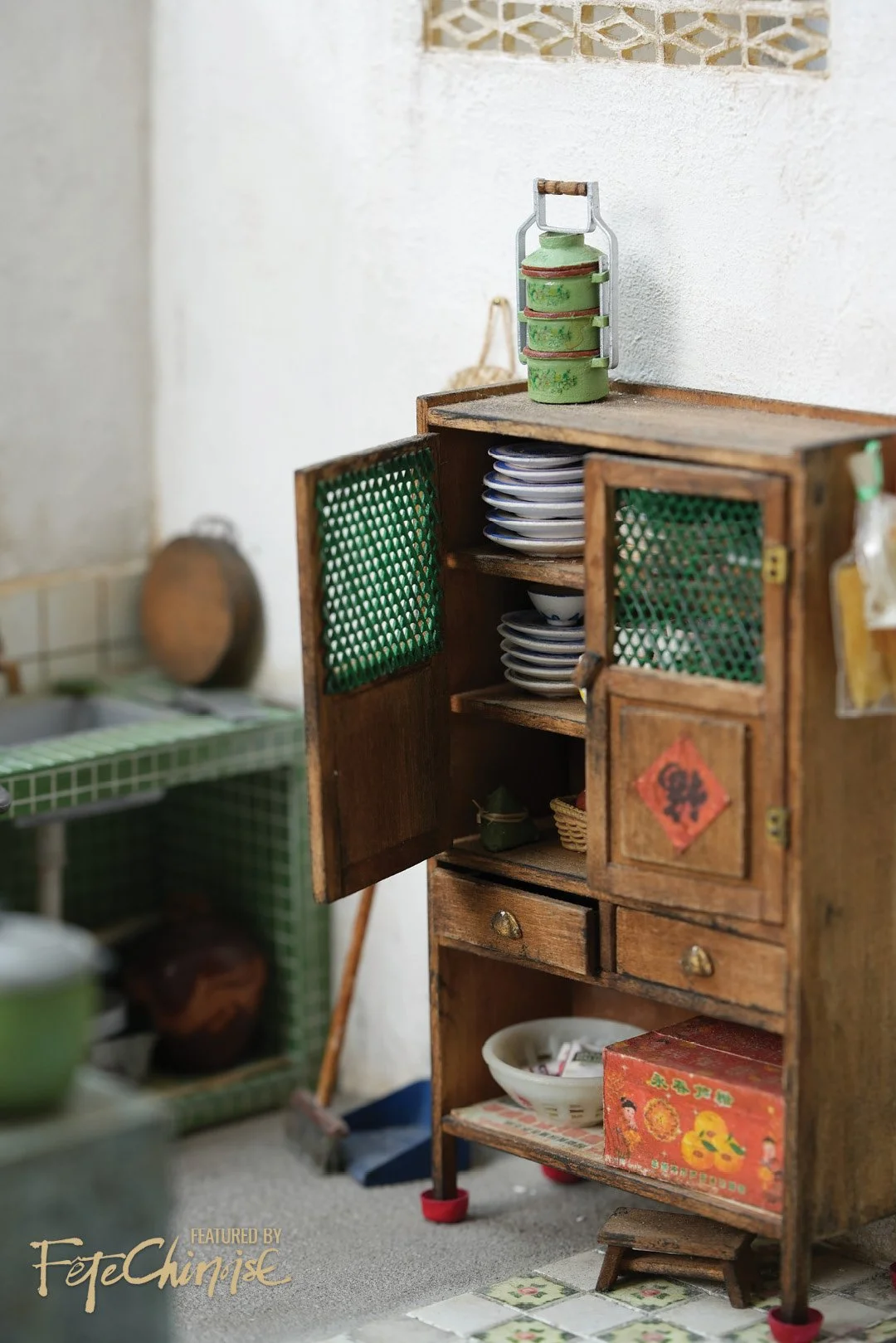
Nanyang Kitchen
重建日常的歷史價值
吉隆坡的鬼仔巷、何九海南茶店等,都是佩雯珍視的歷史建築,她認為:「馬來西亞是一個多元文化的國家,那種歷史感滲透各種古老貿易、建築、生活當中,但很多人見怪不怪,未有留意。從書中看歷史可能比較枯燥,但如果你能置身其中,感覺就充滿驚奇。所以我想透過袖珍作品表達當中的喜悅;當所有細節凝聚在一起,歷史和文化都變得觸手可及!」
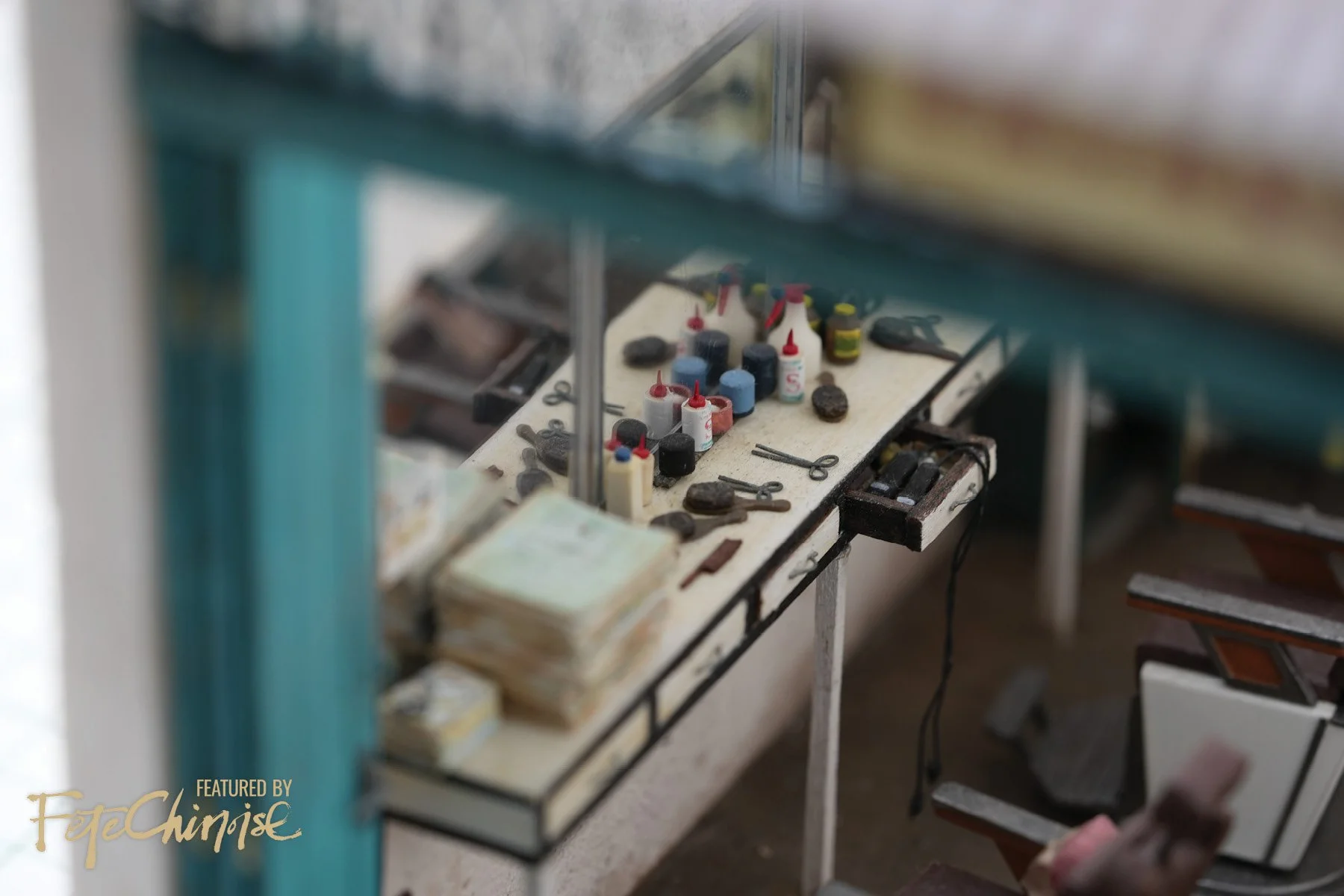
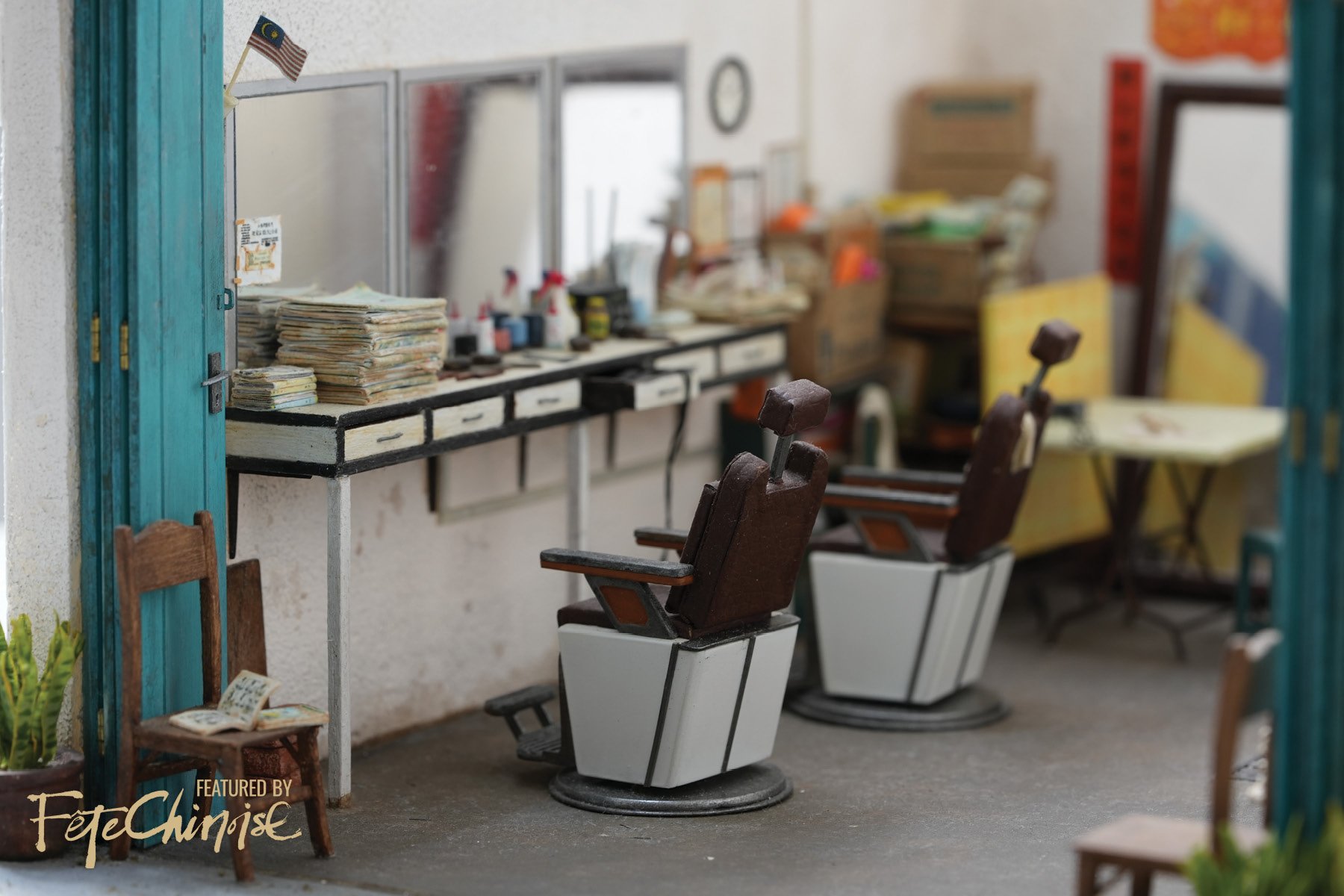
大學期間以獎學金完成機械工程學位的佩雯,特別注重作品的比例和結構;在數理背後,是用心取材與艱難取捨。談到場景逼真背後的精密計算,她解釋:「我先在設計軟件 SketchUp 規劃,確保比例、尺寸正確。至於哪些元素需要保留或捨棄,我通常問自己:『哪些細節能道出這個地方的故事?』不是所有東西都必須存在,但留下的,必須讓人感覺真實。例如製作一間理髮店時,椅子上的毛巾或半開抽屜裡的風筒,都是自然又合理。」
For many children of diaspora and immigrant families around the globe who are following Lim’s work, with family roots that are from different countries and regions, they will find traces of culture and familiarity in her work that connect the dots of cultural memory, and create wonder in our hearts about identity.
Her childhood play with Barbie dolls informs that instinct, looking at rooms from a low angle and imagining how it feels to stand inside them. Building each element from scratch has become slow, absorbing work, a way of thinking through time and place with her hands. Only after she adds dirt, stains and rust does the work feel complete; those marks of use shift it from model to memory.
Working in miniatures demands patience. Early on, Lim understood that what she was doing was “very, very niche.” The pace is slow, the labour exacting and not everyone has the appetite for that kind of detail. Commissions gave her a way to sustain the work without diluting it.
One turning point was a request for a miniature of Yong Heng Lee Provision Shop in Singapore, a long-running family business. Working from old photographs, she reconstructed shelves, products and signage for the owner’s grandfather’s 80th birthday. His reaction when he saw the piece reinforced what she was trying to do: use miniatures to keep a family place within reach of another generation.
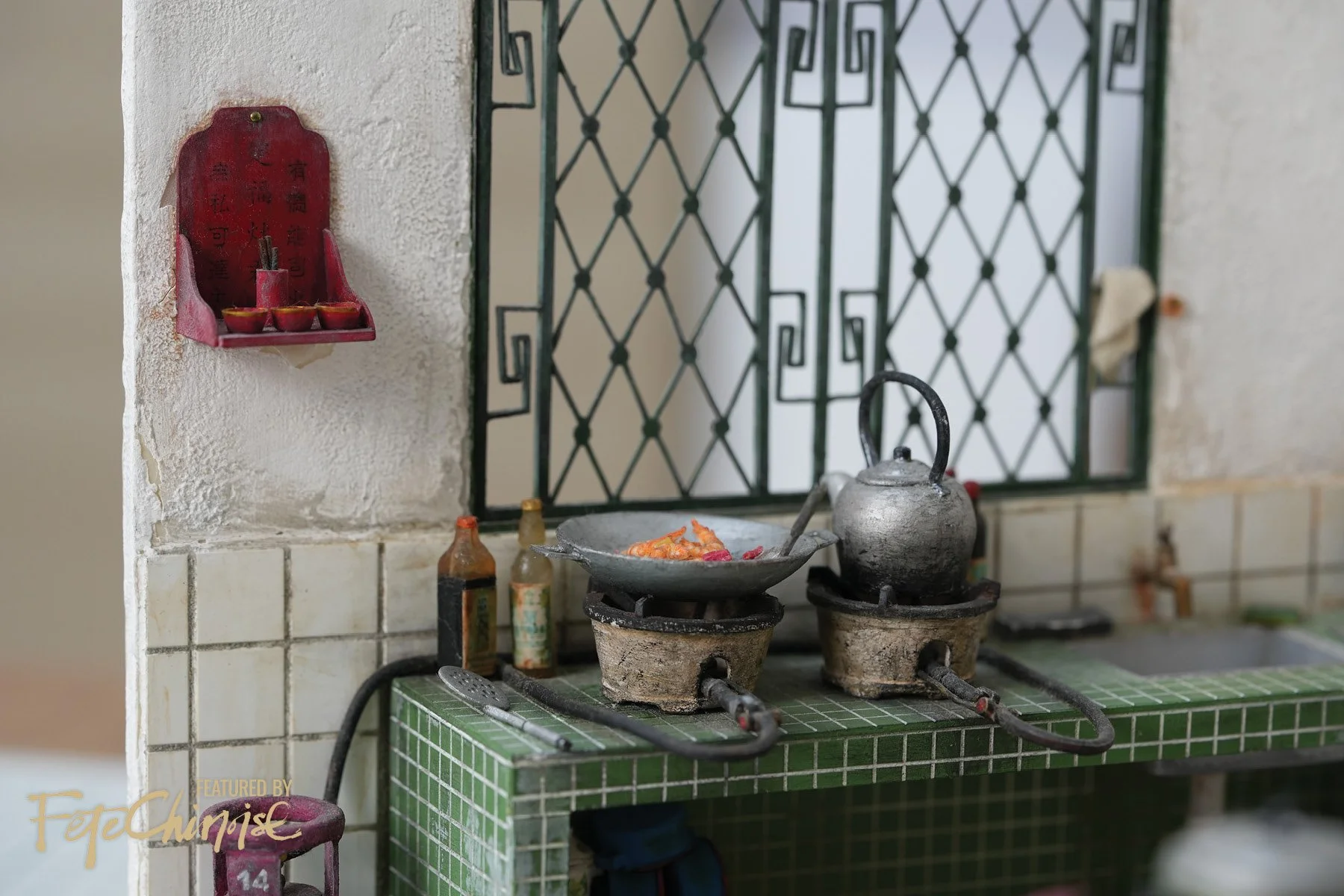
Nanyang Kitchen
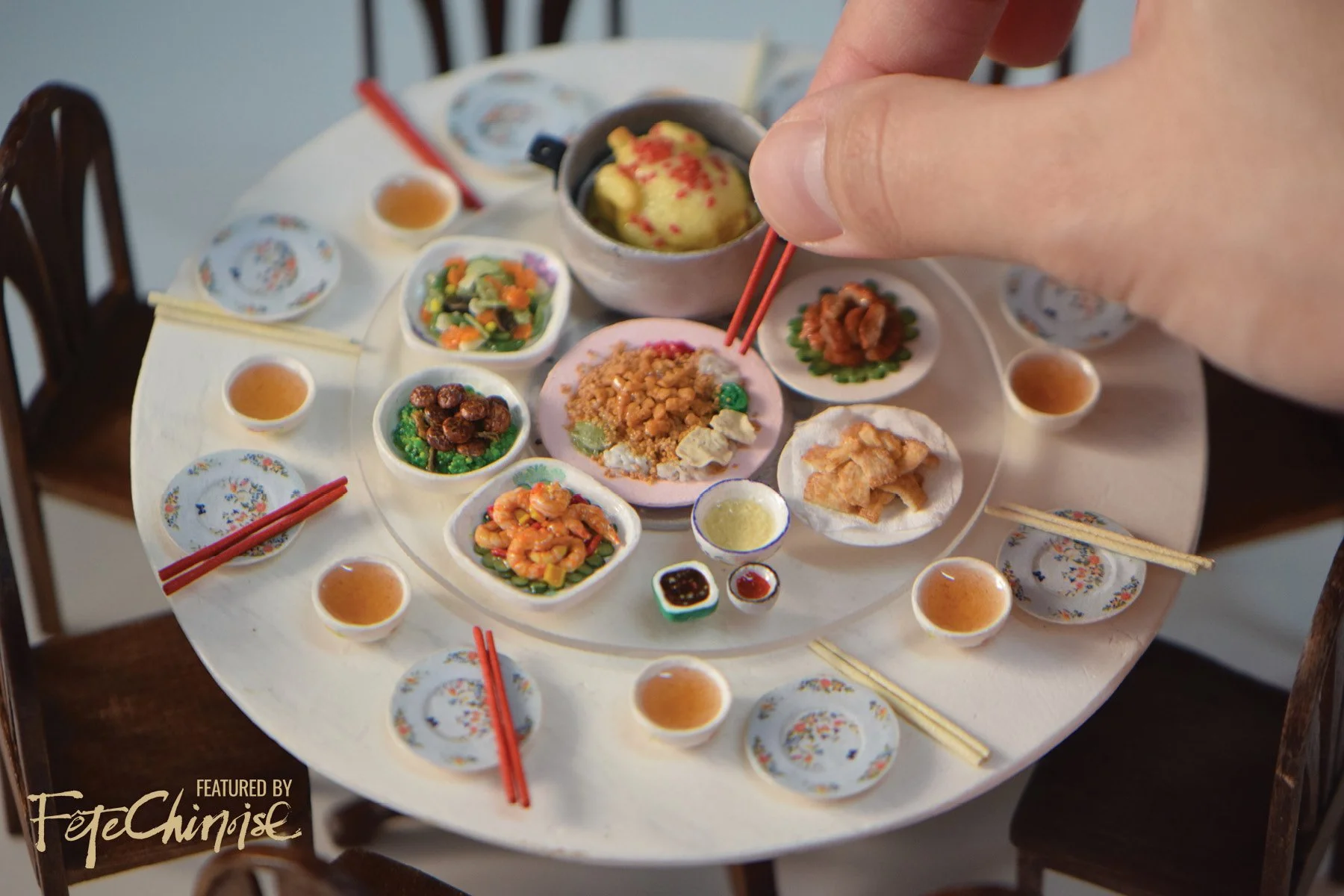
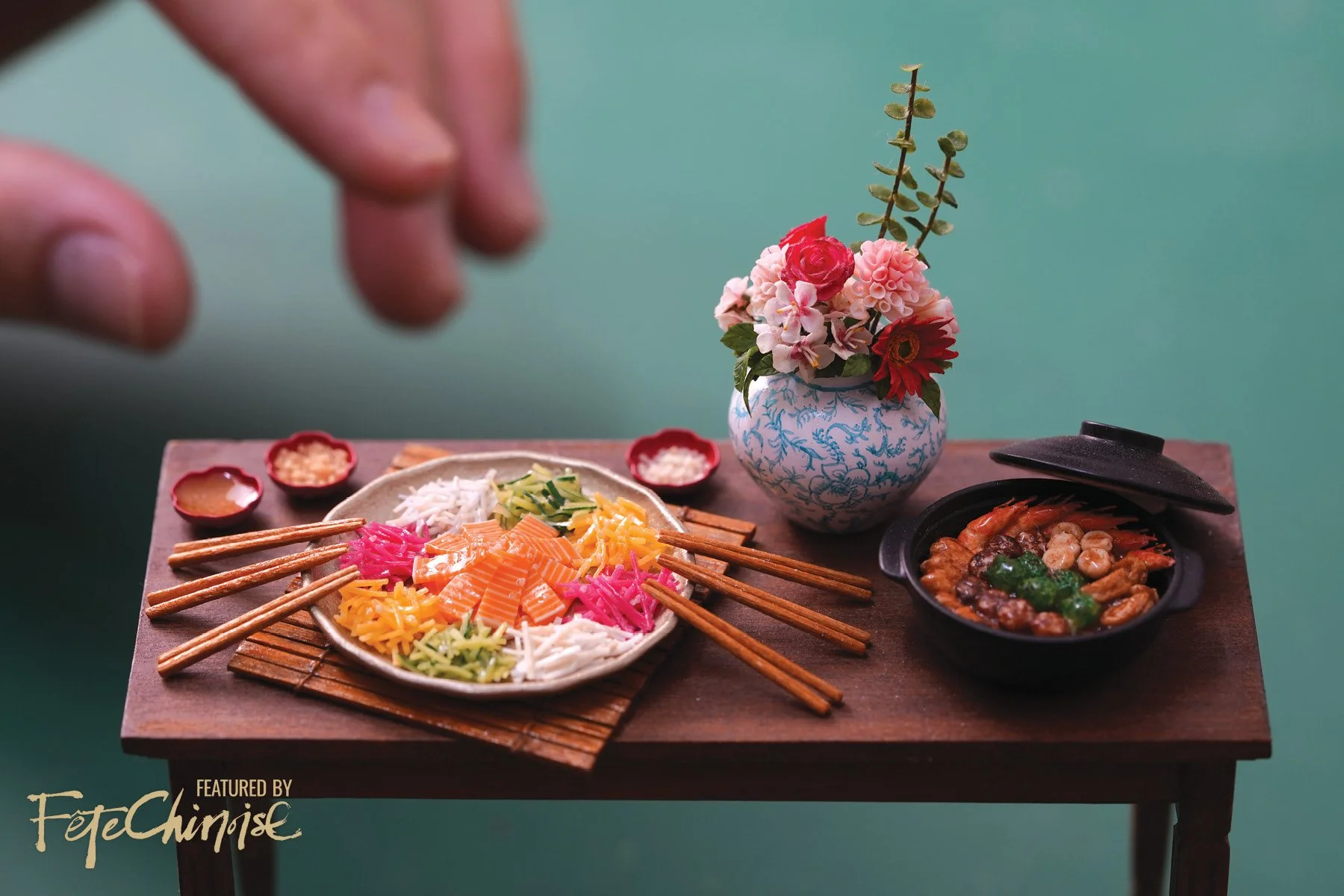
Reunion Dinner
「我從零開始建構每一個小細節,感覺彷彿重建一個活生生的世界,身在其中有點像冥想,連結自己內心,不只是製作一個模型。我像在跟那個地方、那個時刻對話。」如此用心,難怪佩雯的作品特別有歷史感。她還提到,作品畫龍點晴在於「做舊」技巧:「當我為作品增添一些污垢、污漬和鏽蝕等歲月痕跡時,就像賦予作品生命,不再只是一個簡單的模型,而是承載滿滿的回憶。」材料方面,佩雯善於就地取材:疫情期間,護膚品瓶都可以用來製作迷你廚房的石油氣罐。
Other commissions, including Yee Bee Sundry Shop, a neighbourhood store, and Nanyang Kitchen, based on her grandmother’s home, underline how closely her practice is tied to memory and kinship.
Smaller scenes may take days; complex dioramas can stretch into months. Deadlines, from clients and from herself, have taught her to guard against both delay and overworking. “Done is better than perfect,” Lim says.
Learning to stop rather than endlessly adjusting tiny details has been one of the hardest lessons and one she now applies across projects. Under time pressure, Lim often finds new methods or shortcuts that expand her techniques.
The pandemic forced an adjustment. As motivation dipped, she loosened her grip on schedules and instead worked more loosely with whatever materials were at hand. “Yourself, to me, is that place of genuine enthusiasm; where you do something not because you have to, but because it fills you with curiosity and joy.” Pulling back from purely transactional projects allowed her to hear her own instincts again and return to the parts of the craft that first drew her in.
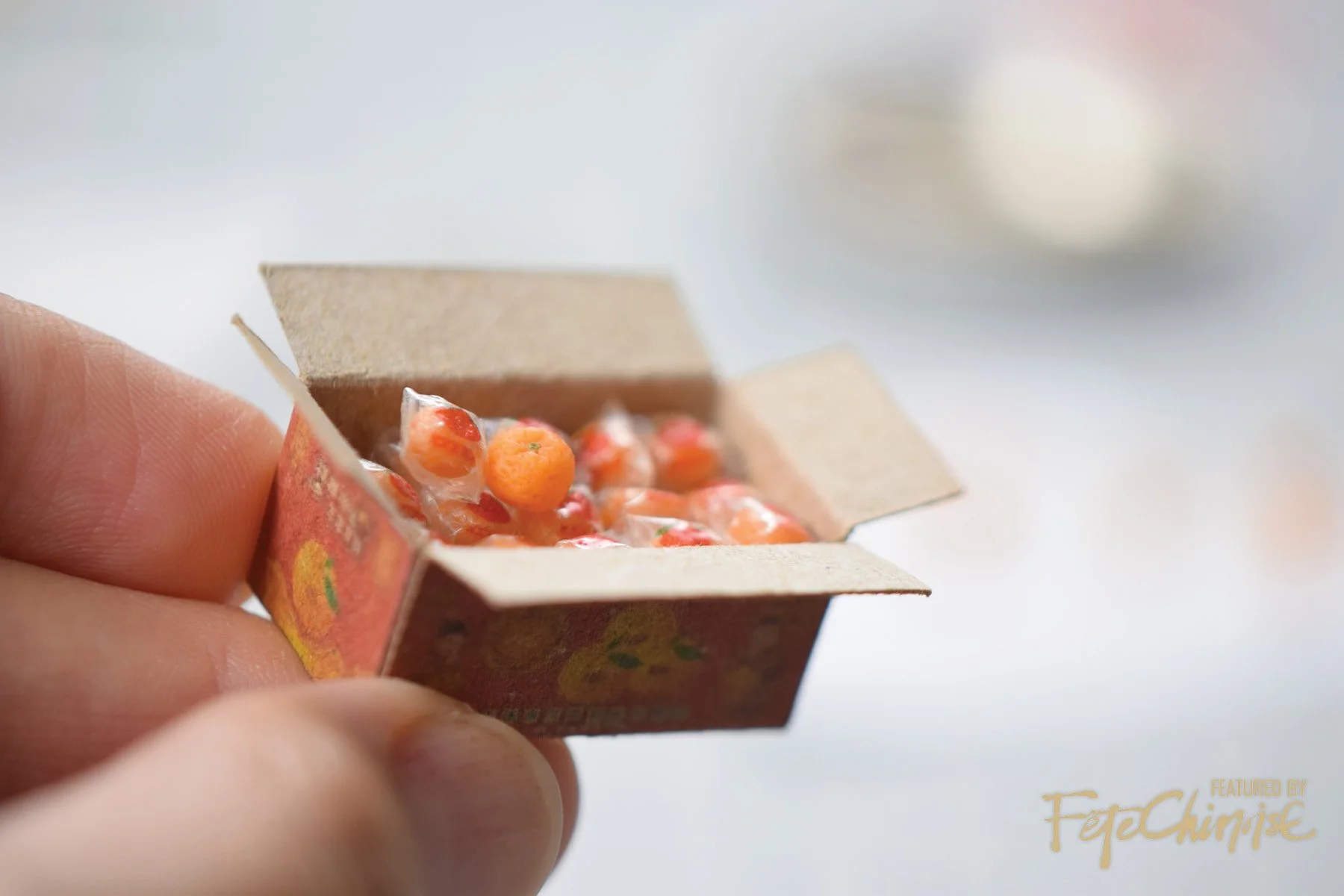
Mandarin Oranges
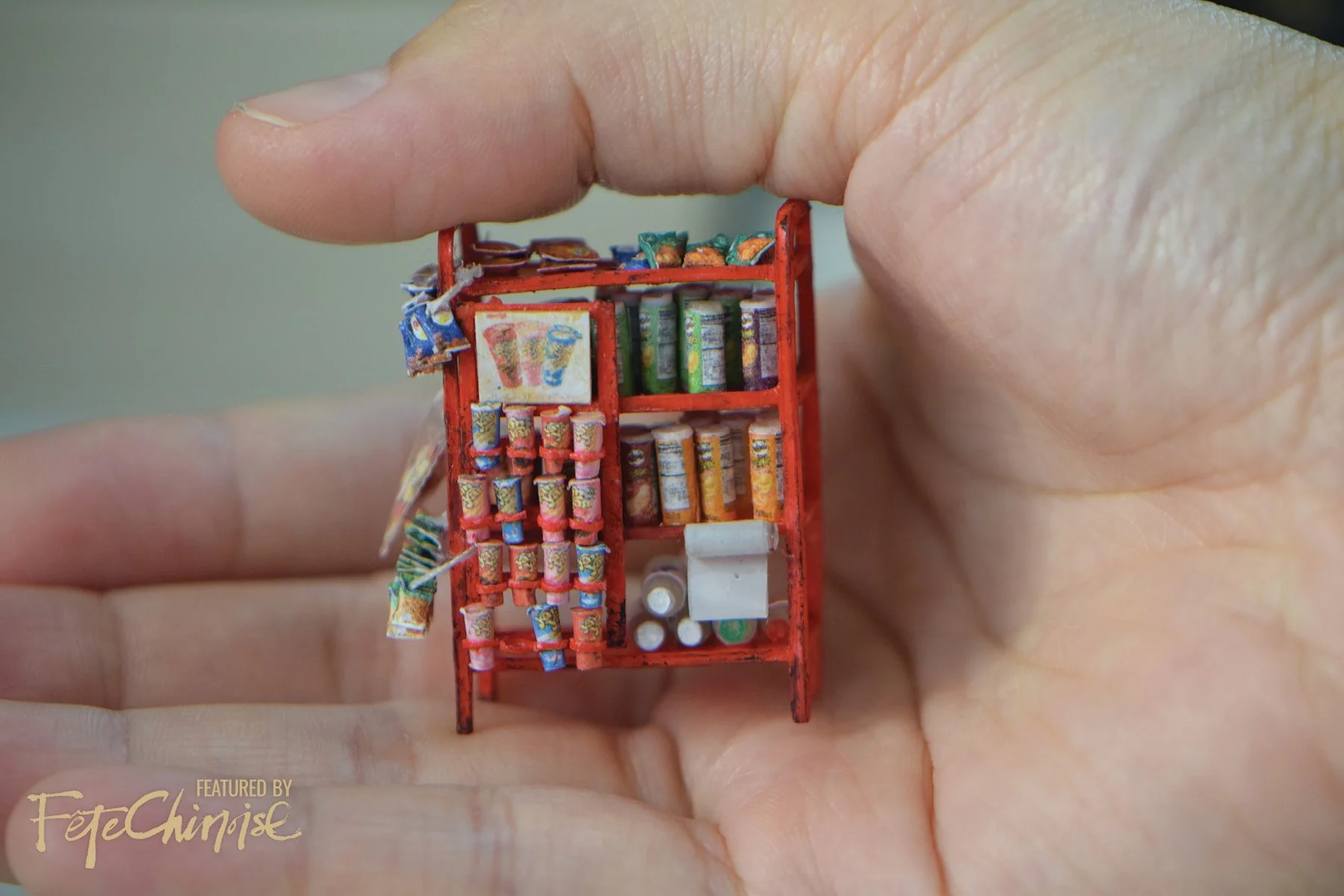
Yong Heng Lee Provision
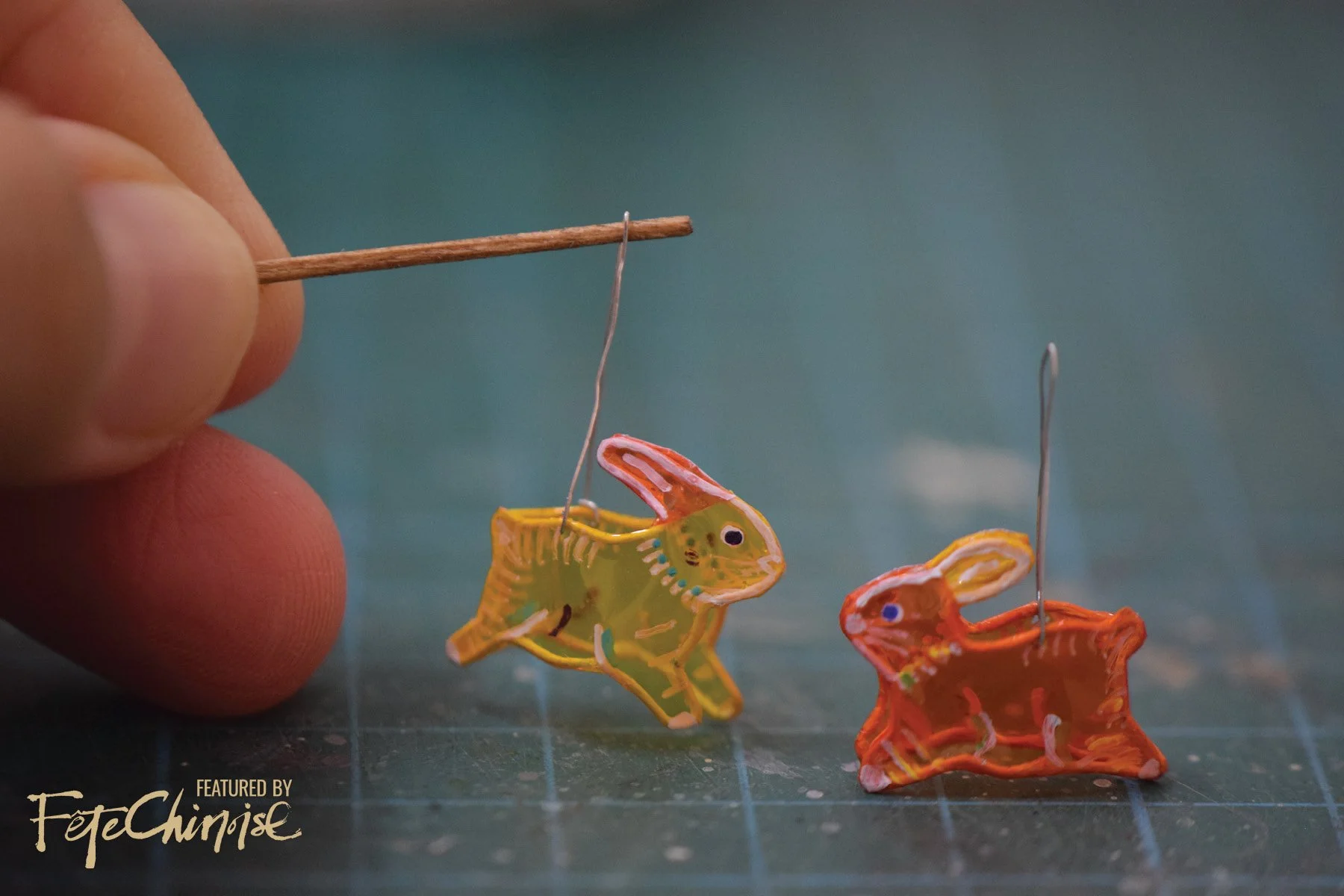
Traditional Bunny Lanterns
Yusang
時間、心力、價值的角力
佩雯的作品一般花上數星期製作,不單耗時,也極度消耗精神和心力。早年在街上擺攤時,途人最多花三十秒看看便走過。她坦言,至今仍會懷疑這門手藝是否適合當終身事業,「早年擺攤時,我就明白自己的作品非常非常小眾。作品這麼袖珍,不是每個人都能欣賞這種緩慢、重視細節的努力。」
大馬、台灣等國際獎項的肯定,客人誠摯的托付,文化與藝術機構,以至網上愛好者的支持,成為佩雯的一道道強心針。
The Old Place
Her work is materially and physically demanding: adhesives, clay, eye strain and long hours handling small parts. Self-doubt comes with that territory. What keeps her going is often not public recognition but individual encounters: students who attempt their first miniatures after seeing her work, children who arrive with handwritten questions, teachers who bring her pieces into their classrooms. These exchanges confirm that the work lands with particular people rather than in an abstract idea of audience.
Her early experiments were modest: a dollhouse miniature book introduced by her second elder sister, some basic clay and lollipop shapes. From there, she moved into miniature foods, small competitions and eventually full scenes. A scholarship in mechanical engineering gave her tools she still uses: a feel for scale, proportion and structural logic. Competitions in Taiwan and elsewhere helped her see miniature work not as a side hobby but as something she could build a life around.
The Old Place
Her advice to beginners is practical: start small, be patient and make work that matters to you. Miniature art rewards slow attention, and personal stakes are what keep her at it.
Resourcefulness matters too: during the pandemic, she turned everyday objects into materials, folding them into her scenes as carriers of memory. Above all, she urges newcomers to make pieces that speak to their own experiences; that is where the energy to keep going comes from.
小作品承載大意義
她的作品《榮興利雜貨店》背後,有段窩心的故事,「有位客人給我一些模糊的老照片,希望我將它重建,送給祖父作八十大壽禮物…那是我第一次單憑相片創作,但我盡力還原每一個細節。」
佩雯的作品雖然袖珍,卻承載榮興利雜貨店家族幾十載的辛勞和溫馨。當八十歲老店主收到袖珍店時,往昔種種的打拼、汗水湧上心頭,他臉上那抹欣慰的笑容,彷彿是在為自己的人生交上一張滿意的成績表。客人特地將這一幕拍下來傳給她,這份人與人之間的連繫,同樣給她深深的肯定:「我覺得那個月的努力很值得……當袖珍藝術成為世代橋樑,我找到這門工藝的價值。」
「這類故事提醒我,工作的意義大於我個人。當你找到意義感,自我懷疑就會減少。」佩雯強調,工作必須樂在其中,她語重心長地提醒同樣在藝術路上感到迷惘的人:「當你開始偏離自己真正喜歡的東西,開始擔心金錢,或受他人意見干擾,就會迷失自己。如果工作變成純粹的交易,你的創意就開始變成負擔,而不是天賦了。」
Peranakan Wares
Ban Fong
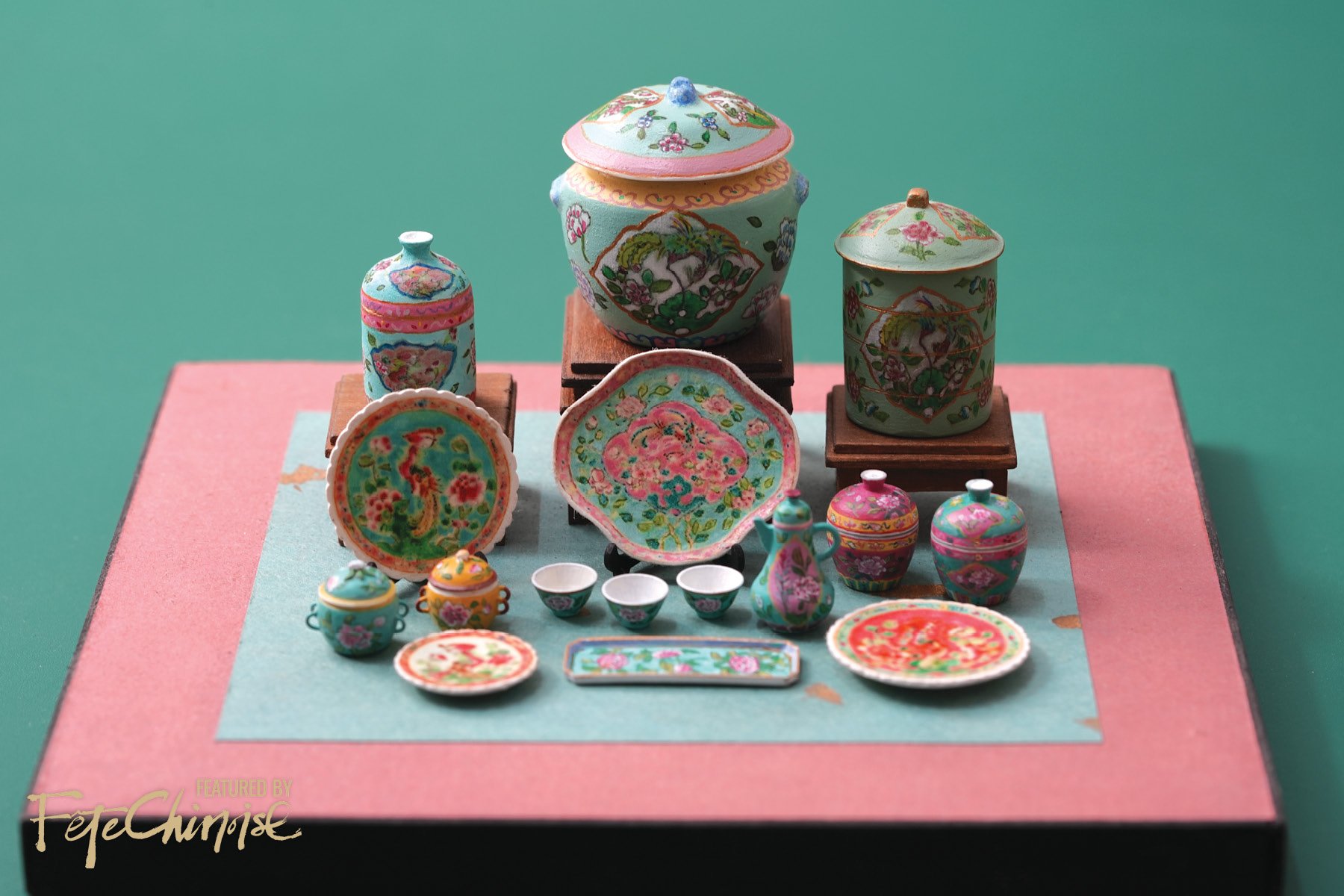
Translating a real place into miniature form requires constant decisions. She works from a few core principles: scale and proportion come first, and any detail she includes should add to the story of the place. Whether recreating a barber shop, a scissor sharpener’s tools or the traditional mortise-and-tenon joinery of Peranakan furniture, Lim gets the details right so the scene is instantly recognizable to those who know it. Learning full-scale woodworking techniques, consulting experts and then adapting those techniques in miniature have all shaped her process, which is both methodical and instinctive.
In the end, her work is a form of preservation. Miniatures allow fragments of history and culture to outlast renovations, demolitions and moves abroad. They invite viewers into a small, concentrated space where recognition and curiosity meet, for those who lived these scenes, for diaspora communities remembering them from a distance and for anyone encountering them for the first time.
Built from hours of observation and handwork, her dioramas pin down streets, shops and rooms at a particular moment, preserving traces of everyday Malaysian life before they fade from view.
你有勇氣「做自己」嗎?
追隨自己的內心,對營營役役的打工仔來說,彷彿是一個遙遠的夢想。佩雯自覺「做自己」最能達致忘我境界:「不為名利而做,只是純粹學習、探索並享受其中……即便有些事看來不合邏輯,你也要相信自己一直堅持的事情。這世界還是很需要用愛和真誠創作的人。只要抱持正念去做事,自然會找到志同道合的支持者。」佩雯告訴我們,只要有夢想,路終會被走出來。
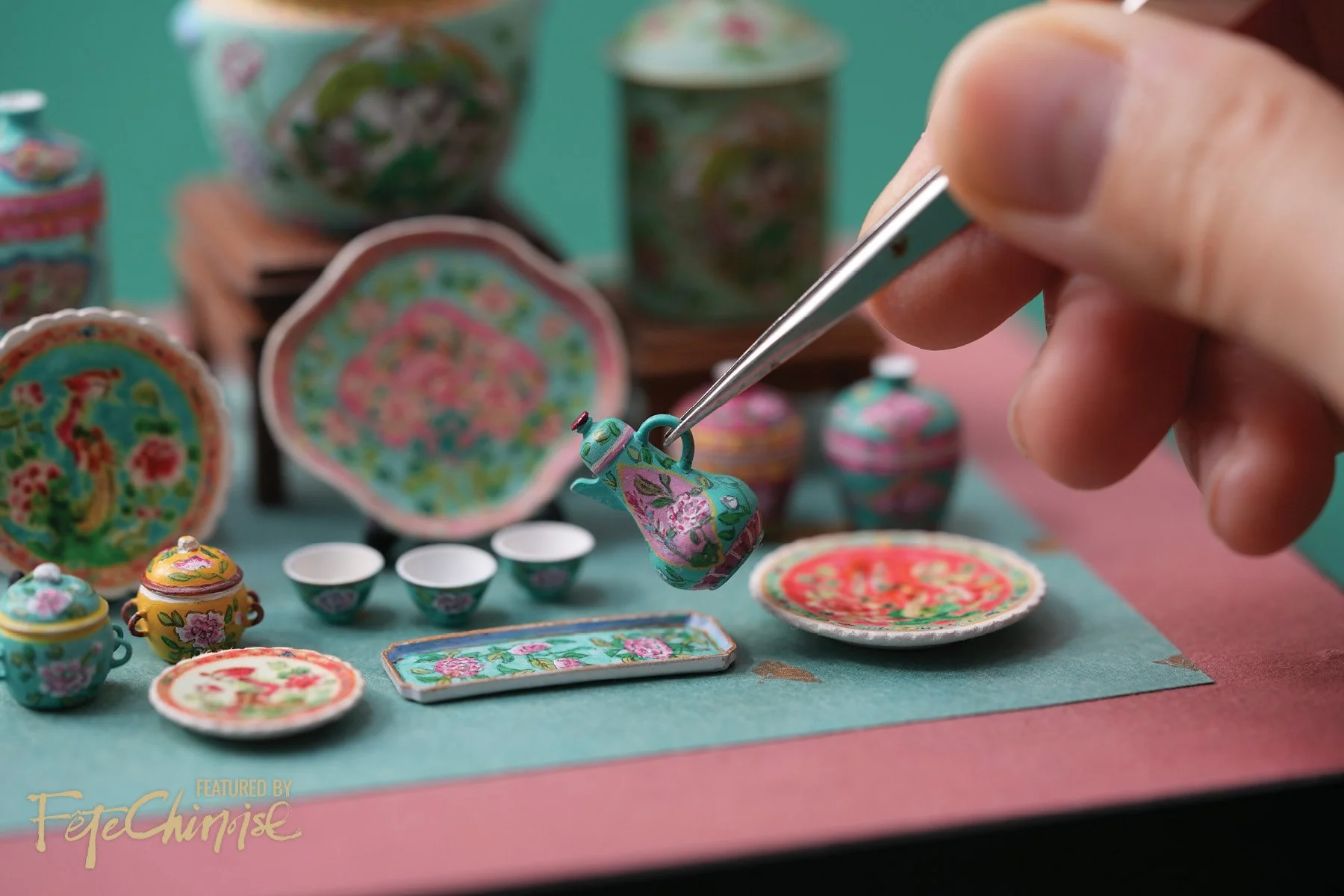
Peranakan Wares
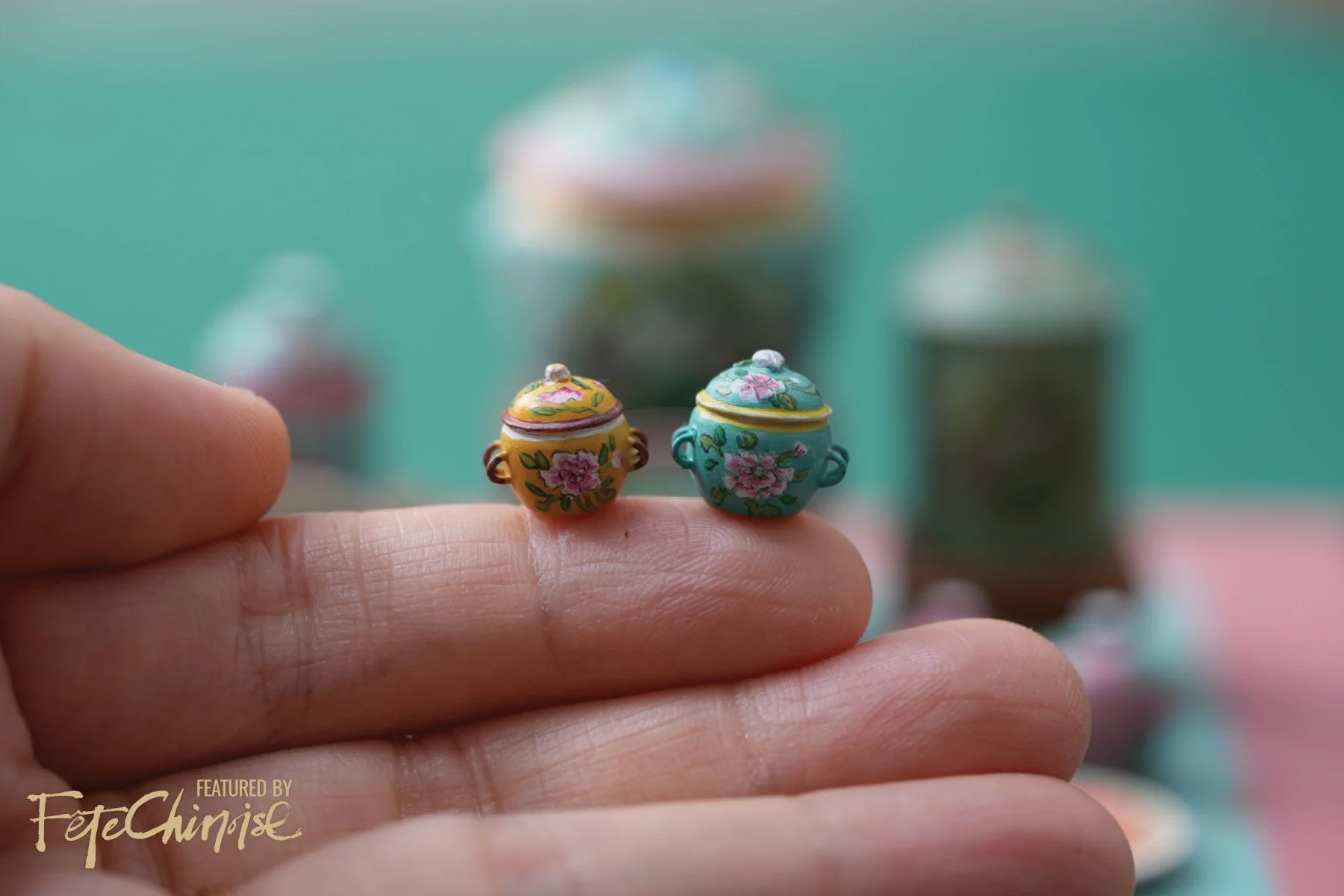
Peranakan Wares
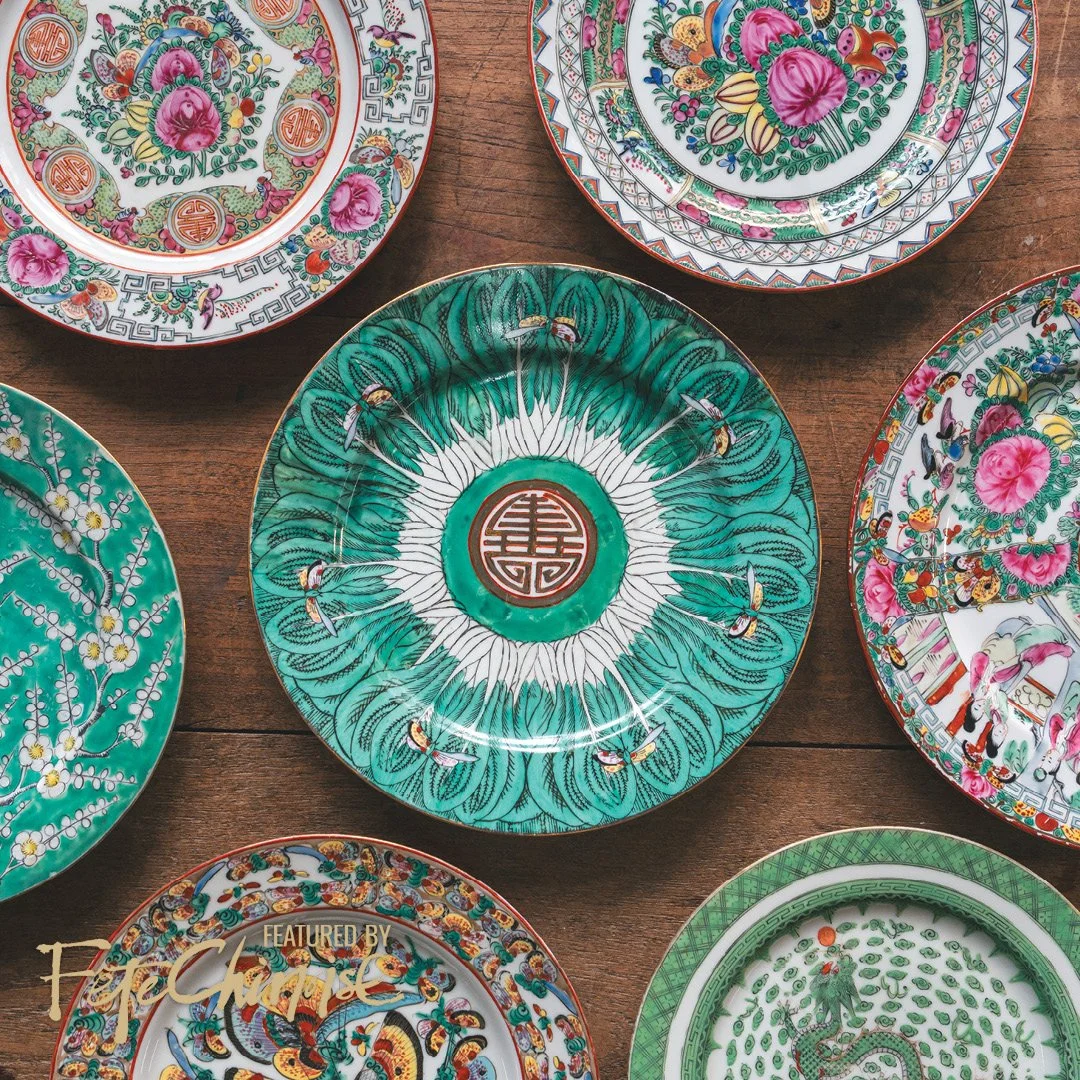
More from Fête Chiniose
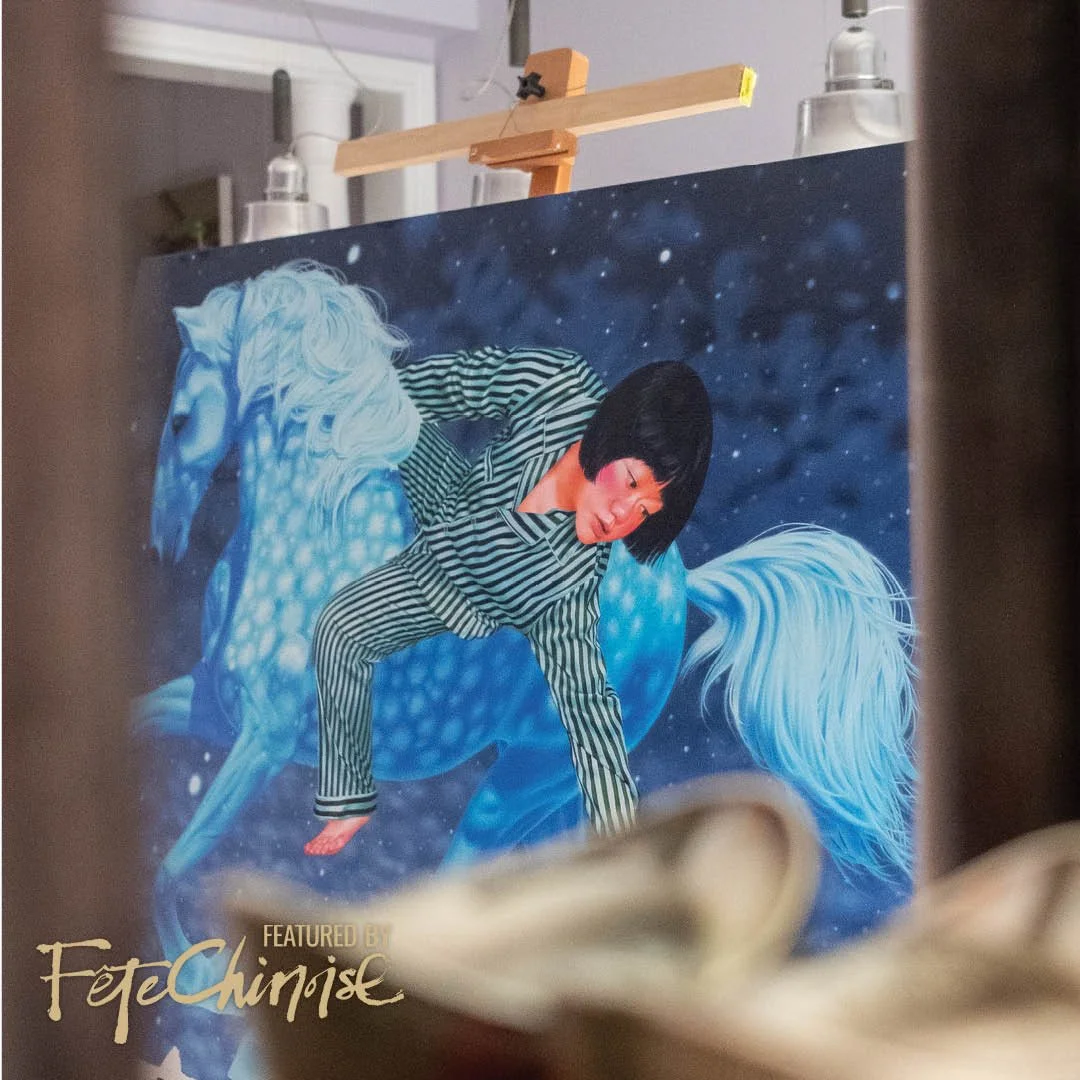
Lin describes her work as a meeting of memory, the present moment and imagination. Rooted in Chinese artistic traditions and rigorous technique, her practice has also been shaped by years abroad, carrying her beyond inherited forms into a language of her own. “Memory belongs to a fixed past, while the contemporary is constantly changing. And I like change,” she says.